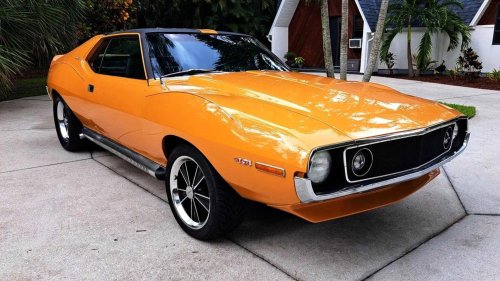
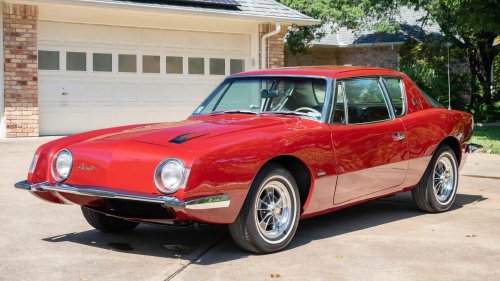
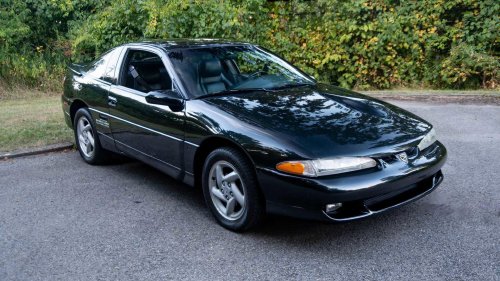
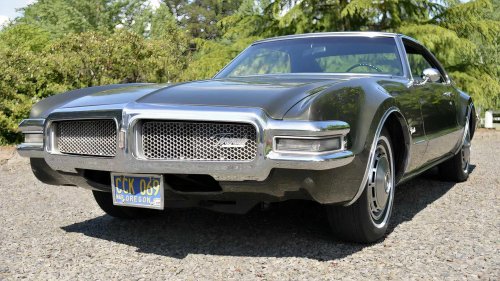
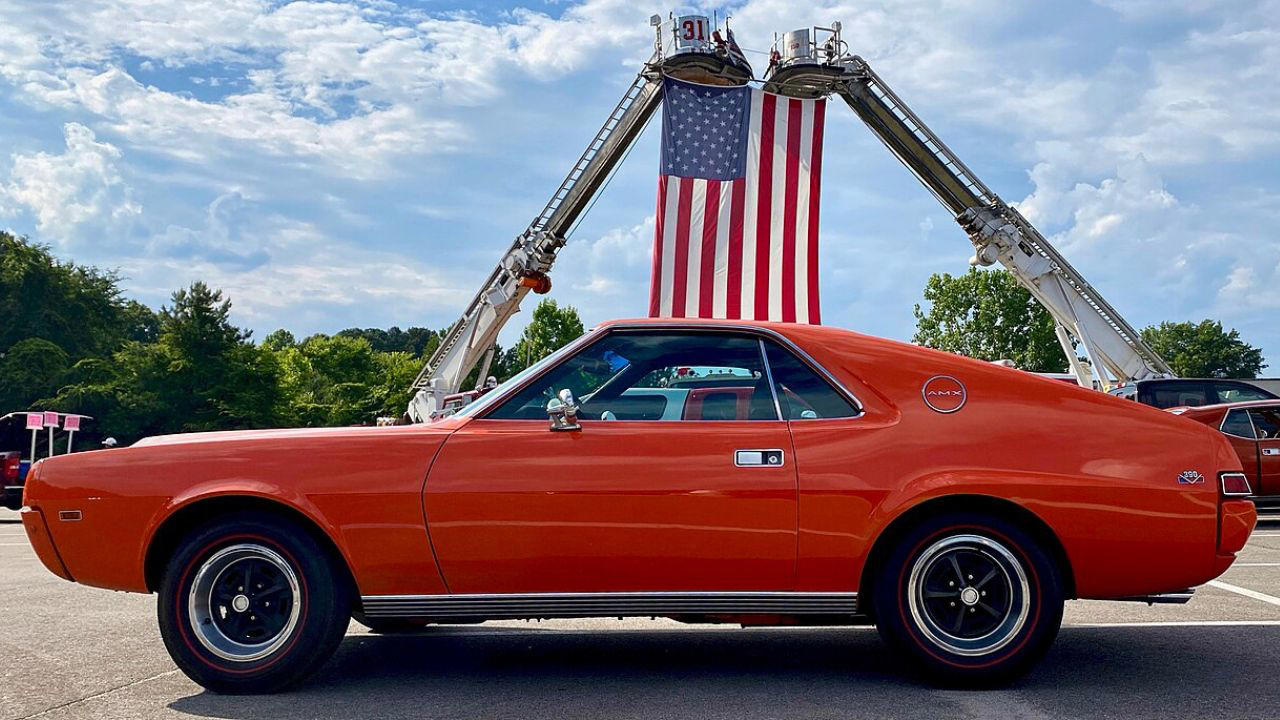
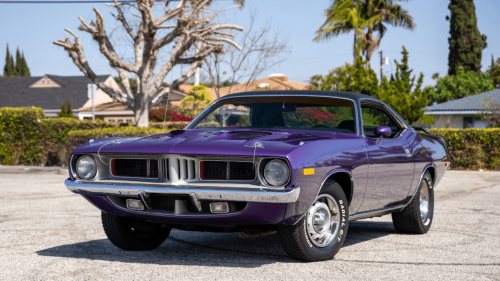
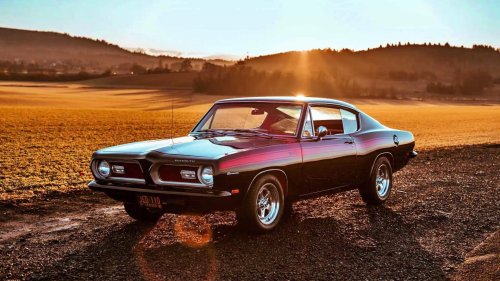
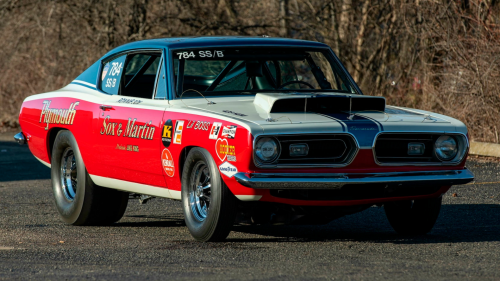
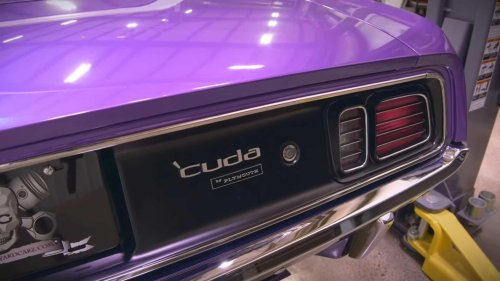
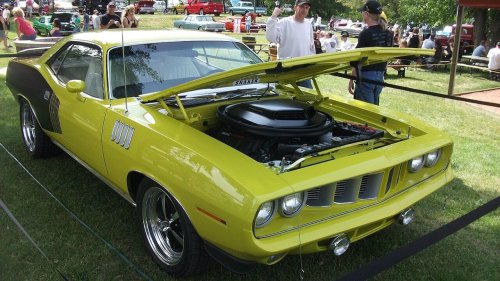
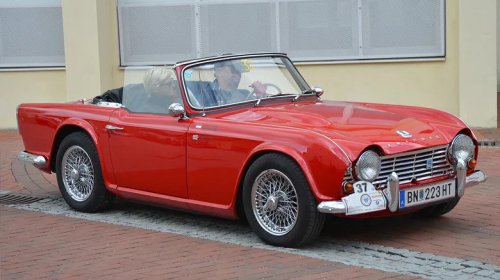
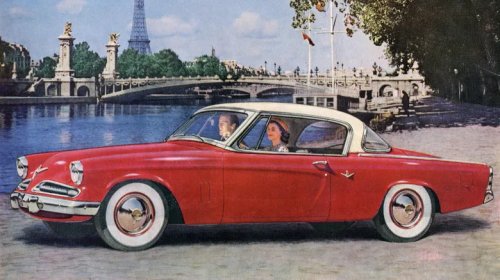
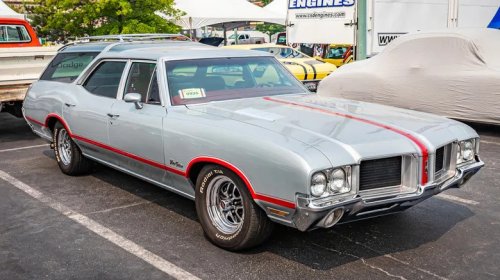
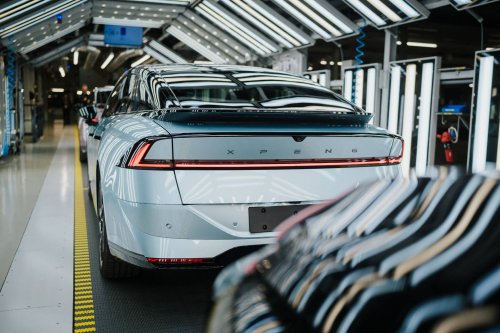
The last two decades have proved one point: reviving old nameplates works when the product hits the sweet spot. Ford brought back the Bronco. Dodge gave the Charger and Challenger a second life. Chevrolet leaned into Camaro nostalgia. Buyers responded because the names carried real stories, real hardware, and clear personalities. The market loves familiar badges that deliver modern performance. When companies get the formula right, the payoff shows up in sales, social buzz, and brand heat.Plenty of American brands died, but their best cars still pull strong emotional weight. Enthusiasts know the specs. They know how these cars felt and sounded. Today’s tech could make them even better – quicker, safer, cleaner, and easier to live with. Below are 10 models that deserve a serious comeback in our eyes. Each one built a fan base, pushed an idea ahead of its time, and could slot into a segment buyers already shop.This list sticks to nameplates from defunct American brands only. Each earns a spot for four reasons: a strong, distinct identity with real enthusiast interest; clear room in today’s market for that identity; a credible path to production by sharing platforms, drivetrains, or supply chains that exist now; and the ability to showcase modern tech without losing the core flavor. Models that already returned in spirit or name under active brands were not considered. The ranking is alphabetical by model name, not by “best.” AMC AMX Bring a TrailerThe AMX was Detroit mischief in a two-seat shell. Short wheelbase, big lungs, and no back seat to save the luggage – or your friends. The 390 made stout power for its day, and the whole car felt like it couldn’t wait to pick a fight with a corner. AMC kept the weight reasonable, and the thing looked mean – especially with the “Go Package.” Think small-block attitude with a track toy’s footprint.A reboot that chases feel over fluff makes the most sense. Aluminum and composites could keep mass in check, while a twin-turbo 3.0 with around 400 hp could fit the punch-to-weight brief. With a proper limited-slip, quick steering, and alignment ranges that allow serious negative camber, the chassis turns adjustable and honest. Big brakes with real ducting, small screens, clear gauges, and perfect pedals round it out. Narrow scope, sharp edges – that’s AMX energy without shouting. Studebaker Avanti Bring A Trailer The Avanti was a design thesis that actually went fast. Fiberglass body, clean nose, early front discs, and an optional Paxton-huffed V8 that punched above its weight. The shape still looks fresh because it wasn’t trying to copy anything. No grille, long hood, glassy greenhouse – elegant and a little strange in the best way. We love it, honestly.As a long-legged GT, the Avanti idea still clicks. Two routes rise to the top: a dual-motor EV with roughly 500 hp on an 800-volt system for quick charging, or a slick plug-in hybrid that loafs on electrons and hammers with a turbo V6 plus e-boost. Long wheelbase, low cowl, and aero that earns its drag number would serve either path. Inside, fewer screens and better touch points, please – metal toggles, tight panel gaps, seats that reward long nights, all retaining the maximum possible amount of physical buttons. Plymouth Barracuda Mecum The Barracuda hit first. Plymouth’s fastback arrived in 1964, two weeks before Mustang. Most remember the 1970–1974 E-body ‘Cuda, which could take a 426 Hemi with a shaker hood and deliver near-supercar straight-line speed for the era. Big-block and small-block V8s, pistol-grip shifters, and stout rear ends defined the car. It raced in Trans-Am and starred in countless garages. It also had a chassis that begged for better tires and modern damping.In modern clothes, Barracuda reads as a purist’s RWD coupe with options that match different tastes. A naturally aspirated V8 that spins past 7,000 would be our choice, but a twin-turbo six with a fat torque curve might be better for daily duty. The driver position needs to be near the rear axle, while a square tire setup for balance and a Track Pack with real coolers and 200-treadwear rubber would set the tone. Factory-developed Mopar parts – coilovers that work, aero that adds downforce, a precise short-throw - would be a cool addition. Packard Caribbean Flickr Packard’s Caribbean was a luxury flagship with real engineering pride. Mid-1950s cars carried the big Packard V8 – up to 374 cubic inches and around 310–340 hp – paired with the Ultramatic transmission. The game-changer was Packard’s Torsion-Level suspension: a self-leveling, interconnected torsion-bar system that gave a glass-smooth ride and composed handling. The Caribbean also showcased layered paint, rich interiors, and restrained elegance. It was quiet, quick, and dignified.There is a hole in the American market for a true homegrown luxury halo that is not overtly sporty or brash. An electric, long-wheelbase sedan seems to fit the Caribbean brief without twisting the brand’s soul. Range in the 300s, air springs with a wide bandwidth, and vault-level NVH set the baseline. Add dual or tri-motor torque that gives silent thrust, and you have a modern cruiser to conquer the best from Lucid and the likes. The cabin here needs to lean into craft over gimmicks: real metal, open-pore wood, and tactile controls where hands actually go. DeLorean DMC-12 CraigslistThis iconic movie car tends to get a lot of hate in enthusiast circles, but under all that stainless steel was a fascinating idea. The DMC-12 used a rear-mounted Renault-sourced 2.85-liter V6 (around 130–150 hp in period), a five-speed manual or three-speed auto, and a Lotus-tuned backbone chassis with composite underbody. Gullwing doors and brushed steel made it a rolling spaceship. The car needed more power and less weight, but the bones were right: mid-engine handling feel, an emphasis on materials, and an identity no other coupe could touch.A proper return would keep the doors, the steel look, and the engine behind the seats – but fix the performance. A compact plug-in layout cleans up the old sins without muting the grin. The gullwing doors and brushed-steel vibe probably need to stay, but paired with a 2.0-liter turbo driving the rear wheels and a strong front e-motor for instant shove. A curb weight under roughly 3,600 pounds, bonded aluminum, and molded composites would keep responses crisp. Well, that might seem a bit too advanced for the DMC-12, but hey - that exterior still screams high-tech, right? Pontiac Firebird Mecum Auctions The Camaro’s lawyerly sibling? Never. Firebird was the hothead. Ram Air packages, WS6 chassis bits, screaming-chicken decals on hoods that actually moved air. Last-gen LS1 cars felt rowdy out of the box and turned wicked with a few bolt-ons. The stance, the dash, the shaker - wild but somehow cohesive.If you ask us, a naturally-aspirated V8 with a manual would provide the heartbeat, while a Trans Am spec would widen the track, add functional aero, and bring in serious cooling. An Esprit-style EV trim could land quiet speed and long range without losing the silhouette, though that might be a bit too much for the purists. Inside, rally gauge nods meet cleaner ergonomics and better sightlines. A chassis that accepts a square setup and offers real camber adjustment makes it friendly to track rats and canyon regulars alike. Mercury Marauder Cars & BidsMercury’s Marauder gave full-size muscle a late-model encore in 2003–2004. It took the Panther chassis, dropped in a 4.6-liter DOHC V8 (302 hp), fitted 3.55 gears with a limited-slip, and rolled on 18-inch wheels with performance rubber. It offered four doors, a huge trunk, and a straight-pipe attitude. It was a sleeper with police-car toughness and real presence. Owners still mod them with superchargers and cams for easy, durable power.Today, the market is short on honest, V8-powered, rear-drive sedans. The template isn’t complicated: a rear-drive V8 sedan around 450 hp, a ten-speed with smart mapping, and police-grade cooling. A performance-hybrid layer adds a rear e-axle for silent creep and brutal launches, pushing combined output north of 550 without ruining range. Yes, it kind of kills the old-school formula but helps the sedan survive in the new era. Low stance, dark paints, and brakes sized for abuse could be in the range to keep the character intact. Saturn Sky SaturnSaturn shocked everyone with the Sky in 2006, finally adding the fun car enthusiasts wanted to its stables. Sure, the Kappa-platform roadster shared bones and engine with the Pontiac Solstice, but it wore sharper lines. The 2.0-liter turbo LNF under the hood made 260 hp and 260 lb-ft, but its curb weight of just over 3,000 pounds combined with a short wheelbase and a standard manual made it eager and playful. The Red Line models responded well to tunes and cooling upgrades, turning them into giant-killers on tight tracks.For its successor, we imagine a 2.0-liter turbo making around 300 hp with a six-speed manual and another one that runs a single-motor EV with 300-plus miles and a curb weight that still starts with a “3.” Aluminum subframes, a composite trunk lid, and a top that doesn’t eat the cargo area are needed to keep the overall concept friendly. A real LSD, damping for imperfect pavement, and pricing that leaves budget for tires would make it the forum favorite all over again. Eagle Talon Bring A Trailer The Eagle Talon was the poster child for “turbo fixes everything.” Turbo 4G63, AWD, viscous diffs, and a chassis that took power and track days like a champ – once cooling and bushings were handled. Rain? Snow? Dirt? It just hooked up and went. The tuning scene never died, but the cars did.Picture a rally-road coupe with modern torque tricks. A hybridized 2.0-liter turbo – integrated starter-generator up front and an e-axle in back - lands 350–380 hp and a sub-4.5-second 0–60 mph with repeatability. A base turbo FWD could keep a manual for the purists, while the hybrid could lean on a dual-clutch for crisp hits for those looking for better track times. Hatchback practicality, split-fold rears, and big-mouth cooling could make track nights and road-trip weekends easy. Oldsmobile Toronado Bring A Trailer In 1966, the Toronado brought American front-wheel drive to the big-power party. Under that crisp body sat a 425-ci V8 with around 385 hp and a chain-driven TH425 transaxle. The floor stayed flat, the packaging was clever, and the steering felt surprisingly precise for a big coupe. Later cars softened, but the original idea – innovative packaging and torque for days – was bold. It proved Detroit could rethink the layout and deliver something new.We hate to say it, but electrons seem to suit the original mission here. In our heads, long-hood proportions meet dual-motor AWD with 500–600 hp, natural-feeling one-pedal, and honest aero for highway range. Also, how about a “W-34” pack with bigger brakes, added cooling, stickier rubber, and firmer damping for those looking for something hardcore? The cabin, meanwhile, needs to stay calm: crisp HUD, a few tactile knobs, great seats, and road noise dialed down to a hush. Layout pioneer then, serenity-at-speed pioneer now.