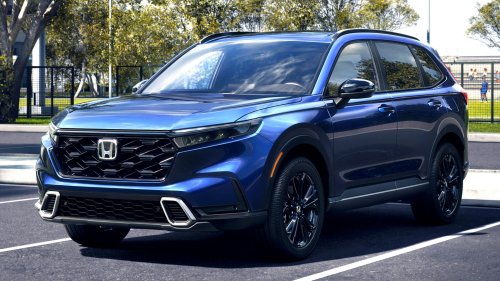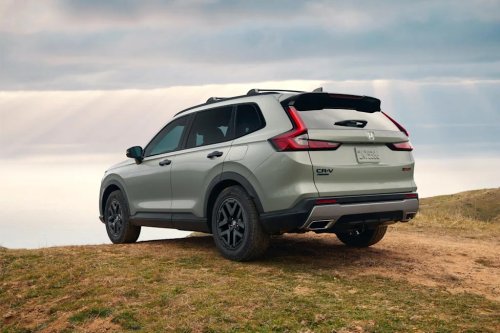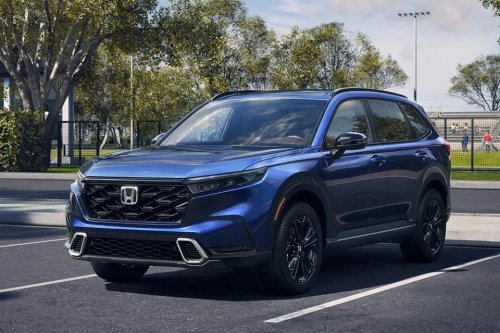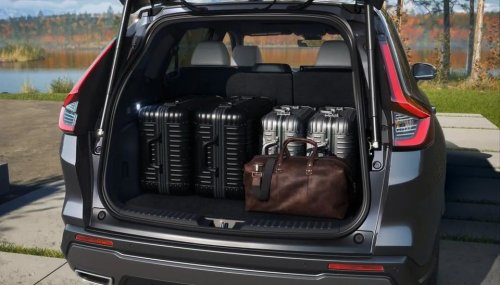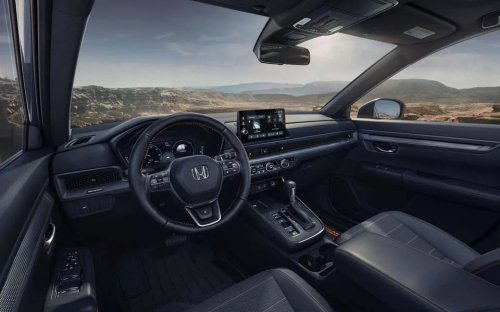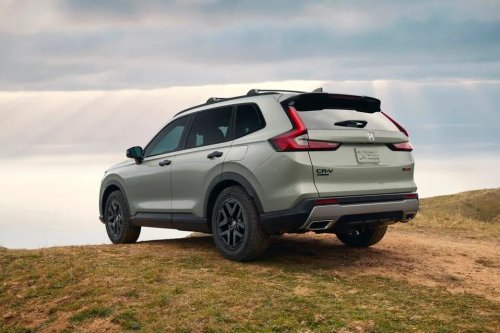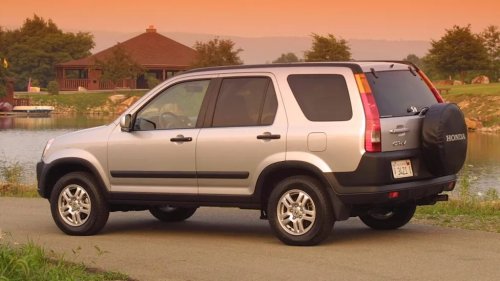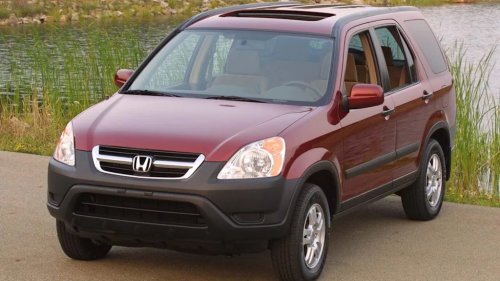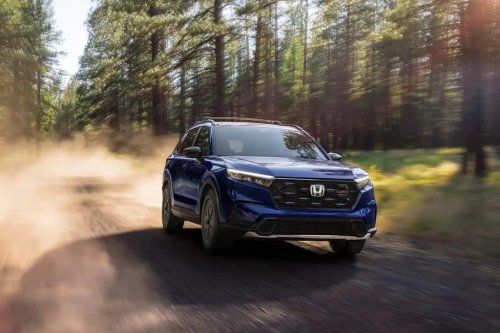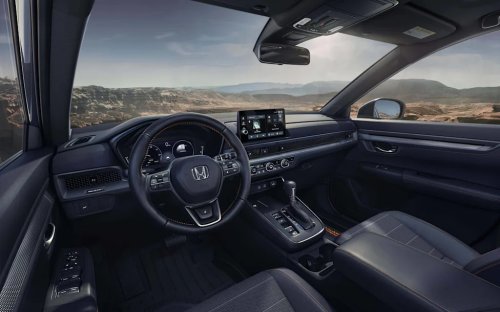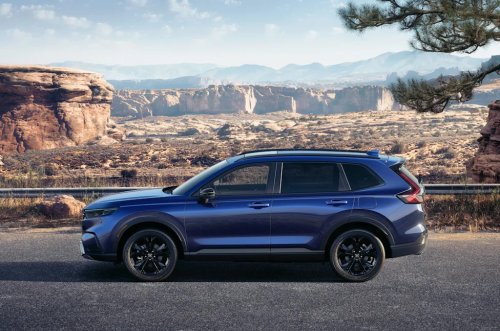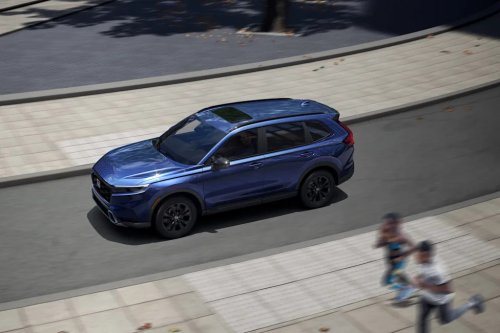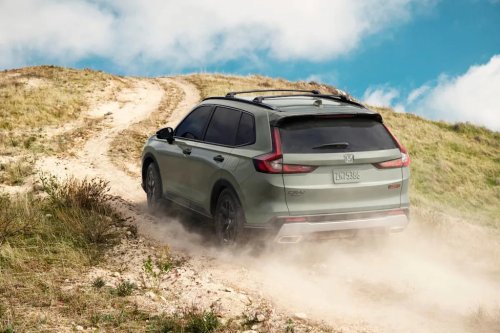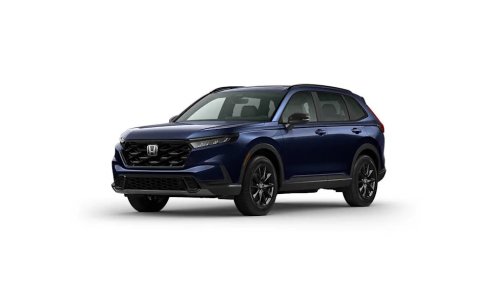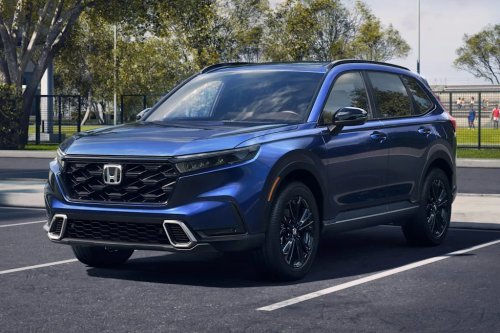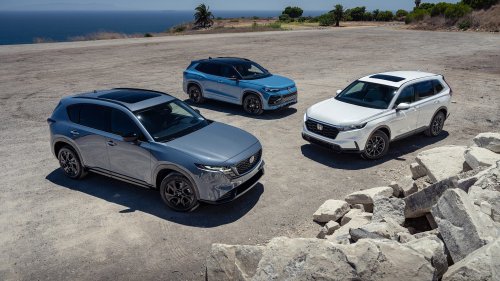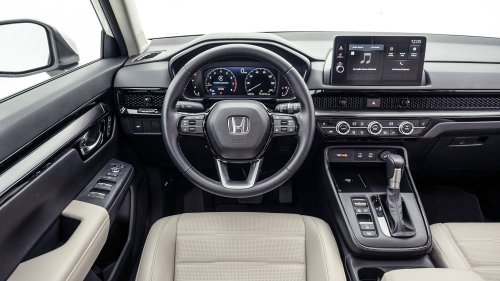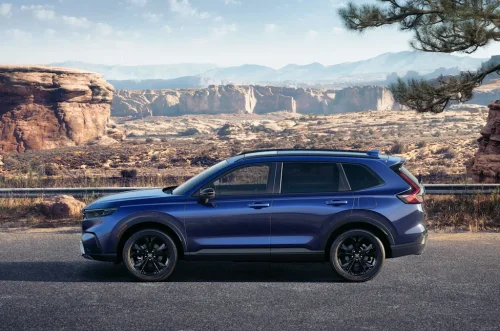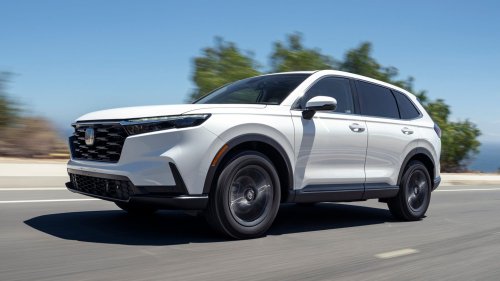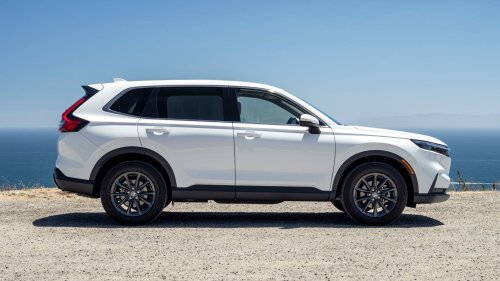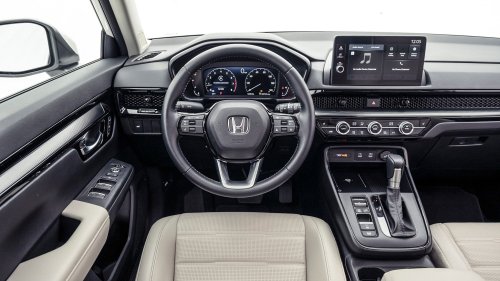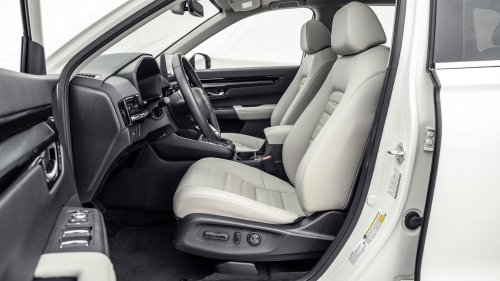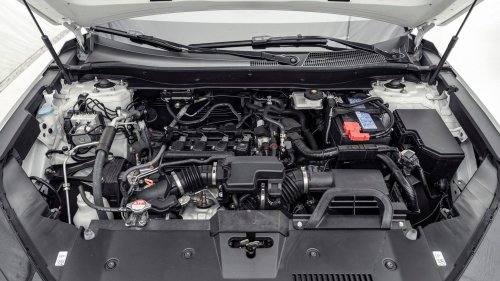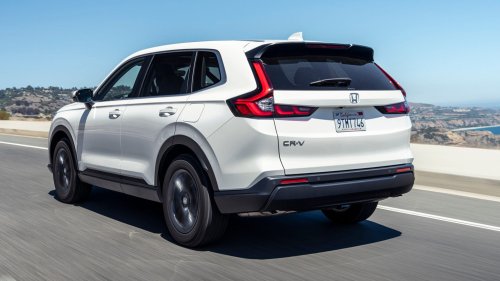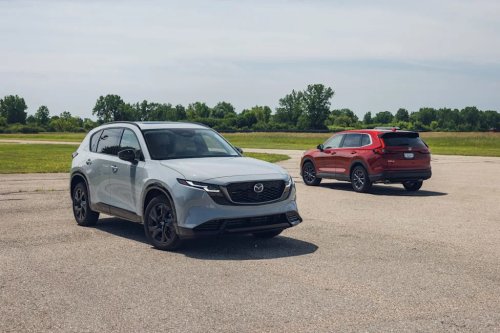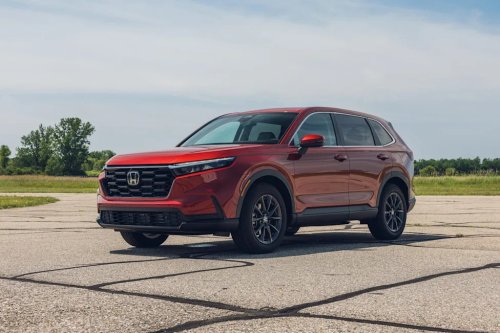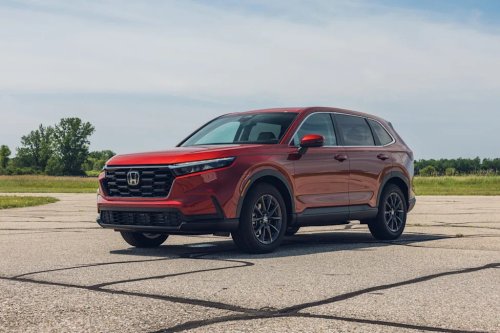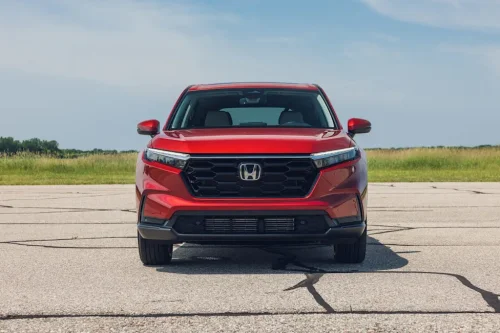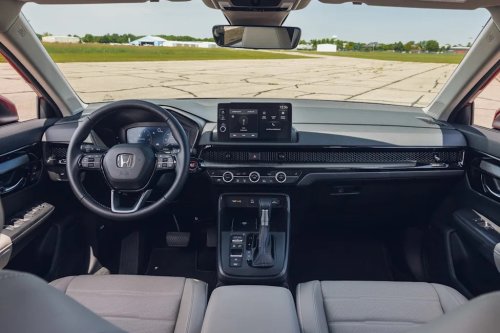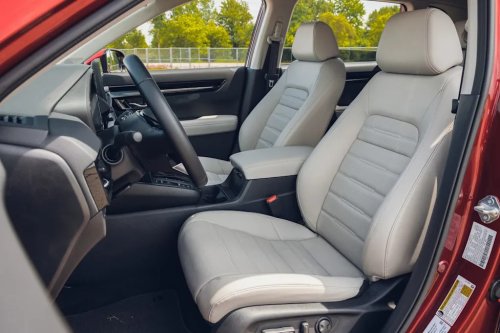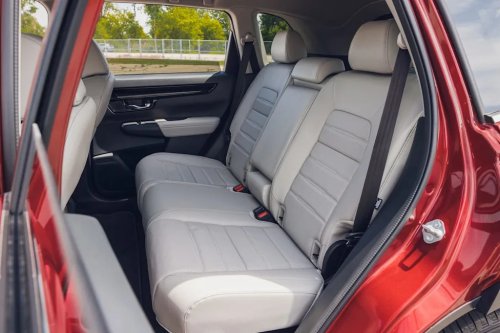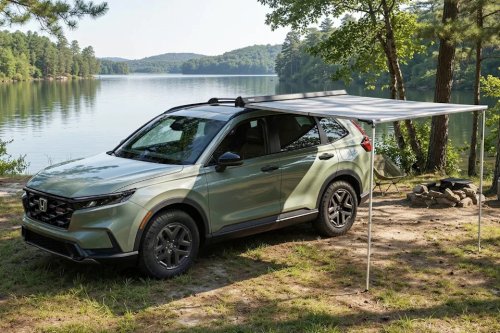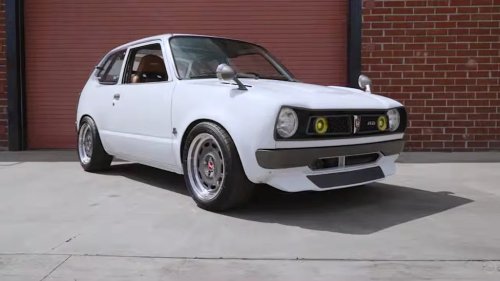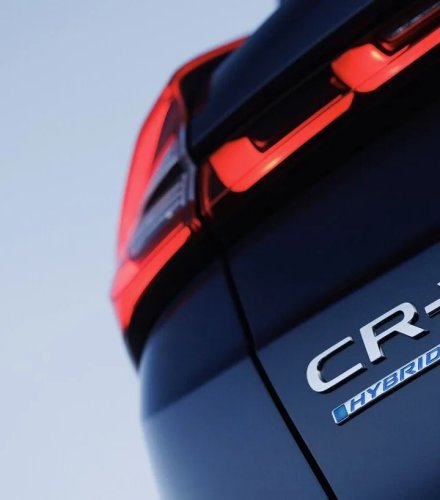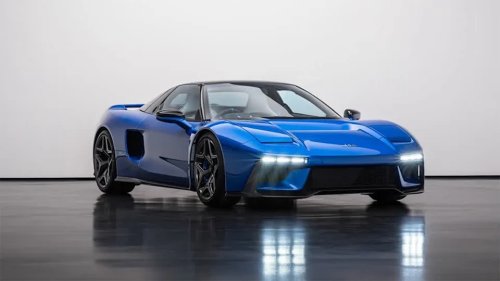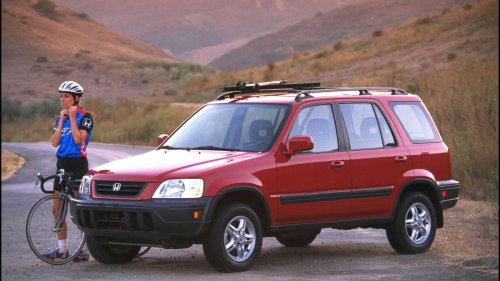

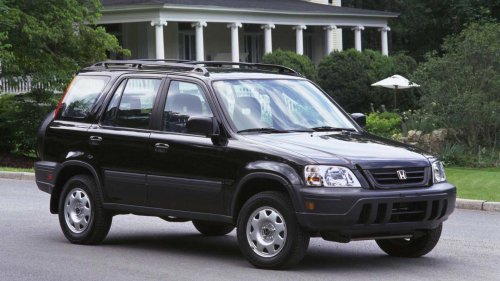
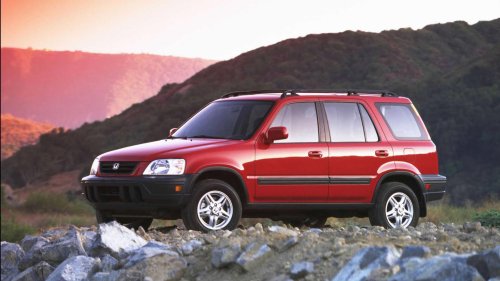
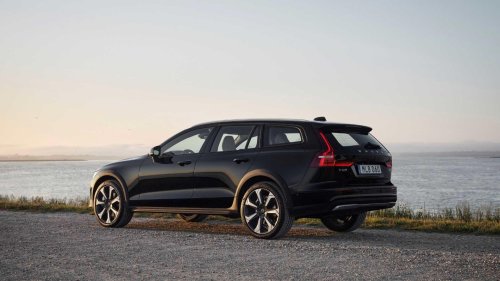

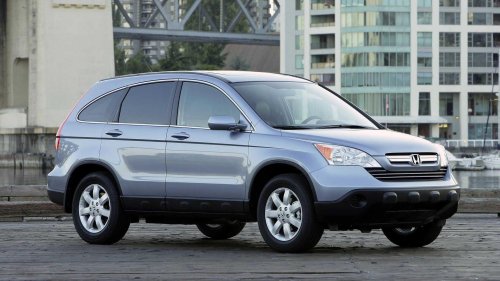
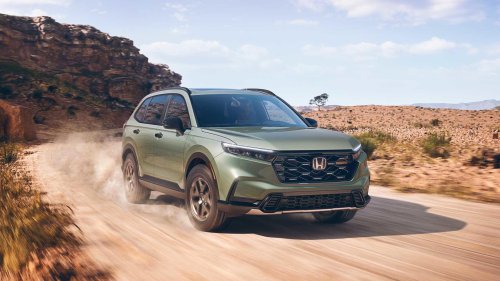



















The station wagon was the vehicle of choice for families in the US for several decades. Practical and spacious, it offered all the room growing households needed, and became indelibly associated with childhood and road trips in the mind of millions of Americans.However, over the past 30 years or so, the wagon has been disappearing from car dealerships and roads, not just in the US but elsewhere in the world, too. The SUV gradually took its place on the market; this process started with a few key models that ushered in the SUV as the new family-friendly vehicle.One of these models was the Honda CR-V, a model so successful it has remained in production for 31 years and counting. Let’s take a closer look at the first-gen CR-V, the one that started it all. The First-Generation Honda CR-V: An Overview HondaThe Honda CR-V first made its debut in its home market of Japan in 1995. The following year, the model was showcased at the 1996 Chicago Auto Show, hitting the North American market for the 1997 model year. Advertised as rugged and outdoorsy, the CR-V bridged the gap between the off-roading vehicle and the everyday family hauler.The CR-V’s design was modern and practical, with a fun character made to appeal to singles, couples, and young families alike. The American version of the model was characterized by a black plastic grille; elsewhere in the world, the vehicle sported a chrome-trimmed grille instead.The first-gen CR-V was initially powered by a single choice of engine, a 2.0-liter inline-four unit which produced 126 hp and 133 lb-ft of torque (power output would then change slightly as part of a facelift; more on that later). A selection of two transmissions were available: a 5-speed manual or a 4-speed automatic.Honda One of the CR-V’s most interesting characteristics was its options list. The model offered several features oriented towards outdoor activities, including a picnic table and a built-in shower. Powered by the car’s 12-volt socket, this feature had a fairly basic setup, with a simple hose, water jug, and showerhead; it was primarily built to rinse off mud after a hike.The CR-V underwent a facelift in 2000, which updated its engine. Still a 2.0-liter inline-four, the new engine had a slightly higher power output of 147 hp. The facelift did not, however, consist of mechanical updates alone: it also brought about some design changes, including new paint finish options.The first-generation CR-V in North America lasted from 1997 to 2001 (five years), with global production extending into 2002 in some markets, replaced by the second generation for the 2002 model year in North America. The CR-V was a highly successful model, and is still being produced today, a further four generations later. Its popularity contributed to SUVs taking over the American car market, leading to a former favorite, the wagon, being gradually pushed out. The First-Gen CR-V On The Used Market Today If you’re interested in adding an older SUV to your garage, and the first-gen CR-V sounds like the right choice for you, there are a few options available for you on the used market. The lower end of the price range sits around the $3,000 mark. Here, you are likely to find older (pre-facelift) vehicles, ones with higher mileage and a poorer standard of maintenance. The upper end of the price range is around $8,500, for vehicles towards the end of the generation, lower-mileage vehicles and vehicles with a better maintenance record. Why SUVs Overtook The Wagon As The American Family Car… HondaThe replacement of the wagon with the SUV as America’s family car of choice happened in stages, and for a combination of different reasons. Alongside another shrinking automotive segment, the sedan, wagons dominated US roads throughout most of the 20th century. They came with the additional space and practicality that family life demanded, while simultaneously still offering good looks and, in some models, sportiness and performance.However, as the century drew to a close, things began to change. The SUV, which had previously been almost exclusively a work-oriented vehicle, started to become a viable option for private individuals and families. The rise of the SUV as a personal vehicle had started with older models like the Jeep and the International Scout, which had started laying the groundwork decades earlier. The 90s then brought about a wave of new models, such as the CR-V. As a result, the public’s perception of SUVs changed.The shift was not instant by any means. In the late 80s and throughout the 90s, minivans were also major players in the family-hauler market. Around the turn of the millennium, however, the minivan also fell out of fashion (although it is now making a comeback). The SUV, along with its little sibling the crossover, took over as the family car of choice.The idea of having a more rugged vehicle, which could handle the daily commute as well as the occasional off-road excursion, appealed to American consumers. The increased space offered by SUVs when compared to a wagon was also a strong selling point. As the transport needs of families changed, with more items like sports gear and baby gear to haul around than ever before, the SUV stepped in to meet them.SUVs are also typically easier to get in and out of as their ride height and floor are slightly higher. In a world with an aging population, this is an extremely strong advantage, as families are more likely to be transporting elderly relatives, not just younger people and children.Honda The CR-V was just one part of a wider wave of SUV models that hit the market around the turn of the millennium. Automakers enthusiastically marketed the SUV as a modern, youthful family vehicle; consumers responded positively, embracing the new models as an alternative to station wagons which were beginning to be seen as old-fashioned.Today, SUVs and crossovers account for around half of new car sales in the US, while only five wagon models are still on sale on the American market. Although beloved by car enthusiasts, the wagon is rapidly fading out of existence. ...And Why Wagons Still Have Some Advantages Volvo The wagon might occupy a much smaller place on the American car market than it used to, but it is not quite dead yet. This type of vehicle still offers many advantages, and if you are buying a family car but don’t feel an SUV is right for you, a wagon could be a fantastic option. Here are a few areas where wagons still have an edge over SUVs... A Longer And Easier-To-Reach Roof A wagon’s longer roof can be an advantage when it comes to transporting cargo. Although SUVs have, on average, more cargo space in terms of sheer volume, the wagon body style configures that space in a different shape.Thanks to the wagon’s box-like silhouette, the cargo area’s roof height stays consistent throughout, instead of sloping down as is the case with most SUVs. This means that transporting especially tall or large items can be easier in a wagon than in an SUV. Wagons’ lower roof height also means the roof is easier to reach, so loading and unloading roof-mounted cargo (such as bicycles, other large sports gear, or roof boxes) is much easier. Better Driving Experience SUVs have evolved a lot over the past couple of decades, and many of them offer a driving experience that can be engaging, car-like, and performance-oriented. However, it’s still unlikely to be the same as that of an actual car. Being lower to the ground can be preferable for many drivers, especially those who seek a balance between practicality and performance. Wagons are also more likely to offer a manual transmission than their SUV counterparts.Volvo Lower Ride Height Can Be A Good Thing While SUVs being a little higher up is generally seen as a bonus, especially for passengers with mobility challenges who may struggle to get in and out of lower vehicles, the reverse can also be true. Having a lower floor, a wagon can be a particularly great choice for children and dogs, who may struggle to climb in or jump out of a higher vehicle. The CR-V's Subsequent Generations, All The Way Into The Present Day Honda In 2001, Honda introduced a second generation of the CR-V, which went on sale for the 2002 model year. Based on the seventh generation of the Civic, this new vehicle had an updated, modernized design and an expanded engine lineup. In 2005, the model underwent a facelift which included a new grille, new wheels, and new headlights and tail lights.The third generation of the CR-V arrived in 2007, with a more aerodynamic body and a new headlight design. Although this generation offered the same engines as its predecessor, the transmission lineup changed slightly. In 2010, Honda introduced yet another facelift, which included some updates to the interior as well as a new front fascia and new bumpers.Honda The CR-V endured across the years as a popular and successful model, and in 2011 a preview of a new generation was introduced in Los Angeles: the CR-V Concept, which offered a glimpse into the upcoming fourth-gen production model. The new CR-V went on sale in 2012, with an engine lineup that, depending on geographical region, included three gas-powered engines and two diesels.For the most recent two generations of the CR-V, the seating configuration differed depending on market: in North America, only a 5-seater version of the model is offered, while elsewhere a 7-seater is available, too. The fifth generation of the CR-V arrived in 2017, introducing hybrid and plug-in hybrid powertrains to the model for the first time.The CR-V is currently in its sixth generation, which made its debut for the 2023 model year on the North American market. A 1.5-liter gas-powered inline-four engine, as well as a hybrid and PHEV option (both equipped with a 2.0-liter engine) make up the powertrain lineup for this generation.Sources: Honda