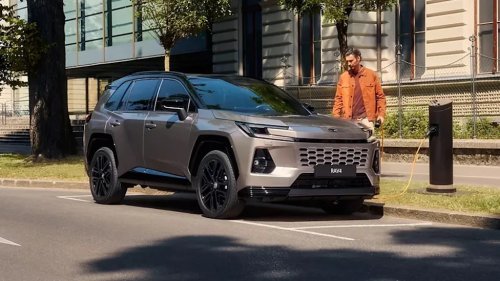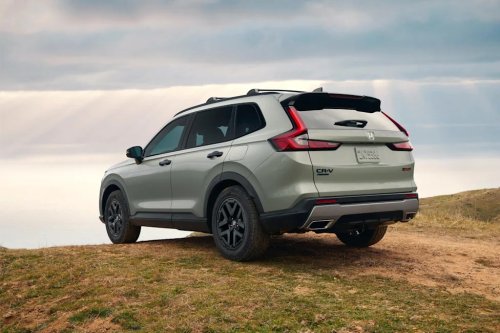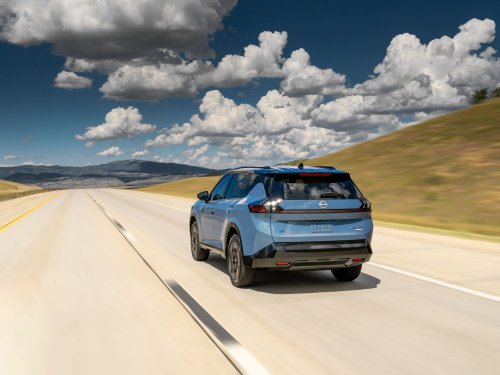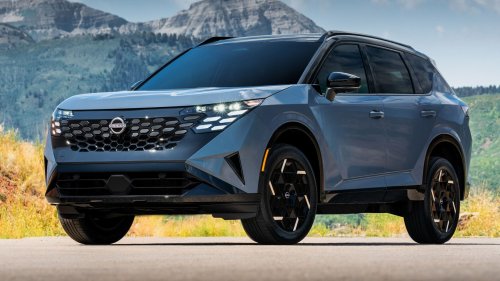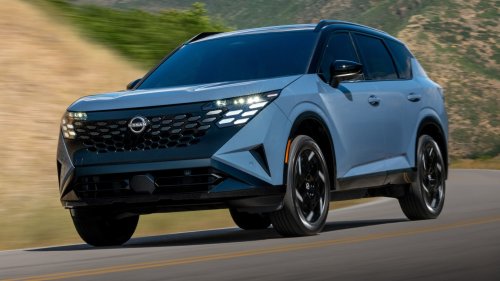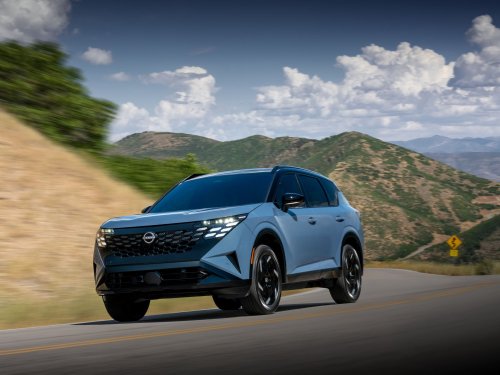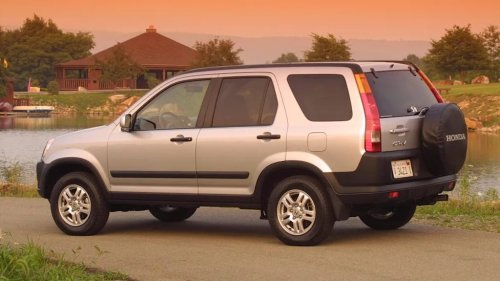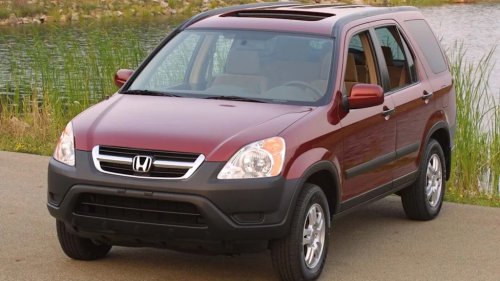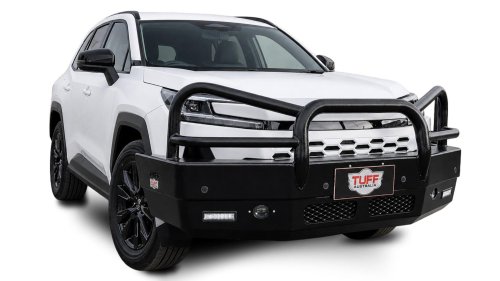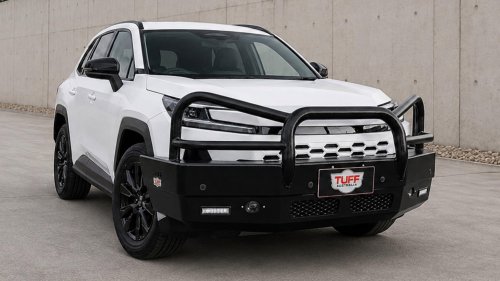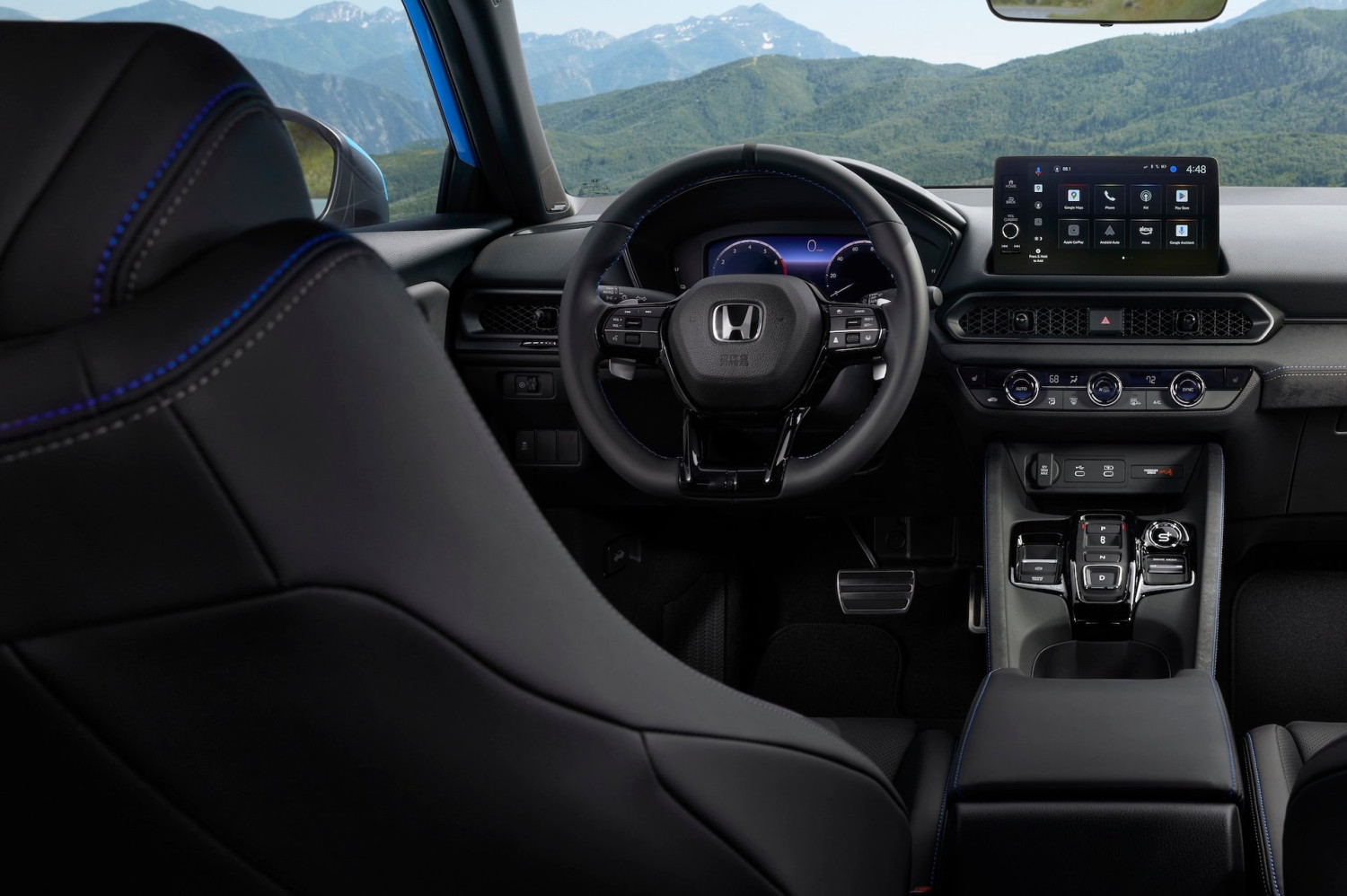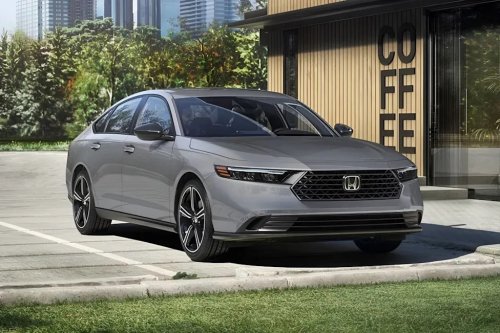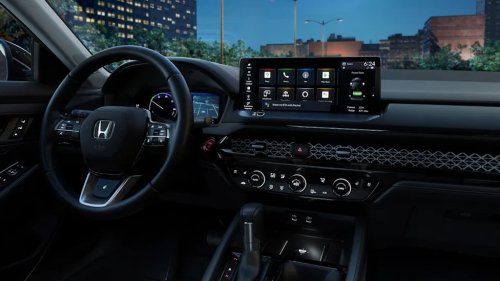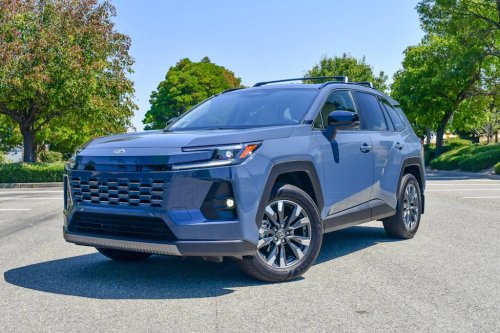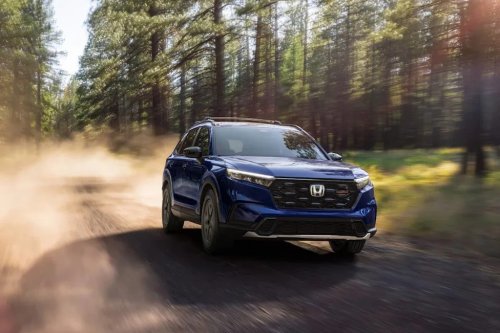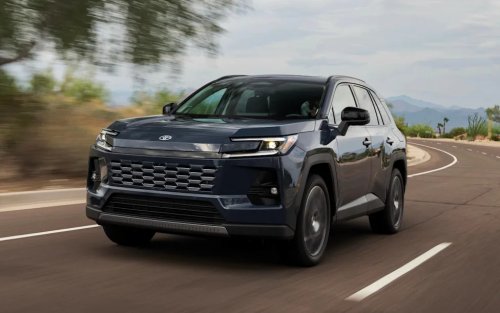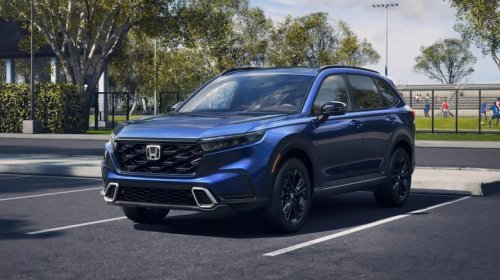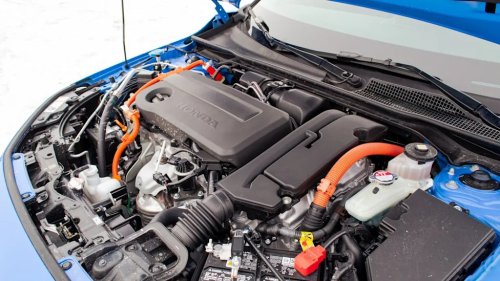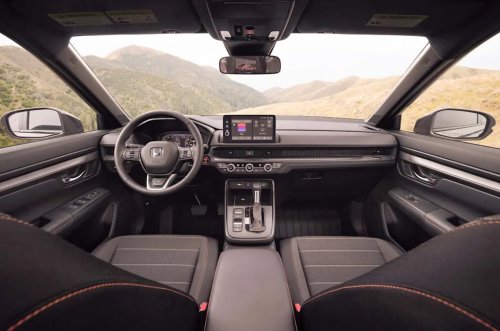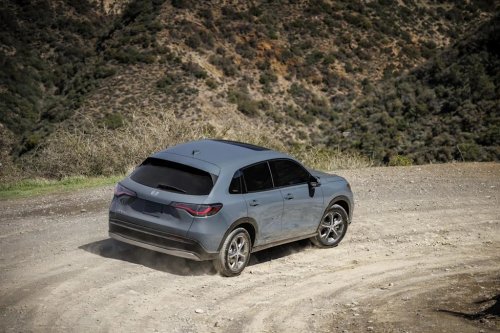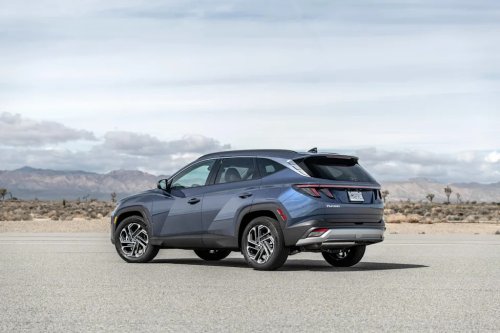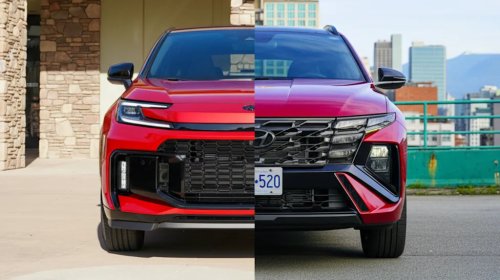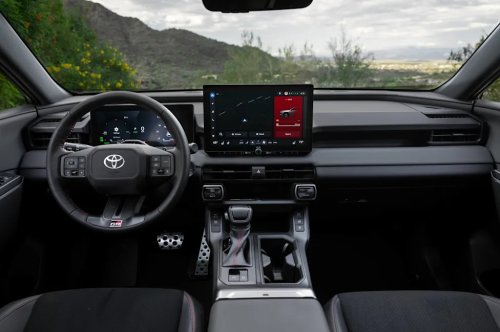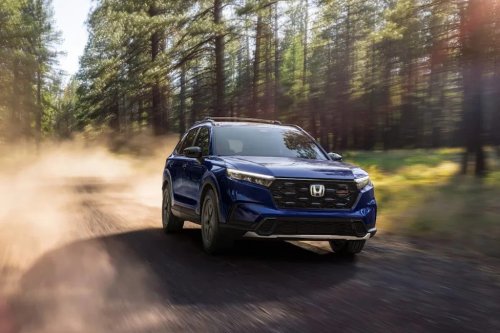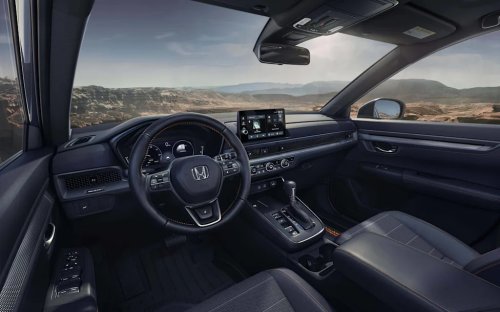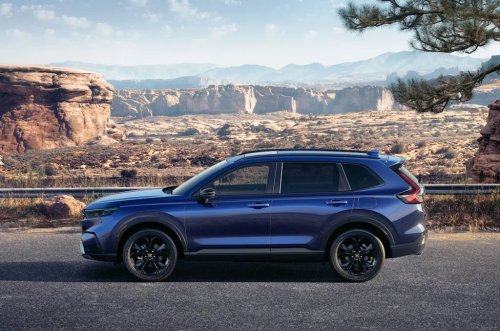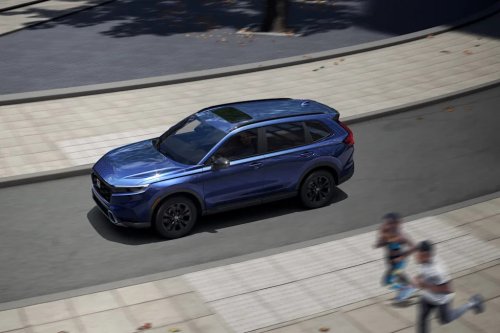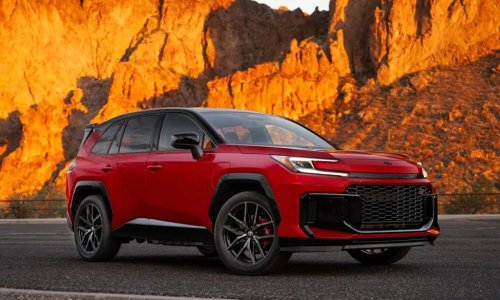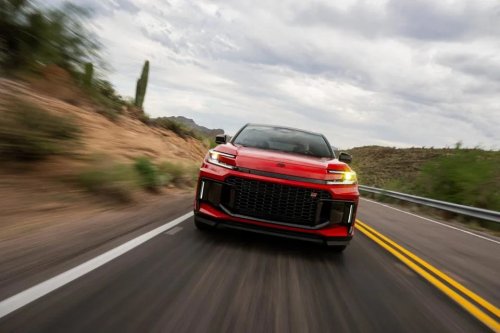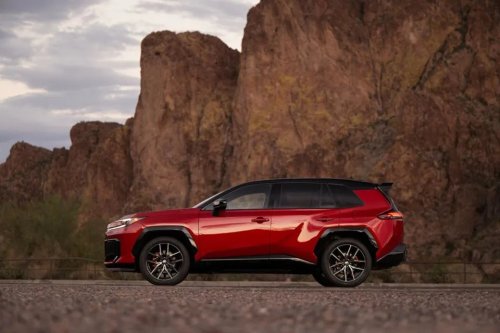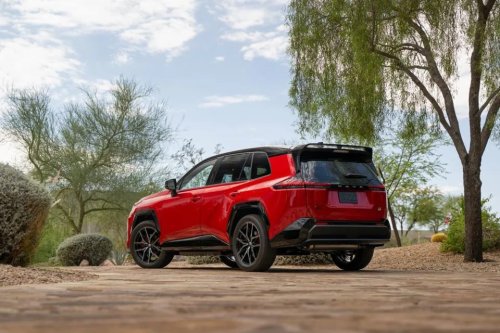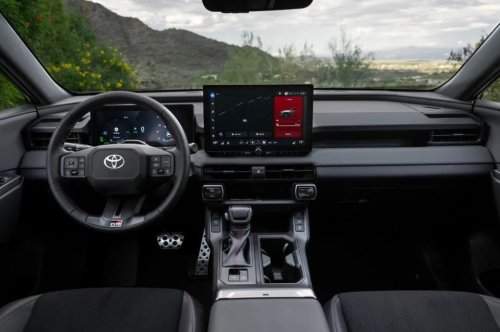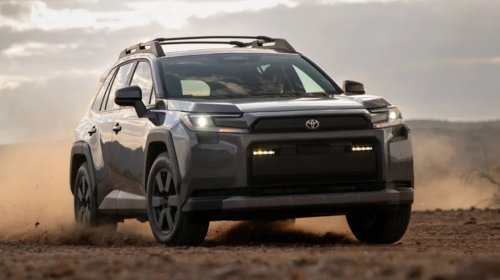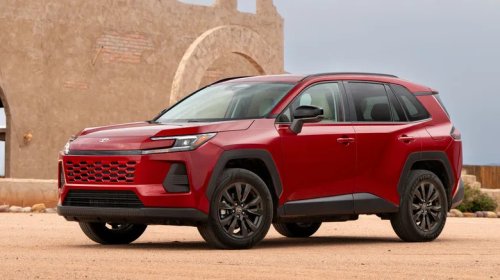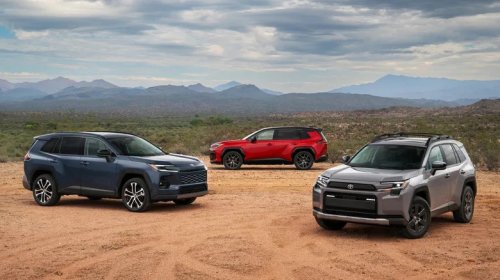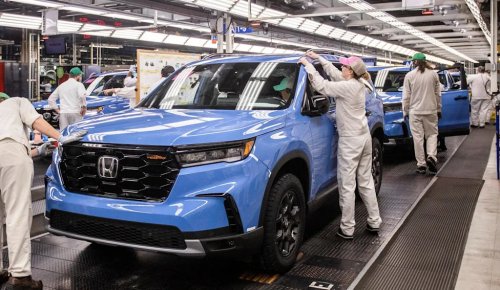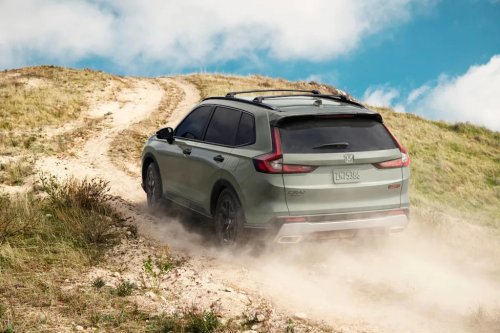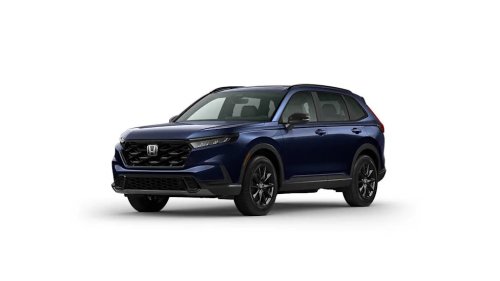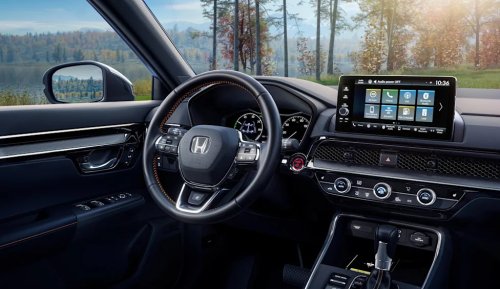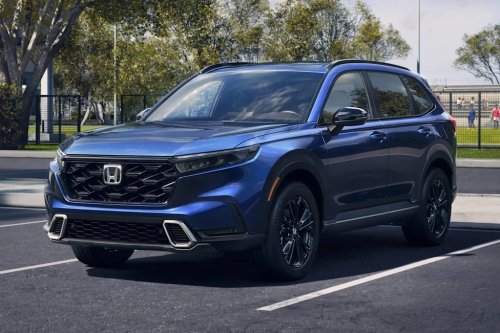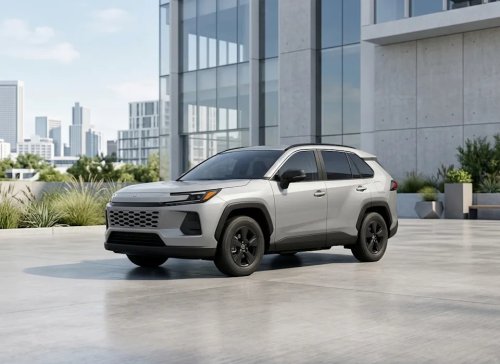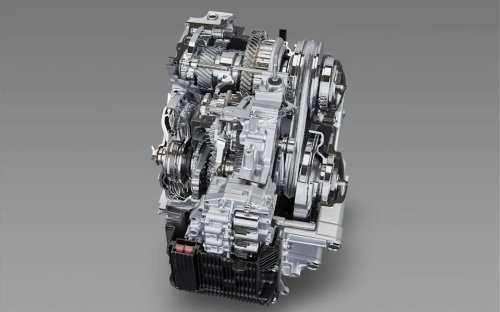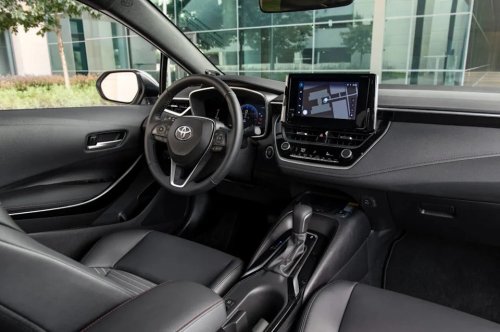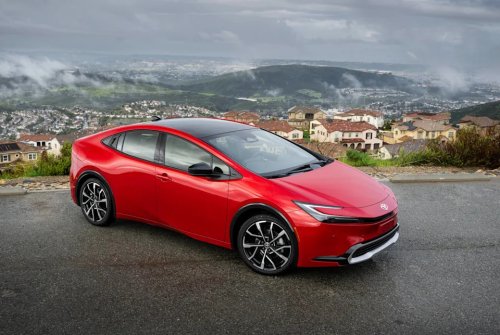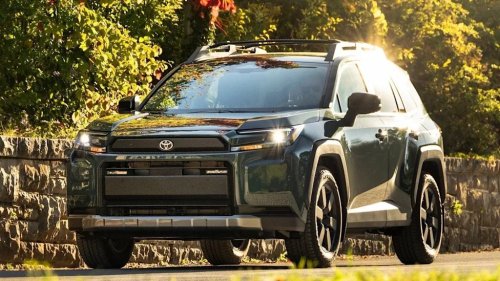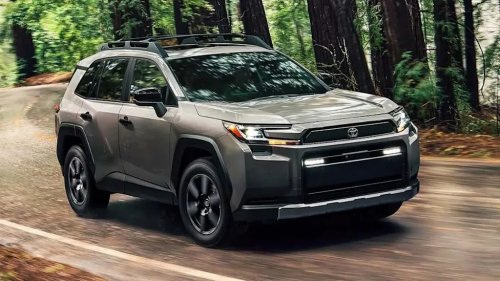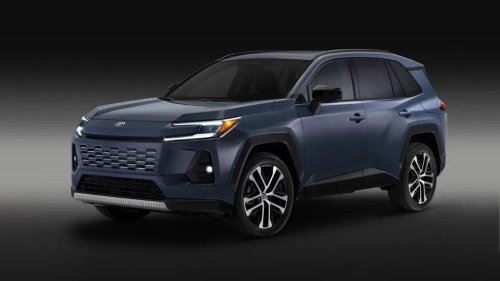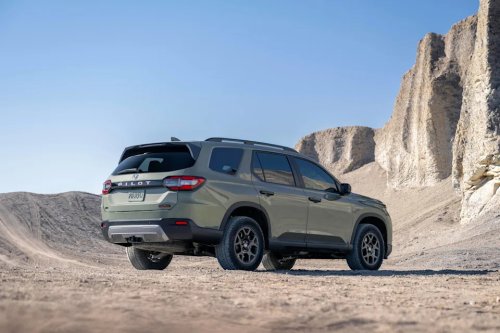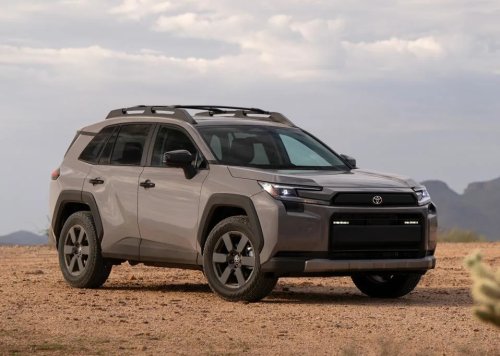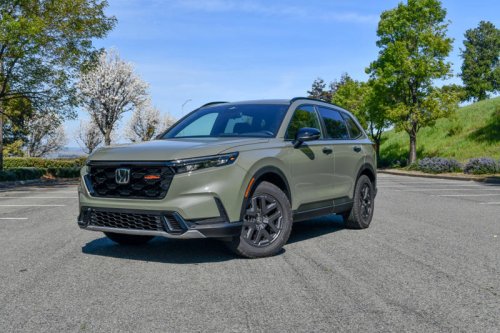
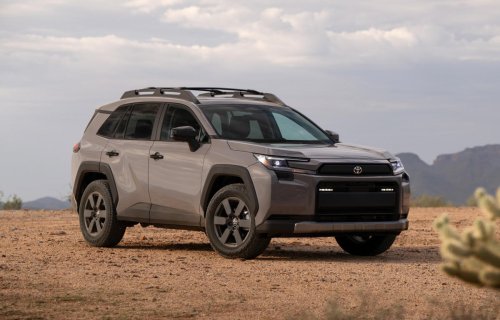
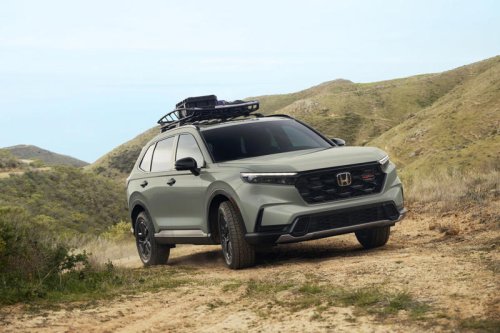
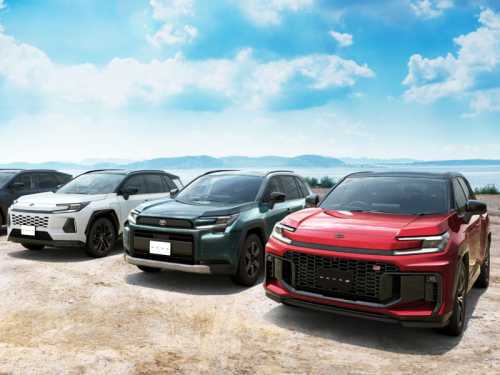



















No one buys a compact SUV hoping to learn their mechanic's kids' names. You buy a RAV4 or a CR-V because you want a vehicle that starts every morning and never gives you a second thought. Both Toyota and Honda built their reputations on exactly that promise. But the 2026 models sitting on dealer lots right now are not the same cars that earned those reputations. One is a ground-up redesign. The other is a gentle refresh of a proven platform. That distinction matters more than any badge on the tailgate. What the numbers say right nowRepairPal gives the Honda CR-V a 4.5 out of 5.0 reliability rating, placing it second out of 26 compact SUVs. The Toyota RAV4 scores 4.0 out of 5.0, ranking third. The CR-V's average annual repair cost is $407; the RAV4's is $429. Neither will bankrupt you, but the CR-V also shows a lower probability of severe repairs, which is the metric that separates an inconvenient afternoon from a devastating invoice. Consumer Reports predicts both vehicles will be more reliable than the average new car, giving the 2026 RAV4 a predicted score of 86 out of 100. But here's the asterisk: that prediction leans on data from the outgoing generation and Toyota's overall brand score, not from the redesigned 2026 model itself. J.D. Power's 2025 study awarded the RAV4 the Compact SUV dependability prize outright. The 2026 study is less flattering for both brands. Toyota slipped to eighth among mass market brands, and Honda landed below the industry average of 204 problems per 100 vehicles, with Nissan and Mitsubishi both outscoring it. Neither company is having its best year on the dependability charts.The first-year redesign questionThis is the single most important reliability variable in the comparison, and most buyers aren't thinking about it. The 2026 RAV4 is a full redesign: new sheet metal, a new all-hybrid powertrain (the gas-only option is gone), updated infotainment, and screens up to 12.9 inches. It looks, drives, and runs on different technology than the RAV4 that spent six years building its reputation. Consumer Reports itself typically advises waiting until the second year of a redesign to let manufacturers iron out early production issues. The 2026 CR-V is a minor refresh of the sixth-generation platform introduced in 2023. It gets a larger touchscreen, wireless CarPlay, and an improved AWD system, but the bones carry over unchanged. Three years of subscriber survey data back this platform. In reliability terms, the CR-V is a known quantity. The RAV4 is a bet.07-2026-honda-cr-v-trailsport The powertrain track recordsToyota's 2.5-liter hybrid system has years of production history across multiple models and a strong durability record. The company backs the RAV4's hybrid battery with 10 years/150,000 miles of coverage, and manufacturers don't write warranties that generous unless the failure-rate math works in their favor.Honda's story requires more nuance. The 1.5-liter turbo in the non-hybrid CR-V carries a documented history of oil dilution, primarily in cold climates with short-trip driving. Unburned fuel seeps past piston rings, thins the oil, and accelerates engine wear. The worst cases hit 2017 and 2018 models, leading to warranty extensions and a class action lawsuit covering 2019 through 2023 CR-Vs. Honda has made iterative improvements, and the current generation draws fewer complaints, but the underlying engine architecture persists. If you live somewhere cold and your commute is short, this is worth understanding before you sign. The CR-V Hybrid uses a 2.0-liter engine with an electric motor, sidestepping the turbo entirely. It's the cleaner long-term choice within Honda's lineup. What's breaking across both brandsInfotainment is the biggest reliability problem in the auto industry right now. J.D. Power's 2026 study measured it at 56.7 problems per 100 vehicles, the worst category by far. Both the RAV4 and CR-V are exposed. The RAV4 debuts Toyota's latest software on a first-year system. Multiple early 2026 CR-V owners report a persistent bug where the system won't read incoming texts through CarPlay, an issue Honda hasn't resolved. Neither vehicle has NHTSA safety recalls specific to the 2026 model year as of this writing.Verdict: Which one will give you fewer problems?If you're buying today and want the lowest-risk outcome, the 2026 CR-V is the safer pick. It rides on a proven platform with three years of data, better RepairPal scores, and lower average repair costs. Choose the hybrid and you skip the turbo's complicated history entirely. If you're buying a 2026 RAV4, you're buying Toyota's engineering reputation on credit. That credit is good, and the hybrid-only strategy with a 10-year/150,000-mile battery warranty makes a compelling long-term case. But right now, the data favors the CR-V, and reliability is one category where what's proven matters more than what's promised.