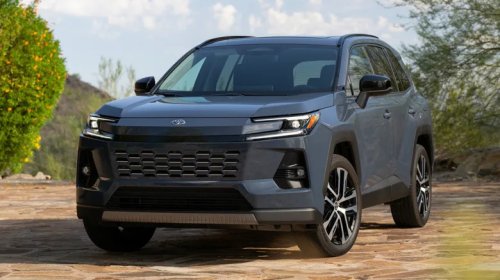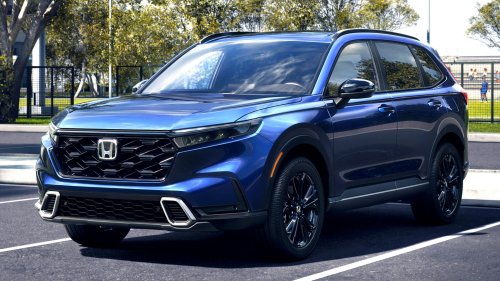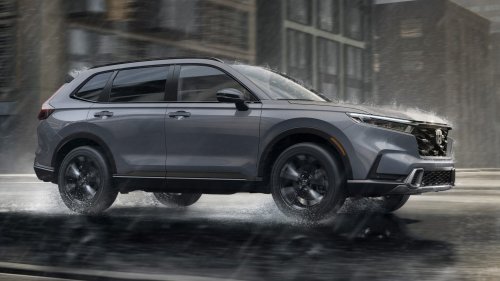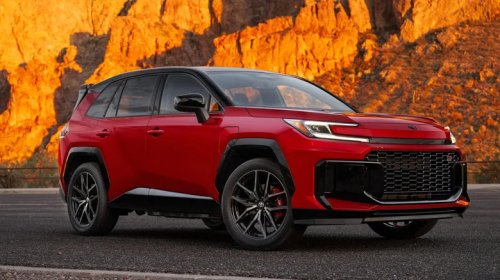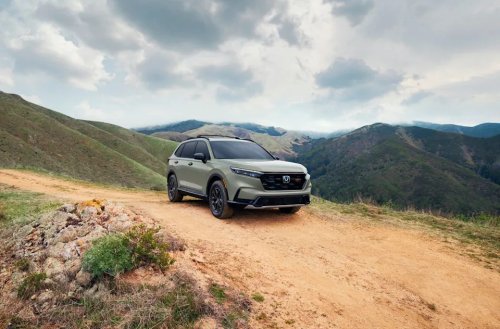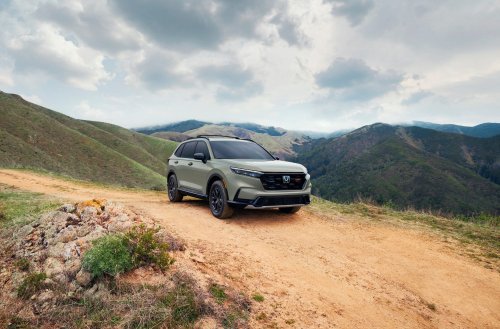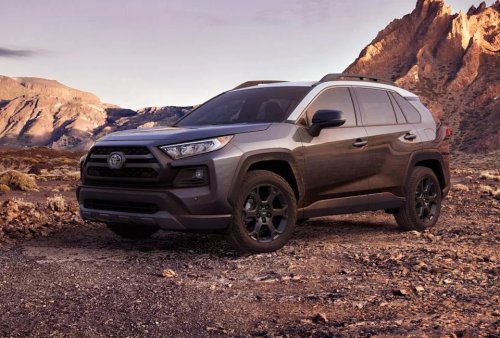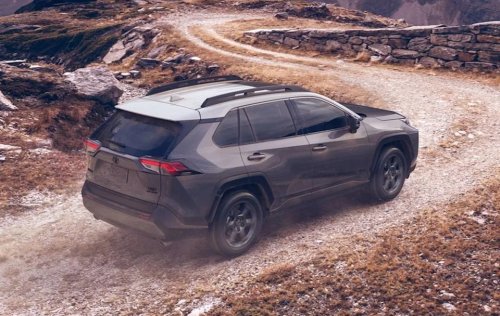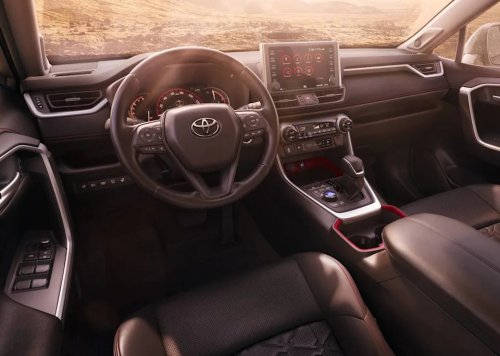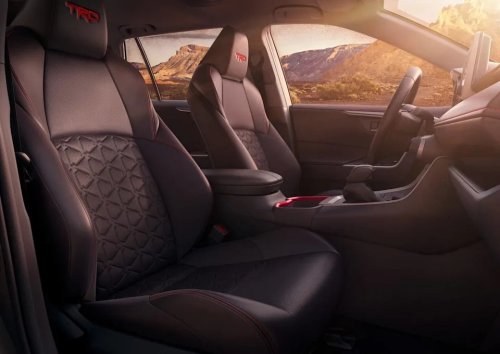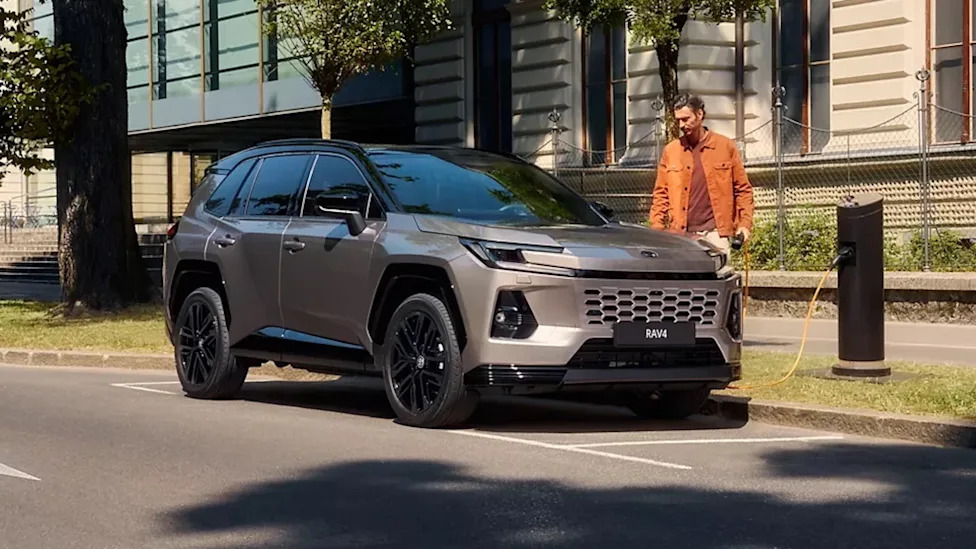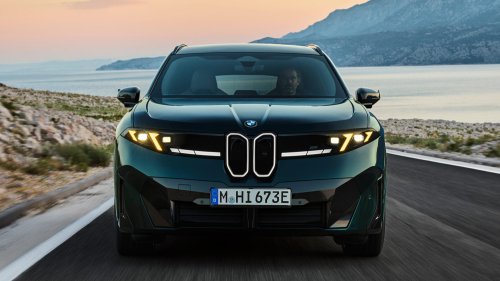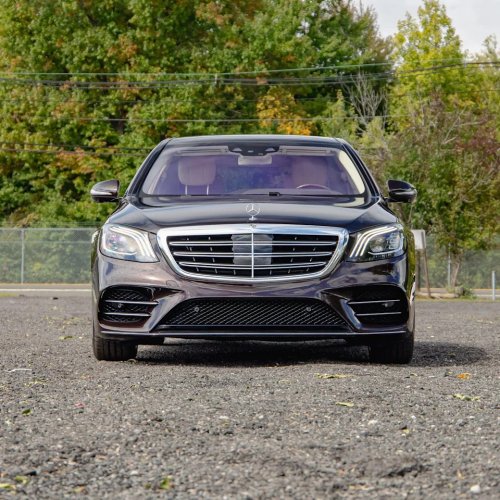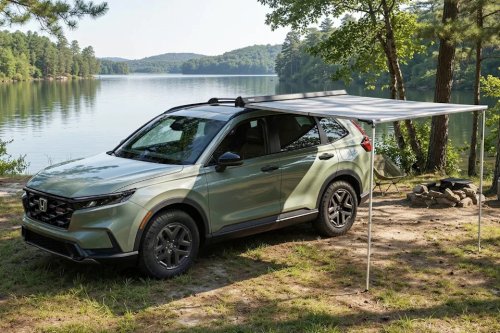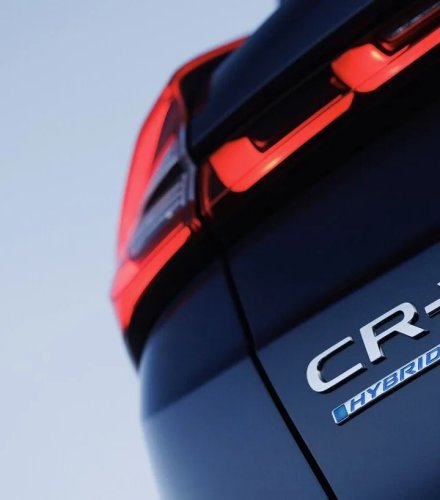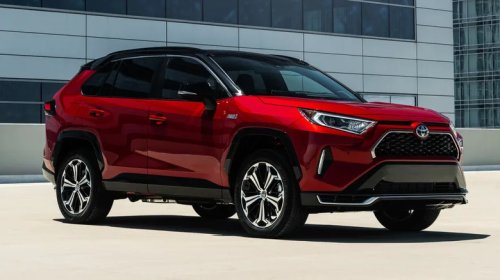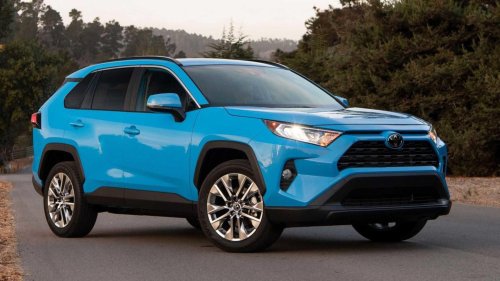
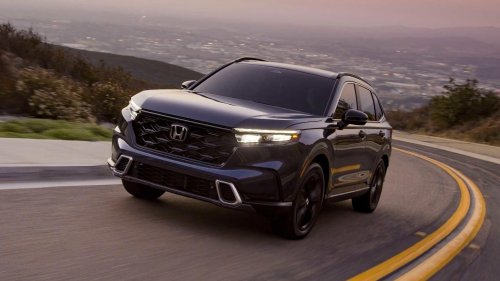
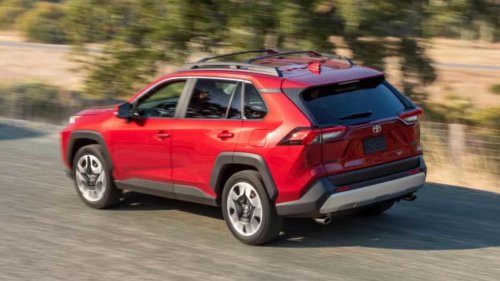
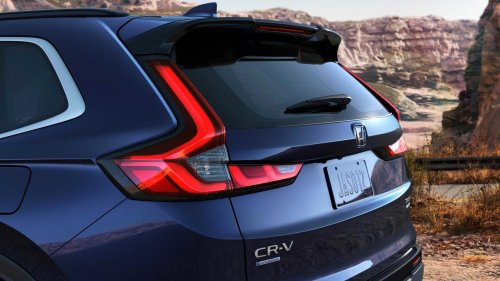
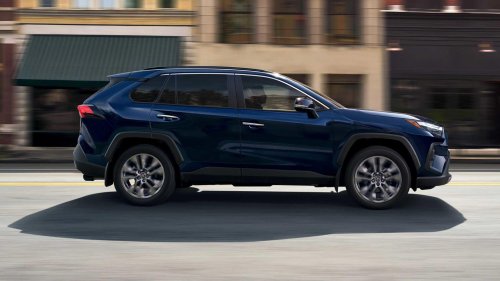
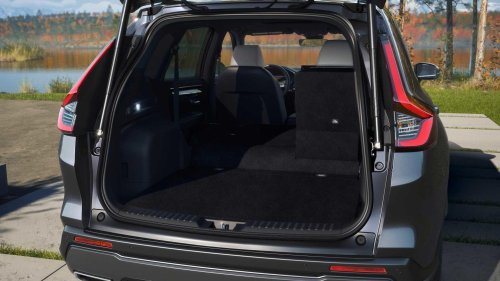



















Jump LinksHonda And Toyota Control The Crossover SUV MarketThese Cars Can Be Moulded To Different DriversValue for money is arguably the most important box that a vehicle needs to check in 2026, given that new cars cost so much. As a result, and partly due to the depreciation that most suffer from, buyers want their new cars to last as long as possible before they have to think about splashing the cash on a replacement. At the same time, they need to make sure their four-wheeled companion of choice can efficiently take care of every task thrown at them.That's why Japanese SUVs in particular have performed so well in the sales charts over recent years, with two models standing out head and shoulders above the rest. Their combined success has been so commanding that just three US-based manufacturers managed to shift more metal across their entire range.This piece compares the sales of the 2025 Honda CR-V and 2025 Toyota RAV4 to other popular automotive brands in the US, in a bid to illustrate just how giant the respective models are. We also investigated the background, technical, and pricing specs of the two offerings to illustrate why they've been so successful. Honda And Toyota's Small SUVs Smashed Pretty Much Everyone Where It Matters Toyota The vehicles in question are the 2025 Honda CR-V and 2025 Toyota RAV4, which performed amazingly when it came time to count the cash at the end of the year. Toyota managed to send off 479,288 examples of its RAV4 during 2025, while Honda wasn't that far behind with 403,768 of its CR-Vs finding new homes. This adds up to an amazing 883,056 units combined, which is a frankly unbelievable performance for just two model lines.To put this success into context, this would put them sixth overall in terms of the overall manufacturer sales across the US during the year. Considering two of the five brands ahead in numbers were Honda and Toyota themselves, that left just Ford, Chevrolet, and Hyundai that could get the better of the CR-V and RAV4s combined performance. With their entire range. What's even crazier is that this figure is significantly higher than the numbers BMW and Mercedes-Benz could muster. Combined. In fact, the two popular premium German marques managed to shift nearly 200,000 fewer cars between them. Talk about printing money. Honda And Toyota Control The Crossover SUV Market Honda It goes without saying that the RAV4 and CR-V are the runaway leaders in the US compact crossover SUV market. Their closest competitor was Chevrolet's Equinox, of which the American brand managed to offload 274,356 units. Other rivals, such as the Hyundai Tucson and Nissan Rogue, fell even further short with 234,230 and 217,896 figures, respectively. The RAV4 And CR-V Aren't Popular By Accident Toyota Of course, it's far from a coincidence that the Japanese crossovers put up such formidable numbers. They combine all the main metrics of finding success in the affordable SUV sector; dependability, being great value for money, and offering a wide range of diverse options that ensure they fit the needs of the vast majority of buyers. While they aren't particularly cheap when compared to their close rivals, seeing as they come with the highest base MSRPs in class, they do come with a wide range of standard equipment that makes them excellent value.Their interiors are also well-designed and well-built, ensuring they can last long-term without worries that they'll fall apart in six months. In addition, they also boast commanding reputations when it comes to mechanical reliability, which is one of the most important boxes to tick when purchasing a daily driver that'll be transporting children and cargo around the place. Buyers know what they're getting with a Honda or Toyota in this regard, so it makes it easier for the vast majority to take the path of least resistance. Crucially, the marque doesn't disappoint its customers in this area, which ensures these heavyweights have kept hold of their reputations. These Cars Can Be Moulded To Different Drivers Honda Another key advantage the likes of the RAV4 and CR-V have is that they are available with hybrid powertrains. While they don't tend to provide much more, if any, pure performance relative to the likes of the Equinox or Rogue, they are much more fuel efficient. The base 2.5-liter RAV4 comes with a handy electric motor to assist things, which provides an average MPG figure of 44. The non-hybrid Equinox and Rogue options can only manage 27 and 32 MPG on average, making them much more expensive at the pumps.It must be noted that brands like Nissan are working on bringing more efficient versions of their crossovers, but Toyota, Honda and Hyundai, courtesy of its Tucson Hybrid, are ahead of the curve right now. Quite simply, more people can see their daily needs fulfilled by the greater versatility of the RAV4 and CR-V ranges, which ensures their money goes in this direction instead. The RAV4 Remains The Daddy Toyota While the CR-V runs Toyota's challenger fairly close in terms of sales, the RAV4 is a step clear of the Honda when it comes to reliability and value for money. There is less to go wrong with the RAV4s simpler naturally aspirated engine, and it's considerably more fuel efficient too. There isn't much to choose between the two when you factor in the standard equipment they get loaded with, with the usual refinements such as climate control, an interactive infotainment system, and a swathe of safety systems being included as standard.The RAV4 does stand out due to being supplied with a hybrid powertrain as standard, whereas you have to pay extra for this on the Honda. The powerplant remains the same across the RAV4 range, with the 2.5-liter unit kicking out 183 horsepower and 163 lb-ft of torque. The entry-level LE front-wheel drive version starts from $31,900, with the traction-boosting all-wheel drive variant costing an extra $1,400. With the cheapest hybrid CR-V starting from over $35k, this puts the RAV4 decently ahead when it comes to value for money, especially as you can expect the Toyota to be more dependable. The CR-V Has Its Strengths Honda While the CR-V is still a fantastic crossover SUV option alongside the RAV4, it mainly suffers when it comes to value for money against its Japanese rival. It's tough to justify the $3,730 premium for the Hybrid CR-V, especially when you bear in mind it comes with around 40 fewer hp and 30 lb-ft less torque, while also lacking 4 MPG when you factor in the average. That said, those who prioritize cabin space may find the CR-V better suited, considering it offers superior rear cabin space, as well as extra cargo storage. While the RAV4 provides 37.8 cubic feet of space with the rear seats up, the CR-V brings 39.3 cubic feet to the table.You can save a little bit of cash relative to the Toyota if you opt for the non-hybrid CR-V LX, which instead packs a turbocharged 1.5-liter four-pot. It's a pokey little unit, with 190 hp being channelled the way of the front wheels. With an MSRP of $30,900, it's around a grand cheaper than the RAV4, but you'll have to give up a full 14 MPG in the process. When it comes to handing over your hard-earned cash for a compact crossover, it's hard to turn your head away from the RAV4. Unless you've got taller children or friends, in which case the Honda's extra rear space could come in handy.Sources: Honda, Toyota.