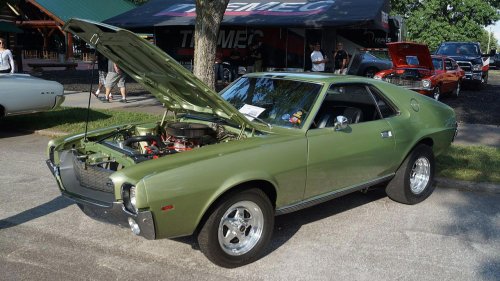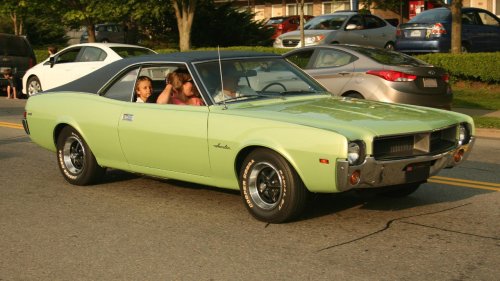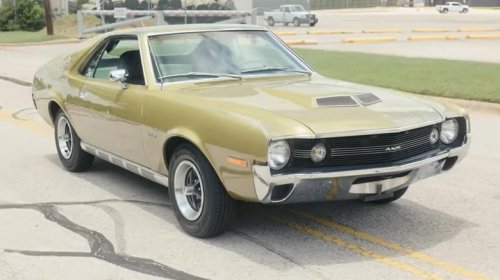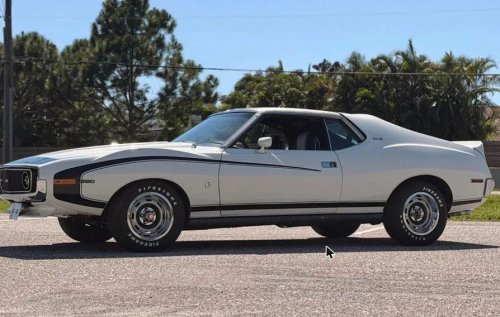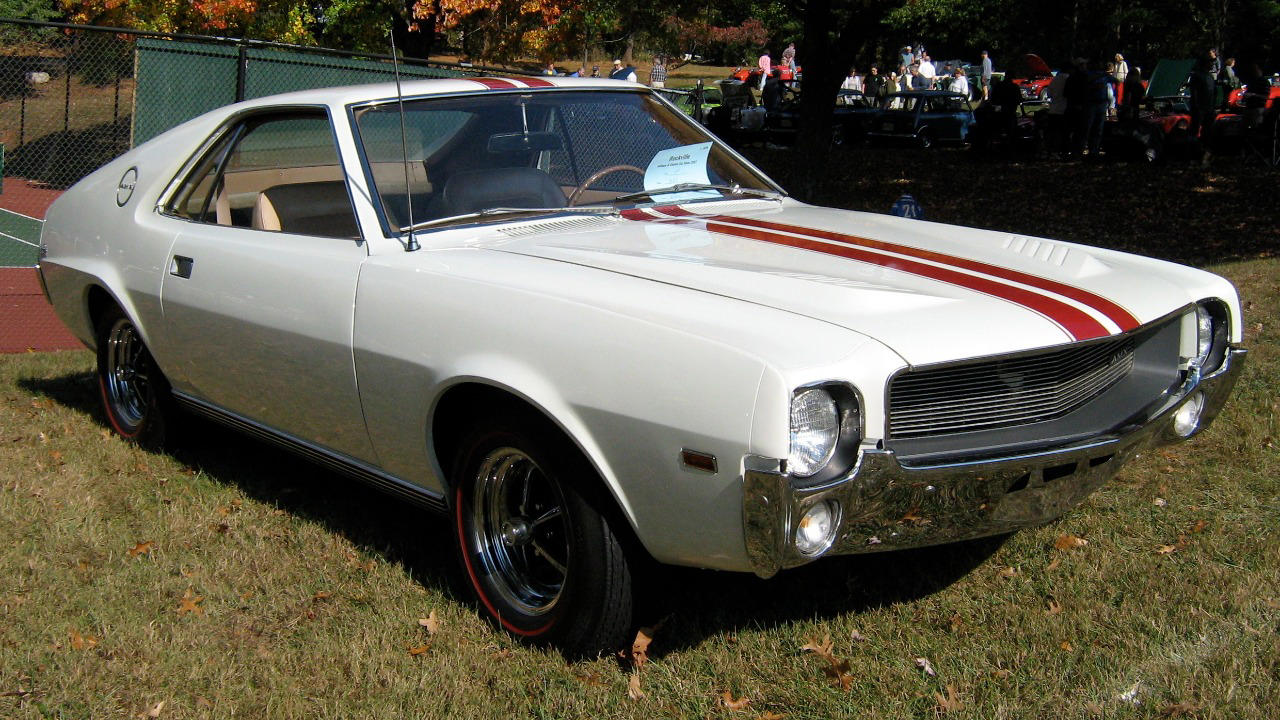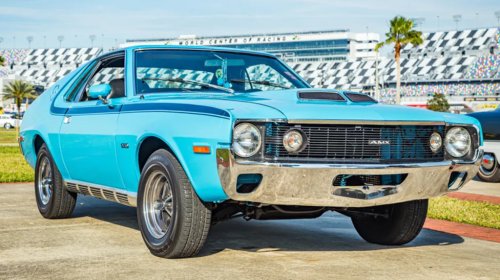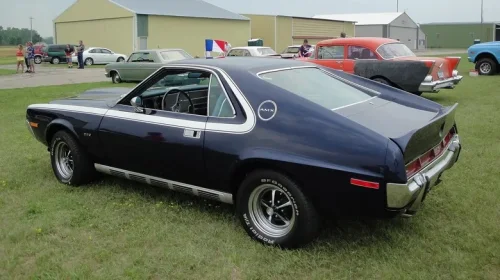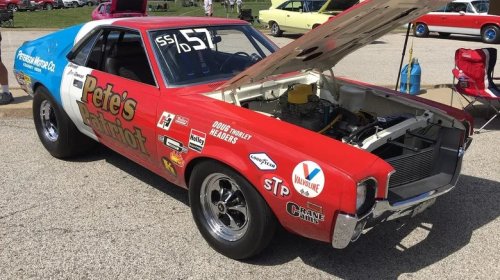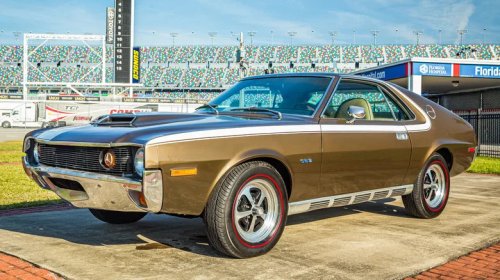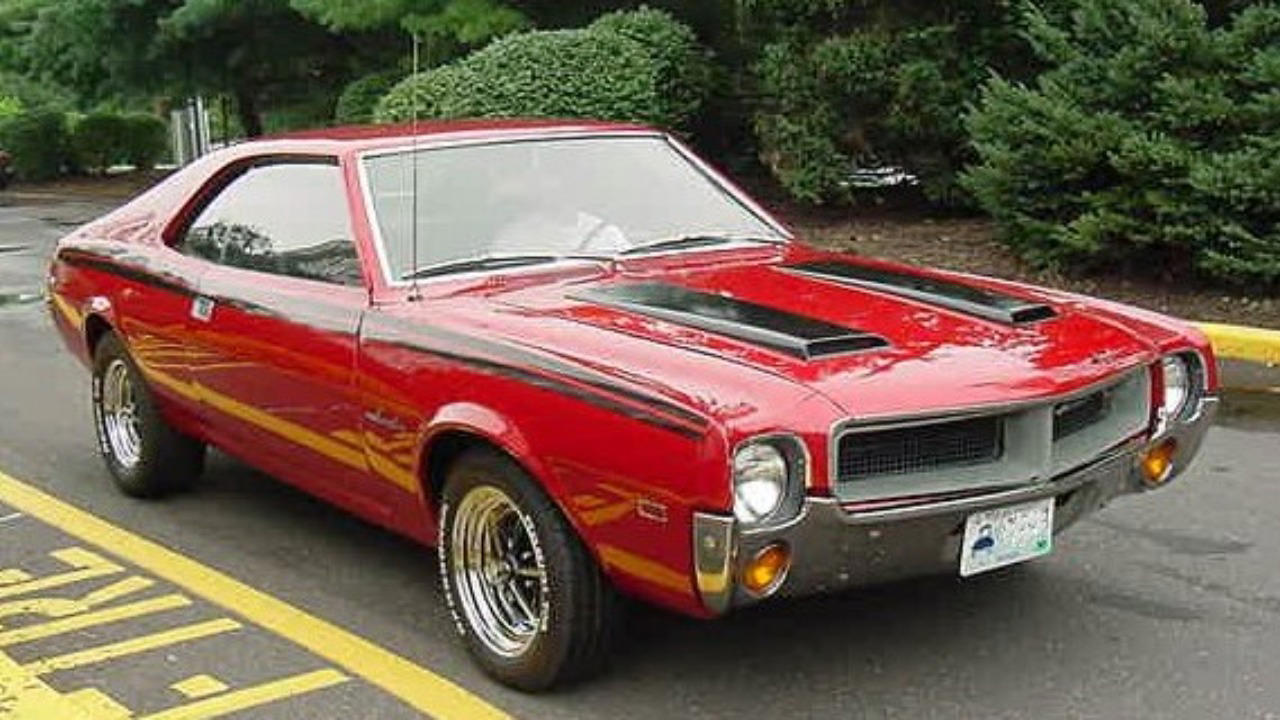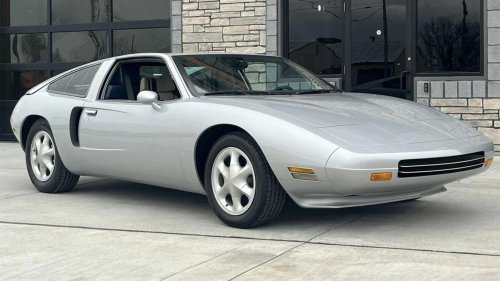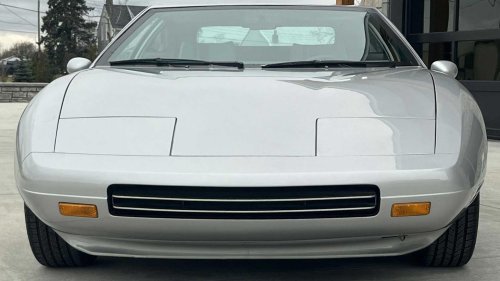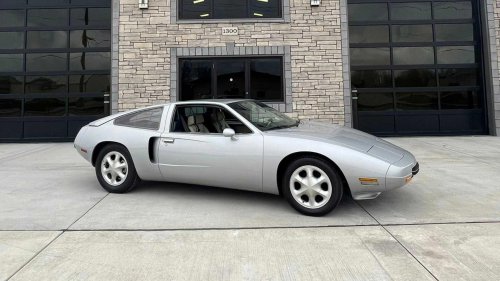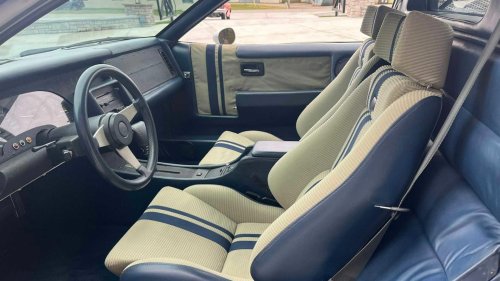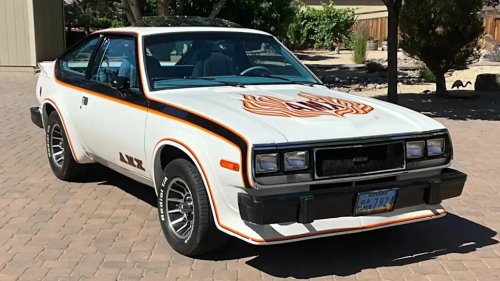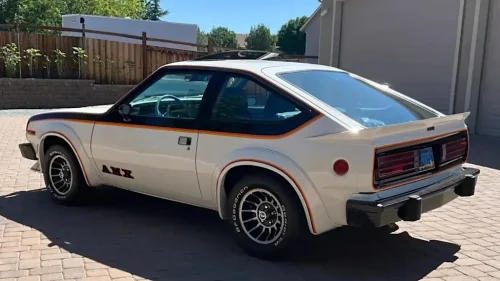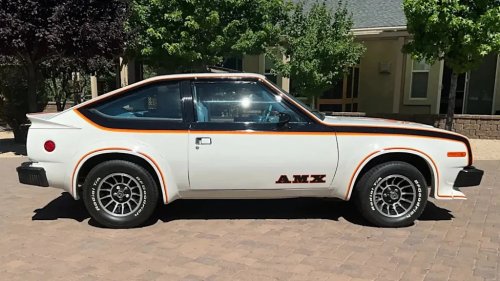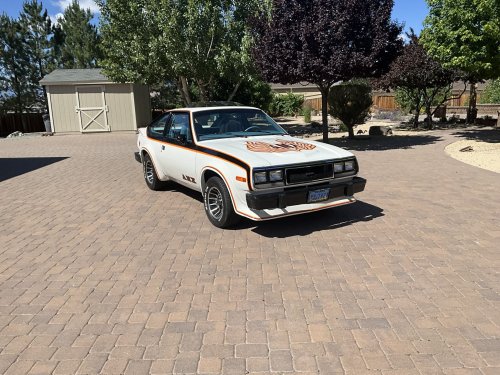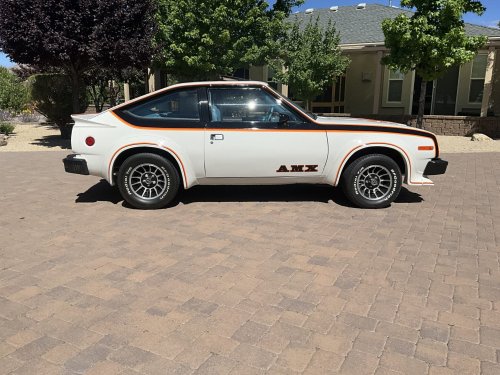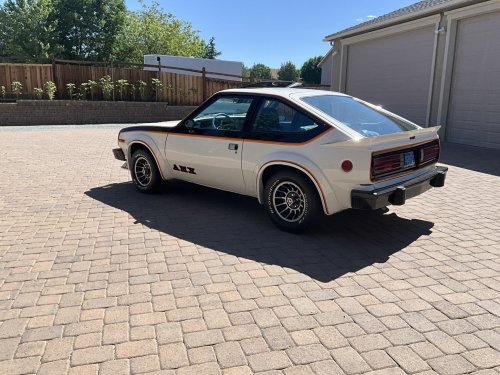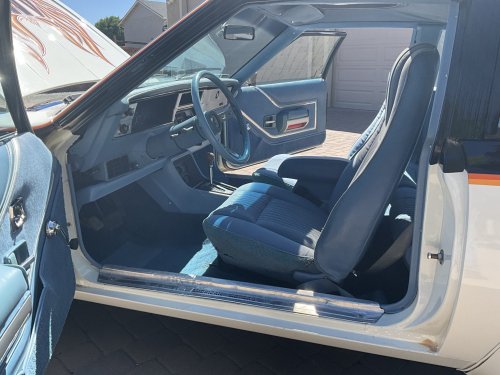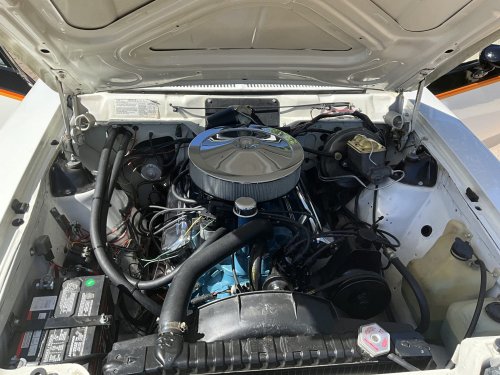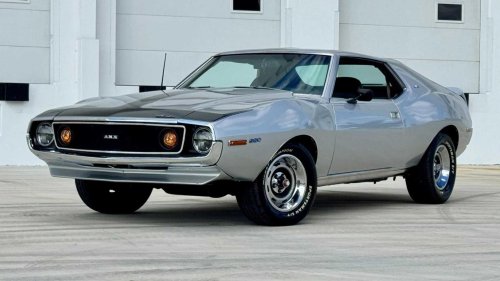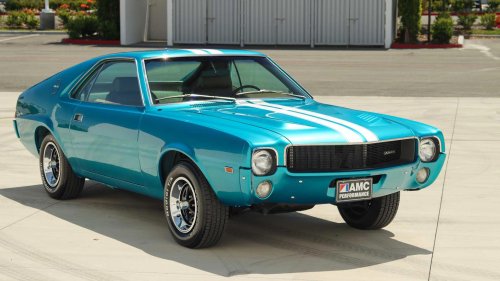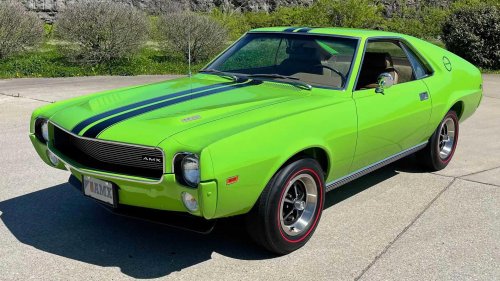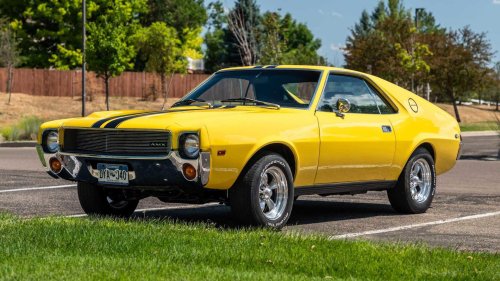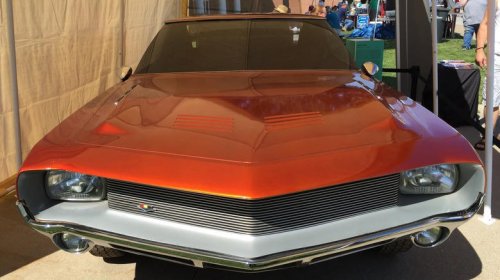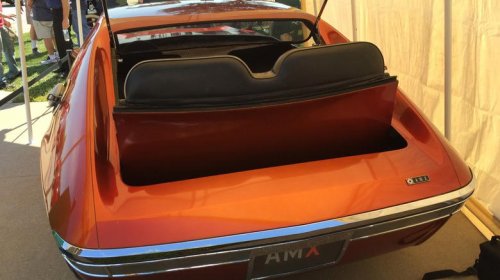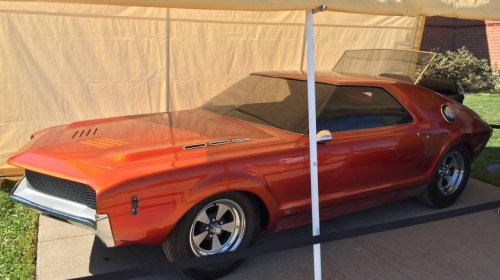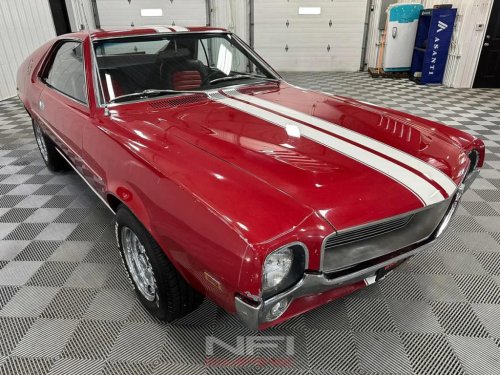
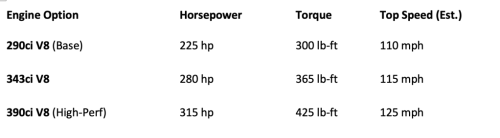
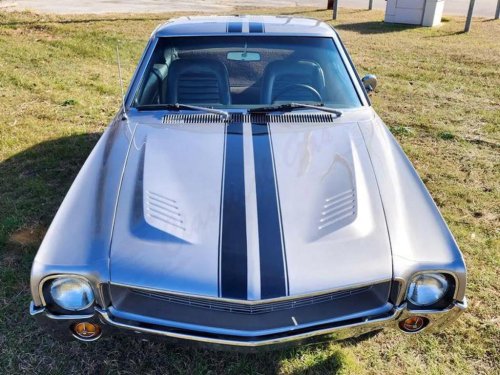
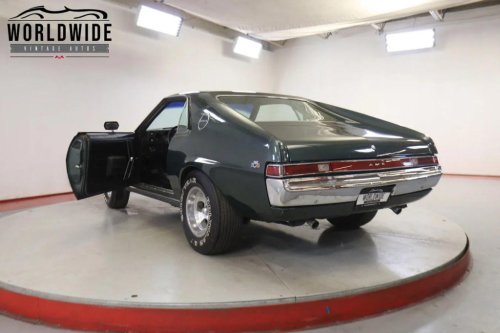


















The 1968 AMC AMX stands as one of the most audacious gambles in automotive history. While the “Big Three” (Ford, GM, and Chrysler) were engaged in a displacement war with increasingly large intermediate cars, American Motors Corporation (AMC) decided to go small, light, and fast. The result was a short-wheelbase, two-seat “muscle missile” that directly challenged the Chevrolet Corvette while remaining affordable for the average enthusiast. The Birth of a Maverick: “American Motors Experimental” The AMX, which stands for American Motors Experimental, officially debuted on February 24, 1968. It was based on the AMC Javelin pony car but featured a wheelbase shortened by 12 inches to a mere 97 inches, which was the shortest of any American V8 muscle car at the time. By deleting the rear seat and shortening the chassis, AMC created a unique Grand Touring (GT) style coupe that was the only other American-built steel-bodied two-seater besides the Corvette. 1968 AMC AMX Specifications and Performance Unlike its competitors, which offered economical six-cylinder engines, the AMX was a V8-only operation from the factory. The flagship 390 cubic-inch V8 transformed the AMX into a genuine threat. It featured a forged steel crankshaft and connecting rods for durability. When paired with the standard BorgWarner T-10 four-speed manual transmission, the 390 AMX could sprint from 0-60 miles-per-hour in roughly 6.6 seconds, completing the quarter-mile in 14.8 seconds. Engineering and Handling: The “Go Pack” Advantage The AMX wasn’t just a straight-line bruiser; its lightweight construction (approx. 3,100 lbs) and short wheelbase made it remarkably nimble. To further sharpen its edge, many buyers opted for the “Go Package,” which included power-assisted front disc brakes, heavy-duty suspension with thicker sway bars, a twin-grip limited-slip differential, and E70x14 red-stripe performance tires on six-inch wide steel wheels. Design: Bold Styling for a New Era Designed by the legendary Dick Teague, the AMX featured a long hood, a short rear deck, and aggressive fastback styling. Key visual elements included twin hood bulges (or power blisters), a split front grille and heavy wrap-around bumpers, and fixed rear quarter windows, distinguishing it from the Javelin hardtop. The interior of every 1968 model built after the first 550 also received a unique dash plaque with a unique serial number (000001 to 006175). Legacy and Collector Value AMC produced only 6,725 units for the 1968 model year, making it a relatively rare find today. Its success wasn’t just in sales but in image; the AMX set 106 world speed and endurance records at Bonneville with driver Craig Breedlove, proving AMC could compete at the highest levels of performance. Today, the 1968 AMC AMX is a highly sought-after classic. Pristine models, especially those with the 390 engine and “Go Pack,” can reach values between $25,000 and $80,000 or more depending on provenance and condition. The post The Corvette Killer from Kenosha: How the 1968 AMC AMX Redefined American Muscle appeared first on The Online Automotive Marketplace.