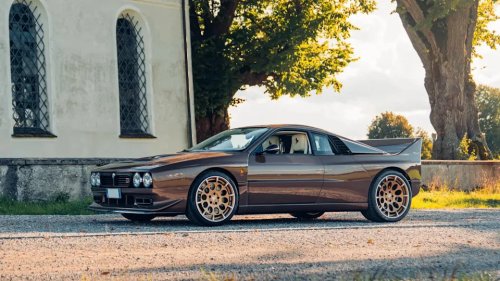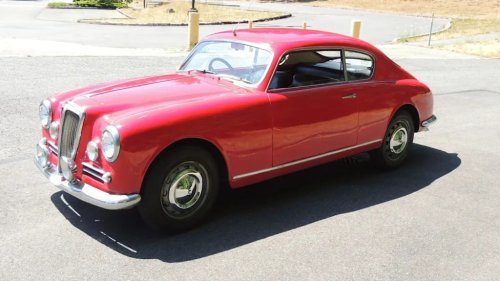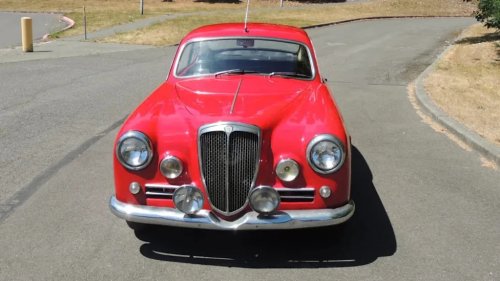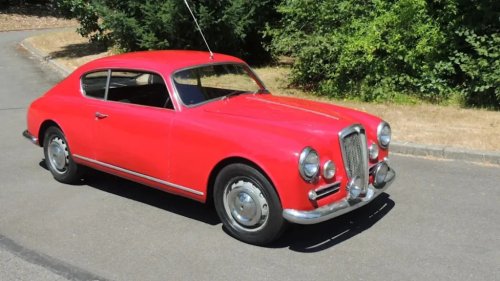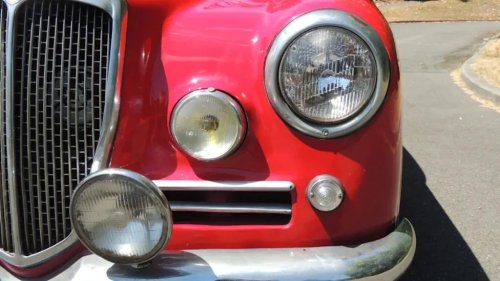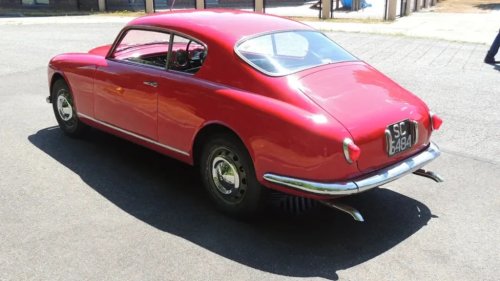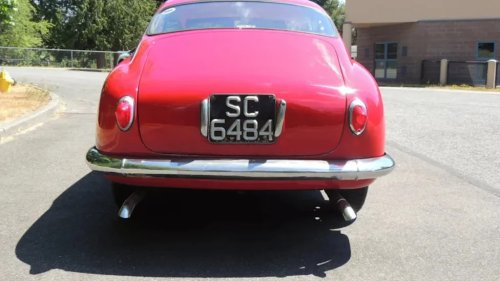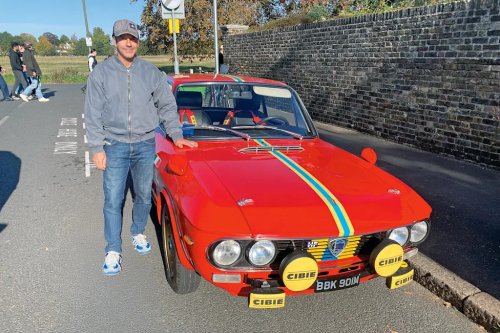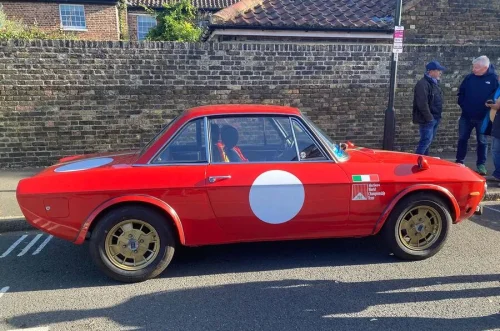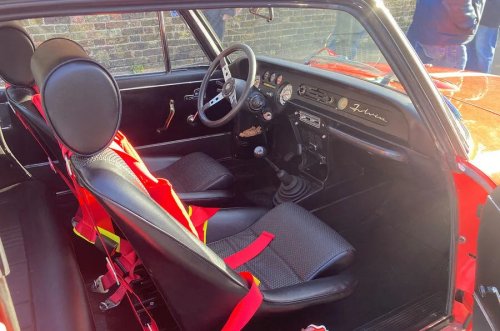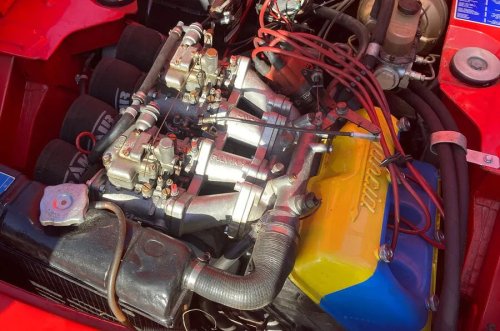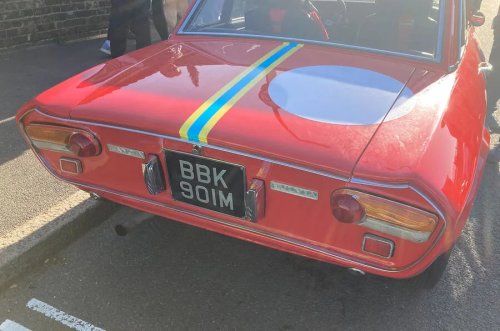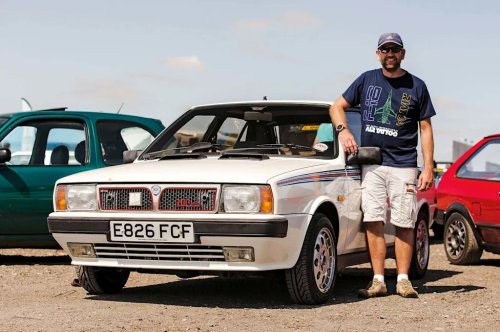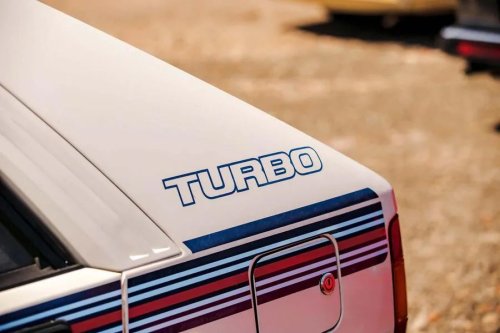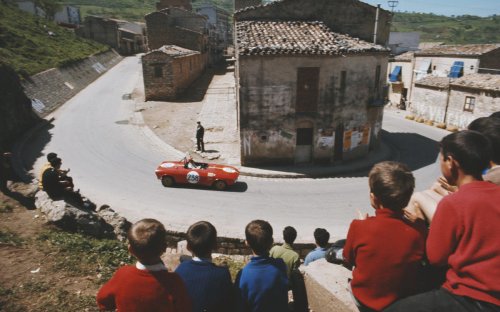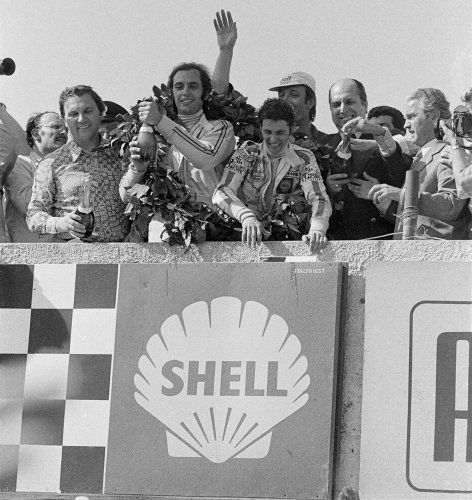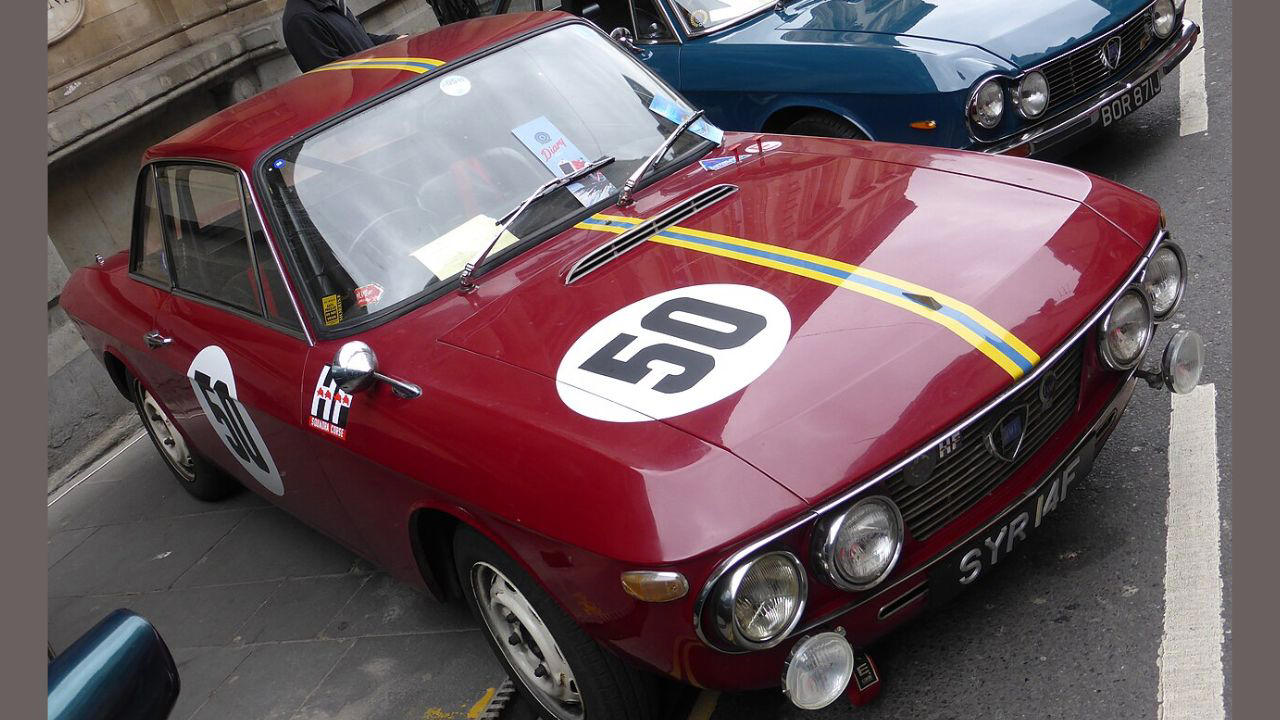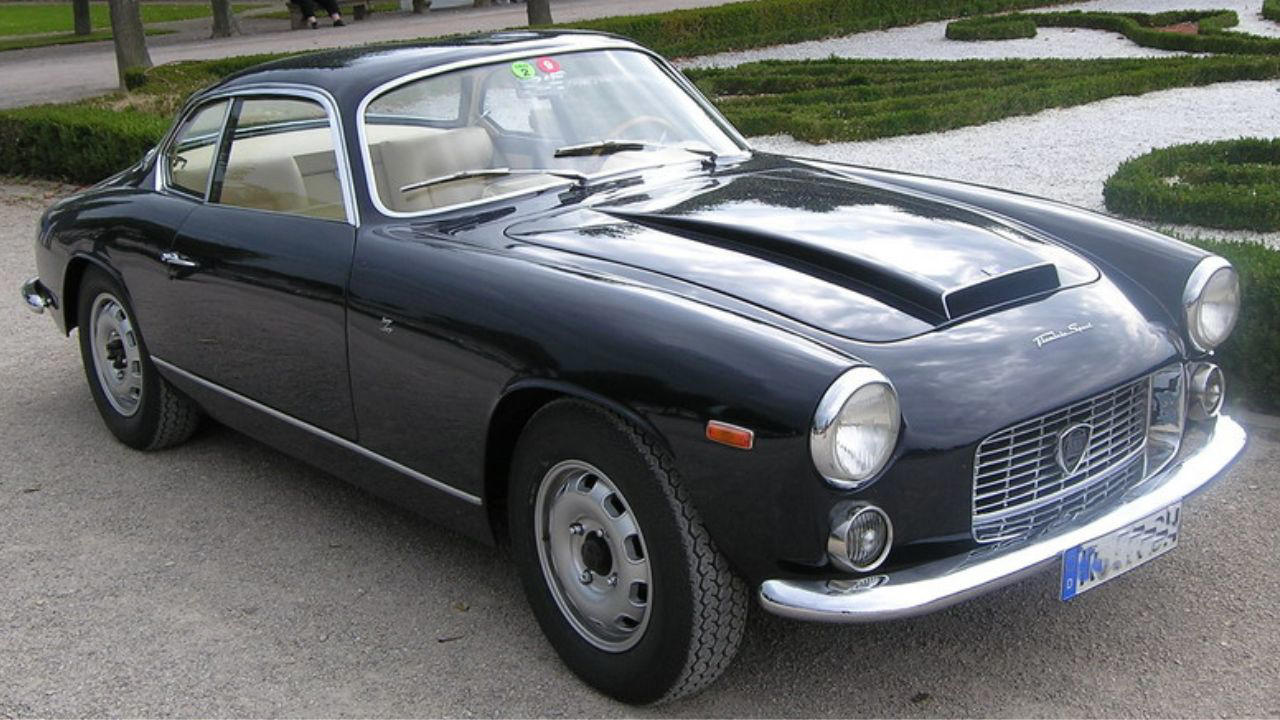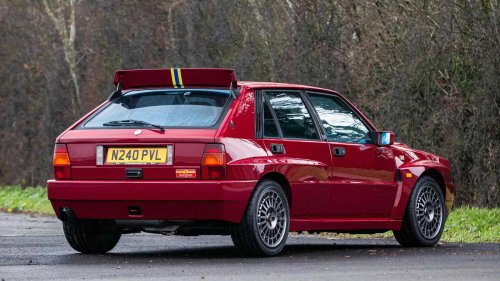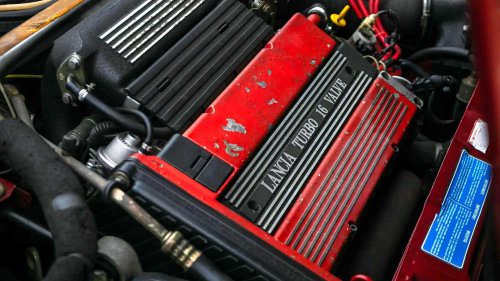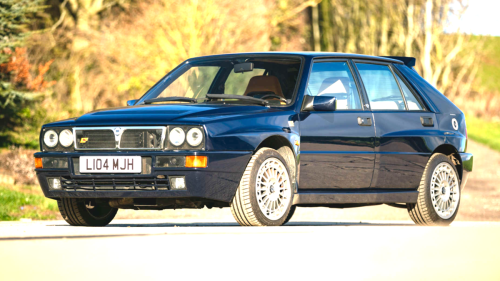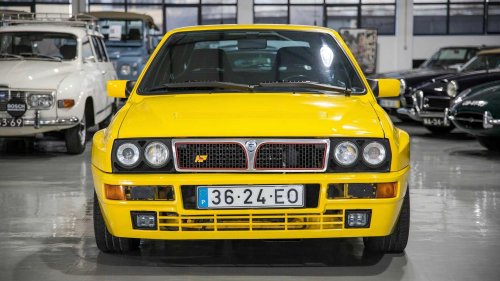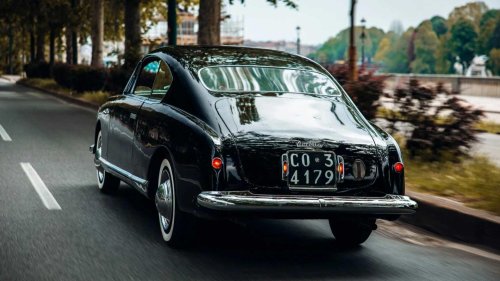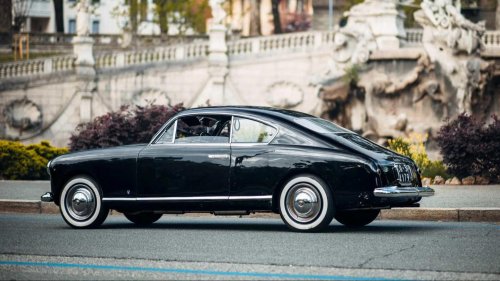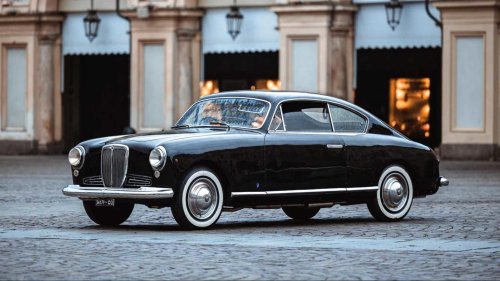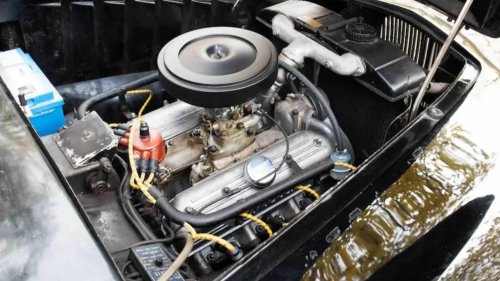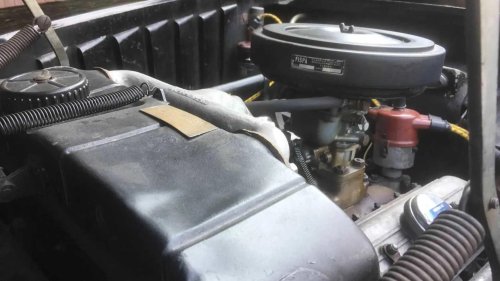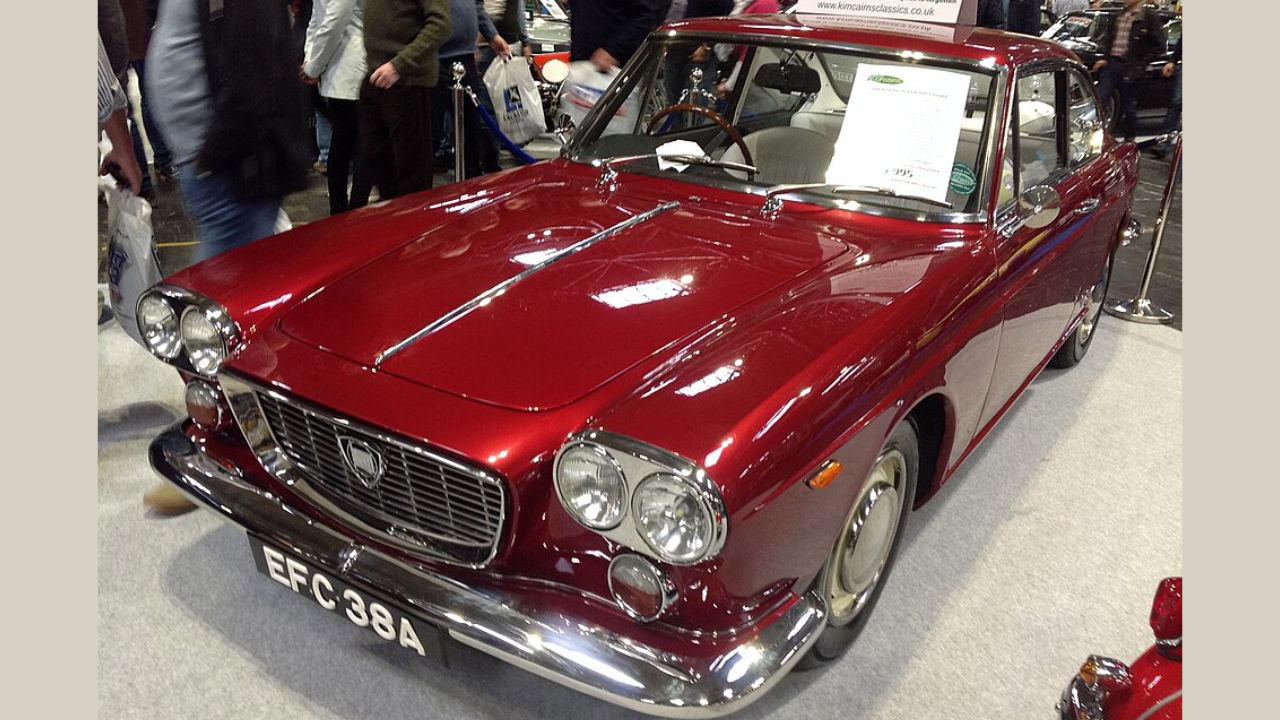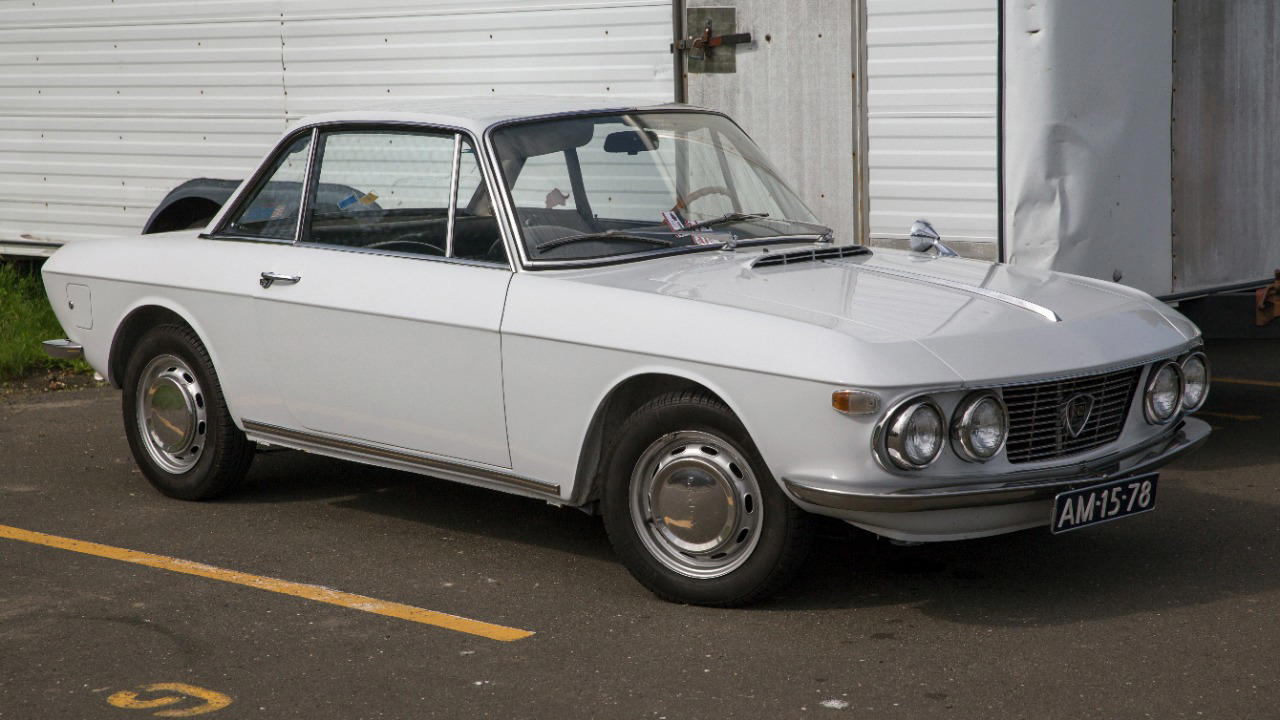



















At first overlooked the 1968 Lancia Fulvia proved itself in competitionIn the late 1960s, Lancia’s compact coupé seemed destined to live in the shadow of bigger, louder rivals. The 1968 Lancia Fulvia arrived as a neat, front-drive curiosity rather than an obvious champion, its narrow-angle V4 and tidy proportions a world away from the brutish machines that usually dominated special stages. Yet within a few seasons, the Fulvia had rewritten expectations, turning initial skepticism into respect and securing a place among rallying’s most influential cars. The story of how this understated 1968 model evolved from overlooked outsider to competition benchmark is more than a tale of trophies. It is also a case study in clever engineering, shrewd motorsport strategy, and the enduring appeal of a car that still feels more sophisticated than its modest size suggests. From Via Fulvia to rally stages The Lancia Fulvia, internally coded Tipo 818, took its name from Via Fulvia, an ancient Roman road that linked northern Italy to the Adriatic. The reference was deliberate. Lancia wanted a car that could connect everyday driving with long-distance speed, and the resulting package blended family-car practicality with sports-car intent. The Lancia Fulvia arrived as a compact sedan, then quickly evolved into the sharper Fulvia Coupé that would form the basis of the 1968 competition cars. Unlike many rivals that relied on big-displacement engines, the Fulvia used a narrow-angle V4 that sat neatly ahead of the front axle. The Fulvia’s compact engine layout, highlighted in period technical guides on The Fulvia, allowed a low bonnet line and helped the coupé achieve a distinctive, almost delicate stance. That elegance hid serious intent. Lancia had already shifted its motorsport focus from Formula One to rallying, and by the mid 1960s the Fulvia had become the brand’s primary weapon on rough roads and mountain passes. Why the 1968 Fulvia seemed easy to underestimate By 1968, the rally world still tended to equate success with raw power and rear-wheel-drive theatrics. Against that backdrop, a small front-drive coupé with a modest-capacity V4 did not immediately command fear. Contemporary coverage often described the car as tidy and well mannered rather than ferocious, and early on, rivals treated the Fulvia as a neat curiosity rather than a title threat. The 1968 Fulvia Coupé, especially in Rallye 1.3 and HF forms, looked almost too refined for the job. Its cabin felt closer to a small GT than a stripped-out racer, and the car’s compact footprint made it appear fragile next to big sedans and sports cars. Yet that apparent fragility masked a robust structure and a front-drive layout that would soon prove ideal for slippery tarmac and snowbound climbs. Collectors who drive cars like the 1968 Launcher Folvia featured by Tor Khaled and on YouTube describe how the 1.3 engine and light steering combine to make the car feel nimble rather than intimidating, a character that initially led some to question its toughness in full-bore competition. That early doubt would not last long. The engineering that quietly stacked the odds Under the understated bodywork, the Fulvia’s engineering gave Lancia’s competition department a strong foundation. The narrow-angle V4 allowed the engine to sit low and close to the car’s centerline, which helped weight distribution and kept the center of gravity down. In the 1968 Fulvia Coupé Rallye 1.6 HF, that engine grew to a 1.6-liter unit, and in its most aggressive tune it produced up to 132 horsepower, a significant figure for a small-capacity engine of the era. Suspension tuning further sharpened the package. Period competition versions of the Fulvia used firm spring and damper settings to keep the car flat through corners, while disc brakes all round provided strong stopping power. The front-drive layout gave the Fulvia a traction advantage on loose or wet surfaces, allowing drivers to carry speed through bends where rear-drive rivals struggled for grip. The Fulvia Sport, developed with Zagato, pushed the engineering concept even further. The Fulvia Sport was Penned by Ercole Spada at Zagato, and the resulting Fulvia Sport used lightweight, aerodynamic bodywork that was born with competition in mind. Later commentary on the 1968 Lancia Fulvia Sport 1300 Competizione describes how its OHC narrow-angle V4 and independent suspension created a nimble, high-revving machine, ideal for hillclimbs and circuit work as well as rallies. How Lancia turned a family coupé into a serial champion Lancia’s competition department did not treat the Fulvia as a side project. After leaving Formula One, the company redirected its engineering and budget toward rallying, and by 1965 a revamped Fulvia was already making its presence felt on the stages. Accounts of the period describe how the Fulvia’s rally versions began to dominate the Italian Rally Championship, with Fulvia entries winning the Italian Rally Championship every year from 1965 to 1973 and also capturing the WRC’s International Championship for Manufacturers. The transformation from underdog to serial winner accelerated through the late 1960s. A 1968 Fulvia entry could already point to a growing list of domestic titles, and by the early 1970s the car had stepped onto the world stage. The Monte Carlo Rally became the defining moment. By winning the Monte Carlo Rally in 1972, the Lancia Fulvia boosted enthusiasm for the Lancia brand and laid the foundations for the company’s later dominance with models like the Stratos, 037, Delta and Delta Integrale. That Monte Carlo victory did more than deliver silverware. It proved that a relatively small, front-drive coupé could beat larger, more powerful rivals on one of the sport’s most demanding events. The win also validated Lancia’s decision to invest heavily in rallying and demonstrated that the Fulvia’s engineering concept was not just clever on paper but devastatingly effective on icy mountain passes. Competition Fulvias and the art of subtle aggression Visually, competition Fulvias did not shout about their intent. Period descriptions note that Competition Fulvias often ran without bumpers, which were removed to save weight and improve approach angles on rough stages. In their place, teams typically fitted a pair of large auxiliary headlights, often twin Carell units, that gave the cars a purposeful, wide-eyed stare on night stages. Those details, captured in profiles of Competition Fulvias, summed up the car’s character: modest in silhouette, but serious in execution. Under the skin, the works cars received incremental upgrades that kept them competitive as rallying speeds increased. Stronger suspension components, close-ratio gearboxes and ever more focused engine tunes all appeared through the late 1960s. Yet the basic architecture of the Tipo 818 chassis and the narrow-angle V4 remained intact, a sign that Lancia’s original concept had been sound. Privateer teams also embraced the Fulvia, attracted by its combination of reliability and agility. Period entry lists for events such as Montecarlo show multiple Fulvia Coupés finishing strongly, including class wins and a Team Prize, with Production Touring Class success reinforcing the model’s reputation for durability as well as speed. The Fulvia Sport Zagato, the overlooked thoroughbred Alongside the mainstream coupé, the Fulvia Sport line added a more exotic twist to the story. The Lancia Fulvia Sport Zagato arrived with a low, fastback profile and distinctive detailing that made it look more like a small Italian GT than a rally car. Modern assessments describe Lancia Fulvia Sport as an oddball classic, often overlooked among its contemporaries despite its competition-friendly design. The Fulvia Sport’s alloy-intensive bodywork, penned by Ercole Spada, shaved weight and improved aerodynamics. In 1300 Competizione form, the car combined that slippery shape with a tuned V4 and uprated suspension, creating a machine that was as happy attacking mountain stages as it was lapping circuits. Yet because the more conventional Fulvia Coupé took most of the high-profile rally wins, the Zagato-bodied variant remained something of a connoisseur’s choice. Today, that relative obscurity adds to its appeal. Collectors see the Fulvia Sport as a rare expression of the same engineering that made the standard car a champion, wrapped in bodywork that stands apart from more familiar Italian classics of the period. From first great rally car to legend status Looking back from the vantage point of Lancia’s later icons, the Fulvia’s impact becomes clearer. Long before the wedge-shaped Stratos or the turbocharged 037 and Delta Integrale arrived, the Fulvia had already established Lancia as a rallying powerhouse. Retrospectives on Cars such as the Stratos and Delta consistently identify the Fulvia as Lancia’s first great rally car, the model that taught the brand how to win consistently on gravel and tarmac. The car’s record supports that view. The Fulvia’s string of Italian Rally Championship titles, its International Championship for Manufacturers success and the landmark Monte Carlo win together created a template that later Lancia teams would follow. The company refined the idea of a purpose-built rally car with the Stratos, then pushed turbocharging and four-wheel drive with the 037, Delta S4 and Delta Integrale, but the confidence to pursue those radical projects began with the modest Fulvia. Enthusiast-focused analyses of Fulvia history often highlight how the model bridged the gap between family car and sports car. The sedan variants offered everyday practicality, while the coupé and HF versions delivered genuine performance. That dual character helped Lancia sell enough road cars to justify ongoing motorsport investment, a virtuous circle that many later manufacturers tried to replicate. How enthusiasts rediscovered an “undervalued” classic For years, the Fulvia remained relatively affordable compared with other rally-bred Italian cars. Some commentators even labelled it the most undervalued classic in the world. In one widely shared video, Jack and his number 27 channel introduce viewers to what he calls the last real Lancia, as he drives a Fulvia and explains why its build quality and character feel more hand-crafted than many later models. That film, available at Jack and, helped a new generation of enthusiasts see the Fulvia as more than a footnote in rally history. Other content creators have echoed that sentiment. Reviews of individual cars, such as 1968 Fulvia Rallye 1.3 S examples showcased by Tony Fleming from Fleming’s Ultimate Garage, emphasize how the car’s light controls and rev-happy engine make it a joy on modern roads. Meanwhile, long-term owners interviewed on channels like Down at the Barnes, filmed in locations such as Lello with enthusiasts like Tony, describe the Fulvia as a car that encourages frequent use rather than static display. As awareness has grown, so has appreciation of the Fulvia’s engineering details. Guides that open with phrases like Did You Know often highlight how unusual the narrow-angle V4 was for its time, and how that technical curiosity translates into a distinctive driving experience. The combination of historical significance and everyday usability has begun to push values upward, particularly for well-documented 1968 cars and high-spec HF models. The Fulvia’s place in Lancia’s rally dynasty Set against the full sweep of Lancia’s rally history, the Fulvia occupies a foundational role. The brand’s later dominance with the Stratos, 037, Delta and Delta Integrale often grabs the headlines, but those cars emerged from a culture that the Fulvia helped create. By proving that a relatively small, technically sophisticated car could beat more powerful rivals, the Fulvia encouraged Lancia’s engineers to think creatively rather than simply chase displacement. More from Fast Lane Only Unboxing the WWII Jeep in a Crate 15 rare Chevys collectors are quietly buying 10 underrated V8s still worth hunting down Police notice this before you even roll window down