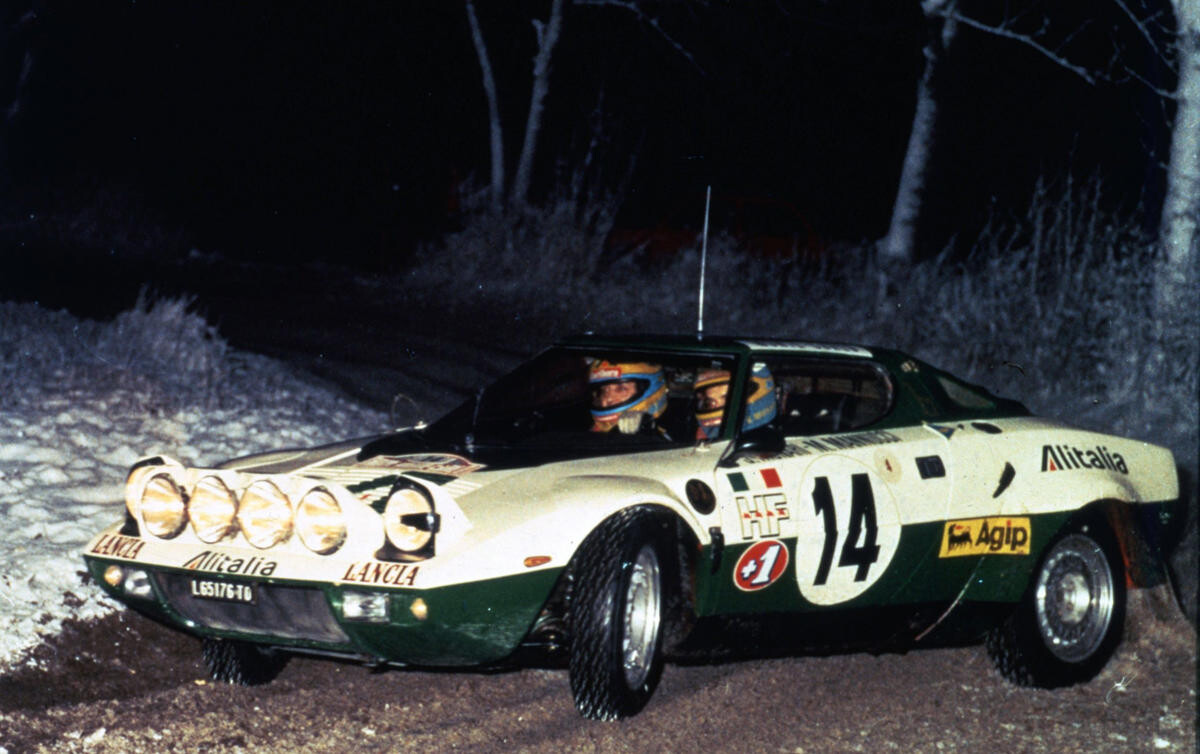
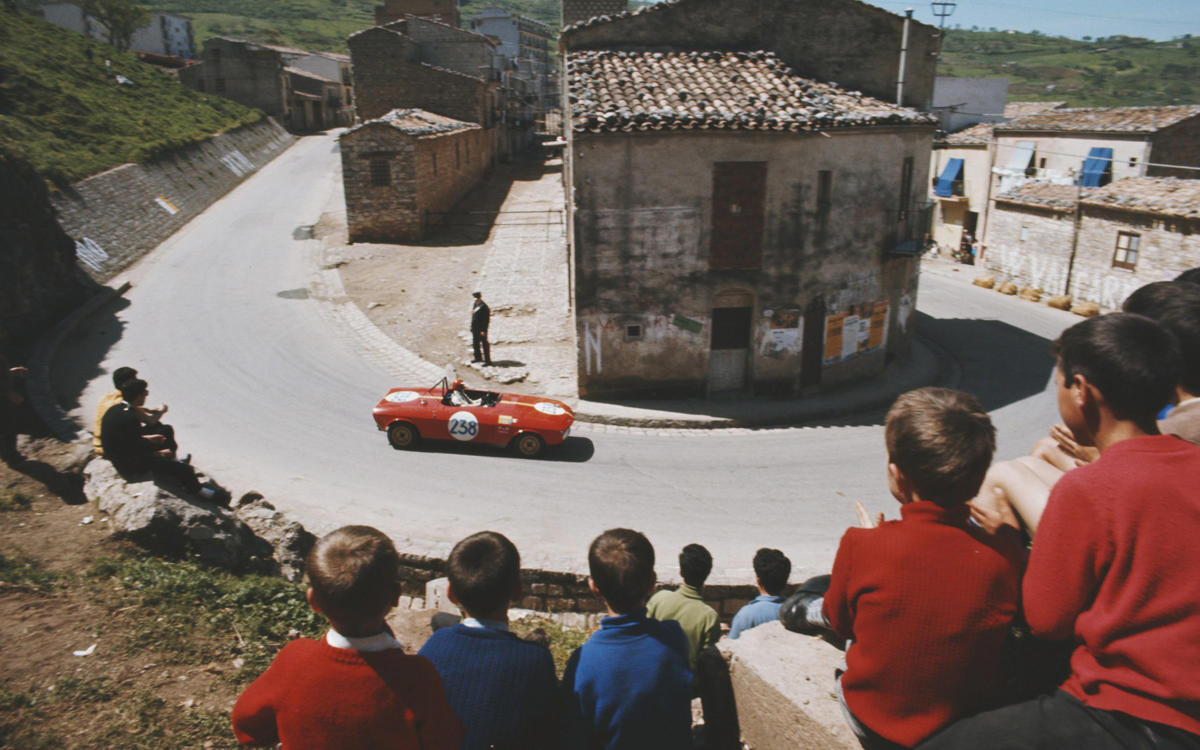
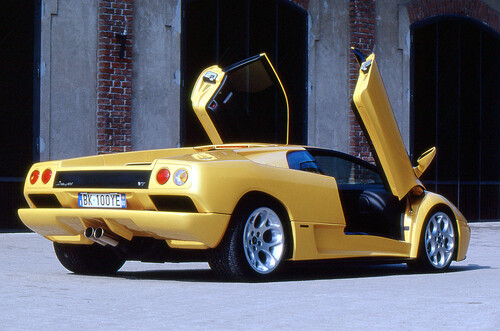
Sandro Munari during the Safari Rally Kenya in 1984 - LAT ImagesSandro Munari, who has died aged 85, was one of the first global stars of rallying and was hugely popular in Great Britain through his exploits at the wheel of the Lancia Stratos; in Italy he was known as Il Drago, “the Dragon”.Munari helped to make Lancia the most successful brand in the history of rallying. Legend has it that in 1973 he turned down a seat in Formula 1 with Frank Williams to focus on rallying, but the truth was that Lancia refused to let their star driver take the risk.The Stratos, built by Lancia’s in-house rally unit HF Squadra Corse as a successor to the Fulvia, was a supercar born from a design specifically intended to race and rally. Futuristically sleek in styling, lightweight, and powered by a Ferrari-supplied engine, the Stratos was the first of a new breed of rally cars that would lead to the World Rally Championship supercars and the infamous Group B rallying era of the 1980s, when minimal design restrictions gave the cars immense power but led to a succession of crashes.Munari in his Lancia Stratos HFMotorsport enthusiasts thrilled to the sight of Munari’s tail-happy Stratos HF, resplendent in Alitalia tricolour livery, howling through high-speed stages of Britain’s notoriously muddy Lombard RAC Rally and spitting fire from its exhausts. With a driving style that was fast but never furious, Munari would “catch” the car with opposite lock applied from the steering wheel as the dancing Stratos gyrated from oversteer. As he flew through rally stages, the Stratos often had all four wheels off the ground.Alessandro Munari was born on March 27 1940 into a farming family in Cavarzere, near Venice. He watched the first postwar road races near his home aged seven; by the age of 12 he was creating home-built go-karts. He damaged his father’s Fiat 1100 while learning to control oversteer, but karting success soon followed.In 1964 Arnaldo Cavallari, the reigning Italian rally champion, took the young Munari on as his co-driver and navigator in an Alfa Romeo Guilia Super for the Jolly Club Team.The following year Munari made his European Rally Championship debut in Finland in 1965 as co-driver in the Lancia Flavia, and finished second in his class at the 1966 12 Hours of Sebring race in Florida.Making Lancia’s lithe new Fulvia his own, the tall, reticent Italian soon graduated to lead driver, and secured the Italian Rally Championship in 1967 and 1969 – beating his mentor, Cavallari.In 1972 Munari claimed his first victory at the Monte Carlo Rally in the faster Fulvia 1600 HF 1.6 Coupé. His co-driver was Mario Mannucci, with whom he forged a long-lasting sporting relationship, and the pair followed up by winning the 1973 European Rally Championship.Munari’s talent came to the attention of Enzo Ferrari, “Il Commendatore” of Italian motor sport, and with Lancia’s permission he offered Munari a powerful Ferrari 312PB, which he raced to victory in the 1972 Targa Florio race.Enzo Ferrari decided to supply his Ferrari V6 Dino engine to Lancia for its forthcoming Stratos supercar; Munari was part of the deal as test driver.Munari in his Lancia Fulvia during the Targa Florio in 1969 - Rainer Schlegelmilch/Getty ImagesIn 1973 the new Stratos was an immediate success in Munari’s hands. That year Munari was offered a drive in Formula 1, for the South African Grand Prix. To the shock of many, he turned the opportunity down under orders from Lancia, and the next year delivered Lancia’s first World Rally Championship victory, at the Sanremo Rally.Munari went on to make the Monte Carlo Rally his own, claiming four wins in the Stratos, including three in succession between 1975 and 1977, with co-driver Silvio Maiga. Munari was also the first Italian driver to win the FIA Drivers’ Cup, in 1977.He later competed in the Fiat 131 and then undertook a final phase that included driving an Alfa Romeo GTV6 in the 1983 East African Safari Rally, piloting a Dodge Ramcharger, a Porsche 911, and finally, in 1984, a Toyota Celica.He then worked for Lamborghini and attempted to develop the ungainly LM002 4x4 sports utility truck, but with little success. He helped develop the Diablo V12 and in 1994 took a Diablo to Australia for the Targa Tasmania race.Munari cracks open the champagne, alongside his co-driver Arturo Merzario, after winning the Targa Florio in Sicily in 1972 - Klemantaski Collection/Getty ImagesMunari retired as a national hero in Italy, his face adorning advertisements from tyres to watches. Massimo Biasion, Lancia’s world champion in 1988 and 1989, described Munari as a giant of the sport and as his “mentor and inspiration”.Latterly Munari worked as a commentator and television presenter. In 2007 he published an autobiography, Una Vita di Traverso (“A Life Sideways”), with Sergio Remondino.A man of faith, Munari survived two brushes with death: a 1968 crash in Macedonia, which killed his co-driver Luciano Lombardini, when they were hit by an errant private car; and, in 2022, near-fatal sepsis.In 1972 he married the glamorous Flavia Pretolani in Bologna, with Enzo Ferrari among the guests. She survives him with their three children.Sandro Munari, born March 27 1940, died February 28 2026Sign up to the Front Page newsletter for free: Your essential guide to the day's agenda from The Telegraph - direct to your inbox seven days a week.