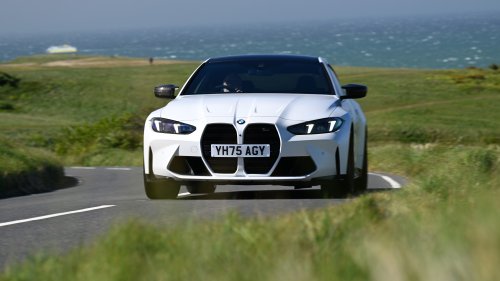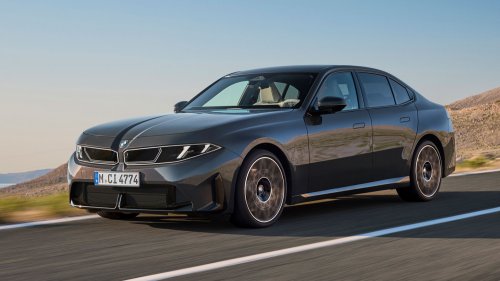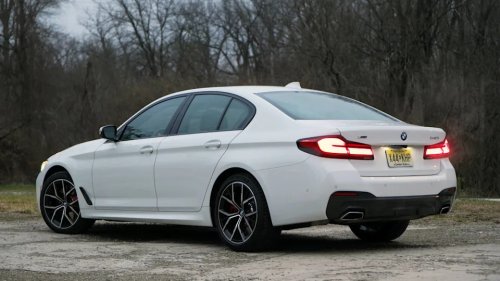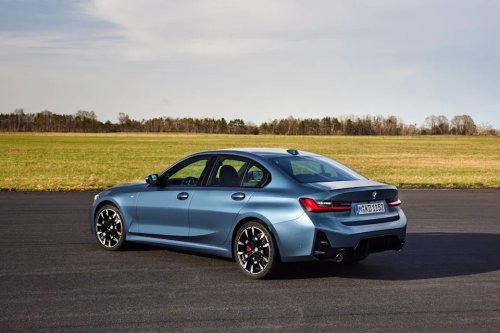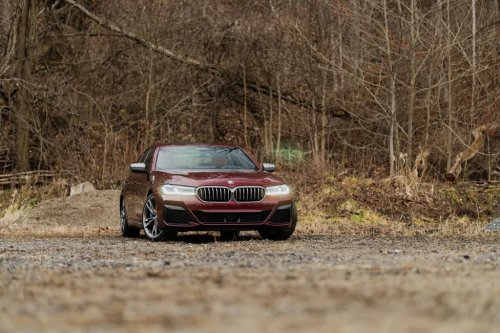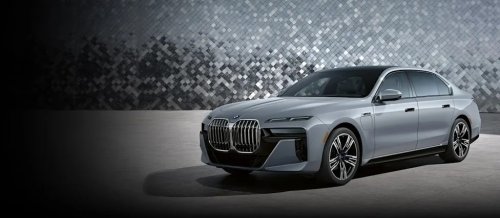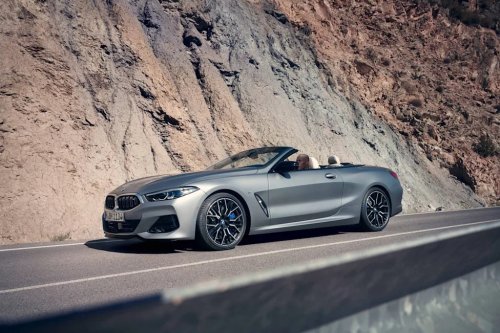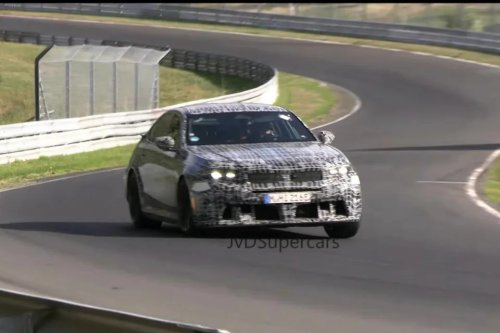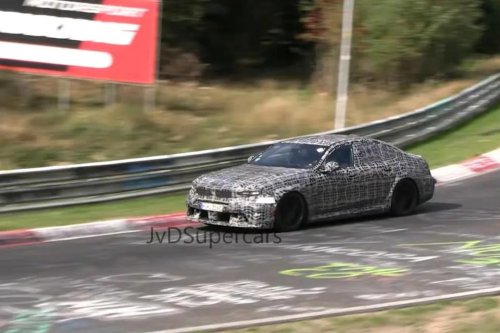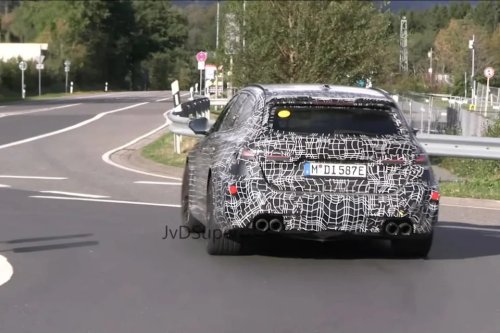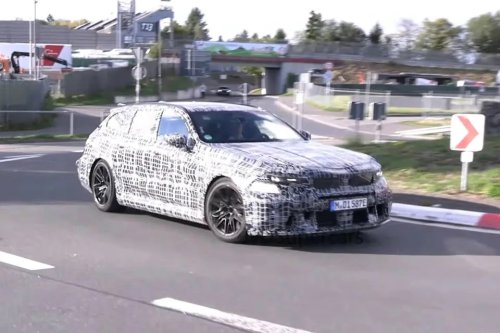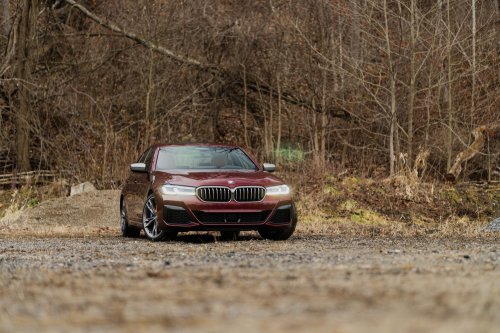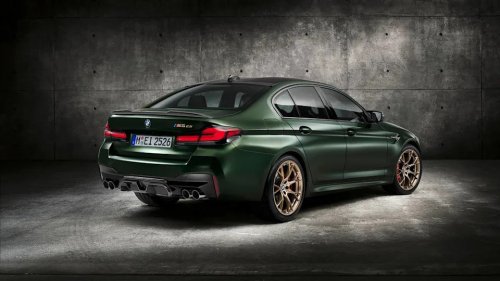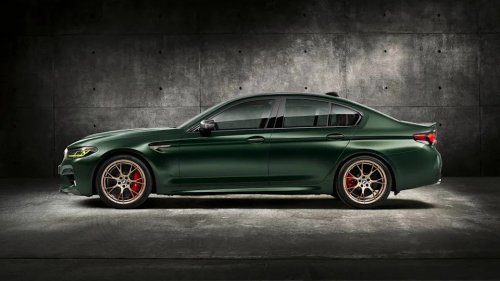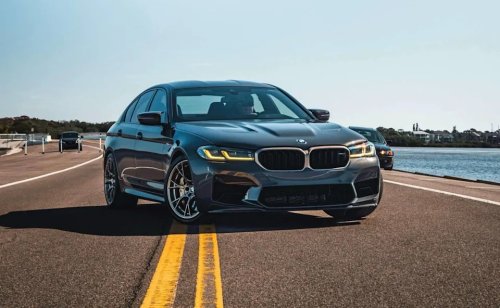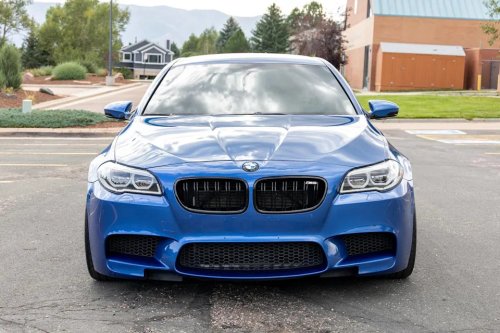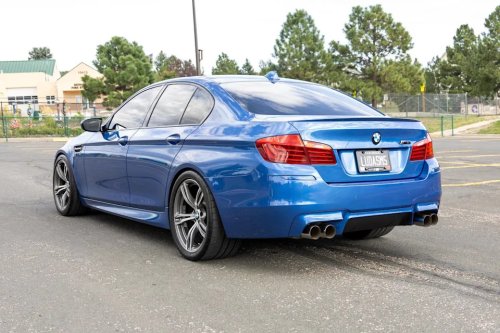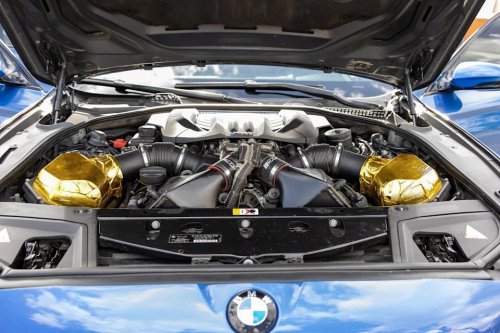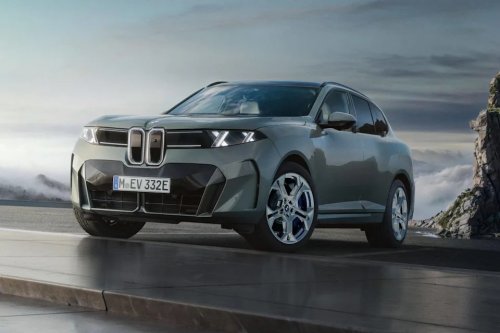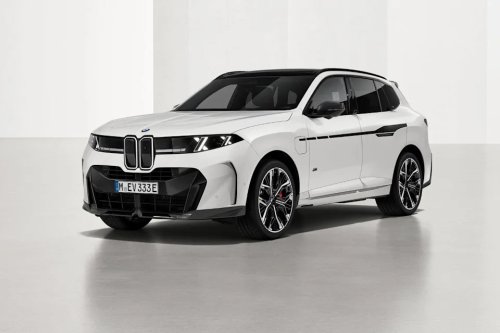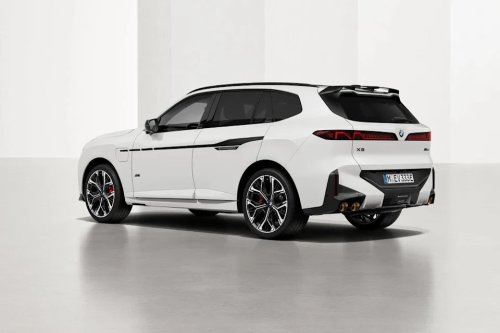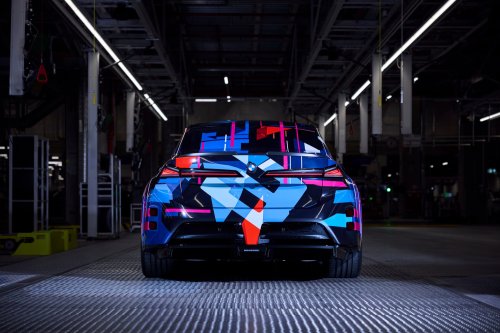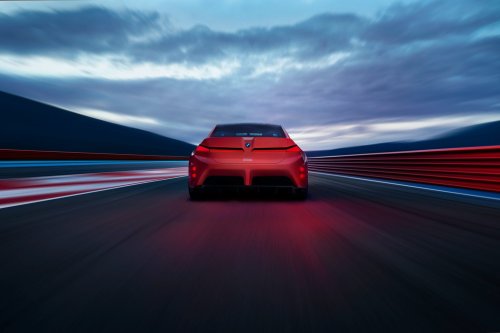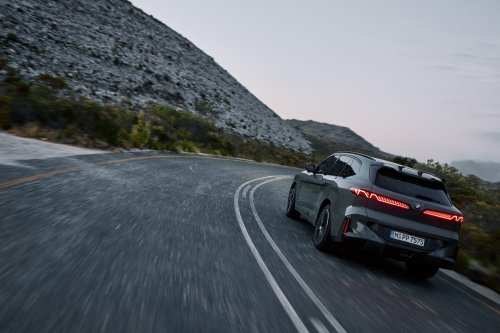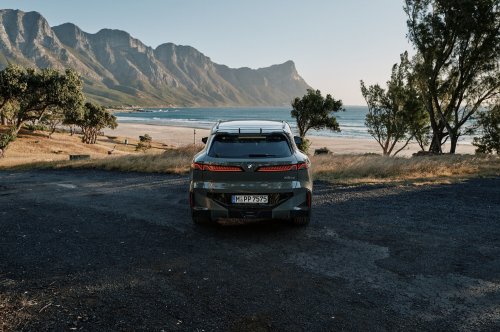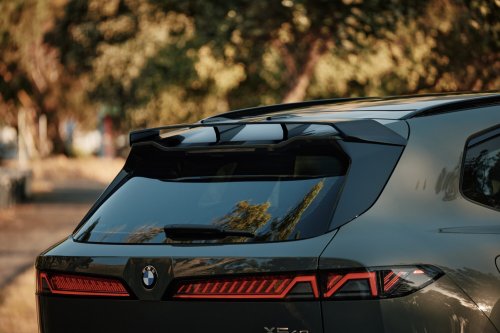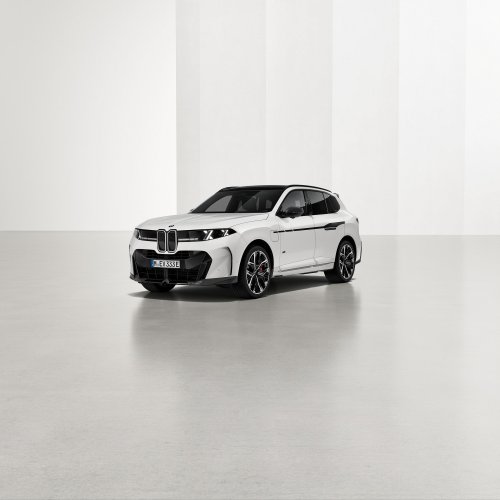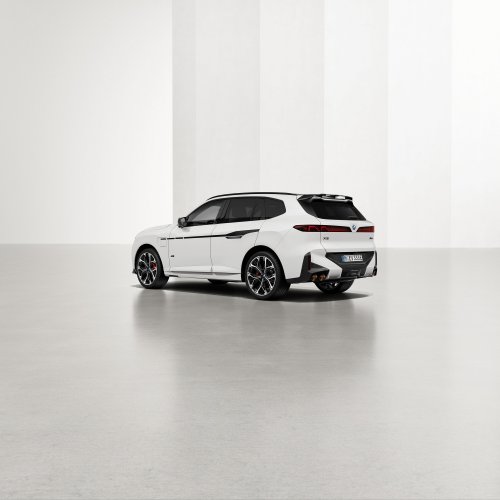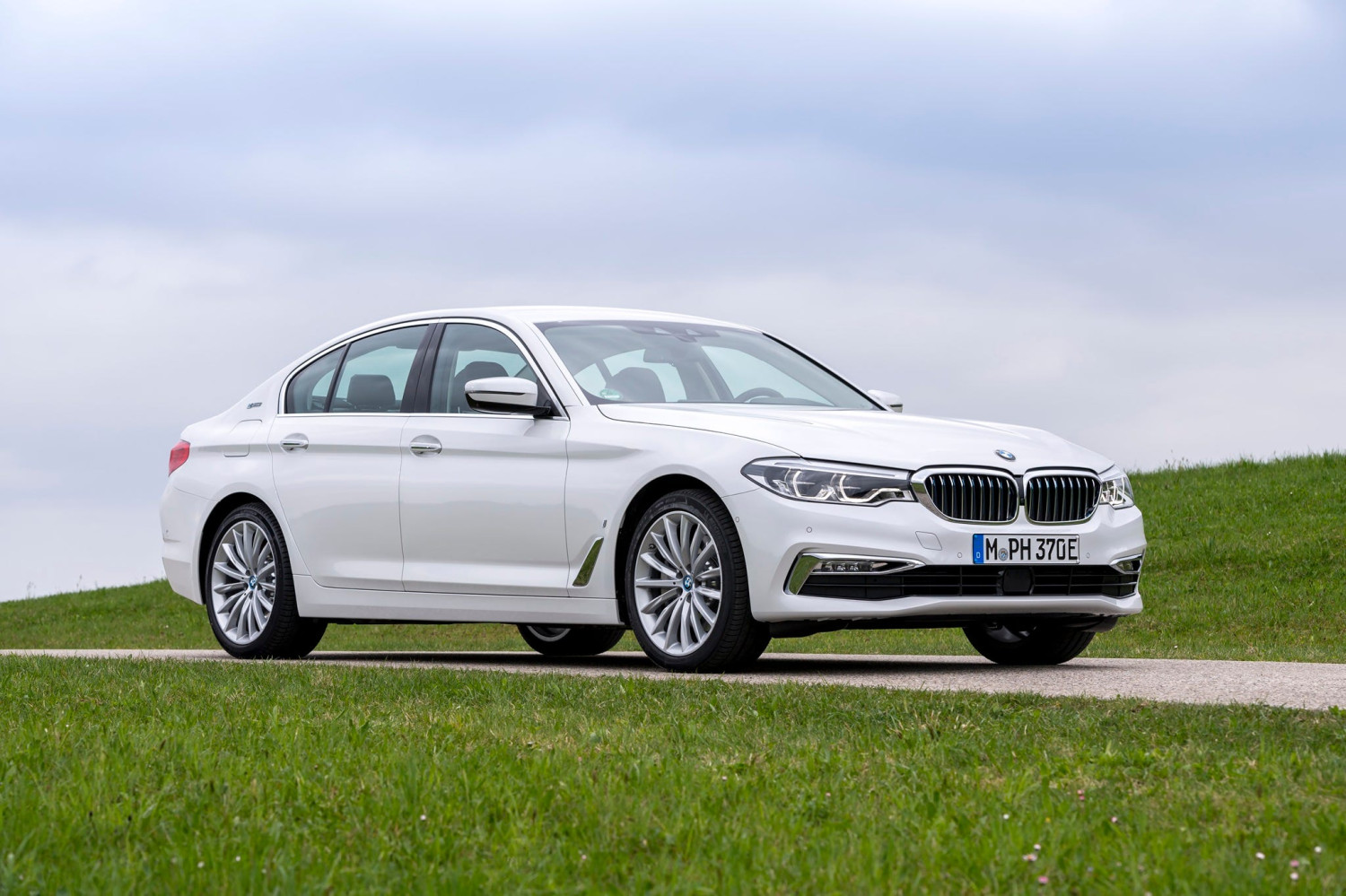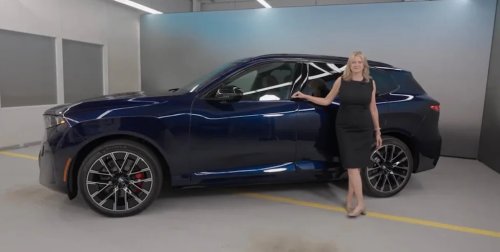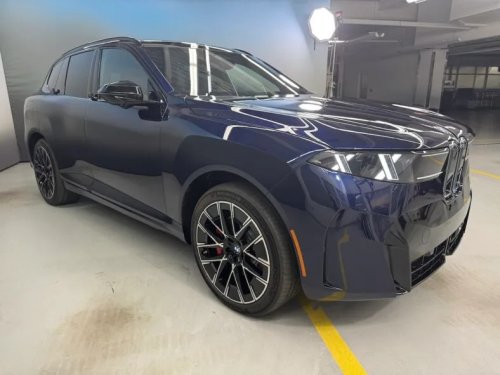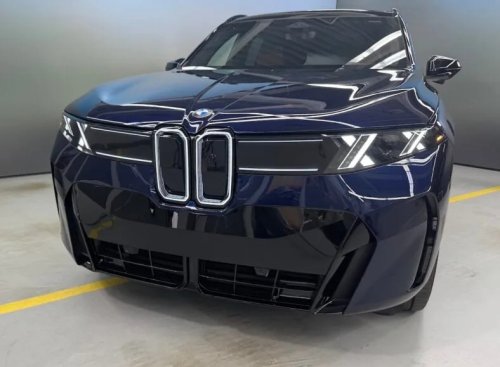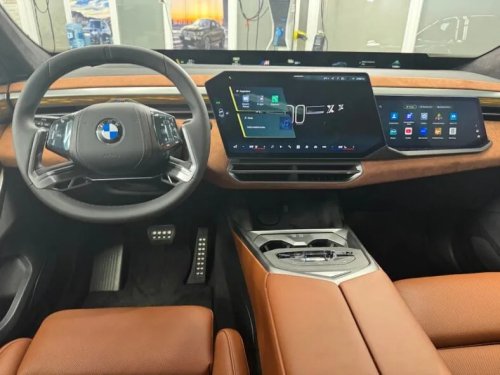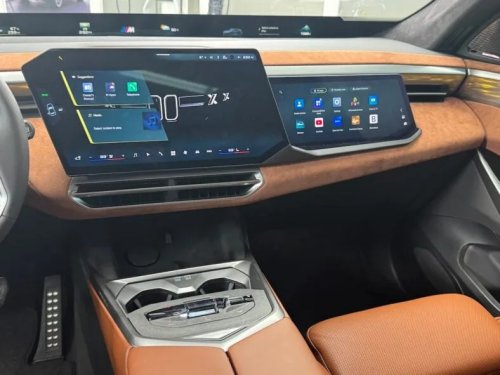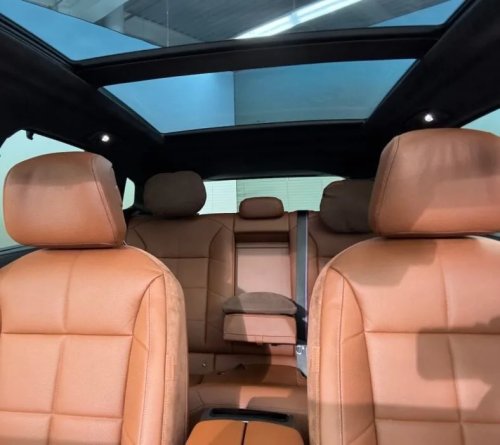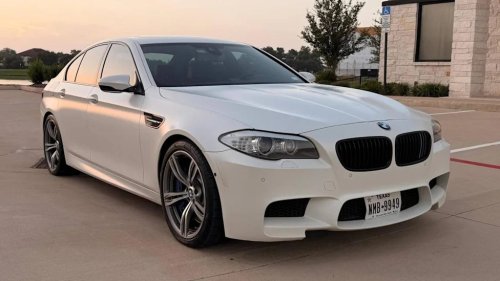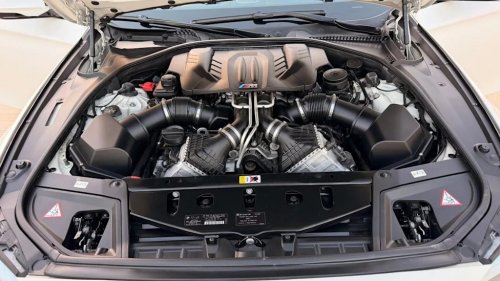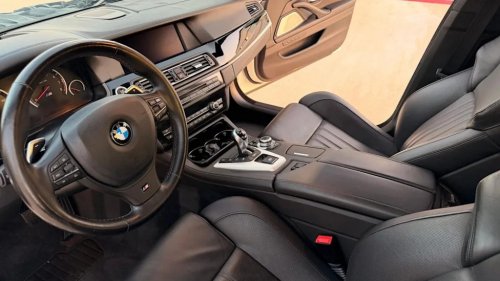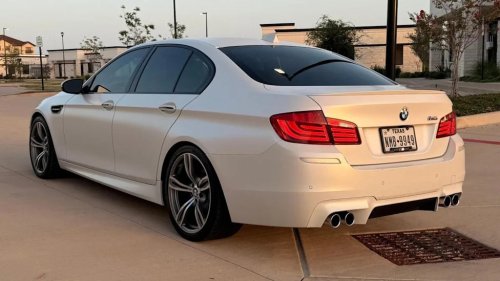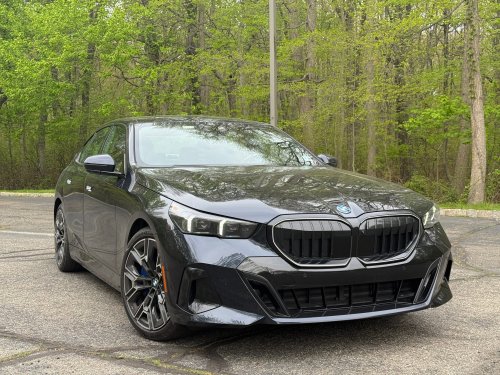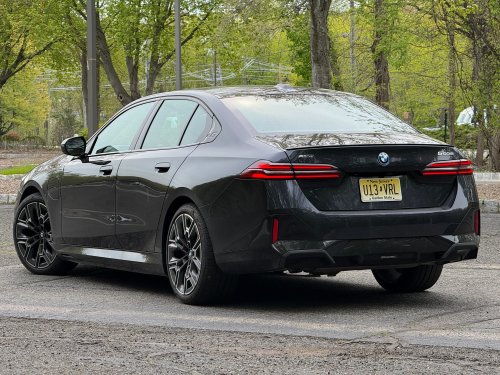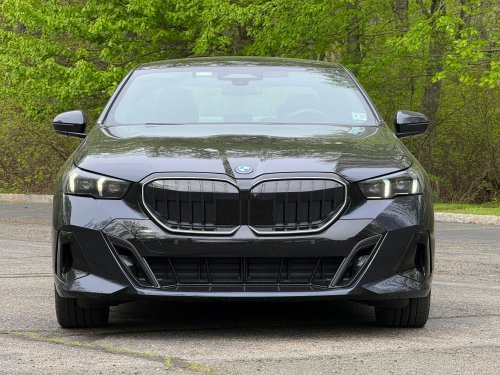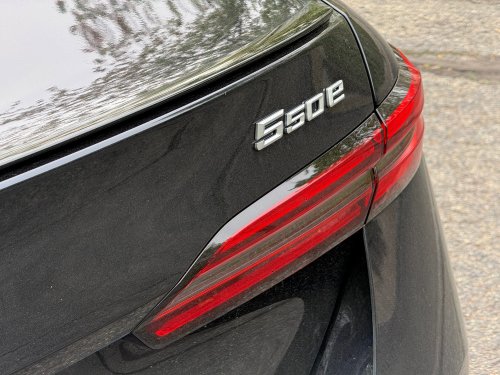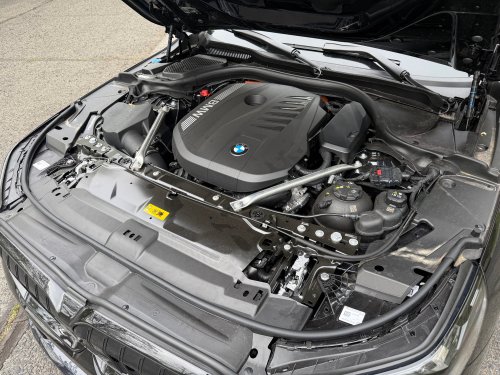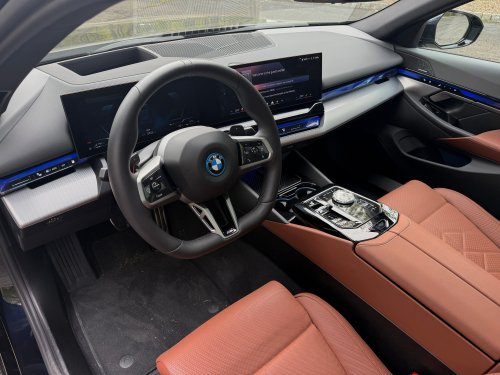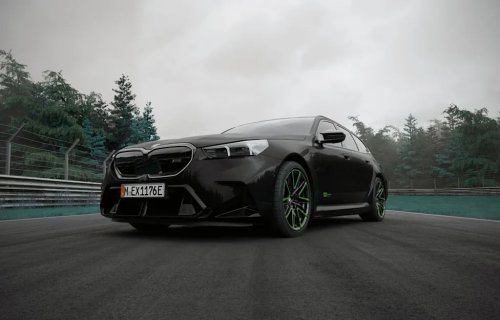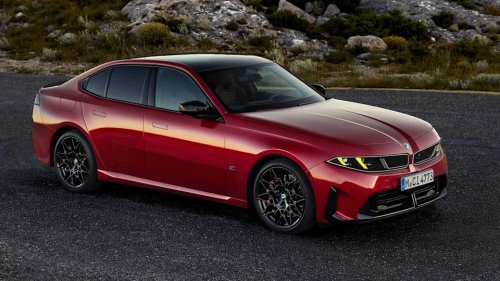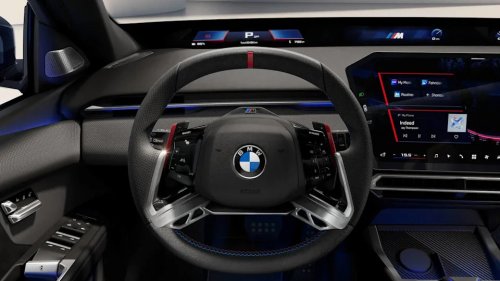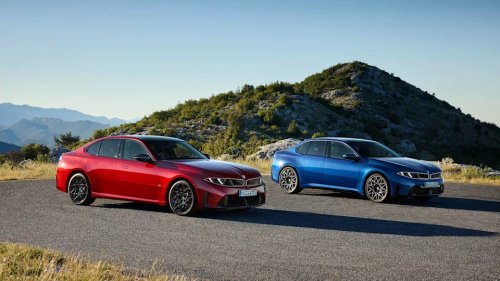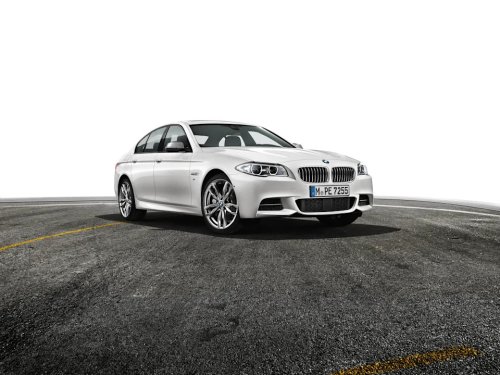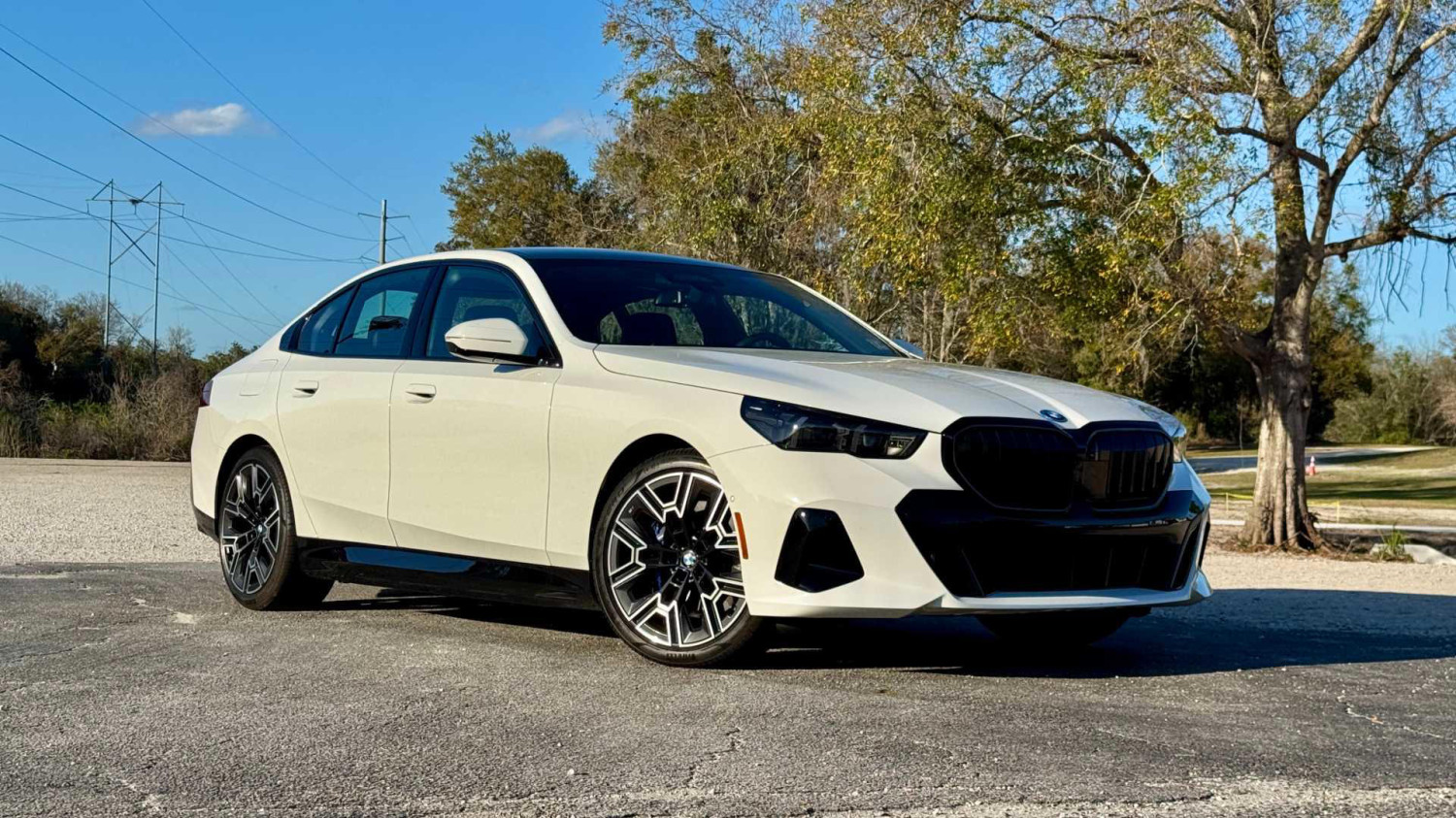
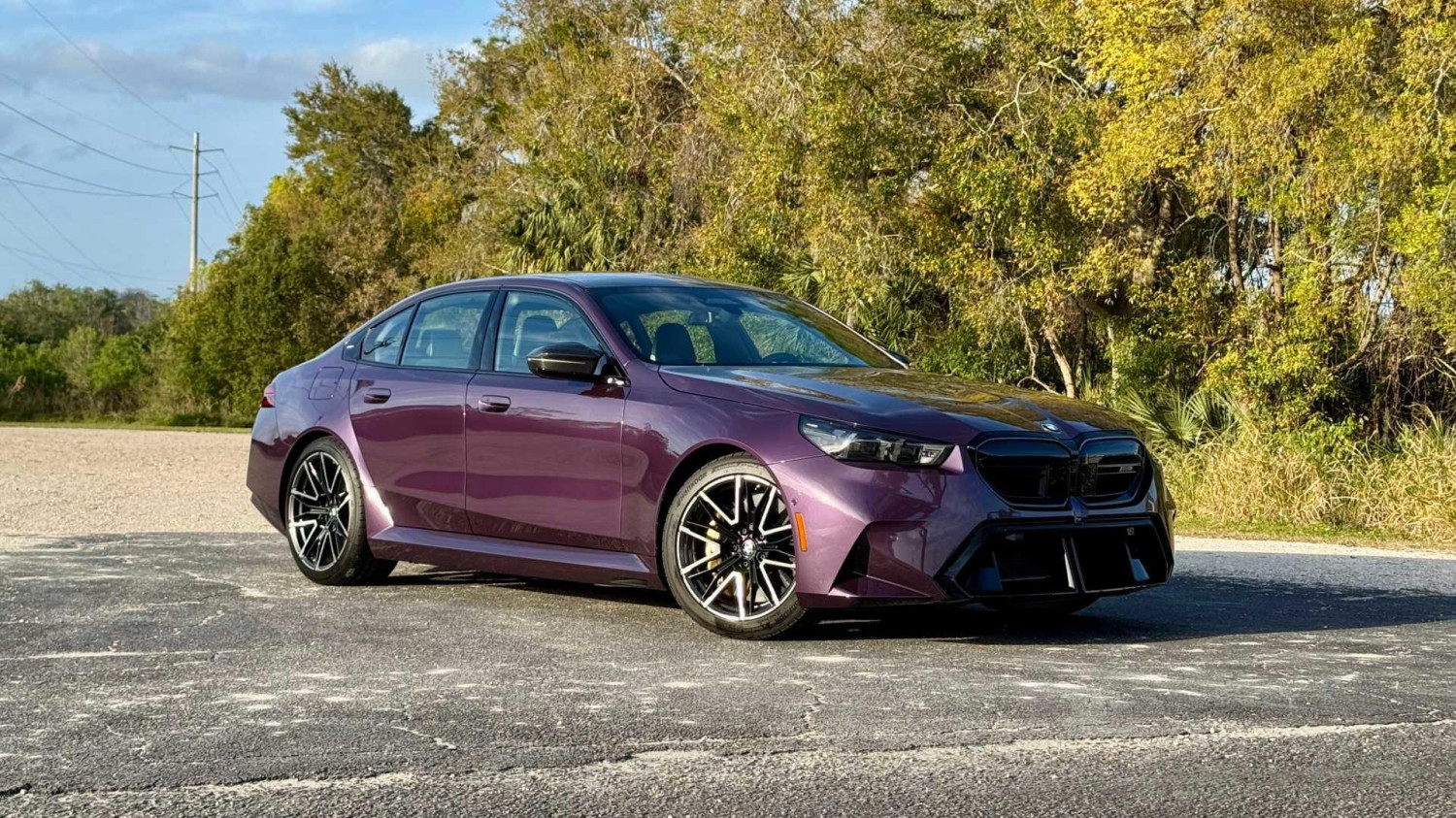



















The 2026 BMW M5 is the pinnacle of the BMW 5 Series lineup; it features a 4.4-liter twin-turbocharged V8, a performance hybrid system, and 717 horsepower total. No other 5 Series variant should be able to match its handling or straight-line performance, and based on the instrumented zero-to-60 mph testing conducted by CarBuzz in 2025, none had up to this point. 2026 may only be a few months in, but it seems the M5 is already facing some stiff competition from with BMW's own model lineup.We recently spent a week driving the 2026 5 Series Hybrid, otherwise known as the 550e xDrive. Not counting the all-electric i5 M60, this is the most powerful 5 Series variant below the M5, pairing a 3.0-liter turbocharged inline-six engine with the same electric motor and hybrid system found in its M sibling. In fact, because the 550e has the same electric motor as the M5 but less weight to carry around, it's actually quicker when operating without its gasoline engine.It might be a technicality, but it's not like the 550e is slow in normal operation, either. It almost makes the M5 kind of pointless. The 550e Is Lighter Jared Rosenholtz/CarBuzz/ValnetThe 550e and M5 technically share the same hybrid system with a 194-hp electric motor, but the former only has to lug around 4,894 pounds while the latter is saddled with 5,390 pounds thanks to its V8 engine and extra turbocharger. With only 194 hp and a 496-pound weight disadvantage, it's no surprise the M5 takes longer to hit 60 mph than the 550e.Both vehicles will stay in electric mode all the way to full throttle. However, if you pull the pedal past kickdown, it will trigger the gasoline engine, so it takes a few tries to get the best run without mashing the throttle too hard. In our best time with the 550e, we clocked a zero-to-60 mph run in 8.03 seconds, which is the quickest time we've ever recorded for a PHEV running in electric mode. 9.07 seconds was the best time we've ever seen in the M5, and 8.51 seconds was our previous PHEV best in the 2026 Toyota RAV4 GR Sport. The 550e is so quick even without its engine, it would beat a Range Rover Evoque (8.28 seconds) in a race to 60 mph.Not only is the 550e quicker in EV mode, it also goes further on a charge. It has a slightly larger net battery than the M5 – 19 versus 14.8 kWh – meaning it can travel 33 miles before firing up its engine compared to 25 miles. The M5 Isn't That Much Quicker Overall Jared Rosenholtz/CarBuzz/Valnet While the 550e can jump in front of the M5 so long as the two cars agree not to use their engines, the advantage flips in the M5's favor when both are allowed to go all out. With a 234-hp advantage, we'd hope the M5 should be able to leap ahead of the 550e, but the gap is smaller than you might think. Even BMW's conservative acceleration estimates predict the 550e will take 4.1 seconds to hit 60 mph, just 0.7 seconds behind the M5 at 3.4 seconds. Both cars are quicker than BMW claims.CarBuzz recorded a 3.22-second sprint to 60 mph in the M5 Sedan, quicker than a Porsche 911 Carrera S (3.2 seconds) but slower than a Hyundai Ioniq 5 N (3.1 seconds). The 550e set a pretty blazing time as well, clocking the run to 60 in 3.88 seconds, just behind a Cadillac CT5-V Blackwing Manual (3.86 seconds) and ahead of the Alfa Romeo Stelvio Quadrifoglio (3.99 seconds). Perhaps the more impressive feat is managing to finish only two-thirds-of-a-second behind the M5 despite having 32% less horsepower and costing 39% less.This is all some interesting food for thought. The 550e costs $47,800 less than the M5 and is nearly as quick to 60 mph. If you drive in electric mode, it's actually quicker. In this context, is the M5 really worth the price BMW asks for it?