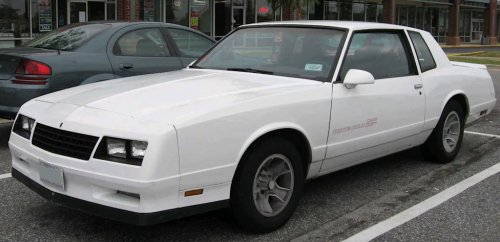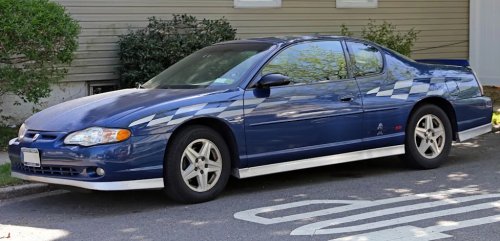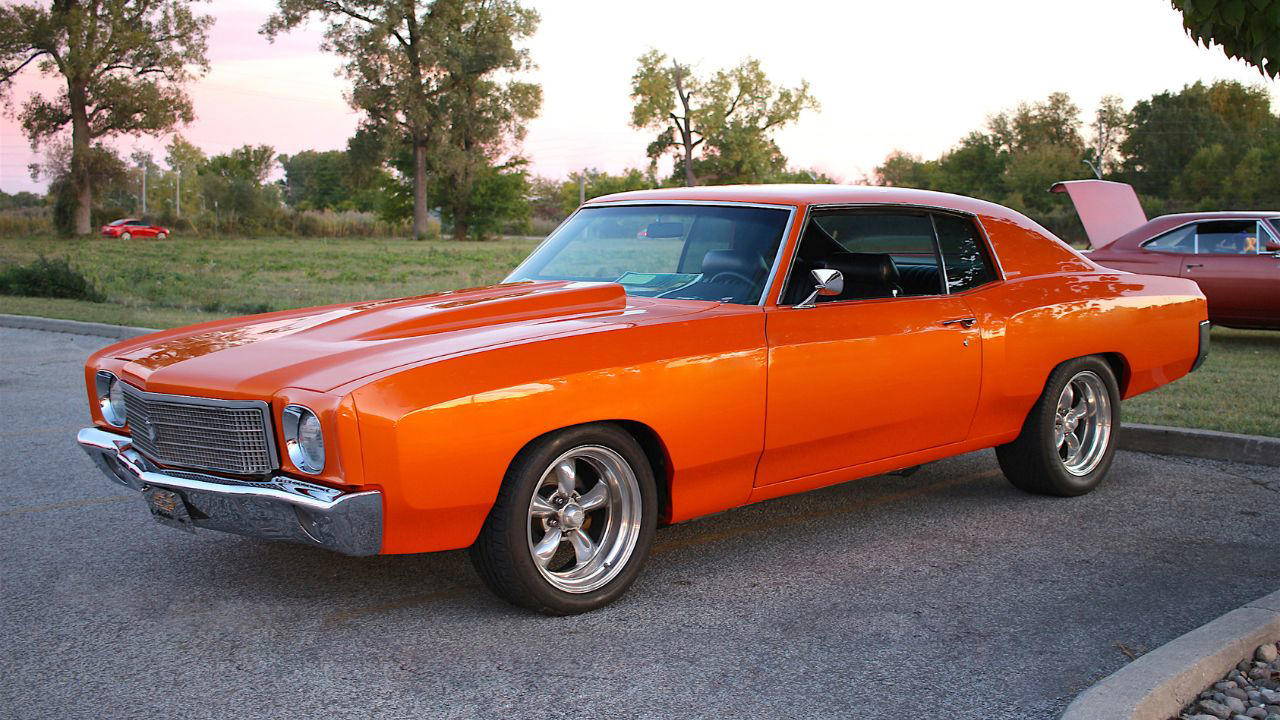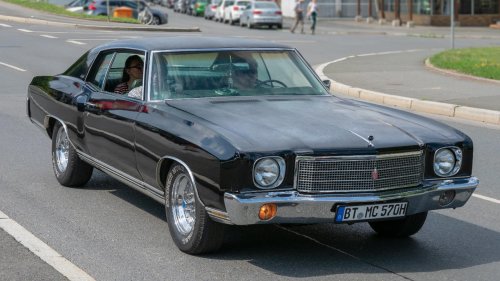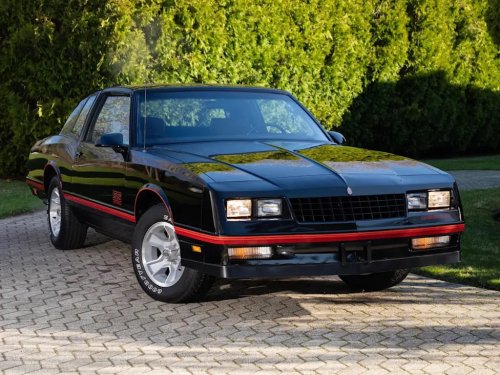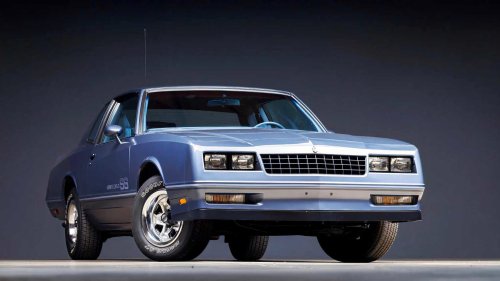
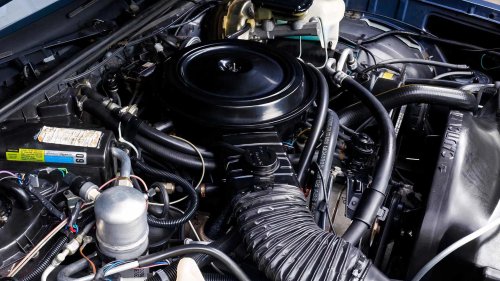
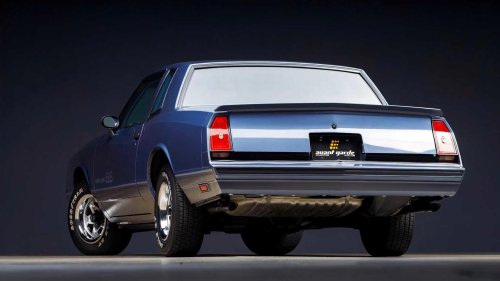
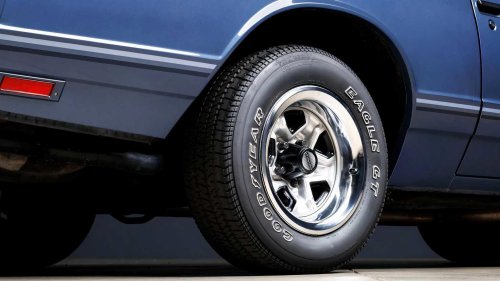
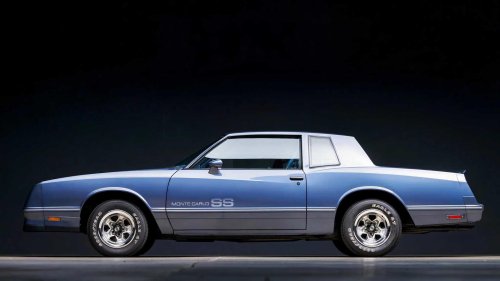
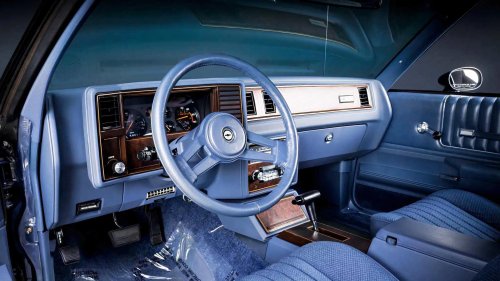





















As a brand, Chevrolet is steeped in performance history and some of its cars are a solid part of Americana. And while the Camaro is the headline-maker and the default answer to almost every enthusiast question, there's a lot more to Chevrolet's greatest hits reel. The Monte Carlo SS is an example of one such car that mixes attitude with day-to-day usefulness, even though this V8 rear-drive Chevrolet failed to get as much attention as the Camaro.It appeared in the early-to-mid-eighties, when issues like emissions controls and insurance realities were taking the heat out of the old school muscle car market. And while that may have held the Monte Carlo SS back to a degree, it was still a very worthy car with a real performance identity, a good suspension package, and an authentic motorsport link. The Monte Carlo SS Might Have Been Better Than The Camaro Bring A TrailerYou've got to go a long way to beat any generation of the Chevrolet Camaro in any performance argument, but for those in the know who used these performance cars in the eighties, the Monte Carlo SS is a strong contender. This car came with a 5.0-liter high-output, small-block V8, a rear-wheel drive layout, a standard F41 sport suspension, anti-roll bars, and bucket seats (if you chose that option). From 1984, you could pick a four-speed overdrive automatic if you wanted to make highway driving a little easier, plus the vehicle also had a usable back seat with a large trunk.Bring A Trailer Many people felt that this combined package made the Monte Carlo SS the more complete road car, and it certainly came with proper engineering to back up its looks. Independent tests showed that it could reach 60 mph in 8.2 seconds, getting to the quarter mile in 16.1 secs at 88 mph, before showing a top speed of 120 mph. Tests also highlighted the car’s good suspension system on the one hand and cruising comfort on the other to underline how well-rounded the Monte Carlo SS appeared to be.Perhaps the Monte Carlo SS was also a little more grown-up than the Camaro, with its more relaxed driving position, good interstate capability, and ample pace for the period. This meant that for many people who wanted a V8 Chevrolet for weekday chores as well as weekend partying, the Monte Carlo SS seemed to be the better answer. What Made The Monte Carlo SS Special Bring A Trailer When the Monte Carlo SS launched in 1983, its small-block engine turned out 175 hp and 240 lb.-ft of torque, with Chevrolet gradually changing those output figures to 180 hp and 225 lb.-ft. You'd also get a nicely tuned suspension system, model-specific graphics, and aero pieces, with 15-inch wheels that had performance rubber around them. The revised four-speed overdrive automatic was probably a better system than the launch three-speed automatic, and it helped to make the SS feel more usable or modern without significantly affecting its character.In many respects, Chevrolet wasn't trying to rock the boat with this car in early 1980s America. Instead, it was dealing with the after-effects of the low-key and compromised seventies, and so, it didn't try anything too crazy with the Monte Carlo SS. Instead, it gave it a carbureted V8 with good rear drive balance, a confident sports suspension system, and a visual identity that helped it stand out.The SS also looked something like a stock car that its maker had translated for street use and, as it turns out, there was a strong NASCAR connotation in any case. Chevrolet created the closely linked Aerocoupe to try and beat Ford at places like Talladega and Daytona. And while the company only built a relatively small number of road-going Aerocoupes for homologation purposes, this did create a direct connection with motorsport that very few mainstream American coupes of that period could match. Chevrolet Never Sold The SS Like A Hero Bring A Trailer When the Monte Carlo SS arrived in the mid-eighties, the overall performance car story was beginning to fragment. Traditional muscle had faded from the picture, plus rocketing insurance premiums and tougher emissions rules had significantly impacted this type of market. Buyers were also starting to split between outright sporty coupes and luxury-leaning personal cars and, as many were opting for practicality first, the Monte Carlo SS was a bit of an awkward newcomer. It was certainly more serious than some bolt-on package proposition, but it was still more of a personal luxury coupe underneath rather than a dedicated sports platform.Buyers would typically opt for the more obvious Camaro if they wanted a Chevrolet performance coupe, and the Camaro had lots of name recognition to carry it forward. This meant that the Monte Carlo SS always tended to sit in the Camaro’s shadow and while Chevrolet did sell as many as 41,164 examples of this SS in 1986 before demand really tailed off, it always played second fiddle to its stable mate.Perhaps the Monte Carlo SS fell short in some significant areas even though it was honest about its job. For example, it wasn't as flashy as a Camaro, but it also wasn't as raw as the old Chevelle SS. And while it didn't have enough power on paper to dominate any racing conversation, perhaps some of those perceived weaknesses were actually long-term strengths. After all, this was still a good V8 coupe that had NASCAR in its bloodstream, and it was perfectly capable of covering real miles without too much drama. Collectors Are Starting To Circle Now Bring A Trailer Fourth-generation Monte Carlo SS cars are climbing quite sharply in value, attracting a mix of stock car aficionados and broader 1980s collectors. The average sale price for one of these vehicles is around $22,000 today, but some people have paid as much as $56,000 for a nice Aerocoupe, and it appears that some of those homologation specials may be branching off into a different pricing bracket.In any case, as the years tick by, 1980s American performance cars are now starting to become proper collectibles. At one time, these cars felt too new to be really historic while also being too common to feel exotic. But the shape of the average enthusiast collector is also changing because many of those who grew up around G-bodies now have some extra buying power. And they're turning their attention to the Monte Carlo SS as they explore what's available in the marketplace. Where To Find One Now And What To Pay Bring A Trailer On the general market, you can still find good examples of the Monte Carlo SS even though they're not necessarily cheap anymore. In 1983, the SS had an MSRP of $10,474, rising to $14,320 at the end of the line in 1988. Today, you may expect to pay around $18,000 according to one valuation tool for a 1983 SS in good condition but in the eyes of another tool, a good later fourth-generation car could be just north of $22,000. Of course, condition, originality, and model year will matter a great deal. And while you may be able to find a driver-grade standard vehicle in the teens, don't be surprised if you have to fork out more than $30,000 if you're only interested in clean, low-mileage survivors.Specialist dealers may be the place to start a search if you are looking for as little friction as possible, but these cars are popping up on national auction sites as well. You can always dig into enthusiast forums for advice but always verify the vehicle's originality and make sure that the entire ownership history is visible. Don't forget to look out for rust along the usual G-body trouble spots and some previous owners may have changed the drivetrain, so check that carefully to make sure that you're buying an authentic vehicle.In summary, the Monte Carlo SS wasn't the big headline maker when it came to Chevrolet performance cars from the eighties and that's still the case today. But it does represent a compelling proposition with that blended V8 power and balance, its everyday comfort and proper NASCAR connection. And for buyers who want the whole experience and not just the badge story, this forgotten Chevrolet could yet be the winning proposition.