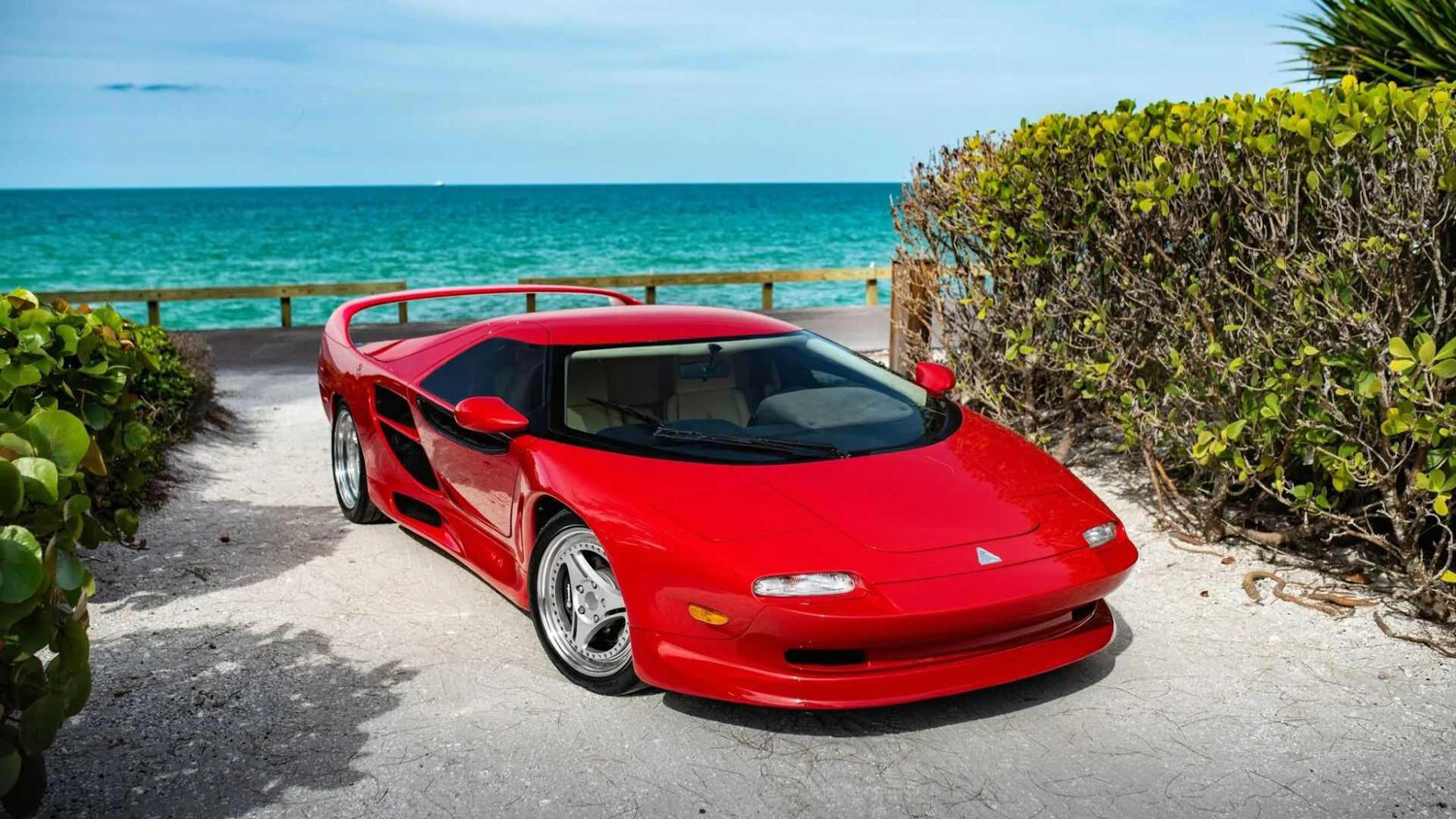
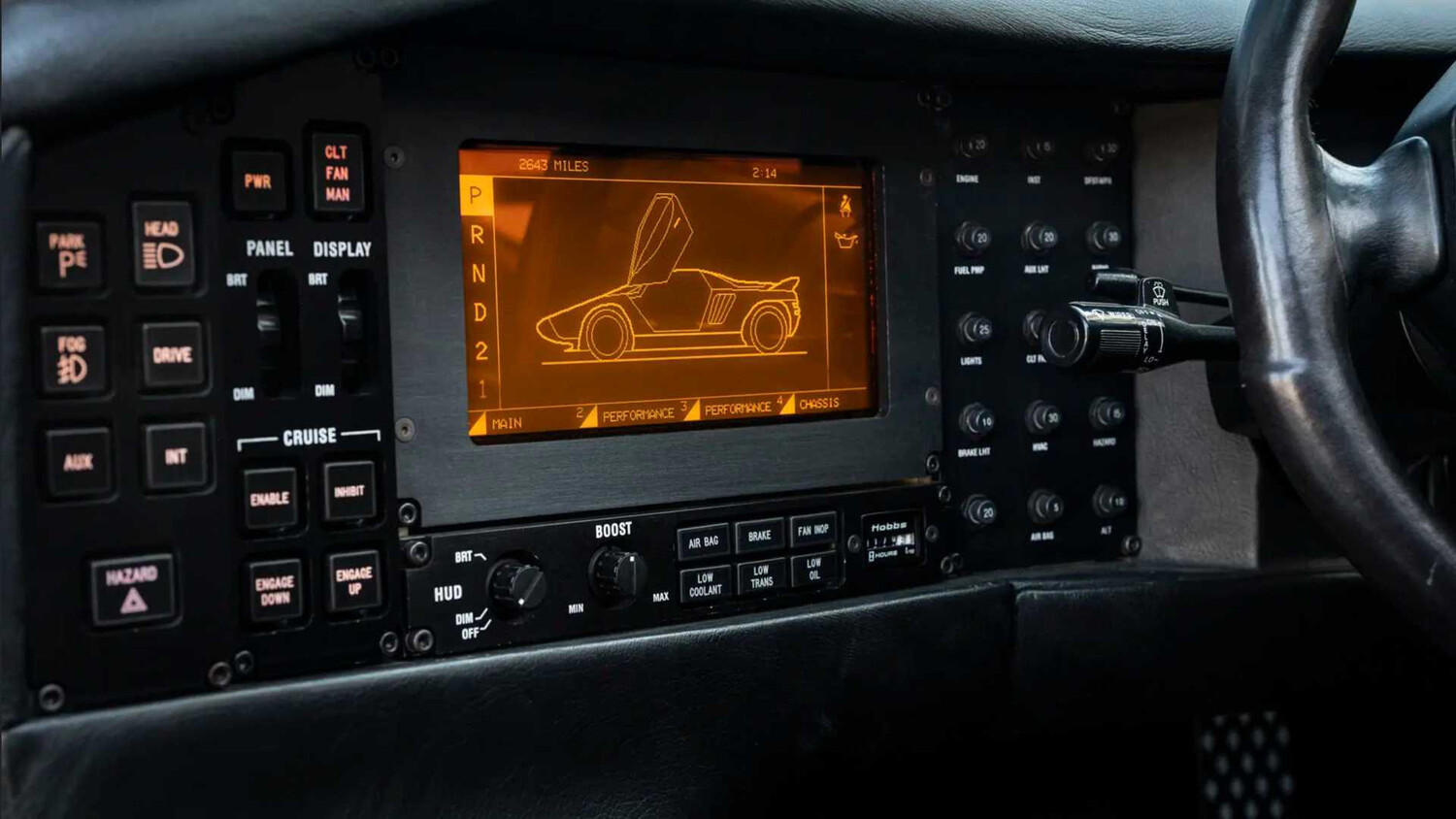
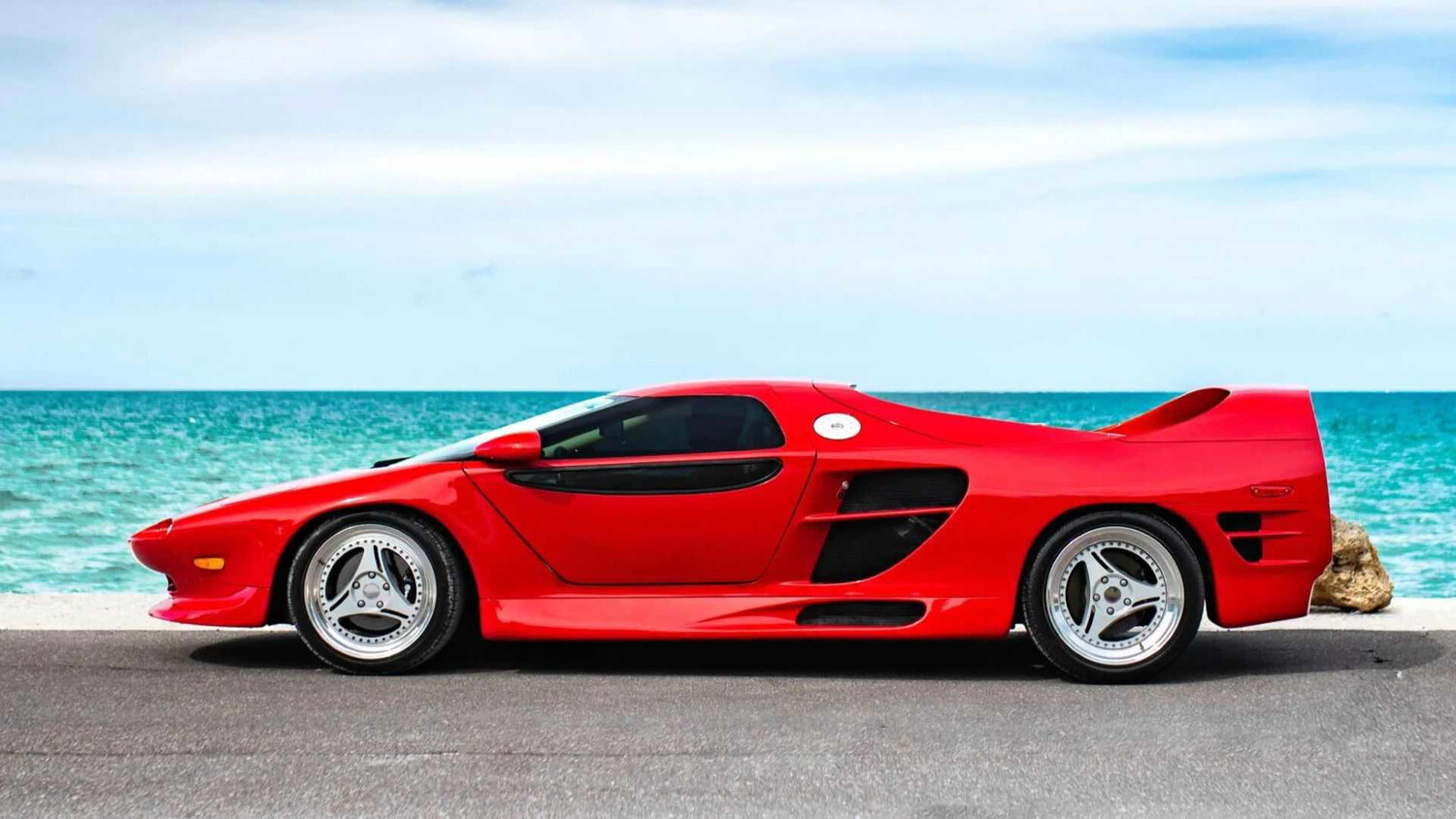
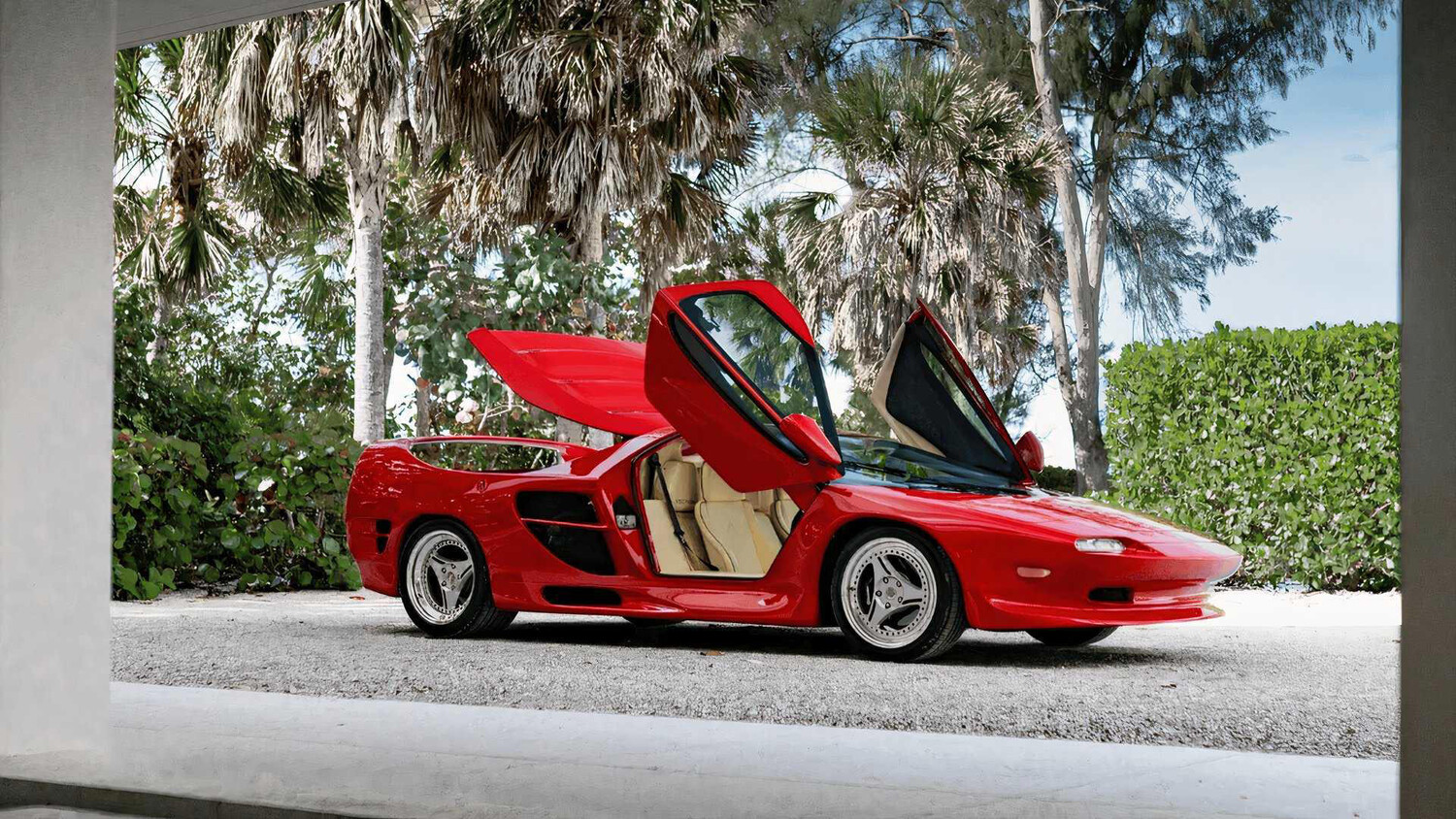
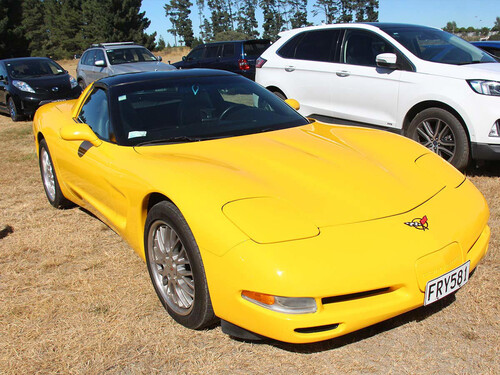
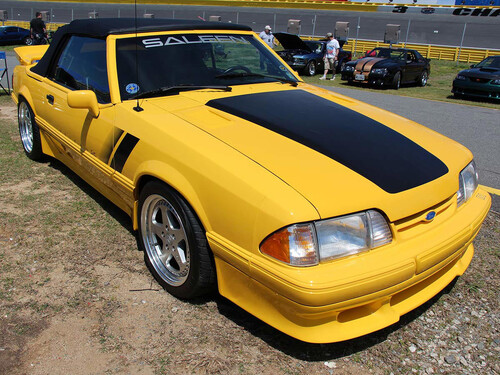
The world of American cars is filled with household names: cars and manufacturers that have become famous all over the world and made it into mainstream pop culture. Think of Ford with the Mustang, or Chevrolet with the Corvette, both of which have become a symbol of American car manufacturing over the decades.There are, however, some far more obscure hidden gems in American automotive history, ones which are not widely known even among gearheads. These brands may not make it to the big screen or the cover of magazines, but they can be just as interesting as their more famous counterparts.One such company is Vector Motors, a small business venture that produced a handful of supercars (mostly one-off prototypes or low-volume production models). This company did not encounter much commercial success, but it did produce some interesting models, including the only American car that housed both a V12 engine and a manual transmission. Let’s take a closer look at Vector’s history and the cars it built. Vector: A Small Company That Dreamed Big Bring A Trailer Vector is not one of the most well-known automakers in the world, but it is one of the most interesting ones. A small startup with a complex history, this ambitious company went through a series of ups and downs over the decades, even ending up in the orbit of a household-name brand before eventually falling into oblivion.Entrepreneur Gerry Wiegert founded the firm in 1978; it was not called Vector at the time, but rather Vehicle Design Force. The name would change several times throughout the company’s lifespan, to Vector Aeromotive, Avtech Motors, Vector Supercars, and Vector Motors Corporation, the moniker we most commonly use when referring to it today.RM Sotheby's While Wiegert supervised the design and construction of Vector’s early creations, such as the W2, W8, and Avtech WX-3, in the mid-90s the company underwent a radical change. After having ceased operations in 1993, it was revived by Indonesian firm Megatech, which took full control of Vector’s operations away from Wiegert. This resulted in two new models, the M12 and the SRV8. As Megatech also briefly owned Lamborghini during that period, the M12 shares an engine with the Lamborghini Diablo; this would be the closest Vector would get to having a connection with an established automaker.During this time, Wiegert’s entrepreneurial spirit was undeterred, and he chose to pursue other ventures including a watercraft company. Within a few years, however, he regained ownership of his old company. Vector released one more prototype, the WX-8, which was unveiled in 2007. This car would remain stuck in the development phase for years, and eventually remain unfinished as Wiegert died in 2021. This marked the end of Vector’s activity as a company. The W8: A Futuristic Wedge RM Sotheby'sWhile the Vector W2 was the first car ever produced by the newly-created company back in the late '70s, it remained a one-off creation and did not directly lead to a model with an actual production run. The W2, however, was used as the base for a later car, which entered production in 1989 and can be considered its successor: the W8.With its angular, futuristic wedge shape, this sports car had a distinctly sci-fi-esque character; some of its lines evoked the iconic Lotus Esprit. The three louvers behind the driver and the sharp rear end, complete with a wing, gave the car an aggressive, dynamic feel.The W8 wasn’t all looks, however: its design was also oriented towards performance, with plenty of elements borrowed from the aerospace industry. Aluminum, carbon fiber, and Kevlar were used throughout the bodywork to make the car strong and lightweight.RM Sotheby's The panels were riveted together with aeronautic quality studs. The clever usage of materials also extended to the engine, which was equipped with stainless steel valves, aluminum cylinder heads, and forged pistons. A 6.0-liter twin-turbocharged V8 sourced from General Motors, the engine produced around 625 hp, with a three-speed automatic transmission sending power to the rear wheels. The car was also equipped with a way to control boost level, which gave the driver an additional layer of control over the car’s performance.Despite the W8 being promising on paper, its journey in the real world was underwhelming. Wiegert claimed the car could reach a top speed of 242 mph, however, this number came from testing he supposedly conducted himself, and was never proven through an external source. As a result, the claim is considered somewhat dubious.The W8 also suffered from problems related to heat management, which proved to be a difficult and expensive endeavor. The fact that Vector was an unknown name in the automotive industry also did not play in its favor. With an eye-watering price tag of $420,000, the W8 failed to attract the attention of prospective customers. Around 20 examples of the model were built in total, over a four-year period between 1989 and 1993. The M12: The Lamborghini Diablo's Less Famous Sibling Bring A TrailerSix years after the W8’s debut, Vector launched another car which would manage to make the jump from one-off concept to small production run: the M12. The M12 was the first car produced after Megatech had taken over Vector from Jerry Wiegert.It shared its engine and several mechanical components with a far more famous car, whose manufacturer was also owned by Megatech at the time: the Lamborghini Diablo, which would itself be released a few years later. The engine in question was a 5.7-liter V12, paired with the same five-speed manual gearbox found in the Lamborghini. Unlike in the Diablo, however, in the M12 the engine was mounted in front of the gearbox.Interestingly, as the M12 was produced in America and the Lamborghini was, of course, produced in Italy, the M12 became the only American car ever produced with both a V12 engine and a manual transmission. It still holds that title to this day.The M12’s run, however, would not last very long. Its demise came about as a result of both poor quality and legal issues. In contrast to the Diablo’s success, the M12 was labeled as the “worst car ever tested” by AutoWeek, one of “The World’s Worst Supercars” by MSN Autos, and a “botch job” by Car Throttle. The latter also described it as “a canoe-bodied car that was slower, uglier and of lesser build-quality than [the Lamborghini Diablo]".Bring A Trailer Megatech’s ownership of Lamborghini also came to an end shortly after the M12’s launch, which gave rise to a legal dispute between Lamborghini and Vector. In 1999, this dispute spelled the end of the M12’s brief production run, with just 17 cars completed. The only area where the M12 was successful is the world of video games: the car was immortalized in the Gran Turismo franchise, as well as a few other minor titles. Other Cars From Vector’s History WWyss/Wikimedia Commons While the W8 and the M12 get most of the attention when today’s car enthusiasts look back at Vector’s journey, there are a few other cars from the brand’s history that also deserve a mention, even if they never got a production run and few people have seen them outside of Vector’s own team. Here are the other automotive creations Vector is responsible for.W2: The W2 was the first car produced by Vector in 1978. Its sharp, futuristic silhouette would, a few years later, give origin to the W8. Power came from a 5.7-liter twin-turbo V8 engine sourced from Chevrolet. It reportedly produced around 600 hp and 600 lb-ft of torque, although these figures were never officially confirmed.Supermac1961/Wikimedia CommonsWX-3: After the release of the W8, its design was modified and improved to create yet another car, the WX-3. Two examples of the WX-3 were produced in 1992; one was finished in purple and had a roadster body style, while the other was a blue coupe.SRV8: After the M12’s demise, Vector made its comeback with the SRV8, which remained a one-off prototype. Power came from a GM LT1 V8 engine.WX-8: The last Vector car was called the WX-8. It made its debut in 2007 at the Los Angeles Auto Show. Although we know that it was powered by a 7.0-liter V8 engine, its power output is unclear, with the company making claims that it could produce as much as 1,850 hp. The prototype remained unfinished after Gerry Wiegert’s death.