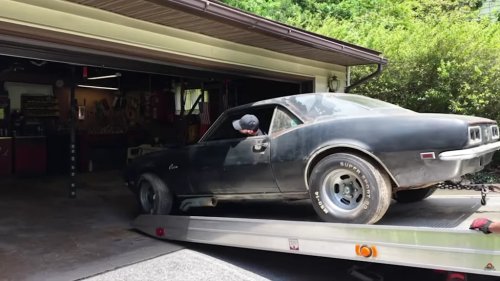
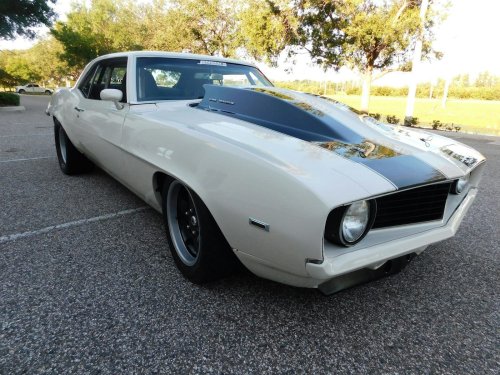
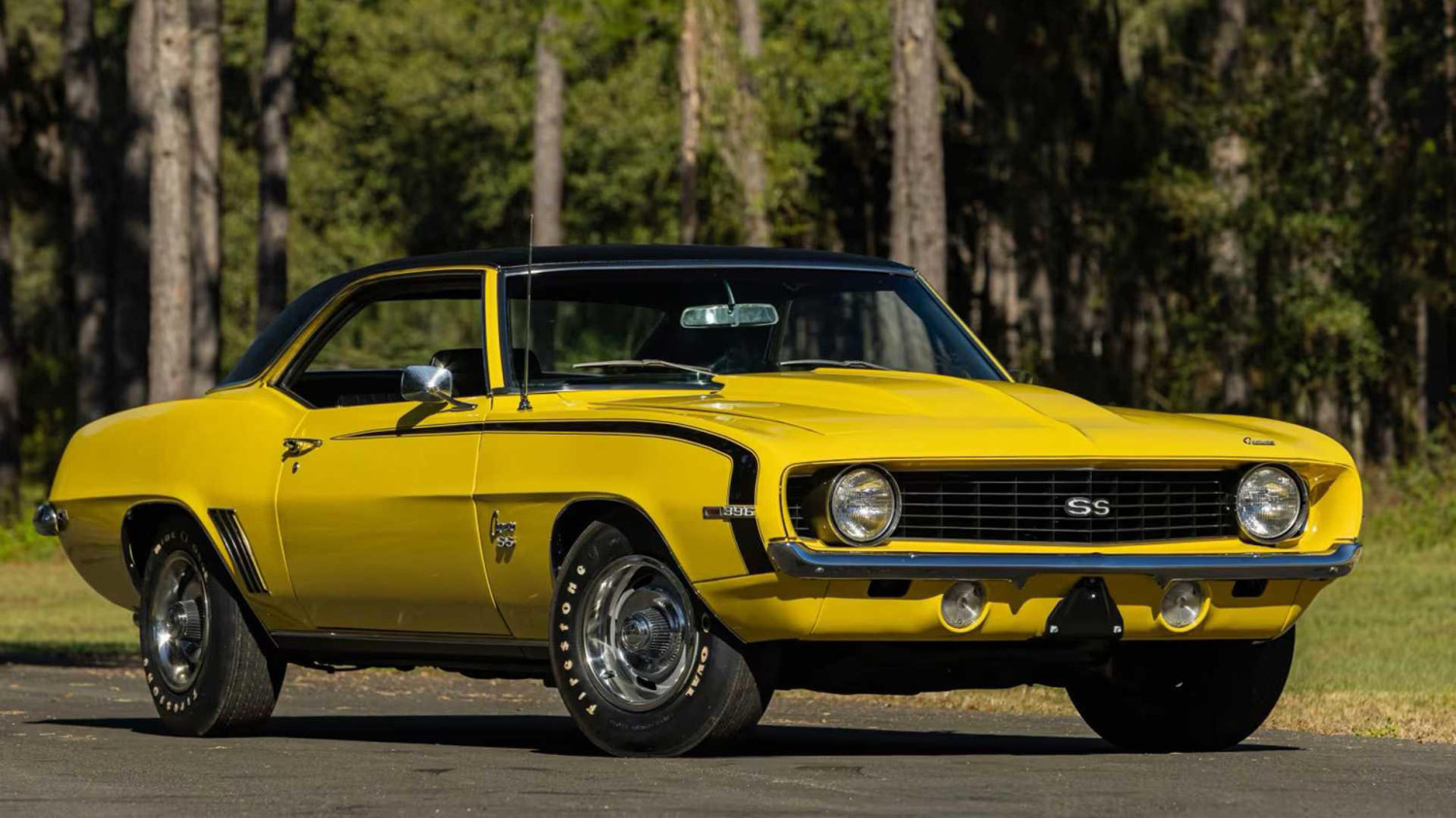
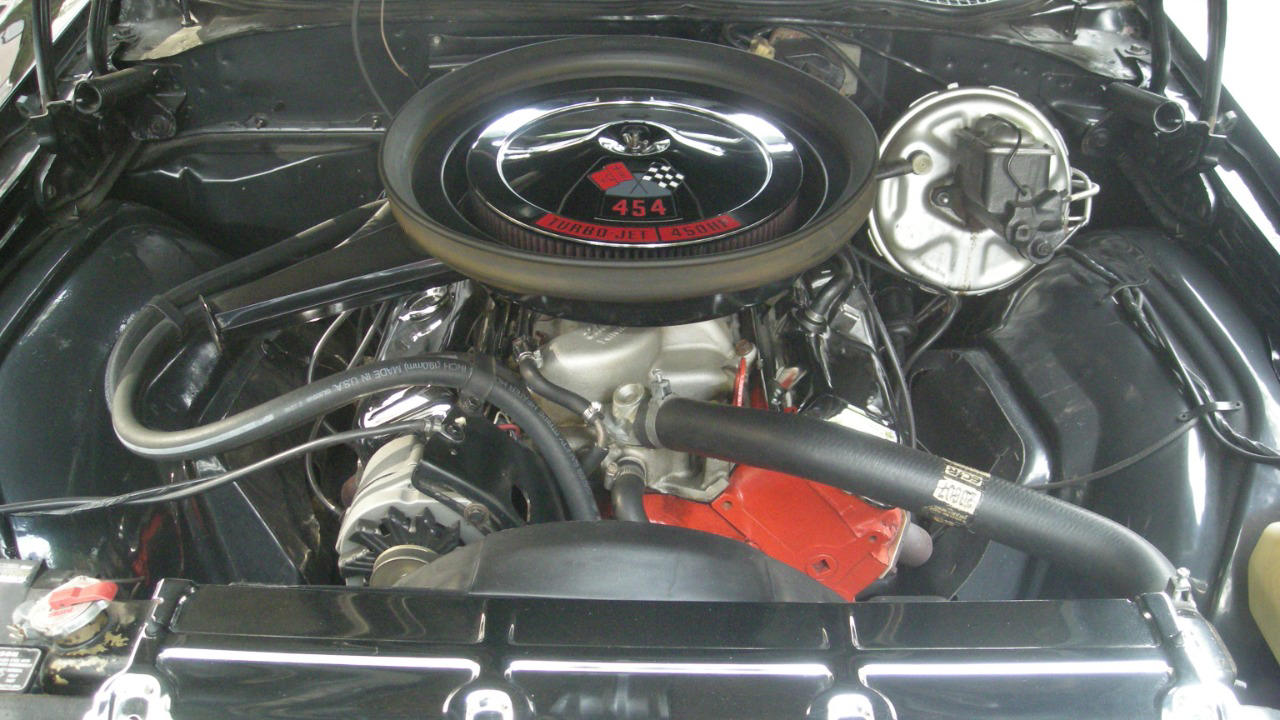
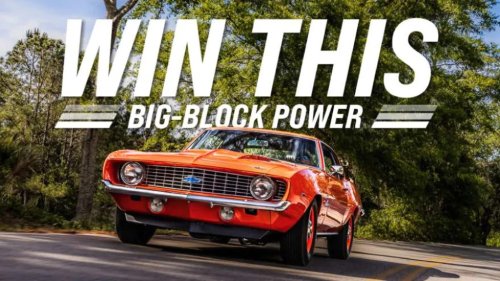
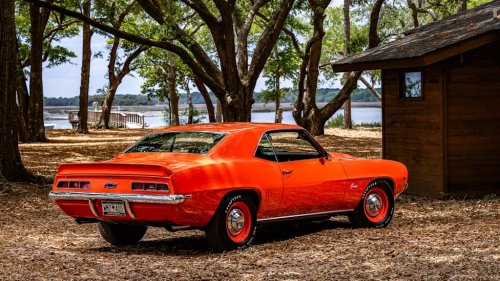
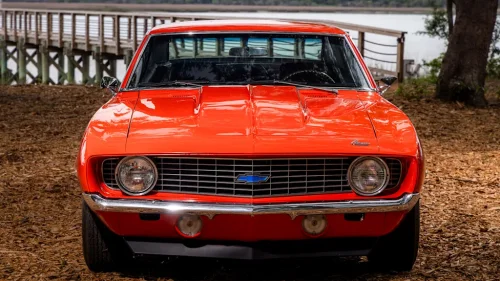
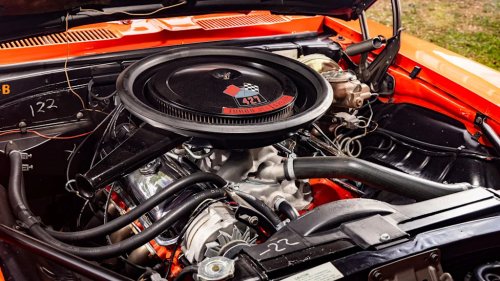
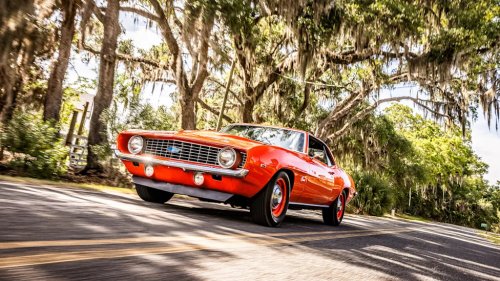
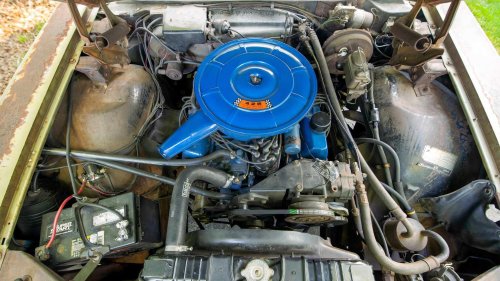
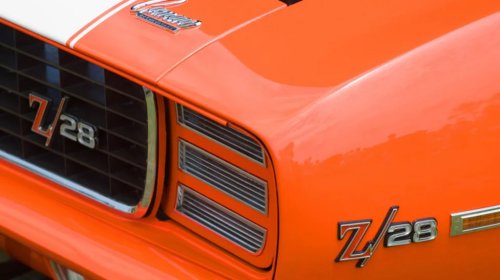
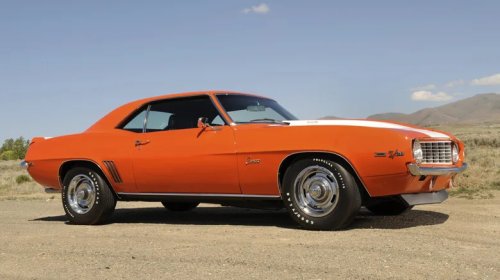
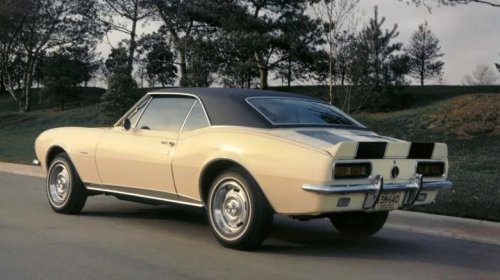
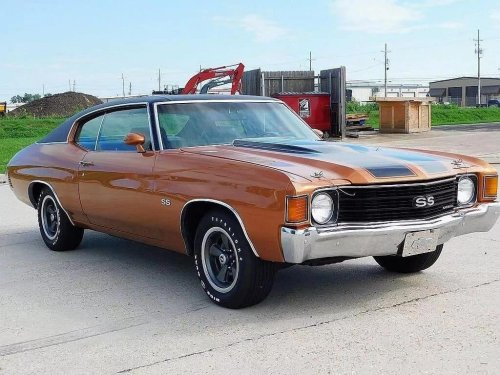
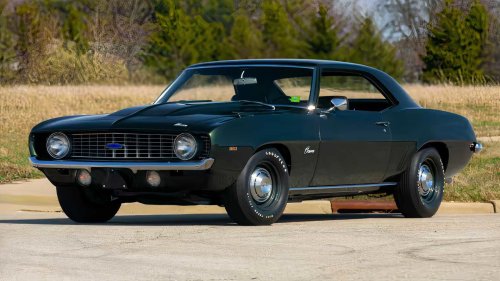
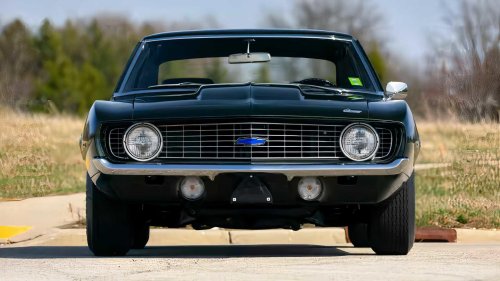
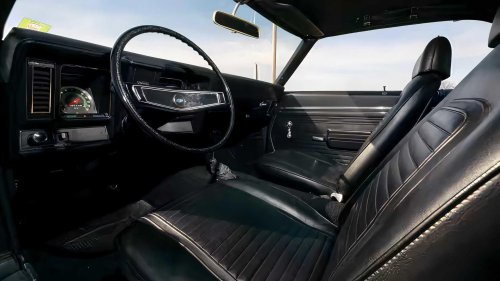
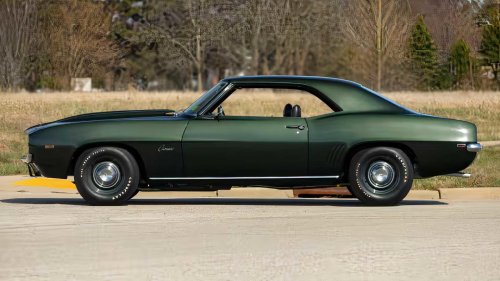
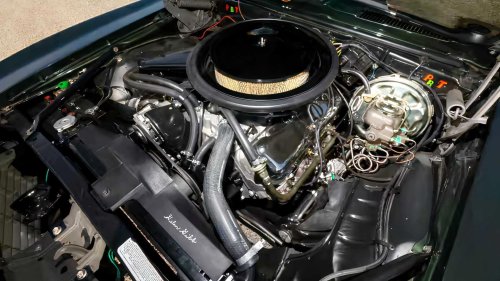
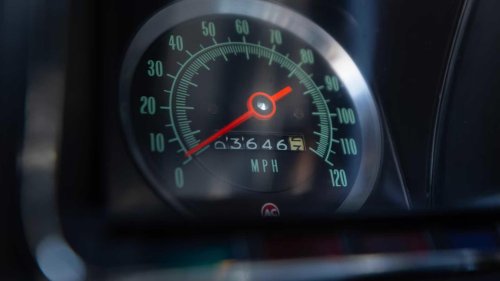
When General Motors introduced big block engines into its lineup in the 60s, it marked a major shift in how American performance cars were built. These engines brought serious low-end torque and a more aggressive character to muscle cars, especially as competition heated up during the late 1960s. In 1967, Chevrolet responded to the muscle car arms race by launching the Camaro SS 396, making it the first Camaro to feature a big block under the hood.The Camaro quickly earned a reputation as a capable, affordable alternative to the Ford Mustang, but with a stronger focus on performance. Over the years, it has become one of America’s most iconic nameplates, known for its V8 rumble, long hood-short deck design, and grassroots racing credentials. Among first-generation models, the 396 cubic inch (6.5-liter) big block stood out for combining usable street manners with impressive performance.Chevrolet offered three factory variants of the 396. While performance differed slightly, all three gave enthusiasts a powerful platform at a reasonable price point. Today, values for this big block Camaro have softened in recent years. First Big Block 1967-69 Camaro 396 L35 Now Average Around $50,000 1969 Chevrolet Camaro SS 396 Front Three Quarter 1969 Chevrolet Camaro SS Current Values (Source: Hagerty)The 1969 Camaro SS equipped with the L35 396 cubic inch (6.5-liter) V8 remains one of the most accessible ways to own a genuine big block muscle car from the golden era. According to Hagerty, values for the 325 hp L35 have declined in recent years, offering enthusiasts a solid entry point into the world of collectible Chevrolets. In “Good” condition, an L35 commands an average of $53,200. “Fair” examples start around $35,300, while pristine, concours-quality cars can reach $87,300.The next step-up is the L34 version, rated at 350 hp. This variant delivered stronger performance thanks to a hotter cam and larger valves, yet it maintains similar streetability. Hagerty lists the L34 at $59,700 in “Good” condition, with “Excellent” examples priced at $78,700. Fully restored, showroom-ready L34 Camaros can top out at $106,000.At the top of the range sits the L78, which produced 375 hp and 415 lb-ft of torque using solid lifters, forged internals, and a high-lift cam. These cars have always attracted performance-focused collectors. Hagerty reports that “Good” condition L78 Camaros now average $66,100. “Excellent” examples are valued at $90,800, and concours-level cars reach $124,000.Given these figures, the L35 variant stands out as a cost-effective way to enjoy a real big block Camaro without breaking into six-figure territory. It still offers strong performance, classic curb appeal, and all the mechanical character that defined late-1960s Chevrolet muscle. For buyers new to the collector market or enthusiasts upgrading from small block cars, the L35 represents one of the best values in first-generation Camaros.Whether for weekend cruising, local shows, or long-term investment, the L35’s current market position makes it a compelling option. As interest in analog-era performance continues to grow, these early big block Camaros may not stay this affordable for long. Camaro SS Values Have Dropped Sharply Over The Last Year Via: Mecum Auctions 1969 Chevrolet Camaro SS Current Value Trend (Source: Hagerty)Over the past 12 months, market data shows a clear downward trend in values for the 1969 Chevrolet Camaro SS 396 lineup. According to Hagerty’s valuation tool, all three factory variants of the big block SS have experienced notable price corrections. The 325 hp L35 and 350 hp L34 each saw a 17% decline in average value, while the high-performance 375 hp L78 dropped by 13.7%.Classic.com’s market analysis of first-generation Camaro SS models from 1967 to 1969 backs this trend. The platform reports an average used value of $69,295 across recent sales. The lowest recorded sale sat at $28,000, while the highest reached an exceptional $390,000. The most recent recorded transaction was $62,700, signaling that while interest remains, buyers are more cautious about what they spend. Chevrolet Camaro SS - 1st Gen (1967 to 1969) Market Value Average Used Value: $69,295 Lowest Recorded Sale: $28,000 Highest Recorded Sale: $390,000 Most Recent Sale: $62,700 Several factors play into the fluctuating values as well. For example, Camaro SS models equipped with the RS appearance package command roughly 25% more than standard SS trims, thanks to the visual upgrades and lower production numbers. Meanwhile, cars equipped with automatic transmissions typically sell for about 20% less than their manual counterparts, reflecting demand from buyers who prioritize engagement and originality.These shifts in pricing do not necessarily indicate a long-term drop in collector interest. Instead, they present opportunities for enthusiasts and investors. With prices dipping from their recent peaks, the Camaro SS 396 (particularly the L35 or L34), now offers more value per dollar than it has in years. For those seeking a classic big block muscle car with strong heritage and reliable parts support, now may be the right time to buy before the market stabilizes or rebounds. The 1967-1969 Camaro SS 396 Big Block Made 325, 350 And 375 HP 1969 Chevrolet Camaro SS 396 V8 Engine 1969 Camaro 396 V8 Engine Variants – Full Specs Chevrolet offered three distinct versions of the 396 cubic inch (6.5-liter) V8 in the first-generation Camaro SS, each aimed at a different kind of buyer. This strategy gave customers flexibility in performance and price without sacrificing the big block experience.The entry-level 396 was the L35, rated at 325 hp and 410 lb-ft of torque. It used a Rochester 4-barrel carburetor and a 10.25:1 compression ratio, delivering strong low-end torque and smooth drivability. Chevrolet paired it with either a 3-speed automatic or a 4-speed manual, making it the most street-friendly option.Next came the L34, producing 350 hp and 415 lb-ft of torque. While it used the same carburetor and compression ratio as the L35, it featured a more aggressive cam profile and larger exhaust valves. It delivered noticeably better performance while remaining reliable for daily driving.At the top sat the L78, a 375 hp big block with 415 lb-ft of torque. It featured a Holley 4150 carburetor, 11.0:1 compression, solid lifters, and forged internals. This engine was meant for buyers who prioritized performance above all else, and Chevrolet often paired it with a close-ratio Muncie 4-speed.These three versions allowed Chevrolet to appeal to a broader market while offering escalating levels of performance in the same platform.





















 +19 others
![Kia, Kia's EV van is getting a big brother: First look at the PV7 [Images]](https://cdn.topcarnews.net/thumb/id/aHR0cHM6Ly9pMC53cC5jb20vZWxlY3Ry-ZWsuY28vd3AtY29udGVudC91cGxvYWRz-L3NpdGVzLzMvMjAyNi8wNi9LaWEtUFY3-LUVWLXZhbi1maXJzdC1sb29rLmpwZWc_-dz0xNTAwJmFtcDtxdWFsaXR5PTgyJmFt-cDtzdHJpcD1hbGwmYW1wO3NzbD0x/66ac7de6e9b1dd689f5206b188a4734c.jpeg?t=20260922&post_id=36747)
![Kia, Kia's EV van is getting a big brother: First look at the PV7 [Images]](https://cdn.topcarnews.net/thumb/id/aHR0cHM6Ly9lbGVjdHJlay5jby93cC1j-b250ZW50L3VwbG9hZHMvc2l0ZXMvMy8y-MDI2LzA2L0tpYS1lbGVjdHJpYy12YW4t-Ny1zZWF0LmpwZWc/47cf4182d9593537da1209d9529c5f80.jpeg?t=20260922&post_id=36747)
![Kia, Kia's EV van is getting a big brother: First look at the PV7 [Images]](https://cdn.topcarnews.net/thumb/id/aHR0cHM6Ly9pMC53cC5jb20vZWxlY3Ry-ZWsuY28vd3AtY29udGVudC91cGxvYWRz-L3NpdGVzLzMvMjAyNi8wNi9LaWEtUFY3-LWVsZWN0cmljLXZhbi1maXJzdC1sb29r-LmpwZz9zdHJpcD1pbmZvJmFtcDt3PTE2-MDAmYW1wO3NzbD0x/bd46839d8eef4aa64810707ddda6e70f.jpg?t=20260922&post_id=36747)
![Kia, Kia's EV van is getting a big brother: First look at the PV7 [Images]](https://cdn.topcarnews.net/thumb/id/aHR0cHM6Ly9pMC53cC5jb20vZWxlY3Ry-ZWsuY28vd3AtY29udGVudC91cGxvYWRz-L3NpdGVzLzMvMjAyNi8wNi9LaWEtUFY3-LWZpcnN0LWxvb2suanBnP3N0cmlwPWlu-Zm8mYW1wO3c9MTYwMCZhbXA7c3NsPTE/2b3010be8b3f4511cfa0fa8d3c4487eb.jpg?t=20260922&post_id=36747)
![Kia, Kia's EV van is getting a big brother: First look at the PV7 [Images]](https://cdn.topcarnews.net/thumb/id/aHR0cHM6Ly9pMC53cC5jb20vZWxlY3Ry-ZWsuY28vd3AtY29udGVudC91cGxvYWRz-L3NpdGVzLzMvMjAyNi8wNi9LaWEtUFY3-LUVWLWZpcnN0LWxvb2suanBnP3N0cmlw-PWluZm8mYW1wO3c9MTM1MCZhbXA7c3Ns-PTE/1e7d88a7c0116acf04ffef5809f349ff.jpg?t=20260922&post_id=36747)
![Kia, Kia's EV van is getting a big brother: First look at the PV7 [Images]](https://cdn.topcarnews.net/thumb/id/aHR0cHM6Ly9pMC53cC5jb20vZWxlY3Ry-ZWsuY28vd3AtY29udGVudC91cGxvYWRz-L3NpdGVzLzMvMjAyNi8wNi9LaWEtUFY3-LUVWLWZpcnN0LWxvb2stMi5qcGc_c3Ry-aXA9aW5mbyZhbXA7dz0xMzUwJmFtcDtz-c2w9MQ/196b79b6cc71b3293c08a38aa7a6618d.jpg?t=20260922&post_id=36747)









![BYD's $10,000 EV has a big sibling on the way: First look [Images]](https://cdn.topcarnews.net/thumb/id/aHR0cHM6Ly9pMC53cC5jb20vZWxlY3Ry-ZWsuY28vd3AtY29udGVudC91cGxvYWRz-L3NpdGVzLzMvMjAyNi8wOS9CWUQtR3Jl-YXQtU2VhZ3VsbC1FVi1maXJzdC1sb29r-LmpwZWc_dz0xNTAwJmFtcDtxdWFsaXR5-PTgyJmFtcDtzdHJpcD1hbGwmYW1wO3Nz-bD0x/4dd4fa96cdf12559891b44c0ae18cc65.jpeg?t=20260922&post_id=64341)