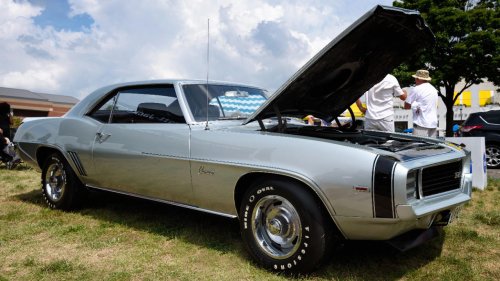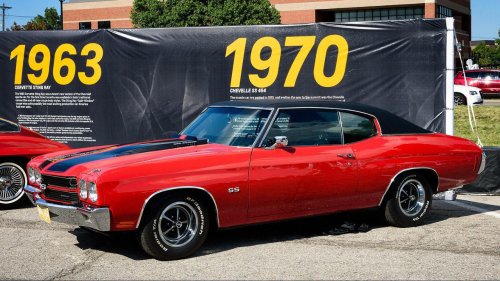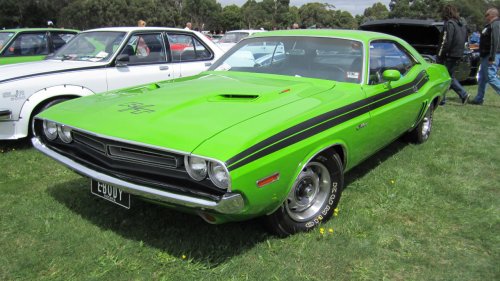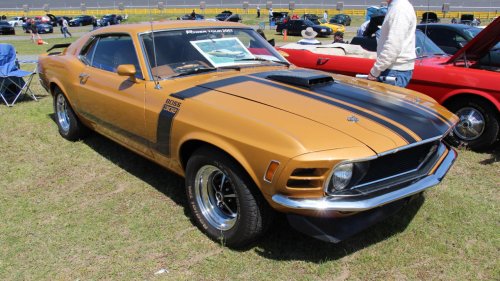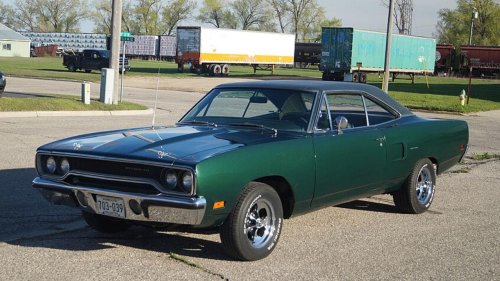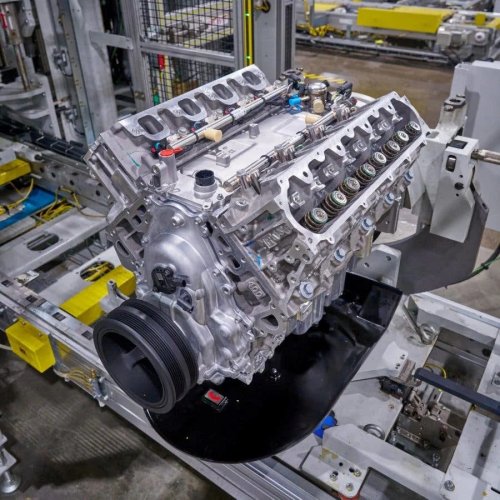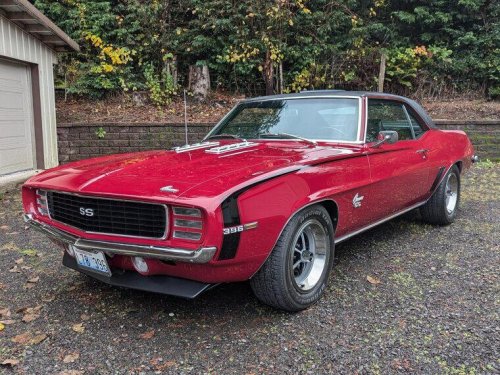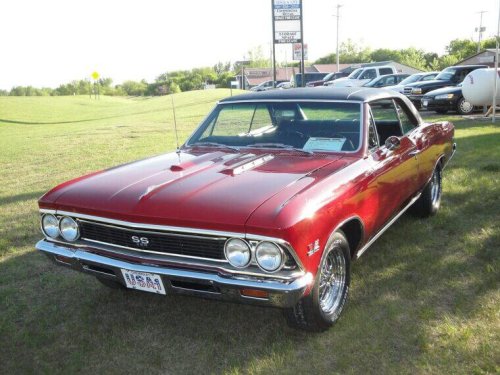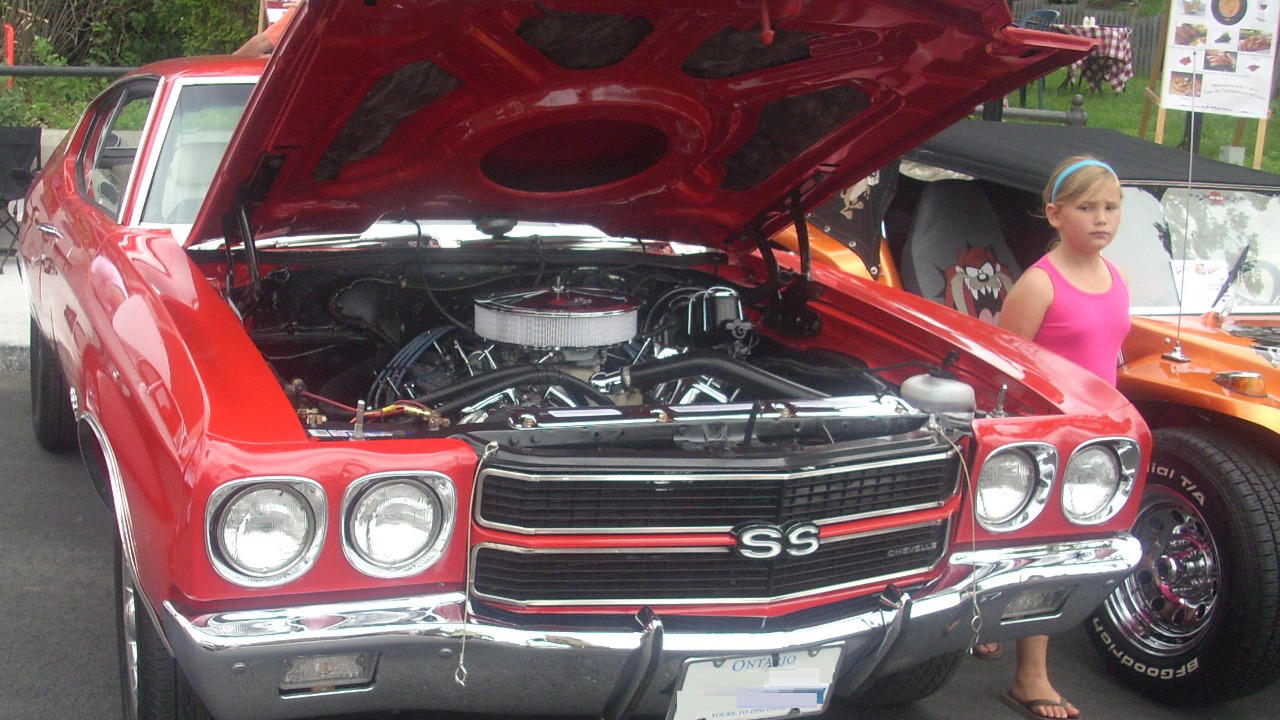



















Small block or big block Chevy which one really defines muscle car powerChevrolet loyalists have argued for generations about which engine family best captures the soul of the muscle car. On one side sits the compact small block that turned everyday Chevys into street sleepers; on the other is the towering big block that made quarter-mile legends out of mid-size coupes. The question is not just which one is quicker, but which configuration truly defines American V8 power. The answer lives somewhere between cubic inches, weight distribution, and the way real drivers use their cars. To understand why the debate still matters, it helps to look at how each engine was built, where it excelled, and how those traits shaped the cars that enthusiasts still chase today. What “small block” and “big block” really mean Chevy fans toss around the terms as if they are self-explanatory, but the labels are more than slang. The original Chevrolet Small Block was engineered with compact dimensions and relatively low mass, which made it easy to package in a wide range of cars and trucks. That combination of modest external Size and Weight helped it become a flexible foundation for everything from family sedans to weekend drag cars, as outlined in technical breakdowns of Chevrolet Small and big block designs. The big block, by contrast, is physically larger and heavier. Its architecture allows larger bores and longer strokes, so Displacement can climb quickly. Guides that compare Chevy families point out that Big block engines typically start around 400 cubic inches and go far beyond, which explains why they became the default choice for high-torque applications. Both are V8s and share broad design DNA, yet their proportions, internal dimensions, and weight characteristics push them toward different types of performance. That is where the muscle car identity question starts to sharpen. Size, Weight, and the Handling Factor Muscle cars are usually remembered for straight-line acceleration, but how an engine affects balance can change the entire character of a car. The Handling Factor comes into play as soon as a heavy iron block sits over the front axle. A small block engine is, as the name suggests, physically smaller and lighter than a big block, and that lower Size and Weight can make steering feel sharper and braking more stable. Coverage of the small block vs big block debate often highlights Size, Weight and the Handling Factor as central trade-offs. On a twisty back road or a road course, a lighter front end lets a 1969 Camaro or 1970 Chevelle change direction with less drama. The front tires carry less load, so they can maintain grip longer before pushing wide. Drivers who grew up autocrossing or tracking small block cars often describe them as more communicative and easier to place at the limit. A big block Chevelle or Nova tells a different story. The extra mass up front can make the car feel nose-heavy, especially in stock form with factory springs and shocks. That weight, however, also stabilizes the car in a straight line. On a prepped drag strip, the heavy front and massive torque output help plant the rear tires and launch the car with authority. For many muscle car fans, that sensation of being pinned to the seat is the entire point. Displacement, torque and the big block stereotype Muscle cars typically have large engines because buyers expect instant torque and effortless passing power. Guides aimed at first-time collectors explain that Muscle cars often pair a mid-size chassis with a V8 that prioritizes displacement over efficiency, and that a smaller engine is only acceptable when a buyer is willing to trade some punch for economy. Big block Chevys were created with that mission in mind. From their earliest use in heavy trucks and full-size passenger cars, they were tuned to move weight with ease. Historical overviews of Big Block Engines note that Chevy developed these powerplants for vehicles that needed serious pulling power, then quickly realized how well that torque translated to mid-size coupes and convertibles. When a 396, 427, or 454 landed in an intermediate body, the result was a car that could overwhelm its rear tires almost at will. Video explainers that walk through big block architecture describe how the taller deck height and broader cylinder spacing leave room for those larger bores and longer strokes. Longer crank throws mean more leverage on the crankshaft, which in turn means more torque at low and midrange rpm. A short explainer on big block vs small block V8s condenses it this way: the big block is physically larger, it weighs more, and it tends to be built for brute force. One clip that breaks the difference down in under a minute, released in Nov, frames the big block as the obvious choice when the goal is maximum thrust, a point echoed in Big block vs small block walk-throughs. In the classic muscle era, that torque made big block Chevys the heroes of street races and drag strips. The Rat motor, as enthusiasts called the big block, became shorthand for serious power. Period accounts of quarter-mile battles describe how a Rat-powered Chevelle SS or Camaro SS could dominate factory-stock shootouts, cementing the big block as the face of raw American muscle. The small block’s quiet dominance Yet if the big block defined the poster cars, the small block defined everyday reality. The small-block Chevrolet V-8, commonly shortened to SBC, became one of the most produced engines in automotive history. Enthusiast histories point out that, add to that the small-block Chevrolet V-8 (SBC), the most prolific engine ever made. Since its 1955 introduction, more than 108 m examples have been built, a figure that no big block family comes close to matching. That production scale shaped American car culture. A video essay that asks What makes an engine so beloved that it powers everything from grocery getters to race cars for seven decades straight traces how the SBC became the heartbeat of hot rodding. Small block Chevys found their way into Tri-Five Bel Airs, third-generation Camaros, S10 pickups, and an endless stream of kit cars and street rods. The engine was compact enough to fit where others could not, yet strong enough to handle serious power with the right internal parts. For muscle cars specifically, the small block offered a different kind of appeal. Cars like the 1967 Camaro SS 350 or the 1970 Nova SS 350 did not always top the magazine test charts, but they felt livelier on real roads. They revved more eagerly than some big blocks, and their lighter weight kept the chassis from feeling overwhelmed. When road tests mentioned balance and steering precision, they were often describing small block cars. Cost, tuning, and real-world ownership When enthusiasts compare small block and big block Chevys, the conversation quickly turns to budgets. A detailed comparison of big-block vs small-block V8s frames the debate as Cost vs. Power. Jan analyses emphasize that Cost tends to favor the small block, while Power per part often leans toward the big block. The small block’s sheer production volume means parts are abundant and relatively affordable, from stock-style components to high-performance rotating assemblies. Builders who chase horsepower per dollar frequently start with a small block core, then add better heads, camshafts, and induction. Modern cylinder head designs and forced induction have pushed small block combinations into power levels that once required a big block. For street cars, that means owners can enjoy big power without the packaging and cooling challenges that come with a huge iron engine. Big blocks still reward investment with effortless torque. A well-built 454 or 496 can produce massive power at moderate rpm, which reduces stress on components and can improve longevity. However, the same parts that make a big block durable and strong also make it more expensive to build. Larger pistons, longer crankshafts, and beefier valvetrain components all cost more, and the engine’s weight can demand upgrades to suspension, brakes, and driveline parts. Enthusiast discussions that ask What’s Better, Small Block or Big Block? Does It Even Matter? often conclude that they both have strengths, and that the right choice depends on how the car will be used. Street cruisers that rack up highway miles may benefit from the small block’s efficiency and lighter footprint. Dedicated drag cars or nostalgia builds might justify the extra fuel consumption and upfront cost of a big block because the experience is so distinctive. Handling, character, and the way a car feels Beyond dyno charts, the engine a builder chooses changes the personality of a muscle car. Coverage that breaks down small block vs big block handling repeatedly comes back to The Handling Factor. A small block in a 1970 Chevelle SS lets the car feel almost nimble for its size, especially with modern suspension upgrades. The steering is lighter, the nose dives less under braking, and the car recovers more quickly from mid-corner bumps. Big block cars often feel more serious and deliberate. The steering can be heavier, and the car may require more anticipation when entering a corner. For some drivers, that weight and inertia are part of the charm. The car feels substantial, like a piece of industrial machinery that happens to wear a coupe body. On a straight highway, the big block’s torque lets the car surge forward with minimal throttle, which reinforces the sense of effortless power that many associate with classic muscle. Short explainers that try to define big block vs small block in 60 seconds often reduce it to this: the small block is lighter and typically revvier, while the big block is heavier and more torque-rich. That shorthand captures why two cars with similar horsepower can feel completely different from behind the wheel. Muscle car identity: big block posters, small block heartbeat Lists that celebrate 10 Muscle Cars That Prove America Can Build High-Powered Machines usually center on the most extreme factory combinations. Those cars almost always feature big block engines, because the defining characteristics of a muscle car are often framed around straight-line acceleration and headline-grabbing horsepower. However, those same features also acknowledge that the definition is fuzzy, and that many beloved cars make their case with a smaller V8 and a more balanced package. In that sense, the big block defines the fantasy of muscle car power. It is the engine most people picture when they think of a Chevelle SS or a first-generation Camaro tearing up a boulevard. The sight of a cowl-induction hood and big block badges still commands attention at shows and cruise nights. The small block, on the other hand, defines the day-to-day reality of muscle car ownership. It powered far more cars, from base-model V8 Malibus to Z/28 Camaros. It made performance accessible to buyers who could not afford top-tier options, and it gave hot rodders an affordable platform to modify. A video series that asks Small Block VS Big Block: Which is better? frames the choice as a matter of personality as much as power, with Sep discussions highlighting how small block cars often feel more approachable and easier to live with. More from Fast Lane Only Unboxing the WWII Jeep in a Crate 15 rare Chevys collectors are quietly buying 10 underrated V8s still worth hunting down Police notice this before you even roll window down The post Small block or big block Chevy which one really defines muscle car power appeared first on FAST LANE ONLY.