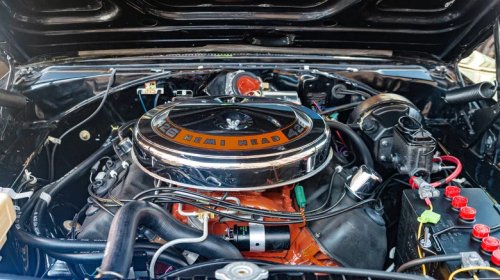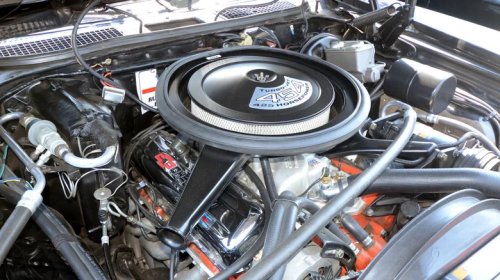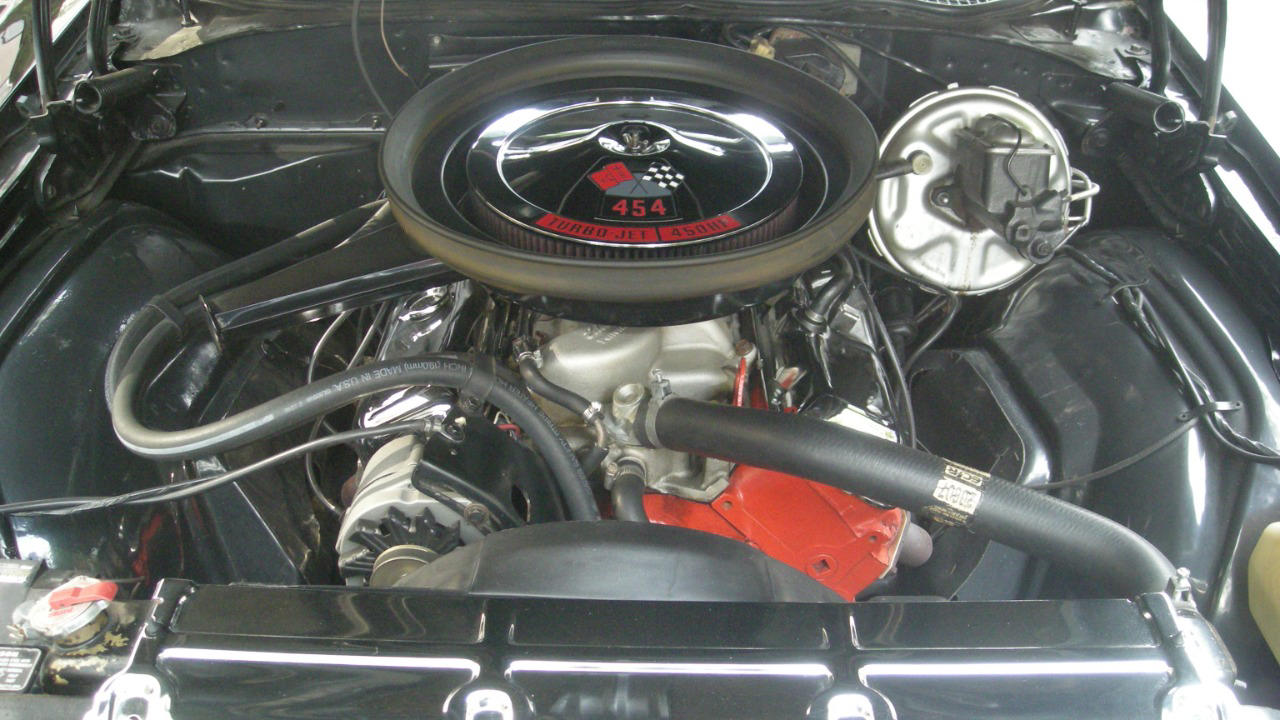



















Hemi vs big block Chevy which engine actually earned its reputationThe Chrysler Hemi and Chevrolet big block did more than power quarter-mile passes. They became shorthand for two rival philosophies of American horsepower, each with its own mythology and fan base. Deciding which one truly earned its legend means looking past nostalgia to how each engine was designed, raced, sold, and remembered. Two different paths to the same target The Hemi name comes from its hemispherical combustion chamber, a layout that allows large valves and a straight shot into the cylinder. The term HEMI literally refers to a Hemispherical Combustion Chamber, which gives the chamber a domed roof instead of a flat or wedge shape. That design, used in the famous 426 Street Hemi and its race-bred siblings, let Chrysler engineers move serious air at high rpm. Chevrolet took a different route. The big block family that began with the 396 cubic inch V8 relied on a canted-valve wedge head, wide bore centers and a deep skirt block. The early 396 was offered with between 325 and 425 horsepower, depending on configuration, and quickly spread into Chevelle SS, Corvette and later Camaro models. Where the Hemi chased peak flow and race wins, the Chevy big block focused on a flexible architecture that could cover everything from family sedans to full race cars. The 426 Hemi as a purpose-built weapon Chrysler’s 426 Hemi was born for competition. The design grew out of the Hemi program that, as one analysis notes, was created for NASCAR, where hemispherical chambers could exploit rules that still allowed huge displacement and simple valvetrains. In drag racing circles, the 426 Hemi is often described as the ultimate architecture. The National Hot Rod Association has called the 426 Hemi a powerplant that represents a legacy of innovation, competition and respect among racers, and has highlighted how the 426 Hemi reshaped expectations for blown nitro power. Street versions of the 426 were sold in limited numbers in Dodge and Plymouth muscle cars. One retrospective on those cars points out that the 426 Hemi was the top-of-the-line engine option for select Dodge and Plymouth models and that it was both the most expensive and the most potent factory engine in their catalogs. Another enthusiast piece describes how Mopar’s legendary 426 Hemi was nicknamed the Elephant, with one post noting that it was nicknamed the Elephant for its massive size and capability. All of that adds up to an engine that, in the eyes of many Mopar fans, sits at the top of the V8 hierarchy. One social media debate framed the 426 Hemi as “the unstoppable” motor of its era, while drag racing coverage has described the Hemi as a benchmark that still shapes how modern fuel engines are built. Big Block Chevy as the everyman legend Where the Hemi was rare and expensive, the Big Block Chevy became the workhorse hero. A retrospective on the first big block rollout recalls that Chevrolet introduced the engine in the Corvette and full-size cars, asking enthusiasts Where Were You when that 1960s launch happened. That same family soon expanded into the 427 and 454, with the 427 Big Block Chevy now celebrated as a legendary engine known for immense torque and for being one of the most iconic powerplants in history. Enthusiast commentary describes the 427 as a true icon of American muscle. Another analysis of GM’s V8 history argues that everyone remembers the small block Chevy as the engine that powered a generation, but that the Chevy big block quietly dominated decades of racing and street performance. That perspective frames the big block as the motor that built hot rods and sustained the aftermarket long after muscle car showrooms emptied. Over time, the architecture scaled up even further. A detailed comparison of modern crate engines looks at how Chevrolet and Ford both built 572 cubic inch monsters, with the Chevy 572 big block positioned as the accessible, mass-market option that thousands of enthusiasts could actually buy and enjoy. That kind of reach is central to its reputation: the big block became the engine regular builders could afford to swap into a Chevelle, Nova, or truck. Inside the metal: design differences that matter Strip away the badges and the rivalry comes down to how each engine moves air and handles stress. A technical comparison of cylinder heads shows a 426 Street Hemi and a typical oval port big block side by side. The piece notes that the 426 casting used massive, high-mounted ports and opposed valves, while the Chevy head relied on an oval port layout and a more compact chamber. The author points out that on the Street Hemi and big block Chevy heads, the Hemi design favors high-flow, high-rpm breathing, while the Chevy wedge head offers better mixture motion and a more compact package. Block architecture differs as well. A technical overview of the two families notes that both engines use four-bolt mains in performance applications, but that the Hemi block was cast with thicker walls and extra material around critical areas for strength. In a breakdown of Chevy VS Hemi, the Hemi is described as having thicker castings that offer greater strength, while the Chevy block is praised for its lighter weight and easier packaging in a wide range of vehicles. Those choices influenced how each engine was used. The Hemi’s heavy, tall deck and wide heads made packaging tricky in smaller engine bays, but gave drag racers a stout foundation for extreme boost and nitromethane. The Chevy big block, with its slightly more compact dimensions and simpler head design, fit more easily into intermediate cars and trucks, which helped it proliferate across GM’s lineup. Track records: drag strips, ovals and street fights On the drag strip, the Hemi’s record is hard to argue with. The NHRA’s own history of the 426 Hemi traces how the architecture went from humble origins to near total dominance in Top Fuel and Funny Car. The combination of hemispherical chambers, strong blocks and aftermarket support made it the default choice for teams chasing championships. Grassroots racers still argue about the matchup. In one online group, a heated thread titled “Comparison of Hemi and BBC Engines for Drag Racing” has enthusiasts trading data and insults in equal measure. The post, shared by Nov and commented on by Tom Gilliam and Taylor Desmond, debates whether a Hemi Cuda or a Chevy-powered car has the edge in a heads-up pass, with the Hemi camp leaning on factory race credentials and the Chevy side pointing to easier tuning and parts availability. On the oval tracks, the early Hemi’s NASCAR roots gave it a strong start, but rule changes and politics eventually limited its presence. Chevrolet’s big blocks, by contrast, found long-term homes in stock car racing, marine applications and endurance events. A video breakdown of American performance history notes that in America, the Big Block Chevy and the Mopar Hemi became the two dominant high-performance and racing power plants, with Ford’s efforts struggling to match their combined impact. Street legends grew from that competition. One video revisits the Chevelle SS 454 LS6 and Chrysler 426 HEMI as the two engines that were so devastatingly powerful that they helped end the first muscle car era. The host asks who was the king in the Chevy 454 LS6 matchup, and frames the answer as a clash between underrated factory ratings and real-world performance. Another clip stages a “hemi 426 versus Chevel SS454 LS6” drag race, calling both engines complete liars about their horsepower ratings while celebrating the 426 and 454 as equal icons. Bench racing and modern comparisons Enthusiasts still test the rivalry on dynos and in YouTube builds. A side-by-side teardown and build series titled “Big Block Chevy And BB Mopar (Hemi) Side By Side. Diving” walks through the differences between the two platforms. The host jokes that the plan is on its third revision, then shifts into a careful comparison of Big Block Chevy parts, from main webbing to lifter angles. On forums, the debate gets even more granular. In a thread called “Hemi vs B block 440,” John Codman, Platinum Level Contributor, references an episode of Engine Masters that compared a Mopar Hemi to a 440 wedge. He notes how John Codman Platinum and others dissected the results, with some users arguing that the extra complexity of the Hemi head did not always translate into a huge advantage at moderate rpm. Technical Q&A pieces add more data. One detailed response on engine balancing includes a picture comparing a 426 Street Hemi and a typical oval port big block, then walks through how each responds to different cam profiles and compression ratios. The author tells readers to note how the Hemi’s large valves and chamber shape demand careful piston dome design, while the Chevy’s wedge chamber is more forgiving for street builds. Myth, marketing and memory Reputation is not just about lap times. It is also about how stories are told. Mopar marketing leaned into the mystique, with ads and later nostalgia pieces painting the 426 as an untouchable giant. One fan post describes how the 426 Hemi was not just an engine but a declaration of dominance in the golden era of muscle cars, and repeats that it was 426 cubic inches of intimidation. Chevrolet’s narrative is different. A video essay on GM’s performance history opens by saying that everyone remembers the small block as the engine that powered a generation, then pivots to explain the secret reason the big block still dominates decades later. The host argues that the Big Block Chevy became the default choice for hot rodders because it was everywhere, cheap and endlessly upgradable. That ubiquity, combined with strong factory showings in models like the Chevelle SS 454 LS6, cemented the big block’s reputation as the people’s champion. Online culture keeps both myths alive. In one Facebook group, Nov posts a provocative comparison of Hemi and big block Chevy engines for drag racing, and the comment section fills with jokes, dyno sheets and personal stories from owners of Hemi Cudas and Chevy-powered Novas. Names like Tom Gilliam and Taylor Desmond pop up in the thread, each defending their chosen camp with equal passion on the comparison of Hemi. Which one truly earned its reputation? Stacking the evidence, the Hemi’s reputation is rooted in peak performance and rarity. The 426 architecture dominated professional drag racing, was engineered for NASCAR, and appeared in some of the most desirable muscle cars ever built. Its engineering is exotic, its nickname “Elephant” is unforgettable, and its role in Top Fuel history is undisputed. When people talk about the Hemi as one of the greatest engines ever, they are usually thinking about that single, focused mission. More from Fast Lane Only Unboxing the WWII Jeep in a Crate 15 rare Chevys collectors are quietly buying 10 underrated V8s still worth hunting down Police notice this before you even roll window down