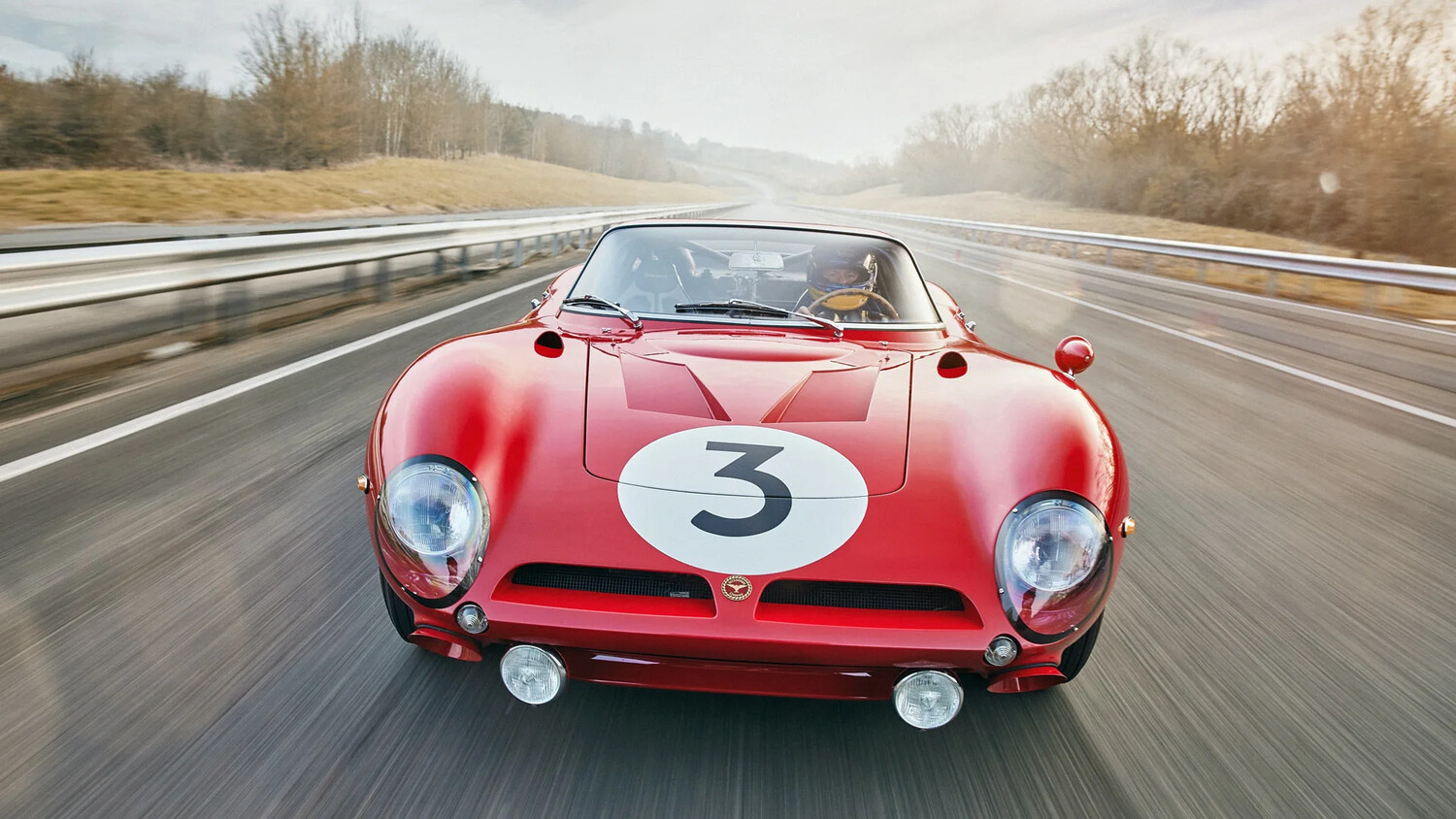
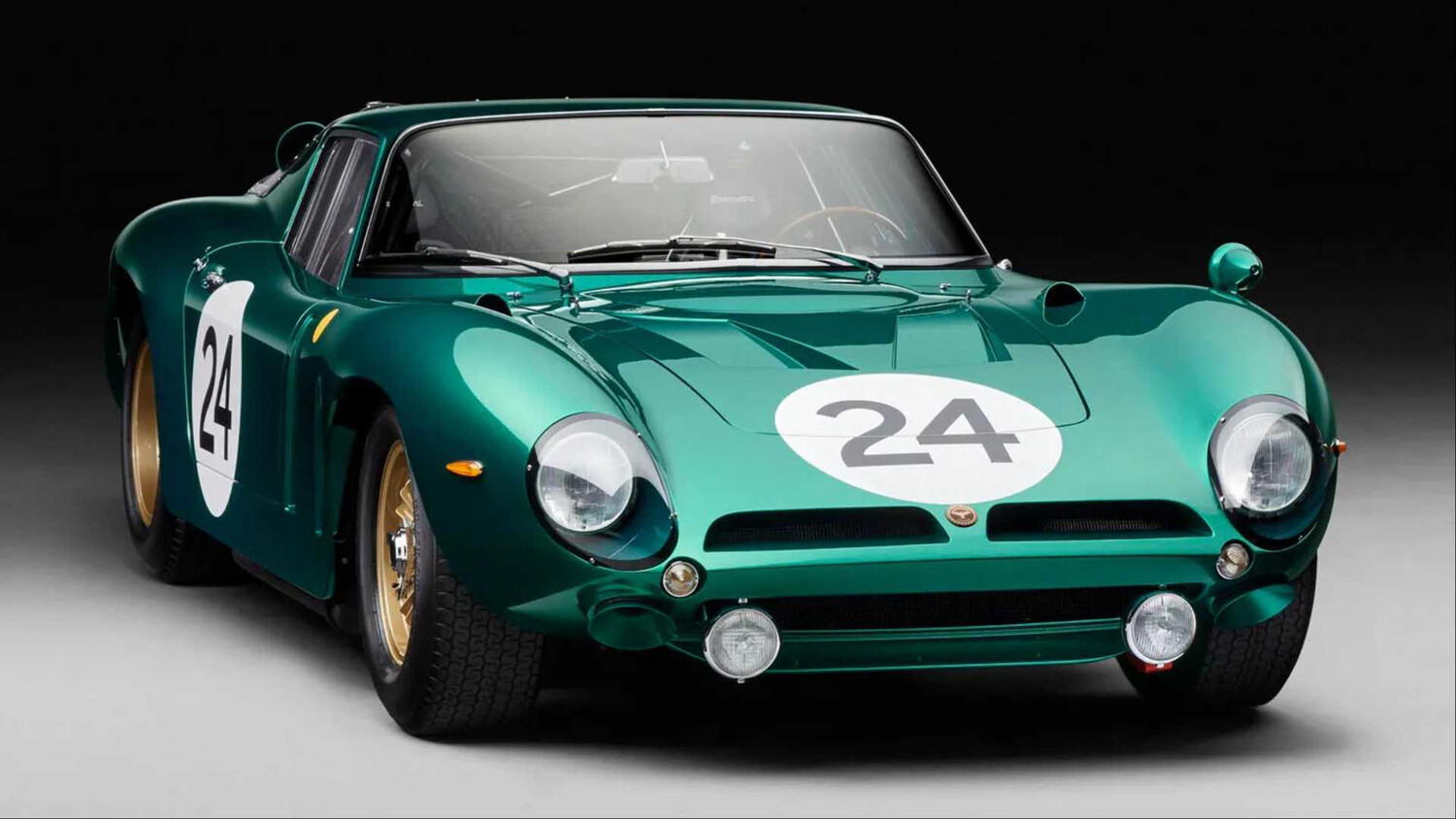
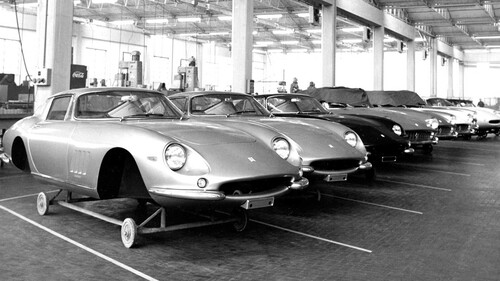
At a pivotal moment in racing history, Italian engineers said Ciao to Chevrolet. Two racing teams from different countries collaborated to create an iconic supercar that collectors covet. They will chase it at seemingly any price tag. But to be fair, it's a rare, proven winner. Unfortunately, it could be too rare for its own good. The supercar faced an extremely limited production, and surviving examples aren’t easy to find. This is causing this legendary racer to fly under the radar despite deserving unlimited time in the spotlight. It’s a bit of an underdog that no one saw coming, as it quickly transferred into a Le Mans superstar.This Italian supercar with a Chevy heart quickly became known as a Le Mans giant killer as it crushed some of the best racing teams of its era. However, after proving itself, the icon quickly vanished. The car was a passion project built with the help of an engineer that's a true visionary with tons of potent heritage. Losing Giotto Bizzarrini Hurt Ferrari RM Sotheby's Giotto Bizzarrini was the legendary Italian engineer responsible for designing and developing the Ferrari 250 GTO. This supercar secured three consecutive Federation Internationale de l’Automobile Gran Turismo (FIA GT) wins from 1962 to 1964. The wins are often attributed to the design changes implemented by Bizzarrini. For example, he decided to experiment with aerodynamics and weight distribution. To improve the aerodynamics, he lengthened the hood, lowered the front profile, and added a Kamm tail at the end. This drastically reduced air resistance. Plus, he moved the engine further back in the chassis to enhance the center of gravity and handling. Bizzarrini also added a dry-sump oil system.But Bizzarrini and several other key engineers left Ferrari before the car’s official launch in late 1961, and the project was completed by Mauro Foghieri. Reportedly, he left after being fired during the “Palace Revolt”, a famous walkout of the top engineering and administrative staff. The event is also known as the “Ferrari Night of Long Knives” and the “Great Ferrari Walkout”. The conflict erupted when the staff demanded that Enzo Ferrari fire his wife, Laura, due to her being constantly disruptive as she interfered with daily operations. As the staff formed a united front to stage an ultimatum, Enzo fired them all on the spot. As a result, Bizzarrini and several others teamed up to create rival automotive firms to build better cars.Some may view Enzo’s loyalty to Laura as romantic, while others feel as if firing so many essential staff members was insane. Reportedly, she stirred up drama and team leaders felt as if she put them in a bad light with coworkers. Rumors suggest that she even got physical and reportedly slapped a senior manager on the factory floor. But Ferrari is still incredibly successful, so the business clearly managed to survive this tumultuous period. A Chevrolet Heart Powers The Bizzarrini 5300 GT Screenshot via Dennis Collins YouTube Channel With a mission to build a better car, Giotto Bizzarrini teamed up with sports director Romolo Tavoni and chief engineer Carlo Chiti to form Automobili Turismo e Sport (ATS). But the project quickly fell apart, and he started his own firm, Sociata Autostar, in 1962 before joining Lamborghini. Clashing with team members seems to be a common theme here.In order to build something that could outrace the Ferrari 250 GTO, Bizzarrini leaned on his previous success with the Iso Grifo, which used Chevrolet Corvette engines. So he decided to use the dependable 327-cubic-inch, 5.4-liter Chevy small-block V8 engine in his new build. It delivers 365 hp and 284 lb-ft of torque in the Bizzarrini 5300 GT Strada, or road-going model. This supercar can accelerate from 0 to 60 mph in approximately 5.8 seconds and cover a quarter-mile in around 14.1 seconds. It features a top speed of 162 mph. Chevrolet engines were seen as much more reliable than Italian alternatives, giving them an edge. Supercar Comparison The Ferrari 250 GTO is powered by a naturally aspirated 3.0-liter Tip 168.62 Colombo V12 engine. It provides 300 hp and 217 lb-ft of torque. This supercar can accelerate from 0 to 60 mph in about 6.1 seconds with a quarter mile time of 14.1 seconds, and a top speed of 174 mph. Thanks to its simple components and mechanical robustness, the Bizzarrini 5300 GT has a reputation for being incredibly durable. These supercars have survived despite being subject to grueling, high-mileage historic rally events such as the Colorado Grand and Mille Miglia. How The Bizzarrini 5300 GT Was Engineered For Success The Bizzarrini 5300 GT is rear-wheel drive with a front-mid-engine layout. The engine is placed so far back in the chassis that it was accessed through the latches in the dashboard and delivers near-perfect balance. Plus, the body has an extremely low profile at 44 inches to provide superior aerodynamics. A 145-liter saddle tank system is located behind the seats to limit weight distribution changes to less than one percent as fuel is burned. Also, the body was originally crafted from lightweight aluminum, but later GT models in America featured fiberglass. It has a curb weight of 2,646 lbs and features a phenomenal power-to-weight ratio. It’s based on the Iso Rivola 300 platform with a front independent suspension that features double wishbones and coil springs. In the rear, you’ll find an anti-roll bar De Dion axle with coil springs. The stopping power is provided by Campagnolo four-wheel disc brakes, and the engine pairs with a Borg Warner T-10 four-speed manual transmission.The Bizzarrini 5300 GT is famous for its class victory at the 1965 24 hours of Le Mans with Régis Fraissant and Jean de Moertemart behind the wheel. It also dominated the prototype class and finished ninth overall despite facing off against highly-favored supercars much larger prototype engines. Plus, it's celebrated for hitting 170 mph on the Mulsanne straight. Being Rare Hurts the Bizzarrini 5300 GT’s Fame via CityAMThe Bizzarrini 5300 GT deserves to be much more popular than it is. Despite being in production from 1965 until 1968, only an estimated 133 models were produced. The Corsa is a stripped-down, track-focused racing model, and the Strada is a road-going Grand Touring model. About 115 of the supercars could be the Strada variant. It doesn’t help that strict product records weren’t kept, and the supercar had standard off-the-shelf components. Unfortunately, Bizzarrini is better known for being an intelligent engineer instead of a businessman. By 1968, the company was running on an extremely tight budget on the edge of financial collapse. It went bankrupt in 1969. He also split with Ranzo Rivolta in 1965, which led to the loss of his financial backing.The company struggled against the high cost of racing and was a bit disorganized. Bizzarrini prioritized expensive racing projects like the P538 prototype over stabilizing the 5300 GT street car for profitability. Also, the 5300 GT failed to break free from the shadow of the Ferrari 250 GTO and couldn’t compete with the widespread marketing and exposure of rival mass-produced sports cars.However, it’s an essential part of racing heritage with incredible exclusivity. In 2020, the reborn Bizzarrini company launched the 5300 GT Corsa Revival that involves hand-built models strictly based on the 1965 Le Man’s class-winning specifications with modern safety features and period-correct engines. This is helping the icon attract more attention. Enthusiasts Are Willing To Pay For Surviving Models BizzarriniMany racing enthusiasts are willing to shell out whatever it takes to snag an original, surviving model. Some examples are listed at over a million dollars on online auction marketplaces. However, the highest sale on record is listed at $915,250. Of course, condition, mileage, and authentic paperwork make a difference in value. The 5300 GT Corsa Revival model is limited to 24 models with prices that start around $2.1 million. The revival is attributed for causing its value to rise, and collectors are quite wary of the amount of replicas and recreations on the market. Unrestored models or units with strictly correct matching numbers have much higher premiums. Also, the alloy-bodied models offer more value than the fiberglass-bodied GT American variants. Because of the simple and durable 5.3-liter Chevrolet Corvette engine with Weber carburetors, parts are widely available, and rebuilds are straightforward compared to exotic Ferrari and Lamborghini V12 engines of the same era. Sharing DNA with American muscle is a massive benefit. However, affordable engine maintenance might be where your luck runs out.Standard annual services such as oil changes, carburetor tuning, and suspension checks require a specialized mechanic. A tune-up may run between $1,500 to $3,000. Also, body and chassis work is hyper specialized. You may need to consult a marque expert to restore the hand-formed aluminum body panels and tubular steel frames. Serious buyers should remember to budget for specialized classic care insurance that is required due to the car’s ultra-rarity. Annual premiums vary based on the agreed-upon value and location. Plus, there are monthly costs for storage and security. This type of investment-grade asset requires mandatory climate-controlled storage.Source: Hagarty, Audrain Auto Museum, Classic