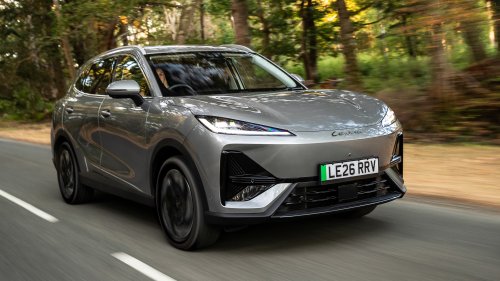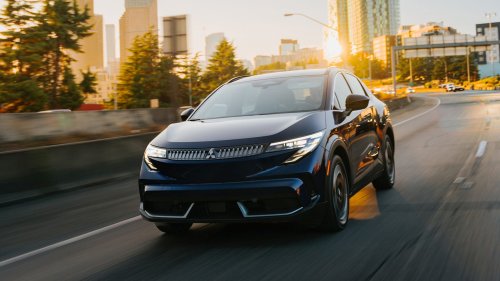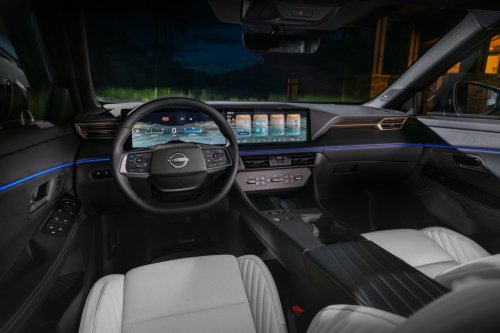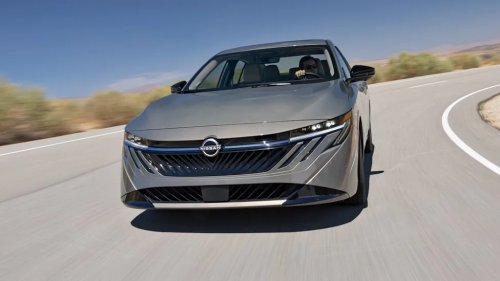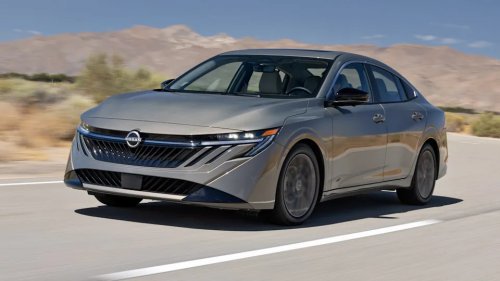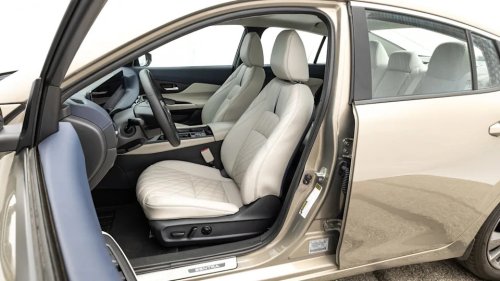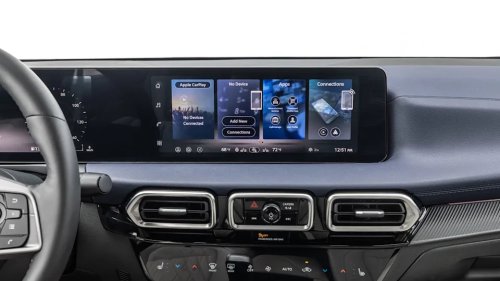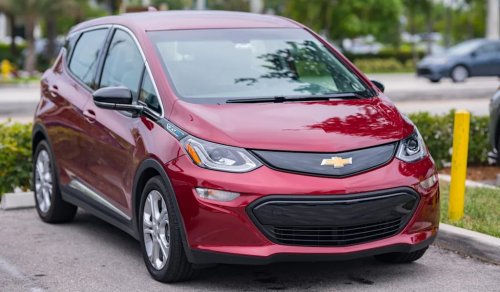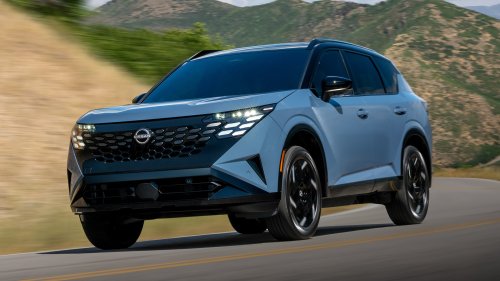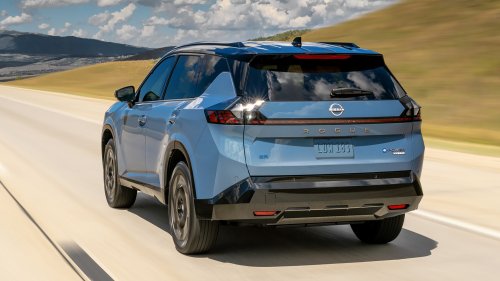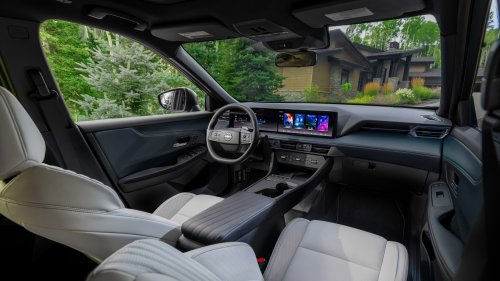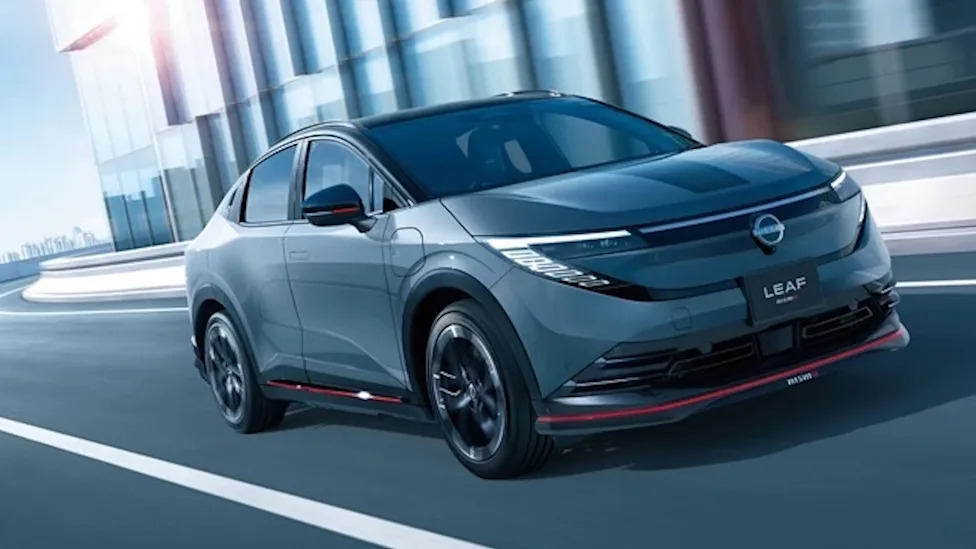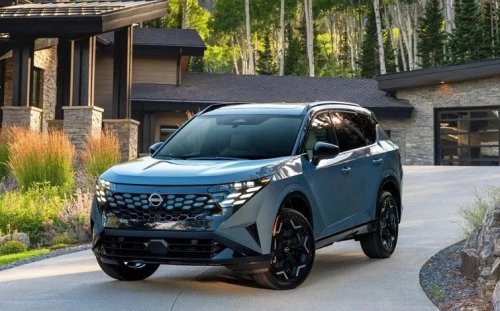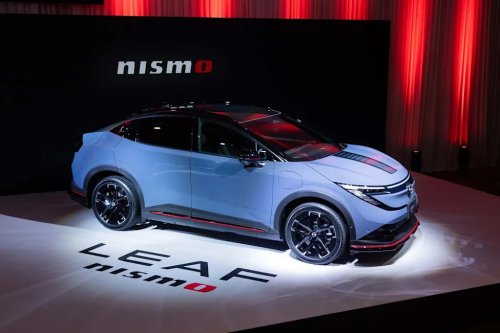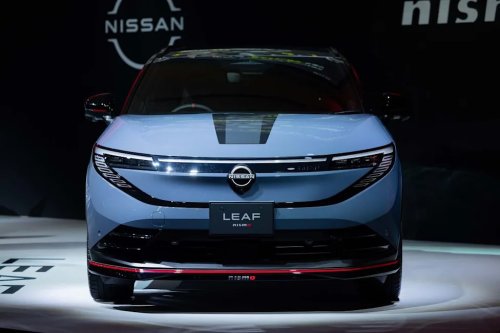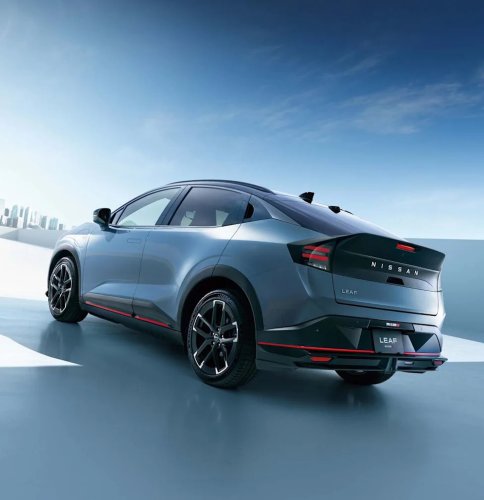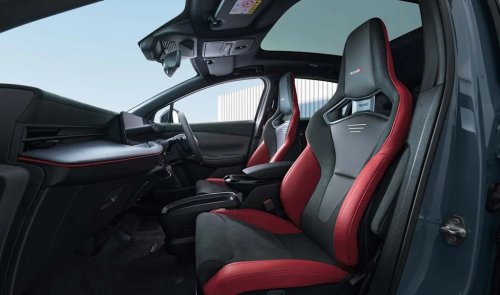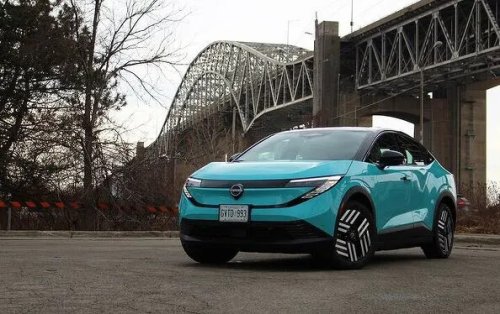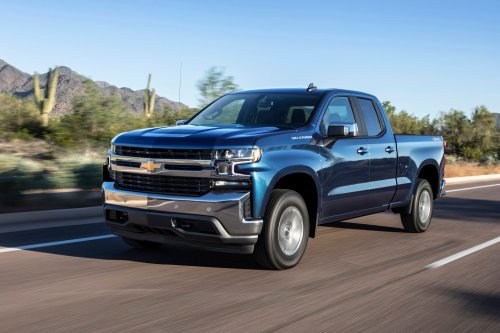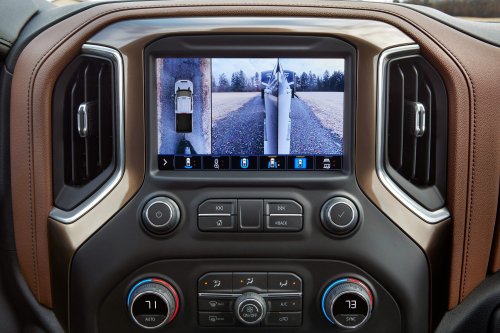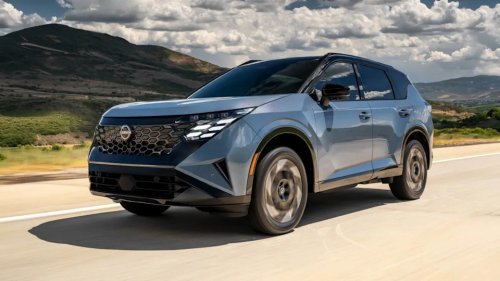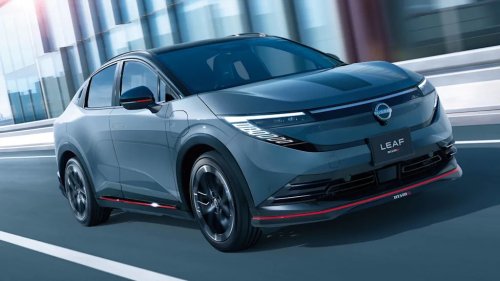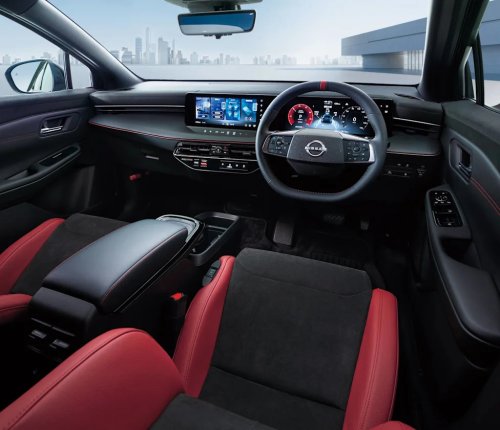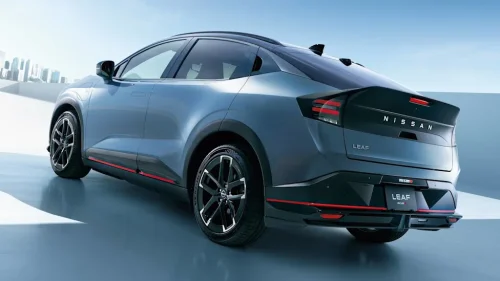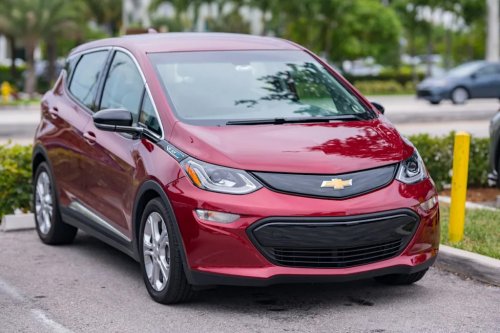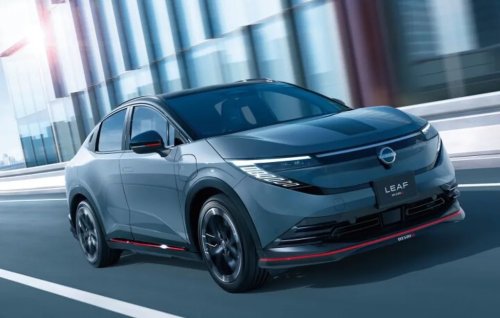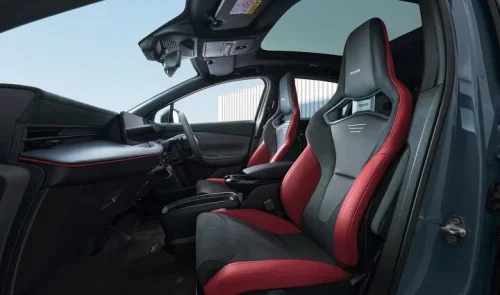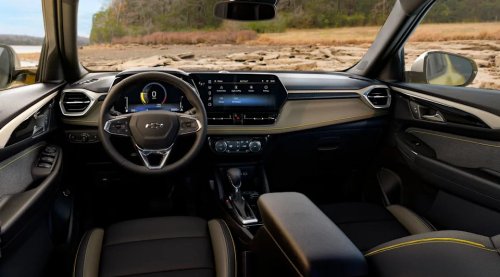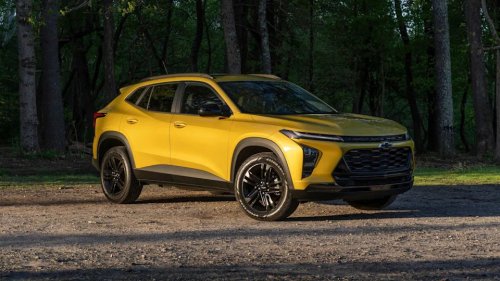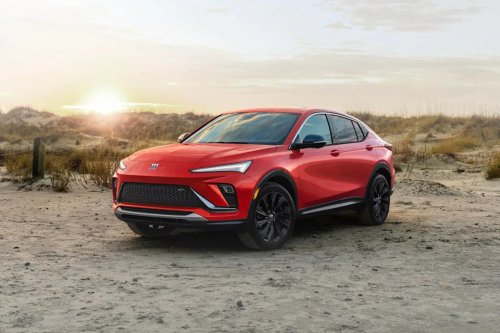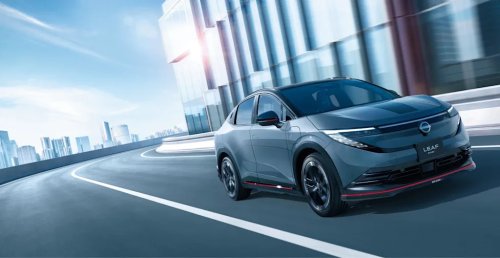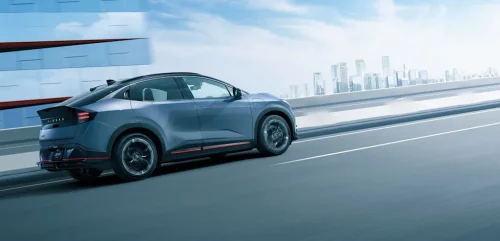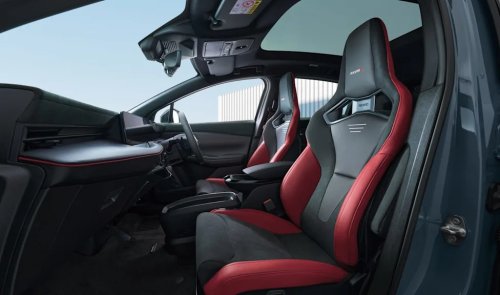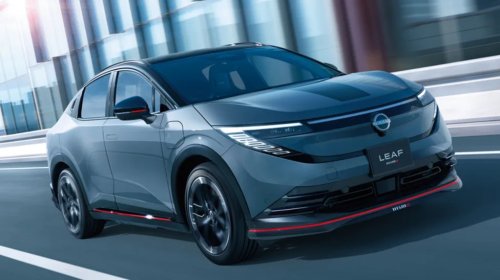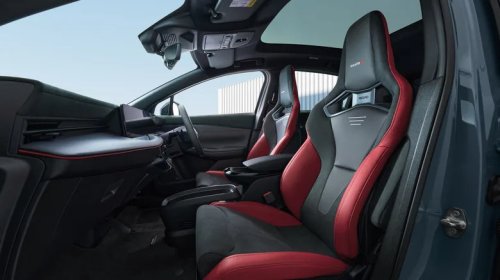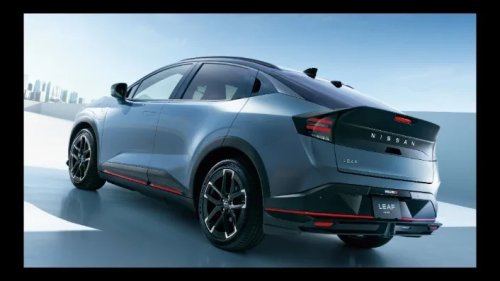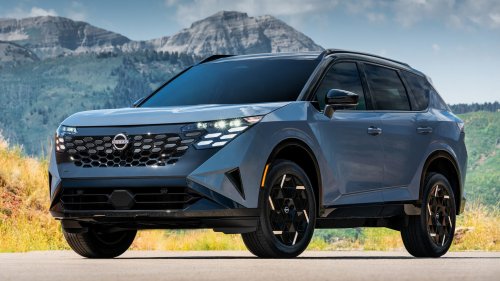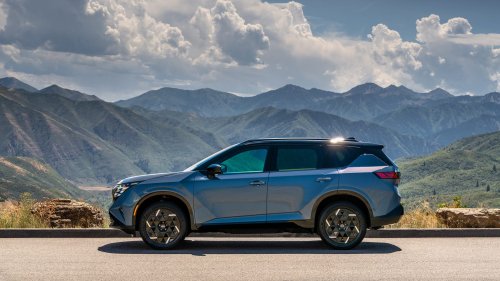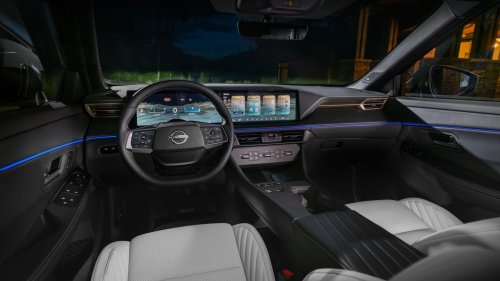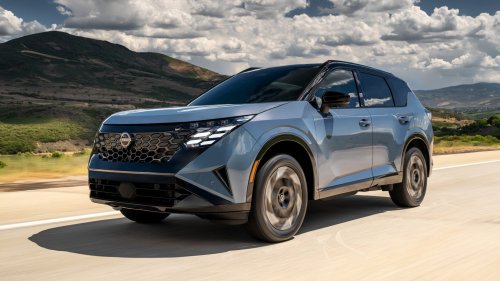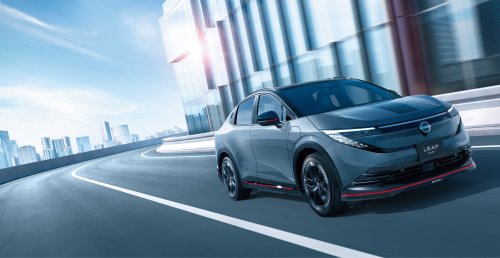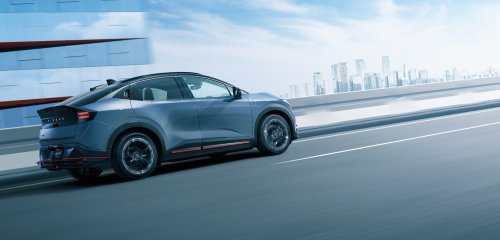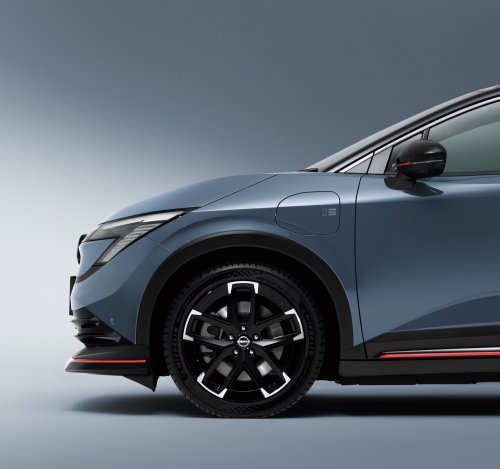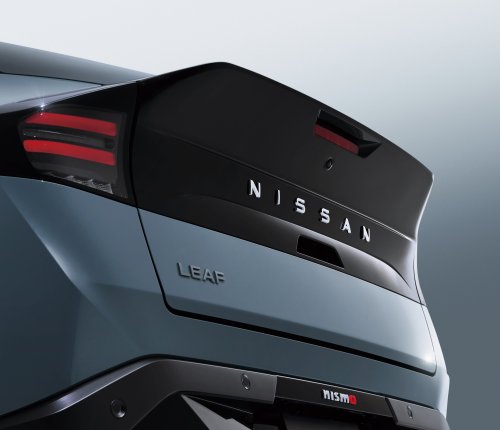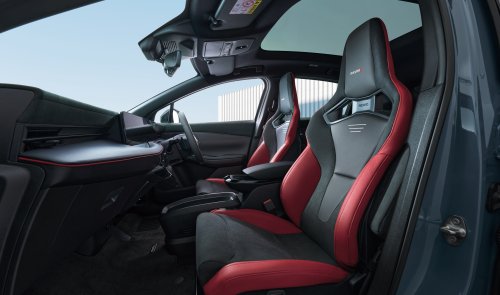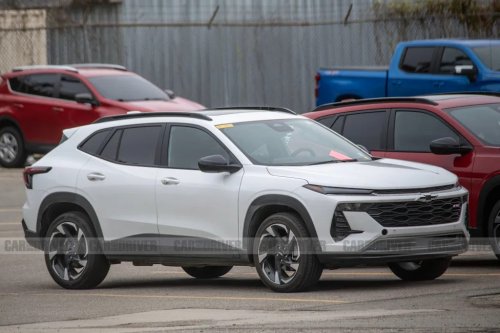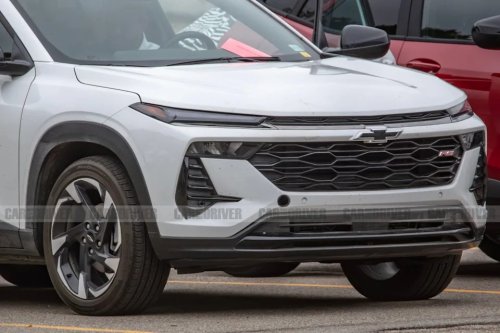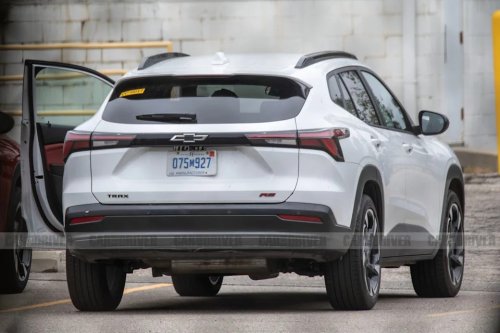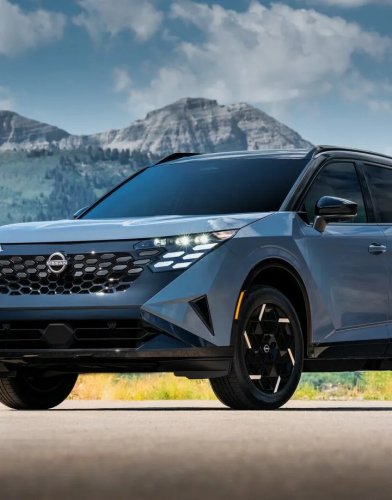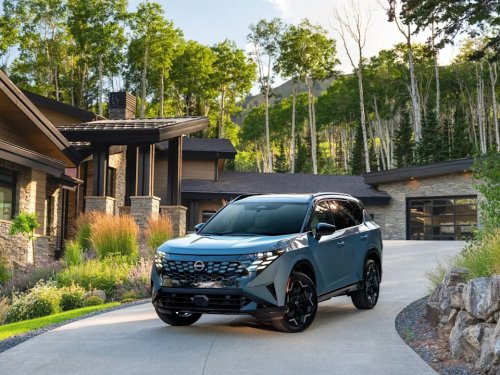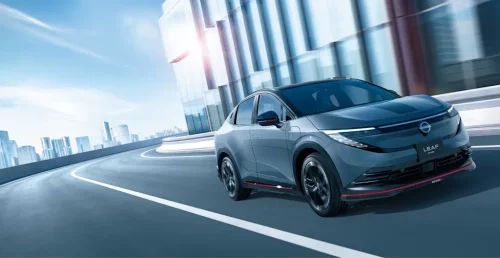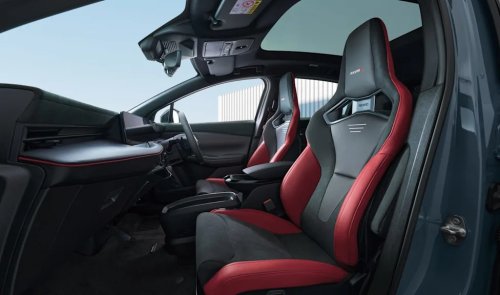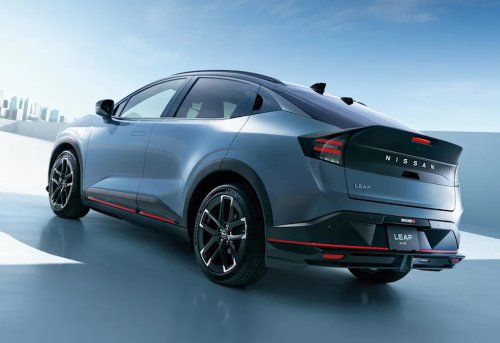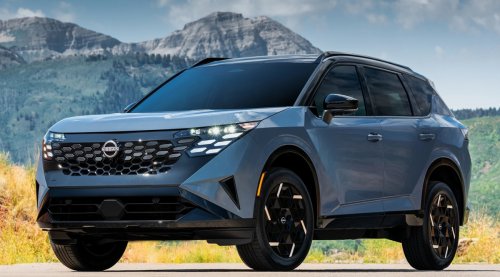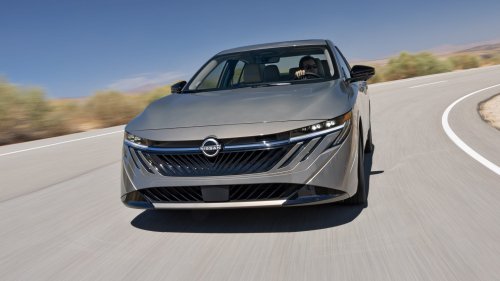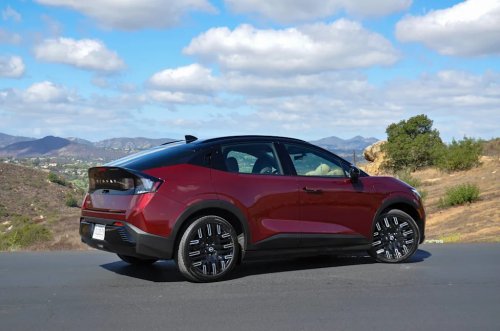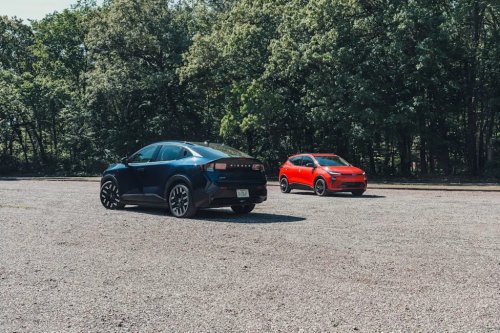
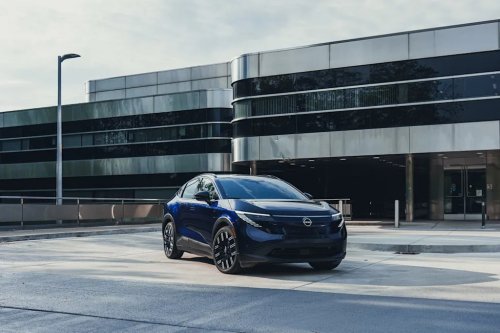
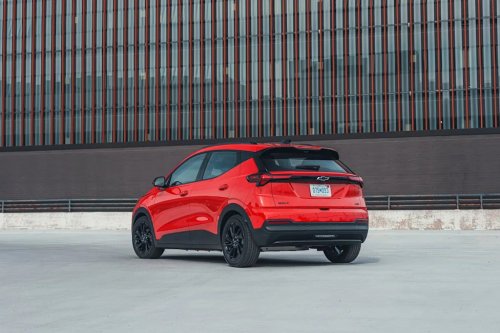
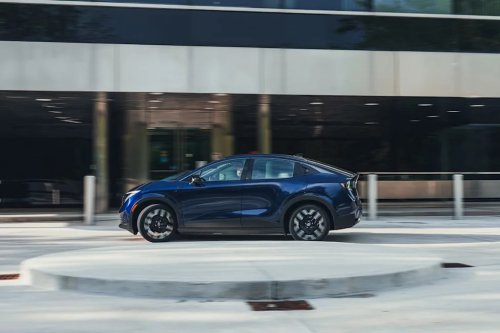
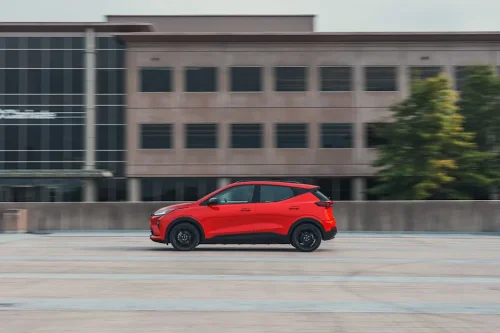
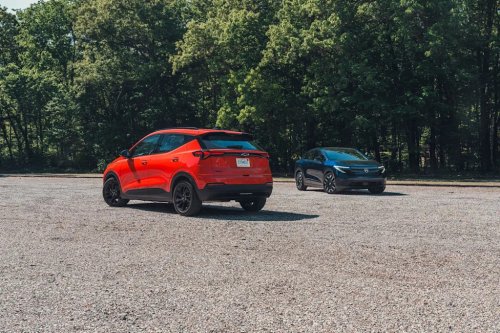



















Chevy Bolt vs. Nissan Leaf Comparison TestMarc Urbano - Car and Driver (Marc Urbano - Car and Driver)It almost feels like the intro to a superhero movie. The automotive world is in disarray. Gas prices are pushing to European levels, and it feels like every new EV rolling off the line costs no less than $50,000—if not $100,000. Yet what people really need is honest, affordable electric transportation. Then, the clouds split, and CRACK—the 2027 Chevrolet Bolt arcs its way to terra firma, landing with a positively vintage starting price and a wealth of useful updates.The Bolt's absence these past few years was definitely felt, but it's not like it was the only game in town. Finally receiving its own makeover, the Nissan Leaf has been holding down the affordable-EV fort in Chevy's absence, offering roomy hatchback space and a battery that, unlike before, delivers genuinely useful range. Now that both cars are on the market simultaneously—albeit for not very long, thanks to GM's long-held tradition of making questionable decisions—it's time to figure out which sub-$40,000 EV deserves more attention from the lower half of the K-shaped economy.2026 Nissan LeafMarc Urbano - Car and Driver (Marc Urbano - Car and Driver)Interior and ExteriorFrom the outside, the Leaf is easily the more futuristic and sleeker of the two, which shouldn't come as a surprise, considering Chevrolet changed maybe four things about the way the Bolt looks. At least the brake lights are in the correct location this time around. The Leaf's slicked-top shape looks positively premium, thanks in part to Nissan's latest corporate face and taillights that borrow from the new Z sports car.AdvertisementAdvertisementIf you're not a fan of range-enhancing design quirks, you'll probably prefer the Bolt's door handles, which are, you know, normal, as opposed to the Leaf's pop-out fronts and high-mounted integrated rears. Both cars have prominent charge port doors located just ahead of the driver's door. Both models shown here—the Leaf Platinum+ and the Bolt RS—are their respective top specs, but the Leaf is the only one with a power liftgate. The Leaf wins seats-up cargo space, offering 20 cubic feet against the Bolt's 16, but the two are effectively tied with the rear seats folded at a rounded 56 cubic feet apiece.2026 Nissan Leaf Platinum+HIGHS: Ultra-comfy seats, well-appointed interior, good low-speed grunt.LOWS: Poor brake pedal modulation, hit-or-miss haptics, less passenger space.VERDICT: A low-cost EV that doesn't feel cheap.Let's head inside. Once again, the Leaf emits way more futuristic vibes. The dashboard is a series of unbroken spaces made of materials that are nice to both observe and touch. You'll find a smattering of buttons below the infotainment, covering gear selection, one-pedal driving, and quick access to various corners of the infotainment. The climate controls are haptic bits seemingly embedded into the trim itself. The seats are mighty comfortable—Nissan's got this part down pat—and the center console is a floating type with a couple of cupholders and a center armrest. We wish the space near the floor were better utilized with a basic tray of some kind; currently, whatever you put down there (like a purse or small bag) is liable to enter somebody's footwell mid-turn.The Bolt's cost-cutting is more evident from the moment you open the door. In traditional GM fashion, the interior—while attractive—is lined with plastics that register a 10 on the Mohs' scale of mineral hardness. That said, the Bolt's dashboard is filled with all sorts of usable cubbies and hidey-holes, and we prefer the center console's layout, which floats similarly to the Leaf's but contains a proper floor tray for holding extra items. The seats are comfortable, though the Nissan's are better. We also appreciate the use of physical buttons and dials for the climate control. The Bolt's infotainment has a more interesting look than the Nissan's, but smartphone mirroring remains absent, as GM would rather hoard and sell your data like some sort of mythical dragon.AdvertisementAdvertisementWhile both hatchbacks offer ample room, the Bolt is the winner when it comes to maximizing interior space. The Leaf wins the numbers game in first-row headroom, at 39.9 inches against the Bolt's 39.1, in addition to shoulder and hip room across both rows. Otherwise, the Bolt offers 1.2 more inches of rear headroom, 1.9 extra inches of front legroom, and a whopping 7.3 inches of additional rear legroom.Marc Urbano - Car and Driver (Marc Urbano - Car and Driver)Powertrain and PerformanceUnsurprisingly, neither of these affordable electric cars tackled our test track with the hasty aplomb of a sports car. These are both efficiency-minded machines and act as such. Our Leaf Platinum+ is single motor and front-wheel drive, producing 214 horsepower and 261 pound-feet of torque and receiving power from a 75-kWh battery pack. The Bolt's single drive unit is a little less powerful at 210 horsepower and 169 pound-feet, and its battery is a tad smaller at 65 kWh.That said, the Bolt makes up for its deficiencies with ease. The Leaf's deeper well of torque gives it the advantage in sprints to 30 and 40 mph, something you'll notice in town, and the two cars are in a dead heat up to 50. By 60, however, the Bolt pulls ahead, finishing the sprint in 6.7 seconds against the Leaf's 6.9. The Bolt also proved quicker in our 5-to-60-, 30-to-50-, and 50-to-70-mph runs, as well as in the quarter-mile, where it tops the Leaf by 0.2 second and 2 mph. Curb weight plays a major role here; the Bolt tipped our scales at 3793 pounds, a whopping 574 pounds less than the Leaf. Yet, both are evenly matched around our skidpad, with the Bolt's 0.82 g of stick a mere rounding error away from the Leaf's 0.83 g.2027 Chevrolet Bolt RSHIGHS: Fun to drive, real-deal switchgear, roomy rear seat.LOWS: Hardtack interior materials, no smartphone mirroring, confoundingly limited life cycle.VERDICT: GM's latest and greatest has an awfully short shelf life, much to our chagrin.AdvertisementAdvertisementBut the people probably care more about range than performance in this segment. On our 75-mph highway range test, the 2026 Leaf managed 250 miles, just nine short of its EPA estimate. Meanwhile, the Bolt went 230 miles on the same road at the same speed, which isn't a huge surprise given its smaller battery and past Bolt performances in this test. Neither of these cars will receive an award for DC fast-charging speed; both the Leaf and Bolt are limited to 150 kilowatts.Once you're up to 75 mph (or higher, depending on the lead content in your right foot), you'll need to get back down to zero eventually. Unsurprisingly, the lighter car once again delivered stronger results; the Bolt stopped from 70 mph in 179 feet, besting the Leaf by five feet.Driving ExperienceWe evaluated these two vehicles as part of our EV of the Year judging, so multiple C/D editors were able to drive both cars back to back and fill the respective logbooks with their likes and dislikes. On the objective front, the Bolt won the driving-experience crown by a country mile.Marc Urbano - Car and Driver (Marc Urbano - Car and Driver)The Leaf drove well enough, tackling the corners of our rural Michigan evaluation loop with competence, but it didn't feel nearly as composed as the Bolt. The Leaf's tires (235/45R-19 Bridgestone Alenza Sport A/S) gave up well before the Chevy's rubber (215/50R-17 Michelin e.Primacy All Season) did, and while the Bridgestones did so progressively, there was a whole lot of tire noise along the way.AdvertisementAdvertisementThe Leaf's power delivery made it easy to dial in oomph as needed, but most editors took issue with the Nissan's brake pedal. Outside of the e-Step one-pedal-driving mode, the pedal felt entirely too soft, and with mild regeneration enabled, there was an awful lot of dead space from the initial pedal push to the start of deceleration. With e-Step enabled, the brake pedal moves on its own as the vehicle slows down; ostensibly, it's meant to provide accurate brake pressure no matter when the driver presses the pedal, but as we experienced when Mercedes debuted this tech on its EQS, it simply felt weird. You'd think Nissan would've noticed how many of us lambasted the EQS for this tech, which Mercedes has largely abandoned; perhaps Nissan should read more reviews.Marc Urbano - Car and Driver (Marc Urbano - Car and Driver)By comparison, the Bolt felt positively normal. The fun brake-regeneration shift paddle is gone, and in its place is a three-stage system accessed through the touchscreen—not our preferred setup. You can choose between no regen, some regen, and a helluva lot of regen, none of which move your pedal. In fact, the Bolt's brake pedal felt better and inspired more confidence across every use case. Most logbook entries praised the Bolt's overall handling, which gave us more of a "slow car fast" vibe than the Leaf's positively pedestrian demeanor.Another high point in the Bolt's driving experience comes from software that does some of the driving for you. GM's Super Cruise is available on the Bolt RS, though it requires a total of $4450 in options, including both the Super Cruise package and the Technology package. We've long been fans of this software, which provides some of the best hands-free highway operation this side of Tesla. And to be able to shoehorn it into one of GM's most affordable vehicles only sweetens the deal. Nissan has similar tech with its ProPilot Assist, but it has never felt as fully featured as Super Cruise.Marc Urbano - Car and Driver (Marc Urbano - Car and Driver)And the Winner Is . . .Whether you place a priority on driving dynamics, driver assists, or affordability, the Bolt rises to the top as the superior sub-$40K EV. Granted, when equipped as thoroughly as our two test cars were, both vehicles can easily rub up against that price stratum (and, in the Leaf's case, exceed it). However, both remain positively affordable in a world where the average new-car transaction price is cresting the $50K mark.AdvertisementAdvertisement➡️ Skip the lot. Let Car and Driver help you find your next car.Shop New Cars Shop Used CarsYou really can't go wrong with either of these cars, but if you want to stretch your dollar as far as it'll go, we think the Bolt provides the better value and a superior overall experience—while it's still available, at least.You Might Also LikeGift Guide: Best Ride-On Electric Cars for KidsFuture Cars Worth Waiting For: 2025–2029