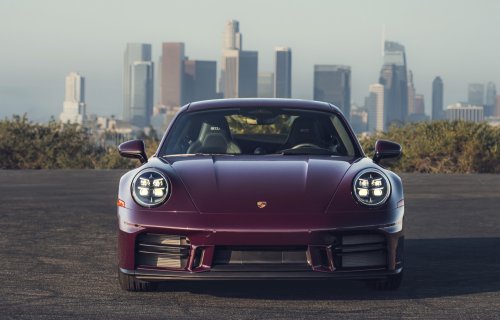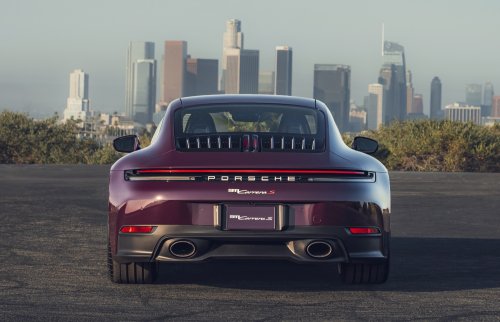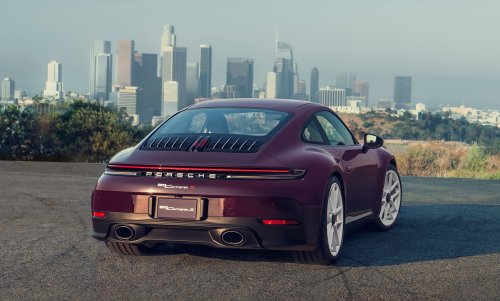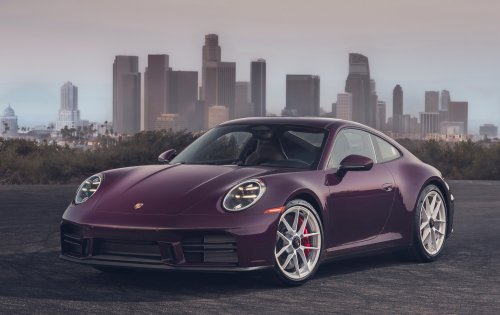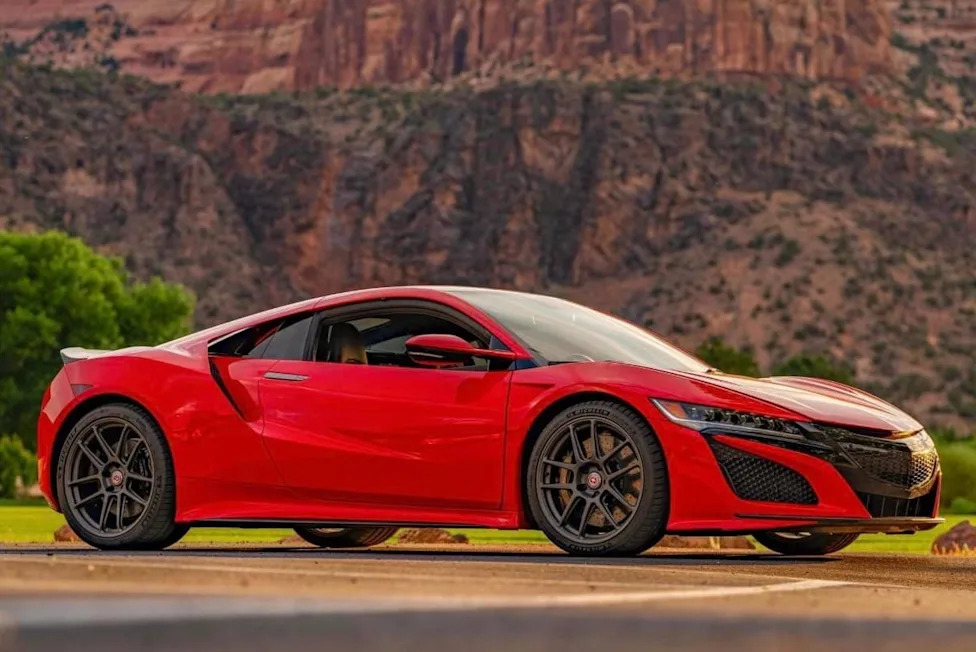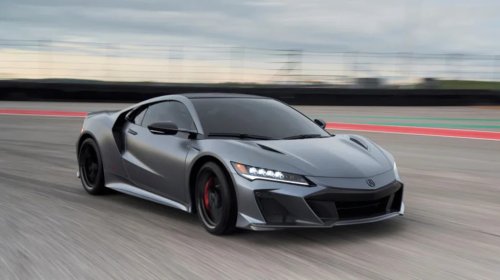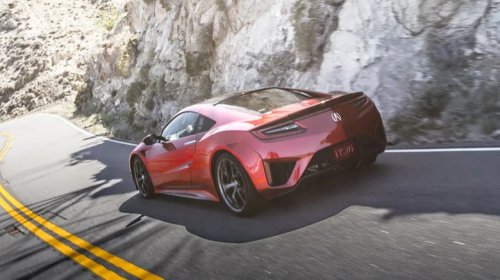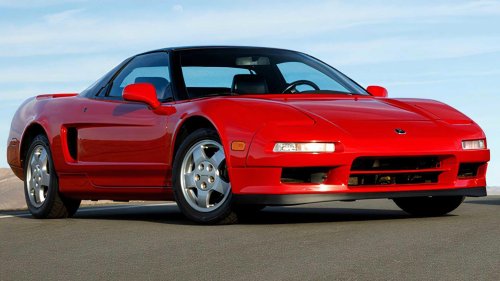
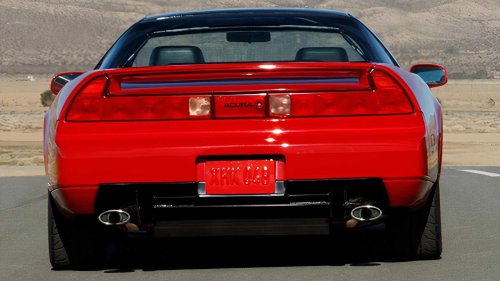
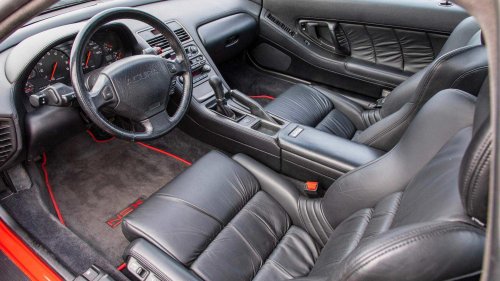
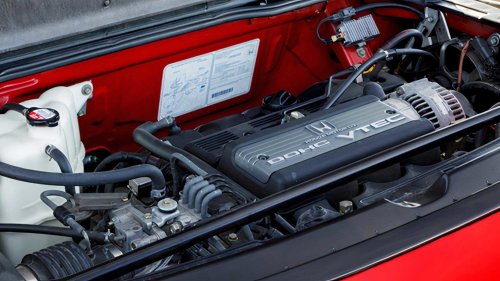
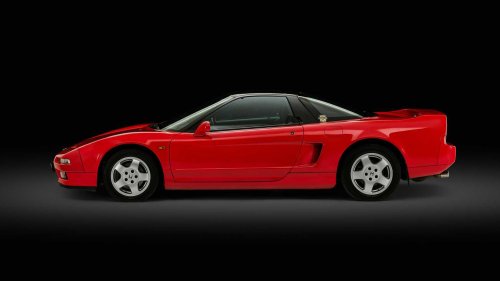
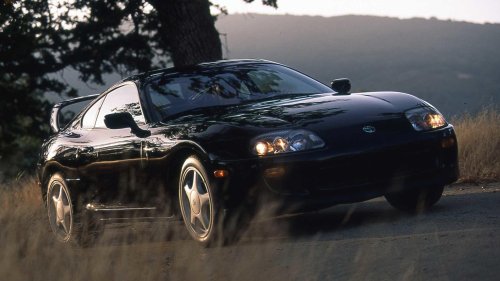


















Jump LinksHonda's Supercar Immediately Left Ferrari Red-FacedBuying A 1993 NSX Won't Cost So Much TodayHonda made the performance world sit up and pay attention back in 1990, when the NSX made its worldwide debut. The Japanese brand had been working hard over the last several decades to take the fight to the established American and European manufacturers on their home turf. The NSX existed to provide the kind of performance expected from a Ferrari, but with the sort of everyday versatility you'd get from a normal Honda. It was the world's first daily supercar. It may have been relatively cheap when compared to the Ferrari 348 it went up against, but that doesn't mean the NSX was affordable. Honda models were placed towards the lower end of the market in terms of value, and its advanced supercar went completely against this approach. At around $70,000, depending on which spec you chose, this was an expensive coupe. Fortunately, they're a little cheaper to get your hands on in 2026. The NSX Was Envisioned To Provide Usable Performance AcuraWanting to further cement itself at the pinnacle of automotive manufacturing, having already proved it could provide the world with affordable cars that were exceptionally reliable, Honda decided to take the fight to the highest-regarded names in the world. The NSX was developed to be as fast as a Ferrari while also being easy to use, and Honda certainly got the first part right. The 3.0-liter VTEC-equipped V6 provided usable power due to being naturally aspirated and having a smooth torque curve. The advanced independent suspension setup meant the vehicle handled with balance and poise, while enjoying excellent traction at the same time.As with the rest of the machine, the engineers ensured the NSX could be used day to day without leaving you stuck at the side of the road, unlike a sports car with some Italian DNA. The company went further than this to make the NSX great on normal roads, too, such as leaving enough trunk space for a set of golf clubs, and including a canopy-like roof arrangement that provided enough visibility to make maneuvering it as straightforward as in a Civic. The mid-engined layout also meant that there was enough legroom for passengers to sit comfortably. At the same time, the cockpit also came packing all the usual refinements you'd find in a luxury coupe.If that wasn't enough, the NSX used a supercomputer-designed aluminum chassis that was around 40% lighter than a traditional steel design, but without compromising stiffness. Not only did this enhance the car's responsiveness in the bends, but it also ensured the cabin was more refined. Honda's Supercar Immediately Left Ferrari Red-Faced AcuraAside from making the NSX more usable than a 348, Acura also succeeded in making it superior to drive, too. While the NSX's 270-horsepower V6 lacked outright firepower versus the V8-powered 348, its smoother power curve and the car's superior traction ensured it could blast to 60 mph in five seconds flat, whereas the Ferrari took 5.4 seconds to achieve the feat. The Honda was also more agile and easier to drive at the limit than its European competitor, thanks to the NSX's impressive chassis and suspension layout, ensuring that once more, the Japanese had left a considerable mark on the automotive landscape. Being able to get the better of Ferrari first time out was, suffice to say, a bit of an upset. The NSX Was Also Way Cheaper AcuraWhat made the NSX's victory even more significant was how cheap it was relative to the Ferrari 348. Whereas the latter demanded around $90,000 to secure, Acura only requested $68,000 for a manual-equipped NSX, and $72,000 for one with a four-speed automatic gearbox. While this was an amazing value when compared to the Ferrari, it was still pretty steep for a Honda, as even the smaller figure translates to just over $155,000 in today's money.That kind of outlay secures you a huge amount of performance 30 years on, as it would get you a 2026 Porsche 911 Carrera S. With 473 horsepower on tap from its 3.0-liter flat-six powerplant, the modern 911 can launch to 60 mph in a blazing 3.3 seconds. This leaves it just shy of two seconds faster than the Honda in this regard, which is a lifetime in performance terms. The 911 is just as usable on an everyday basis as the old NSX, to boot. Still, a modern 911 lacks the charm of the old Acura. Buying A 1993 NSX Won't Cost So Much Today AcuraWhile that inflation-adjusted $155,000 figure is pretty scary, you can at least pick up a decent specimen for a whole lot less than that these days. Hagerty's Valuation Tool reports that a 1993 NSX in good condition, and with average mileage, should set you back around $71,000. While this is still pretty expensive for a 30-year-old car that's been enjoyed over the years, at least it's a lot less than one that's been protected from wear and tear for its entire life.These will demand north of $180k at the moment, and there's a chance this figure could rise further yet. According to Hagerty, the number has risen by 23.6% over the last 12 months alone, illustrating that mint early NSX's are becoming more valuable almost by the month. The NSX's Commanding Reputation Has Ensured Its Value Has Remained Intact AutoTraderIt's no accident that the NSX is becoming more valuable in collectors' eyes. The vehicle proving so dependable means that they can still be enjoyed on the road these days without worrying about them expiring, which has the added benefit that keeping them in optimal condition is cheaper and easier than some of its 1990s rivals. In addition to this, you've also got the retro factor.Many younger collectors would likely have enjoyed playing video games such as Gran Turismo when they were growing up, and the NSX was one of the most prolific stars of the popular driving series. As a result, the car wormed its way into the hearts of many and has become somewhat of a dream and halo car as a result. This nostalgia factor is a key reason their value is heading north. Plus, there's the small subject of Ayrton Senna being involved in the machine's development. The four-time Formula 1 world champion has been held in near-mythical regard for the 32 years since his tragic passing, further solidifying the NSX's heritage. It's Not Just The NSX That's Becoming More Valuable ToyotaThese attributes don't only affect the NSX either, as plenty of other 1990s performance cars are starting to climb in value. As the years sweep on by, vehicles produced during the 1990s are starting to become classed as classics, which ensures that they're becoming worth ever more as the clock continues to tick. Take the 1995 Mazda RX-7 and 1996 Toyota Supra as further examples of this. Both machines, like the NSX, were video game heroes, though they went even further to cement themselves in auto enthusiast fandom. As JDM tuner cars, they became synonymous with street racing and beloved movie franchises such asThe Fast and the Furious. While examples of the former have gained around 5% in value over the last year, according to Hagerty, the latter has risen by 10% over the same period.This trend isn't limited to JDM examples, either. Examples of the Ferrari F355 equipped with a manual transmission have also been steadily more valuable in recent times, as they're worth around 4% more across the board compared to this time last year. The Lamborghini Diablo is receiving the same treatment, with mid-1990s examples of the Italian stallion worth about 3% more year over year.The collector space is now starting to sit up and take notice of our favorite 1990s performance cars, so you'd better strike now before your dream machine becomes unattainable for most budgets. That also goes for the NSX, which could soon breach the $200k mark in concours condition should its recent trend continue.