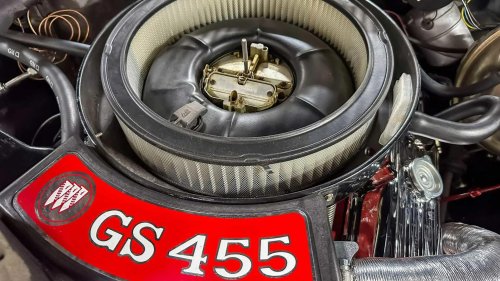
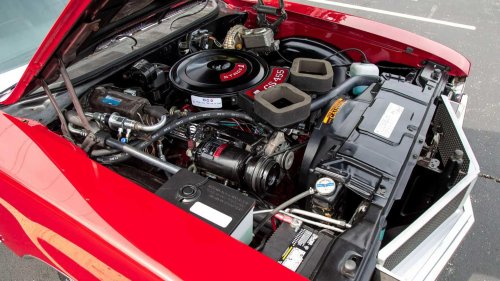
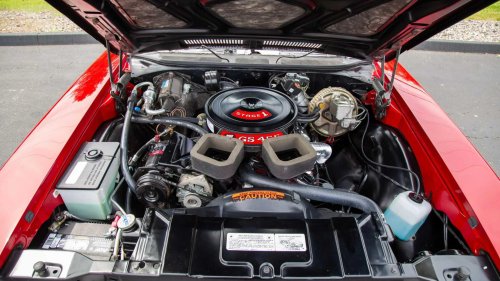
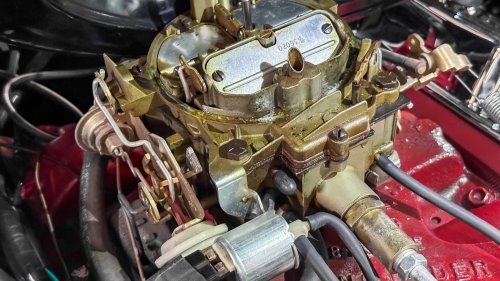
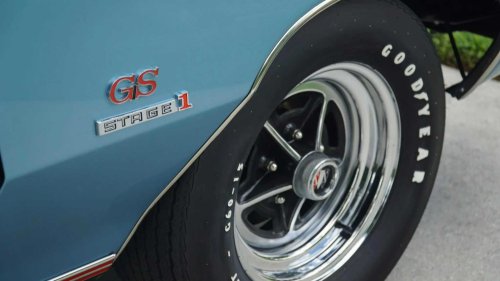
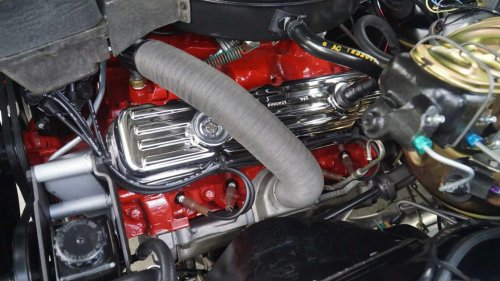
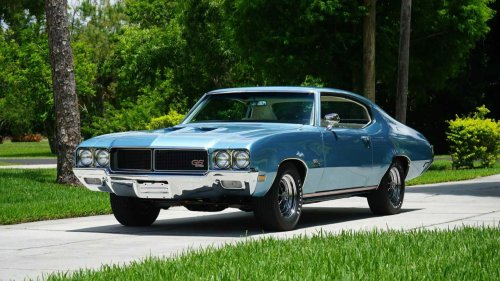
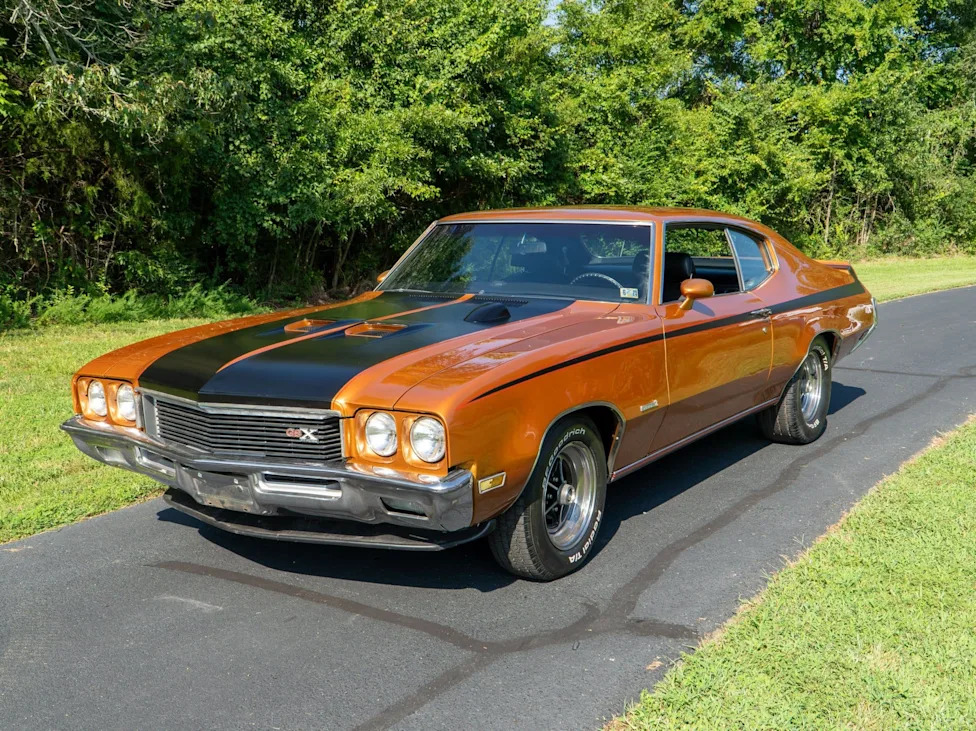
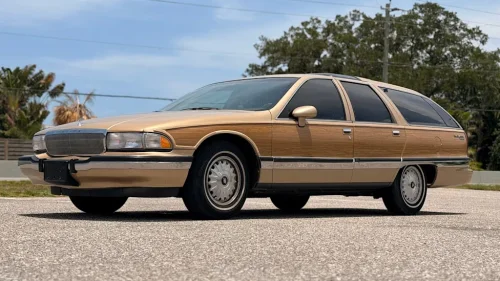
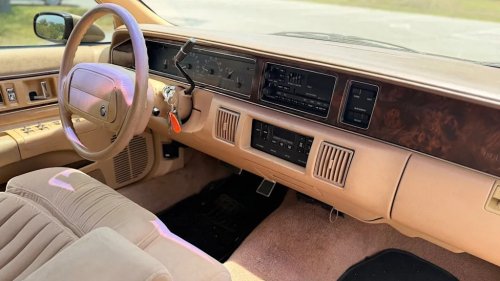
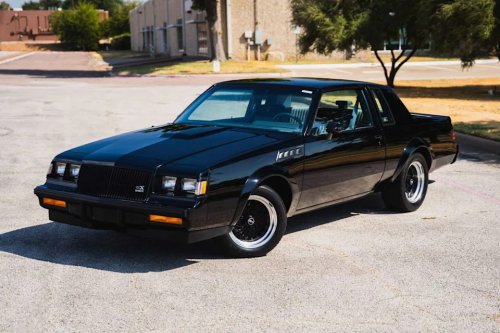
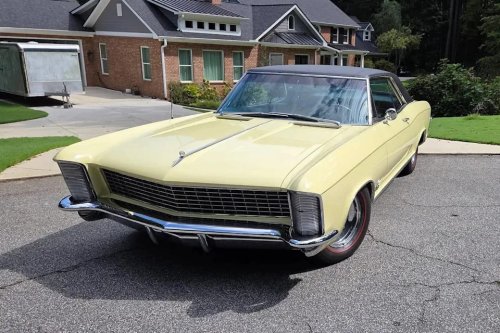
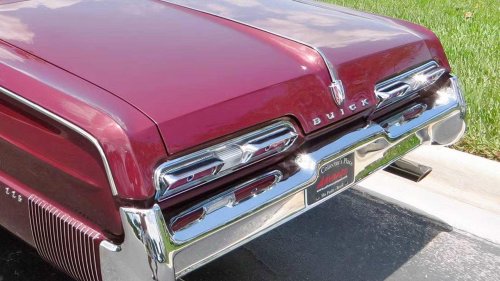
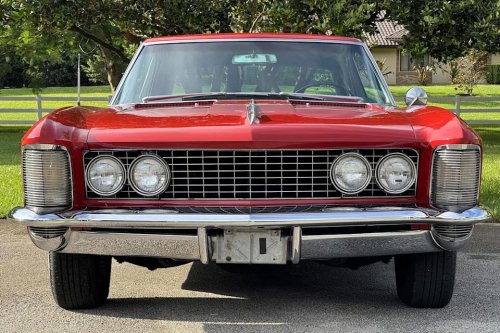
Jump LinksQuick Facts About Buick's 455 CID Big-Block V8Futuristic Grunt, American-StyleBefore the early 1970s and the pair of Gas Crises that gripped the nation, nearly every single automaker offered a slew of V8-powered automobiles. At the time, the humble eight-pot was, arguably, the most popular powerplant in the United States because gas was cheap, and nearly everyone loved a bit of power underneath their hood. All of those automakers offering V8s were also heavily involved in the innovation, development, and design of eight-pots, with some brands offering more advanced mills than others.Speaking of advanced engines, Buick had, for a time, one of the most high-tech mass-produced big-block V8s ever made in the early 1970s. In those days, competition between GM subsidiaries was standard practice, and even encouraged. Every single GM subsidiary had their own big block V8, including Cadillac. Of course, most of us know of famous big blocks like Chevrolet's 454 CID V8 famously used within the Chevelle SS, but Buick's 455 CID big-block V8 was ahead of its time compared to its sibling engines. However, the famous Buick mill also had one huge, and unfortunate, defect. Buick: One Of GM's Underdogs Bring A Trailer Quick Facts About Buick's 455 CID Big-Block V8 Introduced in 1970 Featured interchangable parts Came with a thin-wall block casting Produced more torque than any other GM big-block V8 at the time Axed following the 1976 model year Before we dive into the Buick 455 CID big-block's major downside, it's important to flesh out just how innovative and ahead-of-the-times Buick was during the early 1970s and prior.Buick's ability to innovate was first showcased in 1904, when the then-independently-owned company produced the world's first overhead valve engine. Now, while that may seem like a boring and insignificant invention to some, head out to your car and pop the hood. Most likely, your ride has an engine that boasts an overhead valve configuration. Back then, the common engine valvetrain setup consisted of side-mounted valves, also known as "L-Head" cylinder heads. The use of overhead valvetrains meant that engines could be more compact, enjoy better airflow, and produce more power at higher revolutions per minute.Buick's knack of ingenuity continued through the decades. In 1938, the now-GM-owned company produced the world's first popular concept car, the Buick Y-Job. The Y-Job was more than just a concept, however, as it showcased what Buick saw as the future of automotive design, which ended up being true for nearly all American brands over the next two decades or so. The Y-Job featured innovations like electric windows, an electric convertible top, and a waterfall-effect radiator grille, which is still in use by Buick even today. Futuristic Grunt, American-Style Bring A TrailerFast-forward three decades, and Buick was still innovating on a grand scale. In 1970, the classic muscle car era was at its peak. In the years prior, muscle cars had become more and more popular, as well as powerful, ever since Pontiac released the groundbreaking GTO in 1964. While it's widely accepted that the GTO was the first definitive muscle car, there is some speculation and debate over this topic. Regardless, the GTO followed the popular muscle car formula of a big engine shoehorned into a mid-sized car.Buick's first foray into the '60s muscle car era was with their Skylark Gran Sport, released in 1965. It came equipped with Buick's largest engine allowed in a mid-size car at the time, a 401 CID "Nailhead" V8. However, due to the General Motors edict limiting the displacement of engines in cars smaller than full-size to 400 cubic inches, the 401 CID Nailhead was officially marketed as a 400 CID. Come 1970, General Motors dropped the limit for engine displacement, and the door was opened for Buick's 455 CID V8 to enter the fold in 1970. The Ins And Outs Of Buick's Largest V8 Bring A TrailerWhen GM gave its subsidiaries permission to produce engines larger than 400 CID for use in mid-size cars, Buick hit the ground running. At its core, the Buick 455 CID V8 was based on the Buick 400 CID and 430 CID engines, which it shared most of its components with except for things like its cylinder heads and pistons. Its increase in displacement over its counterparts was thanks to its larger pistons and longer stroke. Because the Buick mill possessed cylinder bores that were larger than its piston stroke was long, it is what's called an "oversquare" engine, as opposed to an undersquare powerplant, wherein the motor's stroke is longer than its cylinder bores are wide.Bring A Trailer Buick offered a slew of different cylinder heads for use on the 455 CID block, all of which were tailored for different applications and performance packages. One of the most famous iterations of the 455 CID engine was the one used in the 1970 Buick GS Stage 1, a Skylark-based model with a penchant for performance. Buick's 455 CID V8 also saw use in other models, such as the Electra 225, Riviera, Wildcat, LeSabre, and Estate Wagon.Bring A Trailer One of the key hallmarks of Buick's 455 CID engine was its thin-wall casting process. In essence, the thin-wall casting meant Buick's big-block was significantly lighter than its competitors' engines, such as being about 159 pounds lighter than Chevrolet's 454 CID V8. In fact, Buick's big mill was so light, it was only 25 pounds heavier than a 1970 Chevrolet 350 CID small-block V8. In addition, the Buick 455 featured a distributor-driven oil pump, along with through-pushrod oiling. These features meant the motor had fewer parts, making for a simpler build overall.Bring A Trailer Buick offered two performance packages for the 455 CID mill, both of which were famously offered for use on the Buick GS. The first package, coined "Stage 1", included engine upgrades such as a high-lift camshaft that allowed valves to stay open longer, larger valves, a higher compression ratio thanks to decked heads, and stiffer valve springs. A Rochester Quadrajet carburetor was featured, as well. The Stage 2 upgrade took the mill even further, with features like forged internals and a lightweight rotating assembly. The Stage 2 package is a rare, dealer-installed option.In the table below, we'll flesh out the Buick 455 CID V8's detailed specs when equipped in the 1970 Buick GS Stage 1:*Specs courtesy of MyClassicGarage.com The Glaring Downsides Bring A TrailerAs for the rest of the engine, oiling issues are prevalent, as well. The aforementioned through-pushrod oiling, while helpful in saving weight and unnecessary parts, led to potential oil starvation under high revs. The 455 mill also has smaller-than-normal oil passages, further increasing the risk of oil starvation. Its front timing cover is a culprit, as well, as it's made of aluminum and prone to warping. If this happens, a large oil leak can occur along with the loss of crucial oil pressure.However, the Buick 455's largest issue sides in its block. While having a lightweight engine is a good thing for performance, in the Buick 455's case, it ended up becoming one of the engine's largest pitfalls. Due to the engine block being thinner than usual, the webbing, or casting marks meant to strengthen the block, can wobble under high torque, potentially causing engine block failures. In addition, because the cylinder walls are thinner on account of it being a bored-over version of the 400 and 430 engines, cracks and overheating are issues, as well.Bring A Trailer As you can imagine, many of these issues can wreak havoc on an engine quickly, and present dangers to those interested in drag racing cars with Buick 455's installed. However, with a proper block girdle and drilling out large roil passages, these issues can be mitigated somewhat. In short, the Buick 455 was an impressive, torque-laden piece of engineering. But, if you've got one or are looking to get one, look out for its issues, as they can bite back hard.