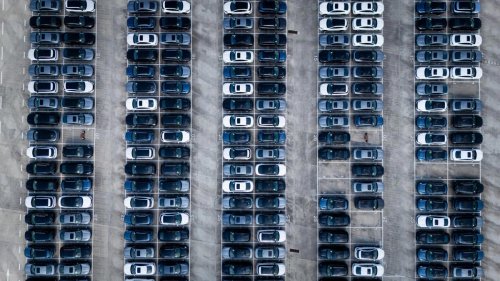
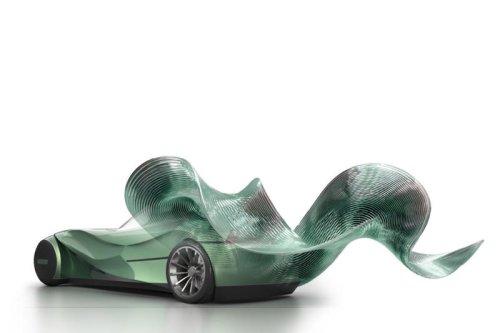
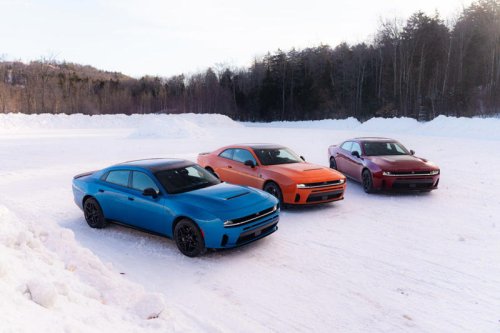
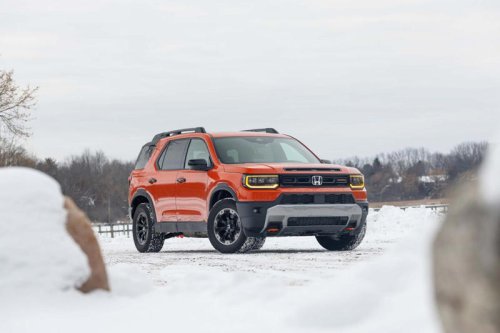
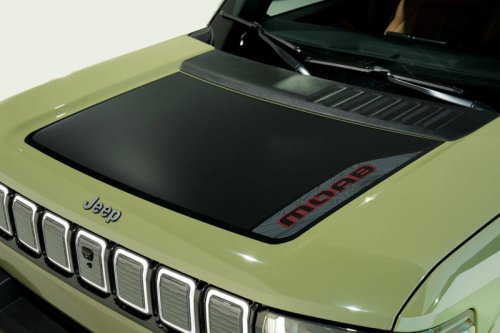
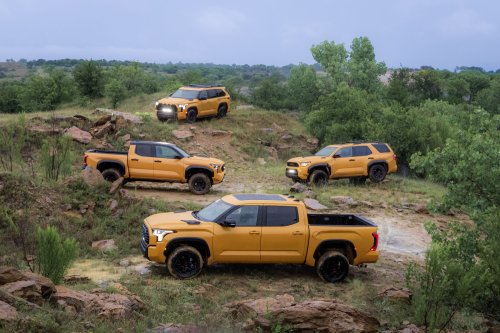
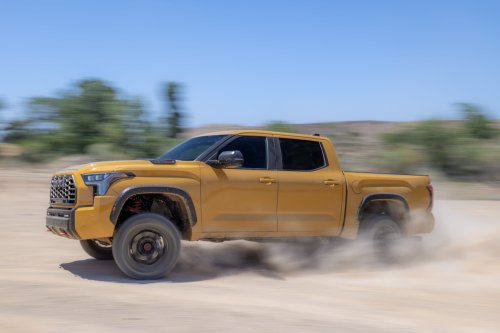
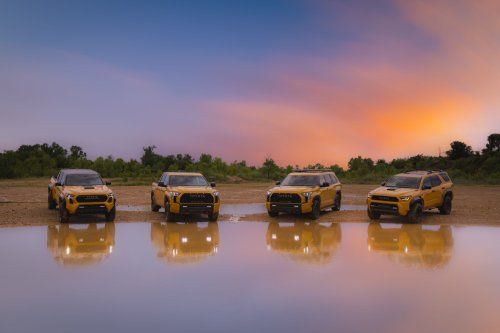
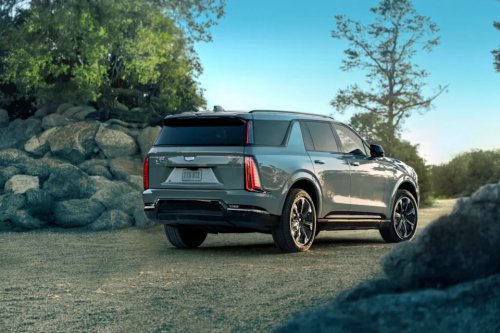
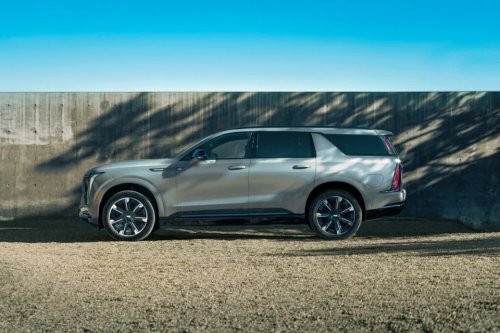
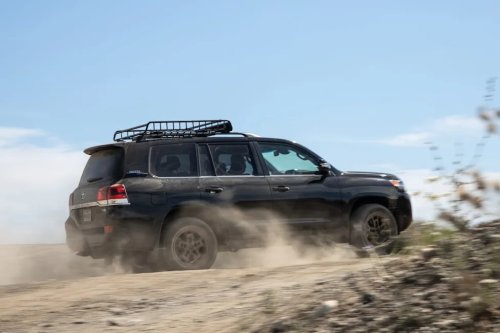
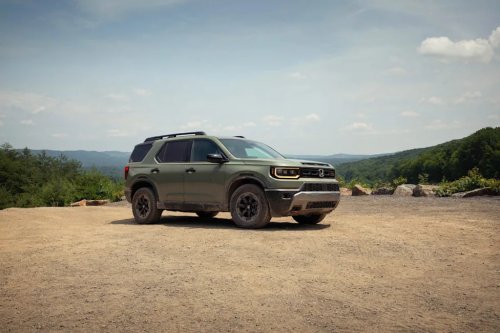
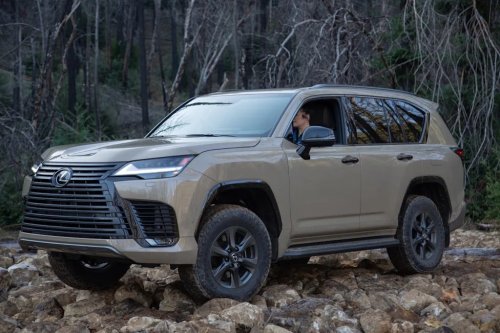
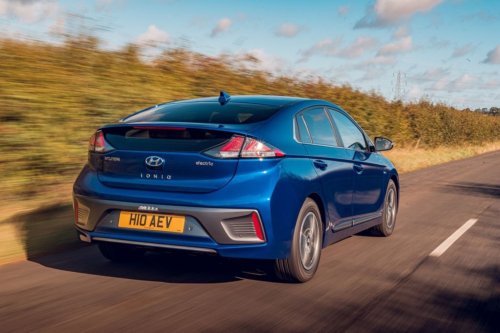
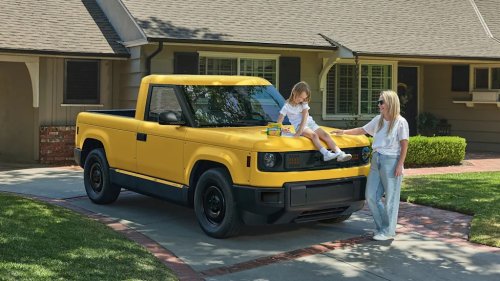
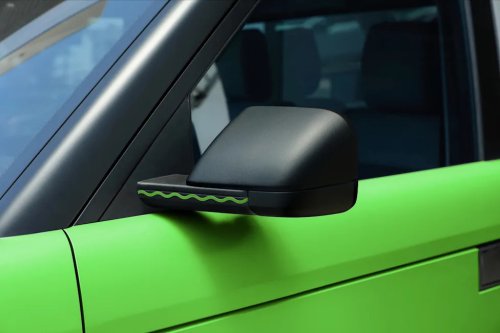
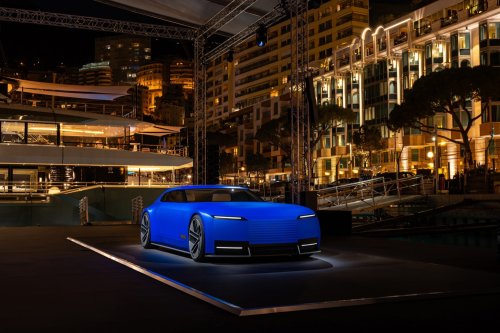
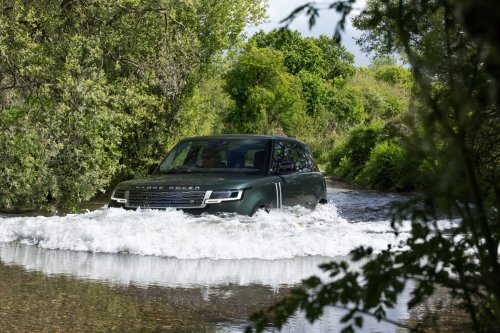
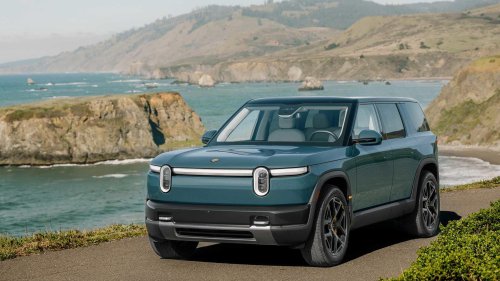
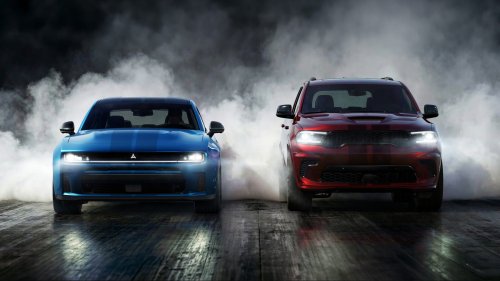
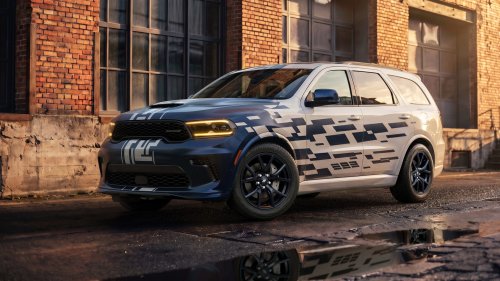
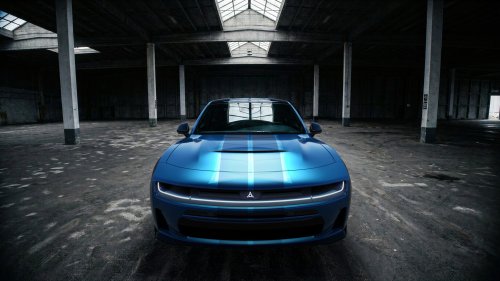
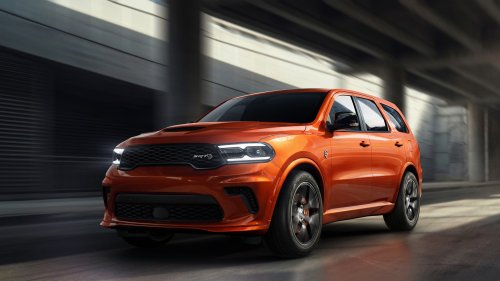
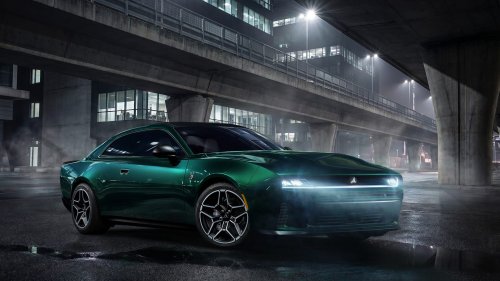
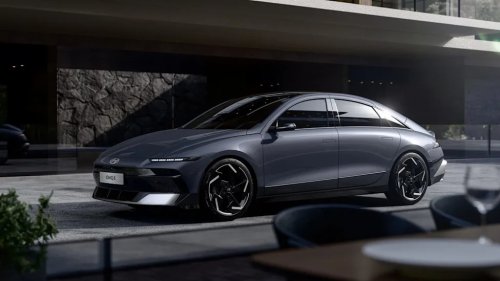
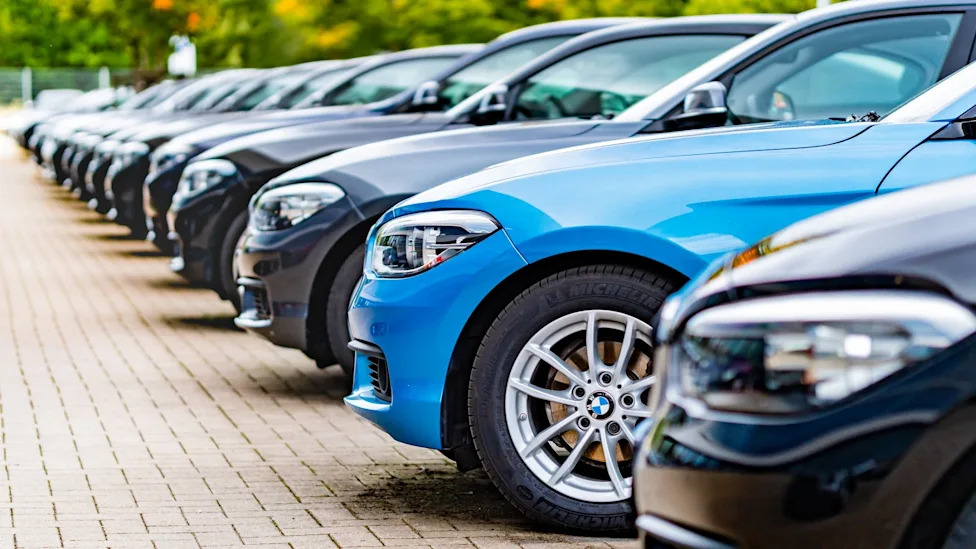
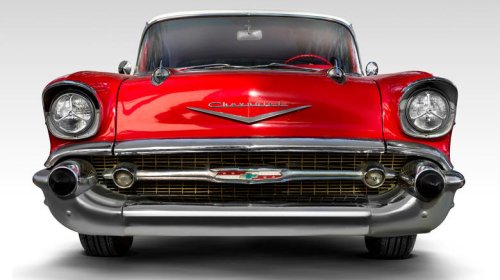
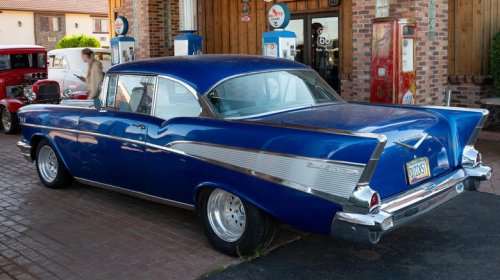
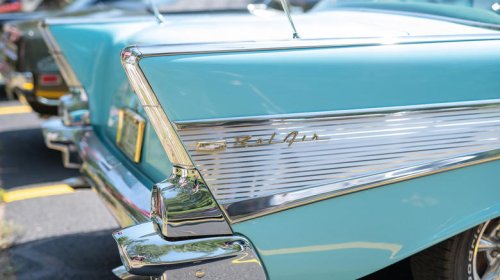
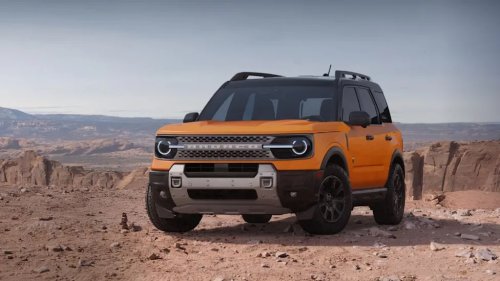
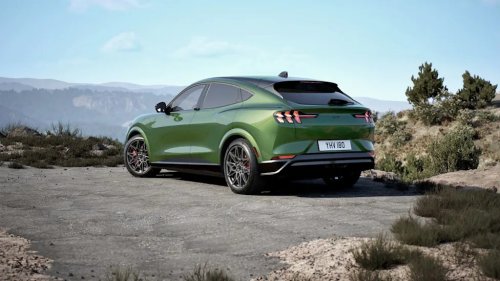
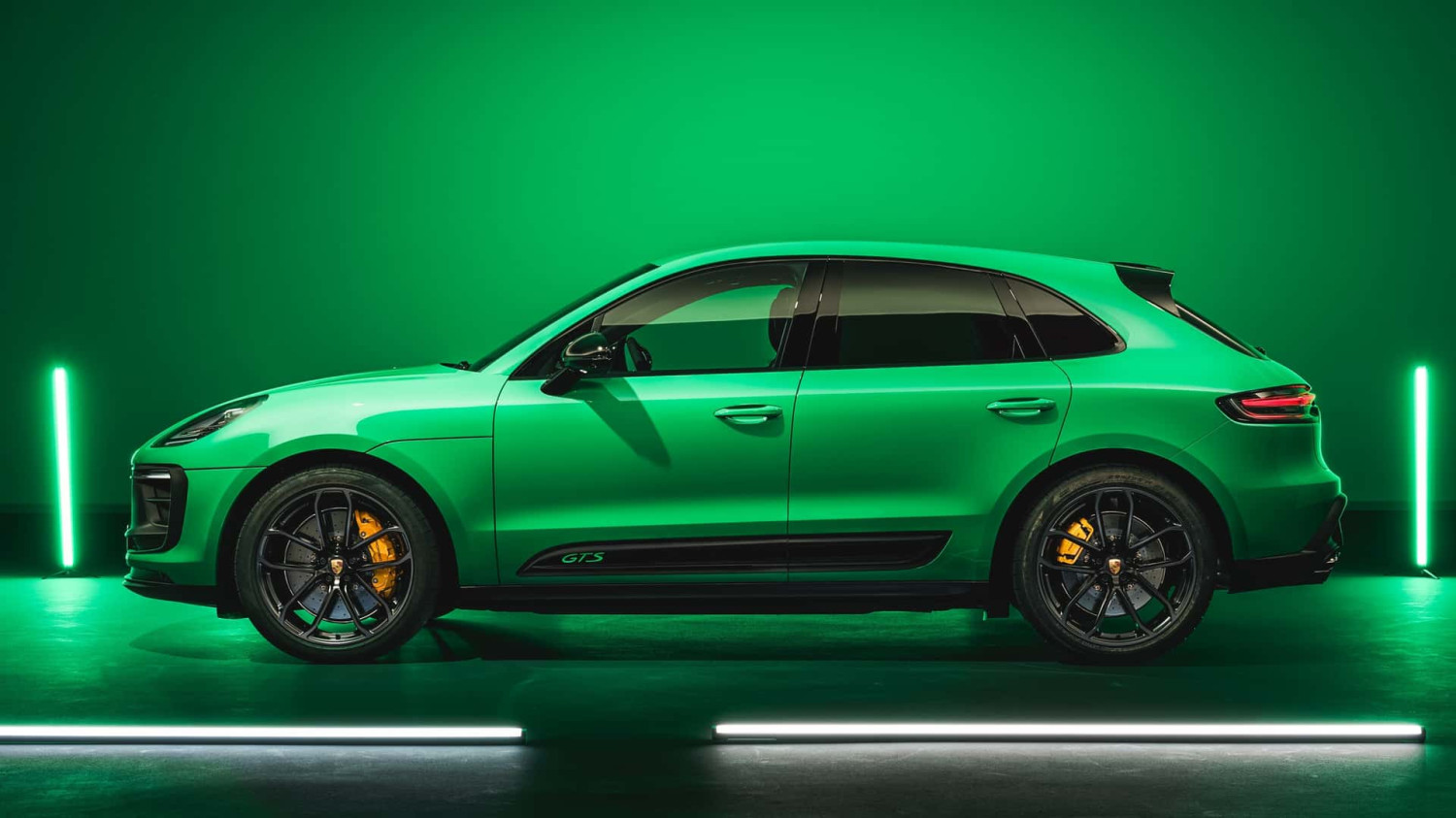
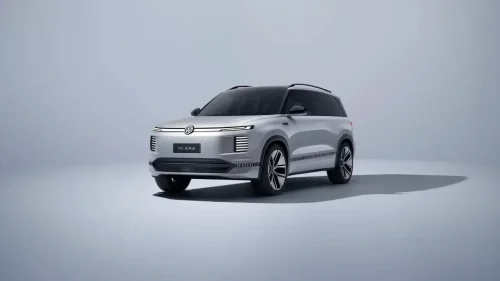
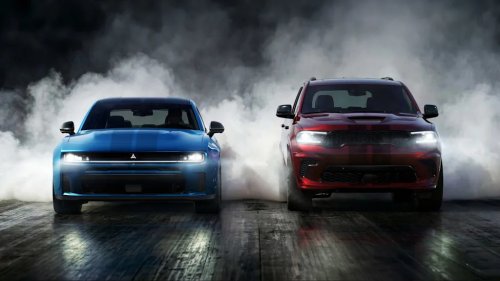
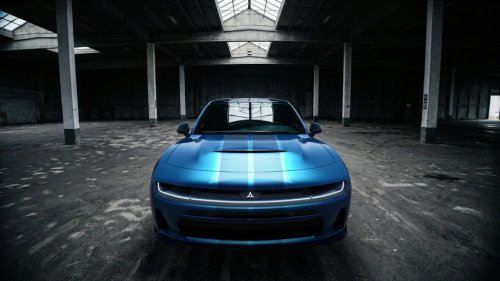
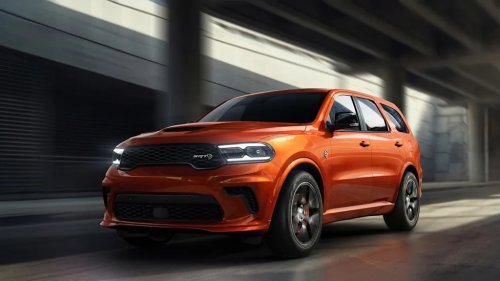
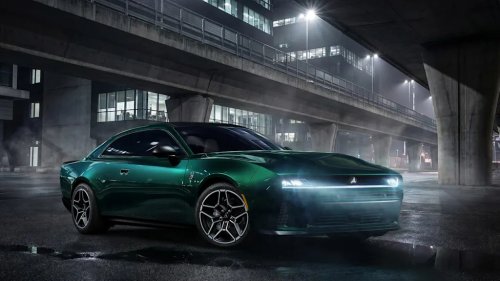
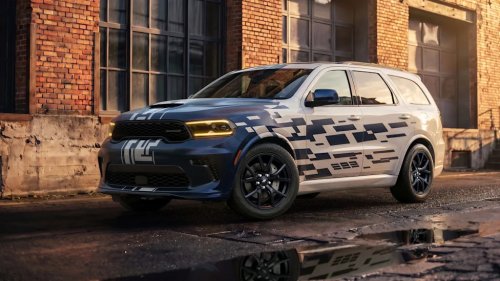
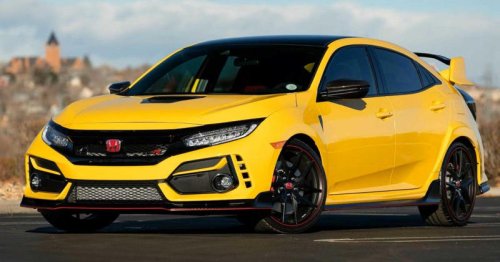
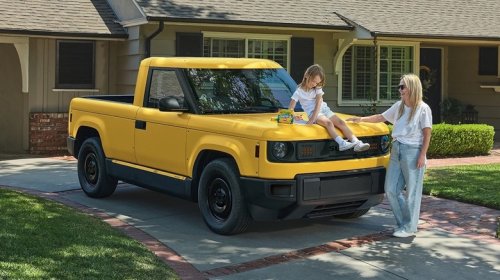
Look at almost any parking lot, and you can see it. Nearly 80 percent of American new-car buyers currently choose a neutral "grayscale" hue—white, black, or silver/gray. But more daring colorways are emerging. "Trend data clearly shows the palette evolving rather than stagnating," says Gloria Jover, automotive expert for the New Jersey-based Pantone Color Institute. Notably, the market share of colored car paints has increased by almost two percentage points in recent years. This is a significant reversal of 21st-century trends, an era in which the automotive palette has become half as colorful as it was just two decades ago. China Vehicle ProductionThis blandification has been the result of a cyclical desire to play it safe when purchasing an increasingly pricey and depreciating asset, according to Jover. (The soaring price of the average new car is now hovering around $50,000.) Car dealers order neutrals because they know those sell best. Car shoppers buy neutrals to maximize resale value. The exuberant consumer optimism of the 1950s led to that era's bright pastel-colored vehicles. Likewise, the glossy whites of early-2000s tech devices like iPods and iMacs helped fuel white's rise to automotive prominence in the 2010s. So, what are the emerging color trends for the next five years? Color Comes BackThey won't be blues and reds, Americans' typical chromatic choices; they're dipping in popularity significantly, according to German chemical giant BASF, which supplies nearly half of all new car paint globally. BASF Color Report 2025 Keyvisual Asia PacificInstead, engagement with and connection to the natural world appear to be a key driver of vehicular color trends. This is most notable in the rise of green, which "has become the most dynamic chromatic mover worldwide," according to Pantone’s Jover. Green's ascent is linked directly to the continued popularity of SUVs and crossovers, and for which outdoorsy, ecological symbolism dominates marketing imagery—and buyers' self-image. "Green signals individuality and a nature-linked aesthetic," says Jover. Misty Yeomans, automotive color and styling manager for paint giant PPG, notes particularly the fledgling appeal of minty and willowy light greens, such as PPG's color of the year, "Secret Safari," which it describes as "organic" and "mineral." These soft green colors "visually reflect efficiency, minimalism, and advanced mobility," says Jover, and are likely to appear in the coming years. 2026 Dodge Charger Sixpack colorsDeep violets are also emerging as signifiers of our attraction to the natural world—or otherworldliness. "Consumers have continued to be super interested in space and space travel, so we're seeing a rise in an intergalactic look," says Yeomans. This includes purplish blues that shift to black or have a star-like sparkle in them, leaning into our tech-led fantasies for exploration and escape. Dodge has capitalized on this trend with colors like Purple Haze and After Dark on its new Charger. "Atmospheric" oranges are also on the rise, influenced in part by the ongoing appeal of golden hour selfies, according to Yeomans. Oranges also conjure rock formations and are inspired by the courageous, energetic feel of technical outdoor apparel, says Gypsy Modina, principal designer of color, material, and finish at Honda. The brand recently launched its rugged new Passport TrailSport SUV in an exclusive Sunset Orange.2027 Honda PassportEVs and AI Drive Color InnovationDespite slowing growth, electric vehicles' influence on aesthetics is strong. "Electrified vehicles are now leading a lot of the color trends," says Honda's Modina."Smoked neutrals—subtly tinted brownish or greenish greys infused with delicate chromatic undertones—are gaining traction" in EVs, says Pantone's Jover, noting that these colors allude to moods typically associated with quiet luxury. One example is the olive used to launch Jeep's upcoming Recon electric off-roader.2026 Jeep Recon EVNew finishes are also rejuvenating familiar color families. Matte ethereal silvers are on the rise among electric cars, as they reflect core electrification values such as "efficiency, minimalism, and advanced mobility," Jover says. "Triple Nickel" on Dodge's Charger EV, or "Silver Zynith" on Jeep's Wagoneer S EV, epitomize this trend. And an upsurge in pearl-infused whites references EV hallmarks such as "luminosity, depth, and expressing innovation and precision." Those were seen on Honda's radical (and recently cancelled) 0-Series concept vehicles. "With technological advances like AI, we can be more efficient in developing colors, compressing timelines, moving faster," says Yeomans. "It's speeding up the R in our R&D," Modina adds, condensing the previously tedious efforts of surveying existing colors and/or those used by competitors. AI assistance in paint formulations is also democratizing finishes, particularly ones that were once exclusive, like matte or pearlescent. "We can make a version of luxury styling to fit any price point now," Yeomans adds.➡️ Skip the lot. Let Car and Driver help you find your next car.