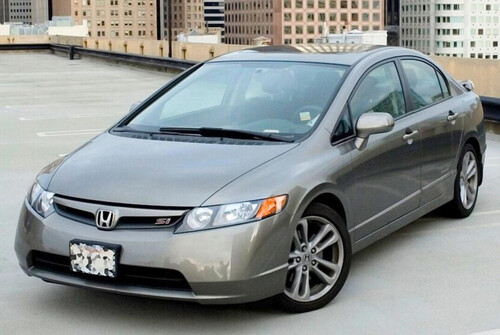
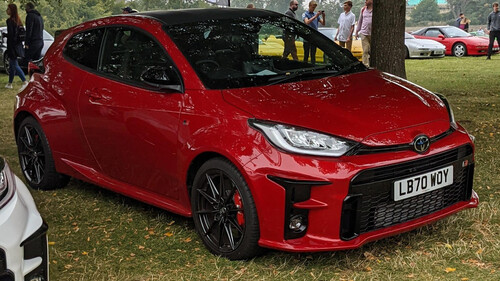
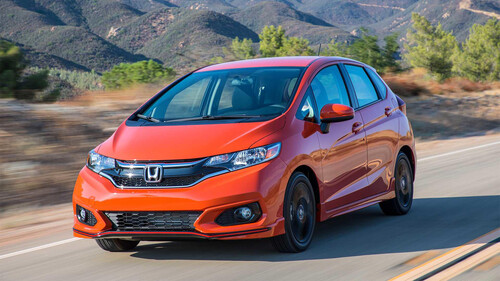
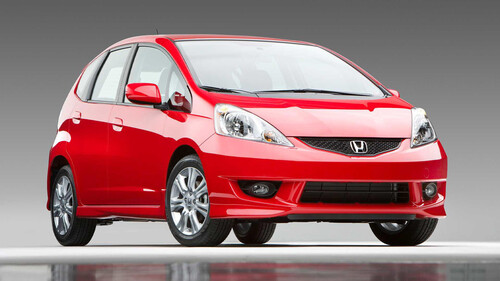
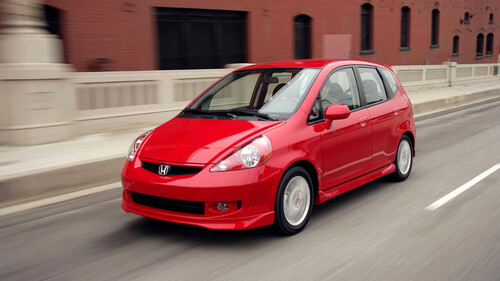
Why ‘less’ became Japan’s design advantageWhen Japanese carmakers launched their “less is more” approach from the 1960s (which would be integrated from the 1970s), it was not just a case of wanting cheap cars. It was a system where packaging efficiency, manufacturing discipline, and design efficiency would work together. The result was cars that were better than their sticker prices suggested. The pressures of the post-WWII and the 1970s lit this fire. Car space in Japan was subject to strict size regulations, and an oil embargo and production cuts by the Arab members of OPEC and later OAPEC, which triggered a global oil crisis, led to an emphasis on practicality over excess. Subsequently, Japanese car makers proved that efficiency could be mainstream rather than just acting as a compromise, a pillar of Toyota and Honda’s growth in U.S. popularity. For example, the Honda Civic felt modern, and people actually wanted to buy models like the original Datsun 510. Smart packaging and clean engineering were the focus, with cost-cutting as a side effect from an optics perspective. Establishing a stark contrast with the over-styled designs of the time, Japanese restraint garnered appeal.Japan’s packaging revolution that shaped modern carsJapan got quite good at fitting more cabin space, visibility, and usefulness into a shorter overall body. Pushing wheels to the corners and using front-wheel drive layouts were the primary methods for achieving this. Additionally, elements such as upright seating, small overhangs, innovative dashboards (often featuring low, simple horizontal arrangements), along with interior flexibility, responded to dense cities and expensive land. Drivers were given a car that was compact in size but subcompact in parking ability.Buyers also wouldn’t have to worry about whether their families would fit, and markets like Europe and the U.S. took notice. With proof that compact proportions don’t have to compromise function, the foundation was laid for modern vehicles like the Honda Fit and Toyota Yaris hatchback, as well as subcompact crossovers like the Toyota Yaris Cross. Process over flash: how discipline drove both quality and designWhile the smart use of style was one way to address the challenges, Japanese automakers developed a system that incorporated lean production, reduced waste, and quality systems, creating a new foundation for producing reliable cars at scale. While drivers in the U.S. and Europe didn’t fully understand these internal processes, they knew the results. Japanese auto manufacturing followed a policy of just-in-time delivery of parts, standardized assembly processes, and failure prevention in every step to ensure low costs without compromising quality. American subcompact and small family cars of the 1970s and 1980s, such as the Chevrolet Vega and the Ford Pinto, had a similar price tag but lacked Japanese assembly finesse. It was this stability that allowed Japanese engineers to make surface and perceived quality improvements without exceeding budgets.Need new tires? Save up to 30% at Tire RackFind the perfect tires for your exact vehicle and driving style. Click here to shop all top-tier brands, including Michelin, Bridgestone, and more, directly at Tire Rack.The oil crisis made efficiency look aspirationalThe 1973 oil crisis and the subsequent rise in gas prices turned big family cars with long hoods and V8 engines into luxury. In turn, the Honda Civic, Toyota Corolla, and Datsun B210 had become more desirable. Japan spent plenty of time developing small cars for its market, so these vehicles didn’t feel like a burden or a stop-gap crisis solution when they arrived in the United States. In the West, Detroit automakers were scrambling to adapt. The definition of what was smart had shifted to what was easy to fill up and maintain while remaining comfortable. In the West, Detroit automakers were scrambling to adapt. The definition of what was smart had shifted to what was easy to fill up and maintain while remaining comfortable. Prioritizing quality mileage and low running costs were now labeled as forms of responsible, modern thinking. In other words, you could be successful by making a rational choice with your money, and the idea of success is prime for successful marketing. The Civic and Corolla would become definitive cars of the 1970s oil crisis era. Japanese design ideas spread far beyond JapanCompact hatchbacks in the U.S. and Europe began to emulate Japan’s automotive design philosophy through elements like short overhangs, tall cabins, and the wheel-to-corner layout. The Volkswagen Golf Mk1 (1974-1983) and Mk2 (1983-1991) are examples of compact hatchbacks that turned the Japanese small-car philosophy into more luxurious, slightly heavier vehicles, true to German roots. The Ford Focus Mk1 (1998) mirrored Japan’s approach with front-wheel drive and wheel-to-corner set up, but the front/rear ends were more expressive, and handling was sportier. Both Japanese visual details and smart packaging were being incorporated, a dynamic that would help modern subcompact hatchbacks often feel surprisingly roomy. Similarly, subcompact crossover SUVs establish this spacious feeling by emphasizing areas like ride height.Why the lesson still matters nowJapan’s “do more with less” approach to car design is prevalent in today’s electric vehicles, city cars, and compact footprint vehicles because of the need for long-range capability, interior space, and seamless urban navigation. Before Japan’s car design revolution, constraints were seen as leading to compromise, but today they are a means to creativity.