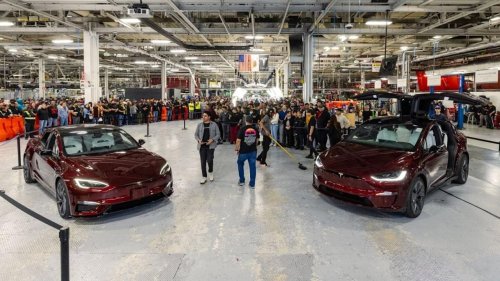
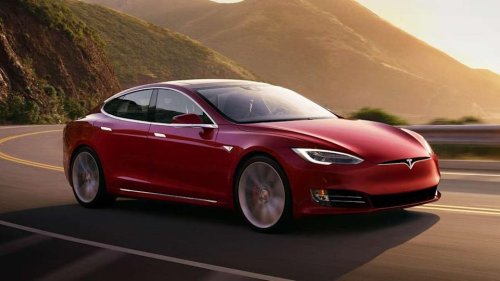
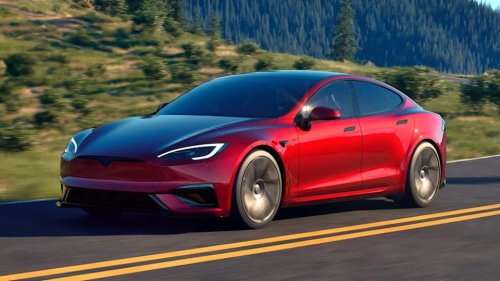
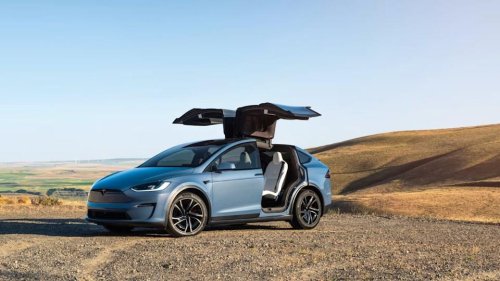
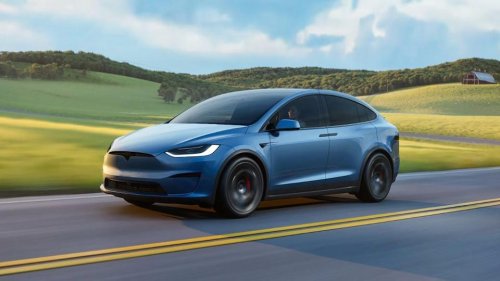
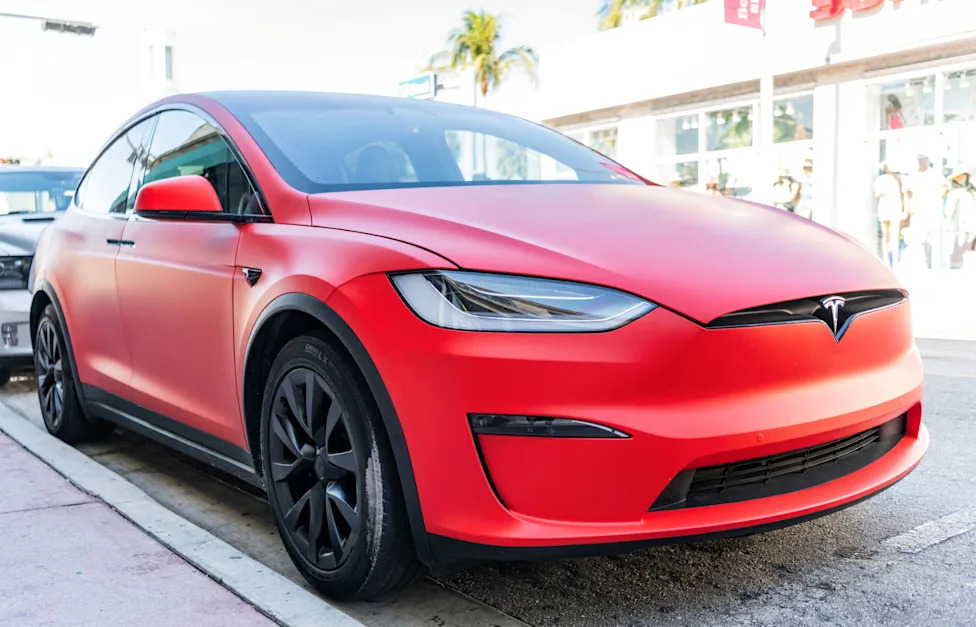
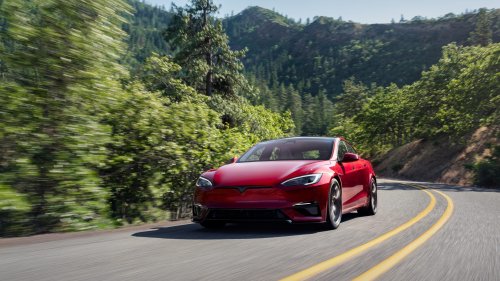
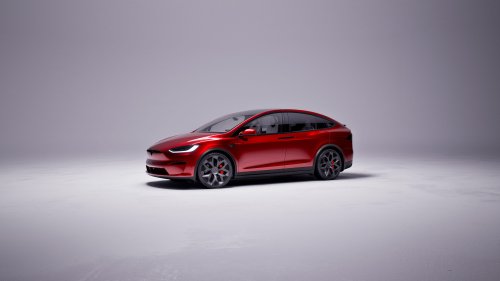
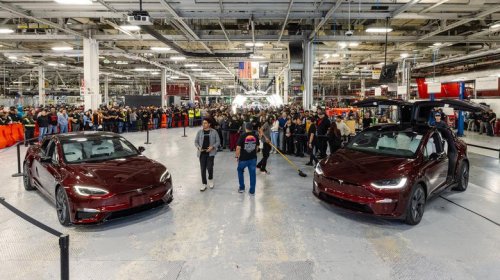
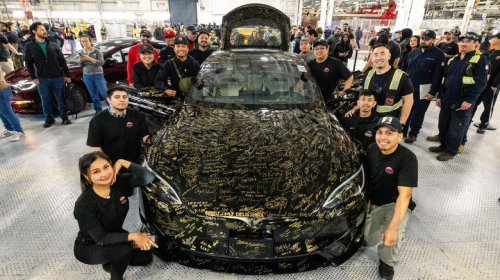
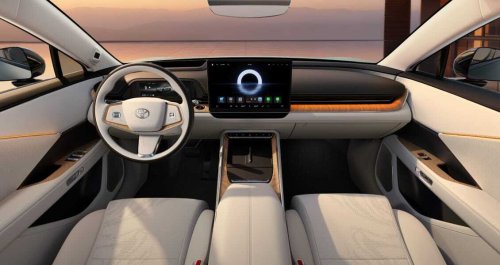
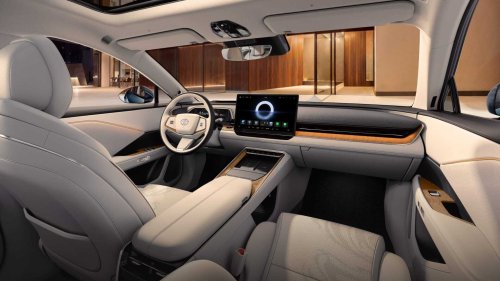
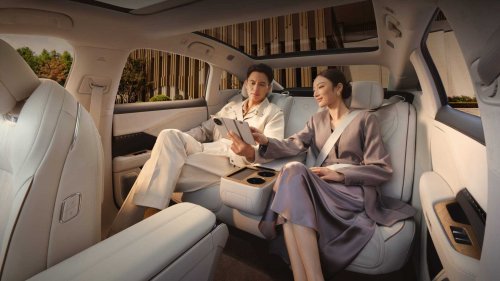
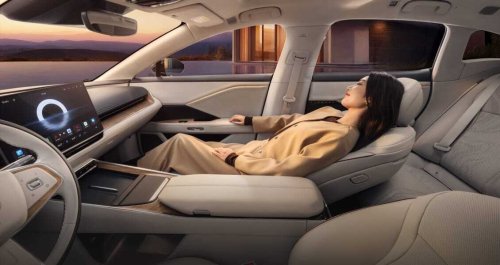
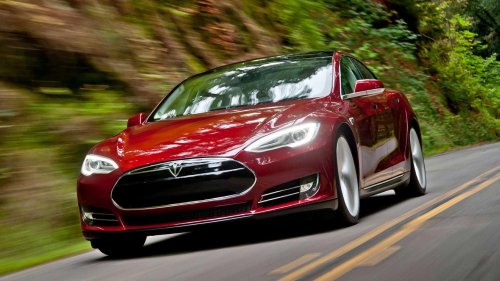
Photo Courtesy: Autorepublika.When Tesla officially confirmed the end of Model S and Model X production at the Fremont factory in California, one of the most important chapters in the modern auto industry came to a close.These two vehicles were far more than expensive battery-electric models with strong performance. They changed the way the world looked at electric mobility.At a time when EVs were still widely seen as slow, impractical, or experimental, Tesla proved that an electric car could be desirable, luxurious, and technologically advanced.AdvertisementAdvertisementThe Model S and Model X also showed traditional automakers that battery power could become a serious threat to internal combustion models, even in premium segments.Model S Made Electric Cars DesirablePhoto Courtesy: Tesla.The Model S arrived in 2012 as a luxury battery electric sedan and immediately attracted enormous attention. Its starting price was around $57,000, while the larger battery version could travel about 265 miles on a charge, which was remarkable for that period.At a time when many competing EVs could barely cover half that distance, the Model S looked like a car from the future. Its cabin made a strong impression as well.The minimalist interior was dominated by a huge central touchscreen, while the near-total absence of driving noise created the feeling of cruising in a luxury concept car. Critics and buyers were fascinated by the combination of performance and advanced technology. Even then, the Performance version produced more than 400 hp, giving the sedan acceleration worthy of serious sports cars.Superchargers Made Long Trips EasierPhoto Courtesy: Tesla.Tesla also developed its own Supercharger network, which became a major advantage over rivals. Tesla owners could travel longer distances with far more confidence at a time when public charging infrastructure was still very limited.AdvertisementAdvertisementThe Model S continued to evolve over the years. Autopilot appeared in 2014 and marked the beginning of a new era for driver assistance technology.Electric motors became stronger and more efficient, the design was refreshed several times, and range continued to improve. By 2026, the final version could travel about 410 miles on a charge.The peak of development came with the Model S Plaid, which delivered more than 1,000 hp. In ideal conditions, it could accelerate from 0 to 62 mph in just 1.99 seconds, shocking the entire auto industry when it arrived. Even traditional supercar makers had to acknowledge that electric power had created a new definition of performance.Model X Brought The Formula To FamiliesPhoto Courtesy: Tesla.Although the Model S was revolutionary, Tesla quickly understood that no automaker could dominate the market without a crossover. In 2015, the Model X arrived as a large battery electric crossover with three rows of seats and space for up to seven passengers.AdvertisementAdvertisementIt shared about 30% of its components with the sedan, but its character was completely different. It was heavier, taller, and more practical, aimed at families who wanted luxury, performance, and everyday usability in one vehicle.The feature that instantly made the Model X famous was its Falcon Wing rear doors, which opened upward like something from a futuristic concept car. Seeing a parked Model X with its rear doors raised left a strong impression even on people who did not closely follow the car industry.Because of its greater weight and less favorable aerodynamics, the early Model X could travel up to about 289 miles on a charge. Even that was an outstanding achievement for a large battery electric crossover at the time, since rivals offered little that could match its mix of range, acceleration, and practicality.Plaid Turned The Model X Into A Super SUVPhoto Courtesy: Tesla.AdvertisementAdvertisementLater versions brought more power, better efficiency, and more advanced driver assistance systems. The Model X Plaid became one of the quickest crossovers on the planet, with acceleration from 0 to 62 mph in just 2.5 seconds.By 2026, driving range had increased to about 352 miles. The Full Self-Driving package also became a central part of the car’s technology story, reflecting Tesla’s broader push toward advanced automation.The end of Model S and Model X production comes as Tesla is putting more attention into robotics and autonomous systems. It also opens more room in the luxury EV segment for companies such as Lucid, Rivian, and Cadillac.Their Legacy Is Bigger Than Sales NumbersTogether, the Model S and Model X sold around 750,000 units. Their true importance, however, cannot be measured only by production numbers.AdvertisementAdvertisementThese cars proved that battery electric vehicles could be luxurious, exciting, fast, and useful in daily life. They helped move EVs from the margins of the industry into the center of the global conversation.Without the Model S and Model X, today’s auto industry would probably look very different.This article originally appeared on Autorepublika.com and has been republished with permission by Guessing Headlights. AI-assisted translation was used, followed by human editing and review.If you want more stories like this, follow Guessing Headlights on Yahoo so you don’t miss what’s coming next.