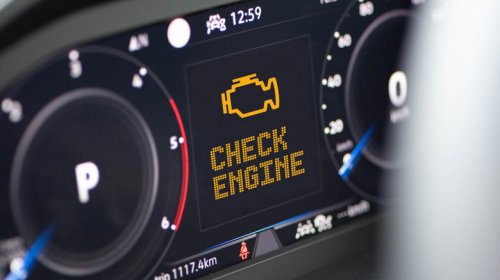
Buying a New Heavy-Duty Diesel Pickup? EPA's Rule Rewrite Just Changed What You Should Ask FirstNobody cross-shops a Ram 2500 by reading a federal agency's press release, but if you're planning to order a heavy-duty diesel pickup once the 2027 model year hits lots, it's worth the ten minutes. On July 9, EPA Administrator Lee Zeldin proposed rewriting the heavy-duty NOx rule that's supposed to govern next year's diesel engines, and while the headline number is a claimed $12 billion in industry-wide savings, the details that matter to an actual buyer are quieter: a warranty that might get shorter, a durability requirement that might arrive later, and an escape hatch that lets some engines miss the new pollution targets and keep selling anyway.We already broke down the mechanics of what EPA is proposing, and separately covered why the enforcement side of this story got stranger with a wave of diesel-delete pardons this year. This one is aimed at a narrower question: if you're actually shopping for a new heavy-duty diesel in the next model year or two, what does any of this change about the truck itself, and what should you be asking before you sign anything?It's Not Just A Semi-Truck StoryThe 2023 rule getting rewritten targets engines certified starting with model year 2027, and it's easy to picture that as strictly a Class 8 semi problem. It isn't. The Cummins in a Ram 2500 or 3500, the Power Stroke in a Ford Super Duty, and the Duramax in a Chevrolet Silverado HD or GMC Sierra HD are all certified through the same heavy-duty highway engine program as the diesel in an 18-wheeler, not through the lighter passenger-vehicle emissions track that governs a gas-powered half-ton. That's a big part of why EPA's own announcement talks about farmers and small operators in the same breath as trucking fleets. If you own or are shopping for a three-quarter-ton or larger diesel pickup, this rulemaking is written about your engine too, whether the dealership brings it up or not.What Changes On The Truck You'd Actually Drive HomeSet aside the regulatory mechanics for a second and think about it from the driver's seat. Today, a Diesel Exhaust Fluid system fault can trigger a hard derate, cutting a truck's speed or power on the spot regardless of whether the underlying problem is a real emissions failure or a bad sensor reading in cold weather. EPA's proposal would replace that forced derate with a dashboard alert on newly built engines, letting you keep driving to a shop instead of crawling down the shoulder. That part is a genuine quality-of-life upgrade for anyone who tows or hauls for a living.AdvertisementAdvertisementThe part that deserves more attention at the dealership is what's happening to the emissions warranty and the useful-life requirement, the mileage and years a truck's emissions hardware is guaranteed to keep performing. EPA's own proposal describes the warranty extension as the single biggest cost driver in the 2023 rule, which is exactly why it's on the chopping block. Trimming it doesn't make a selective catalytic reduction system or a DEF injector any less likely to fail down the road. It just changes whose checkbook absorbs the bill when it does, and EPA is also proposing extra lead time before engines have to prove they hold up over the longer mileage windows the original rule required. Layer in nonconformance penalties, which let a manufacturer keep selling an engine that misses the new NOx target in exchange for a per-unit fine, and it's possible to end up with two trucks on the same lot in the same model year running different compliance math under the hood.The Last Time This Happened, Used Truck Prices NoticedDiesel pickup buyers have been through emissions transitions before, and the used market has a memory. When particulate filters became mandatory in 2007 and urea-based SCR systems followed in 2010, plenty of buyers went looking for the model year right before each changeover specifically to avoid the new hardware, and pre-transition trucks carried a real premium for years afterward because owners trusted the simpler, already-proven setup over an unfamiliar system.This situation runs the opposite direction, and that's worth sitting with. Instead of new emissions equipment showing up, some of the safeguards buyers have relied on for the past two model years, the longer warranty and useful-life windows, may be getting rolled back on the newer trucks. If the rule finalizes close to how it was proposed, a 2026 model year heavy-duty diesel bought under the current warranty terms could end up looking like the smarter buy compared with an otherwise similar 2027 truck running under the shortened coverage, at least until resale data catches up to how the new terms actually play out.Questions Worth Asking Before You Sign AnythingNone of this shows up on a window sticker, so it falls on the buyer to ask. Get the actual emissions warranty term in writing, in both miles and years, and compare it to what the same nameplate offered the year before. Ask whether the specific engine you're looking at meets the new NOx standard outright or is selling under a nonconformance penalty, since EPA's proposal would make that distinction legal but wouldn't require a dealer to volunteer it. Ask what the DEF fault warning actually looks like on that model, since a dashboard alert can mean anything from a subtle light to a full limp-mode countdown depending on how a manufacturer implements it. And if you're financing a truck for commercial use, ask your insurer how a shortened emissions warranty affects their view of post-warranty repair claims, since that's a cost that shows up in premiums long after the factory coverage runs out.AdvertisementAdvertisementIt's also worth remembering that emissions software is repair software, and this year has been an unusually active one for the rules governing who gets to touch it. Regulators forced John Deere to open up its own locked-down repair software to independent shops in a separate right-to-repair action, and the same logic applies here: whoever controls how a truck's emissions system reports and resolves faults controls a meaningful share of your long-term ownership costs.There's Still A Window To Weigh InEPA has opened a 45-day public comment period and will hold a public hearing before any of this becomes final, and the agency has said the underlying NOx targets aren't part of the negotiation, only how manufacturers get there. That window is open to more than just Cummins, Ford, and General Motors. Fleet owners, owner-operators, and individual buyers can file comments on EPA's rulemaking docket explaining how the warranty and useful-life changes would actually affect their purchase decisions, which is a more useful data point for regulators than another manufacturer submission arguing the same thing on different letterhead.Nothing here is final, and EPA could trim these provisions back after public health groups and industry both make their case on the record. But if you're planning to order a heavy-duty diesel once the 2027 changes take effect, or you're deciding whether to grab a 2026 model instead, the decision now comes down to more than horsepower and towing numbers. It comes down to reading the warranty booklet as carefully as the window sticker.