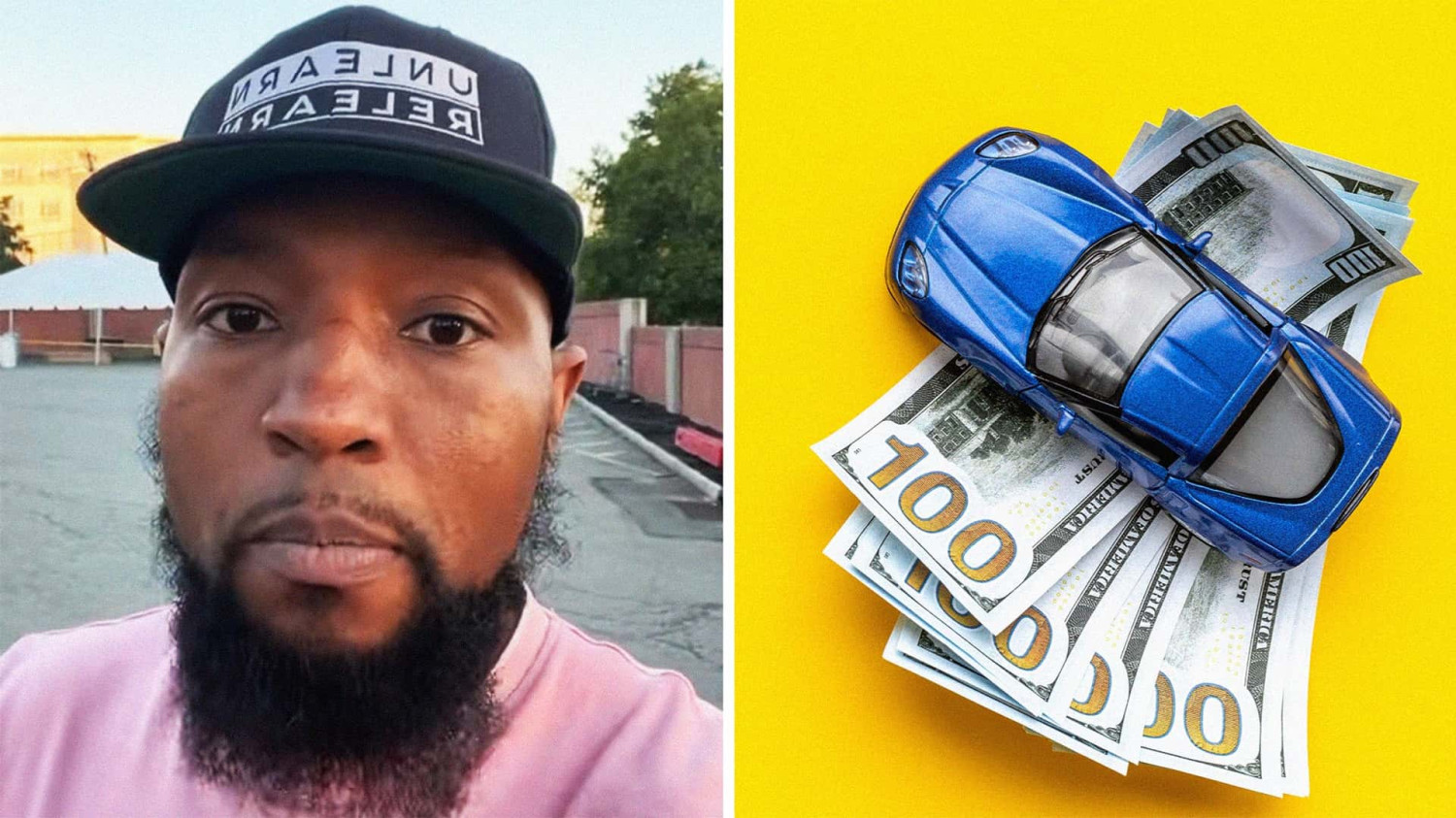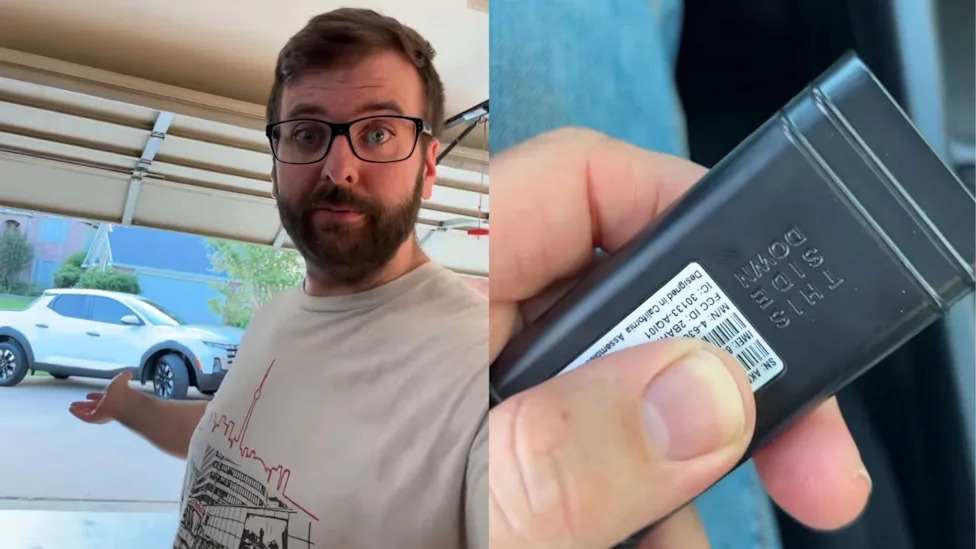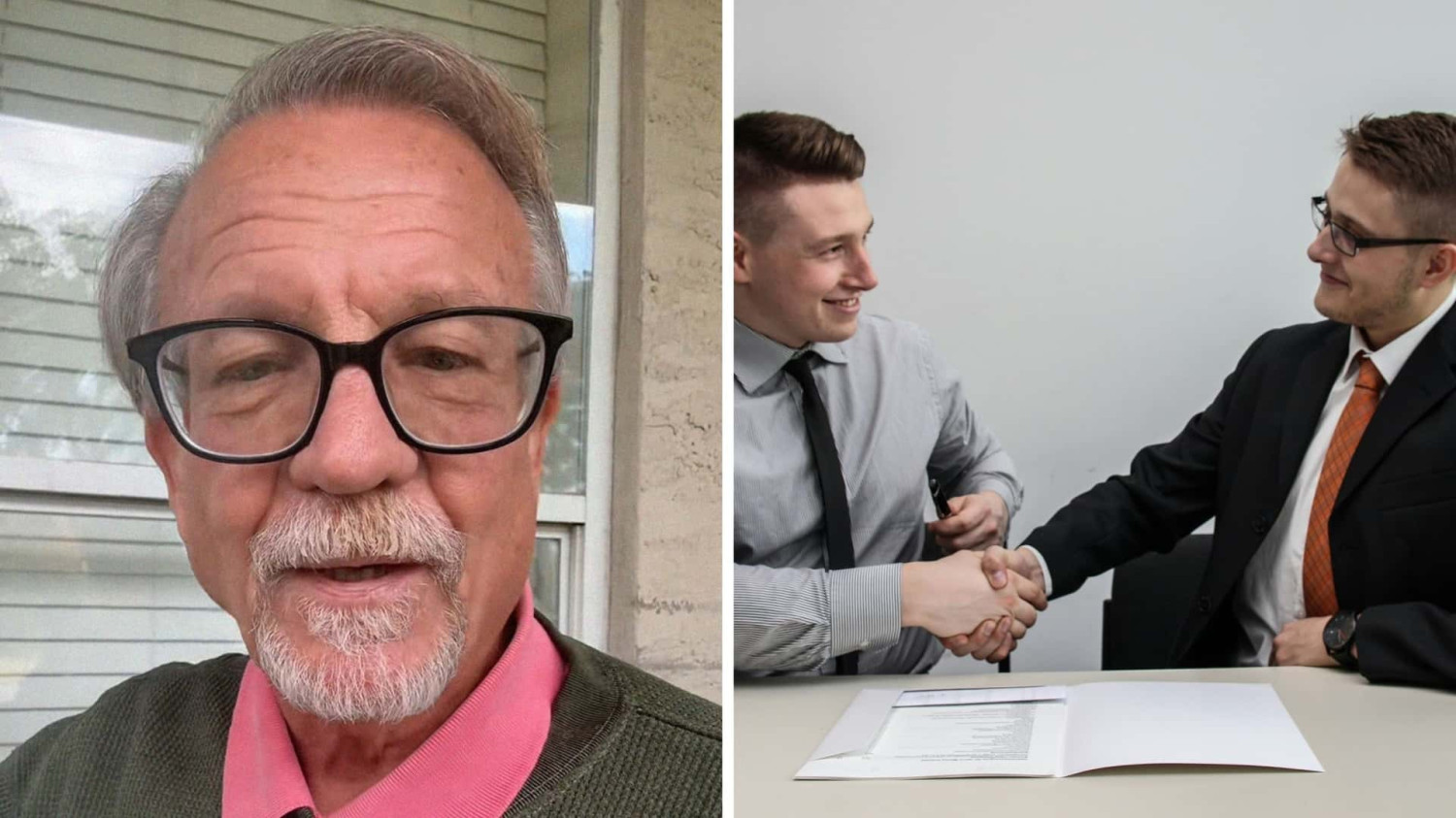



















Negotiating isn’t for the faint of heart. Add to that the uneasy discomfort of waiting and it’s easy to see why many people rush to finish the process. But Texas writer Dr. Fred Lybrand (@eraseproblems) says there’s a simple fix. Though it might not get you the deal your haggle-loving buddy scored that had even the salesperson shaking their head, it might shake a few dollars or even an upgrade out of the money tree. He Wrote the Book Lybrand wrote the book, Enjoying Problems: How Leaders Get to the Next Level, with seizing opportunity in mind. His main idea is that problems can become chances for transformation and growth. Often, those changes are simple. "So there’s a dirty little secret to getting a better deal," he says. "I kind of hesitate telling this ’cause it’s really an unfair advantage." In his TikToks, the San Antonio-based problem solver addresses topics as seemingly disparate as how friendship works and finding your inner genius. One that’s garnered more than 23,000 views demands attention. In it, he promises to teach viewers how to have an “unfair advantage” in negotiations. "Here’s how it works," he says. "When you’re in any negotiation, of any type, at the end, at the end, you wanna ask this question: ‘Is that the best you can do?’" OWNERSHIP STORIES Viral stories from across the web Our team of experts tracks what owners are saying about car-shopping, repairs, the daily driving experience and more on social media. The Power of Persuasion is the Power of Language Users in the comments section were quick to understand Lybrand’s methods and share their own. How I_Did_It_25 said, "When negotiating and you’ve come up with the price you’re willing to spend, when you tell them the amount you’ll be able to pay, end it with: ‘I can pay X dollars and I’ll feel like I’m getting a deal. Subconsciously when you say that they’ll feel like they owe you a deal now, and many times they’ll agree to what you just offered them." Scott added that when used carefully, the question: Is that the best you can do? "Could get better ideas from employees." E-Trades joked that it’s "a good way to get thrown out of Burger King." Lybrand replied, "Burger King is definitely not a negotiation [big eye emoji]." How He Decided to Solve Everyone Else’s Problems In an email, Lybrand told Motor1 that he came to solving problems—in a way—through the philosopher Descartes. "As a polymath…I figured out that all a polymath does is to work on problem-solving in different domains." So he decided to try to come up with a universal model for solving problems. "I call it Simple6," he continued. "Descartes said he had figured it out (but he never explained it)! It seems to me that this is THE SKILL people need for all of life, but they usually just go with their gut, buy a ready-made solution, or compromise on what they want." In the End, Everybody Wins In his TikTok, Lybrand gives an example. "Today, literally, my wife calls. We need three new tires on her car. And she tells me the thing, and what they’re doing—all of it. And I hear him talking on the phone, and so I ask her, after all that: say ask him, ‘Is that the best you can do?’" He explains that the salesperson "gets on his computer, fiddles around and says, ‘Well, with these rebates I can give you $40 off and a new set of wiper blades.’" They took the deal. But he stressed, "You have to wait until the end," to pop the question. And if there’s nothing to be done, he says, "If I still wanted to buy the tires, I'd buy them. The ‘best you can do’ just helps squeeze a little more juice from the orange. Usually the person knows you are going to buy, so they feel like they can give you a little more (if they can)...But, there are no guarantees." Others agree that this question can be a great way to get a better deal. On Medium, consultant George Couros writes, "Simply asking, ‘Is this the best you can do?’ leads a person to look within and find their own way, while setting their own standard for excellence." Dr. Jim Dahle, writing for The White Coat Investor, says, "One of my favorite questions to ask—and it ideally comes right after that first offer—is, ‘Is that the best you can do?’ That often produces a second, better offer before you've even had to make a counteroffer or start negotiating." Lifehacker reports that tone and inflection are important, too. Basically, don’t make it sound like an accusation. Even if you do, the article notes, "There’s almost zero chance that you’ll scuttle the deal." We want your opinion! What would you like to see on Motor1.com? Take our 3 minute survey. - The Motor1.com Team