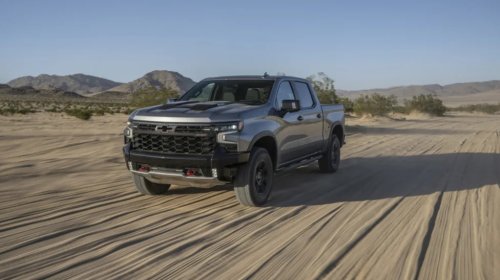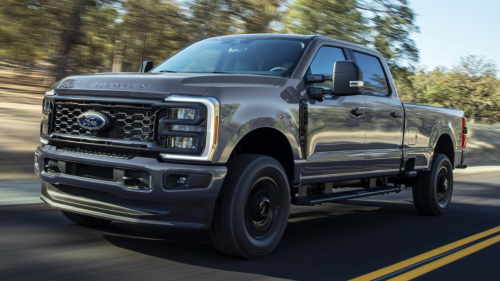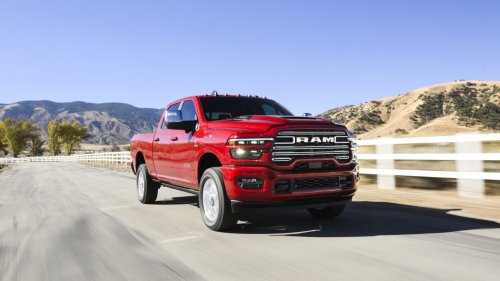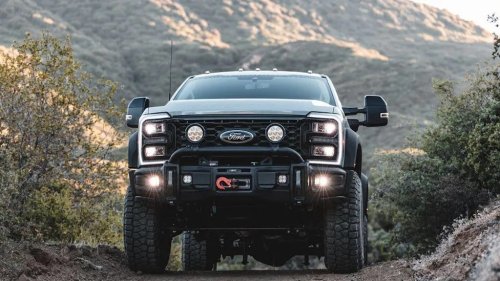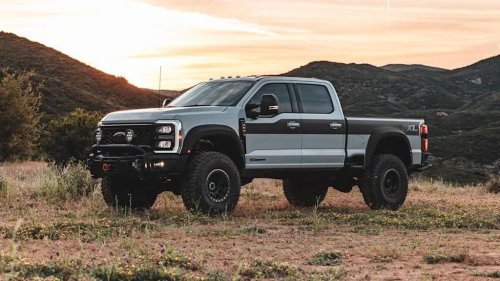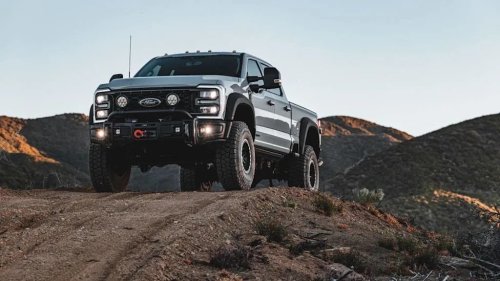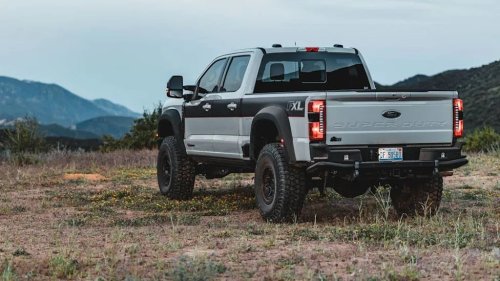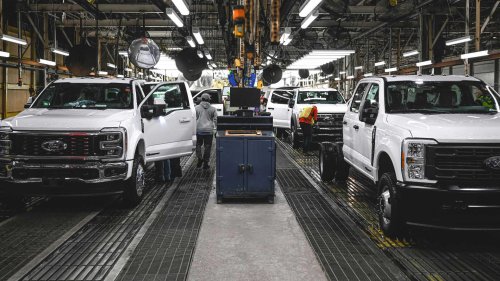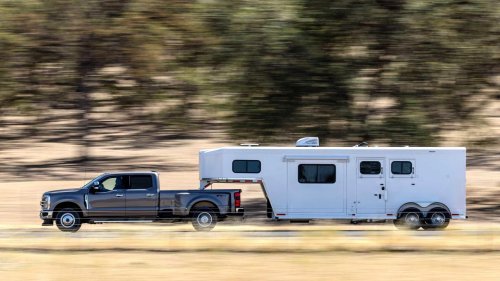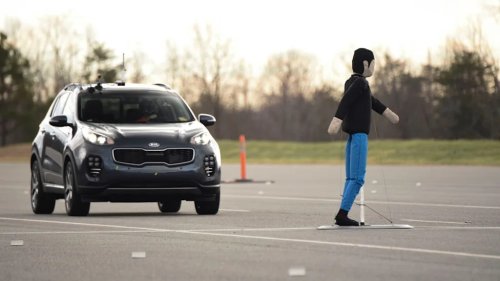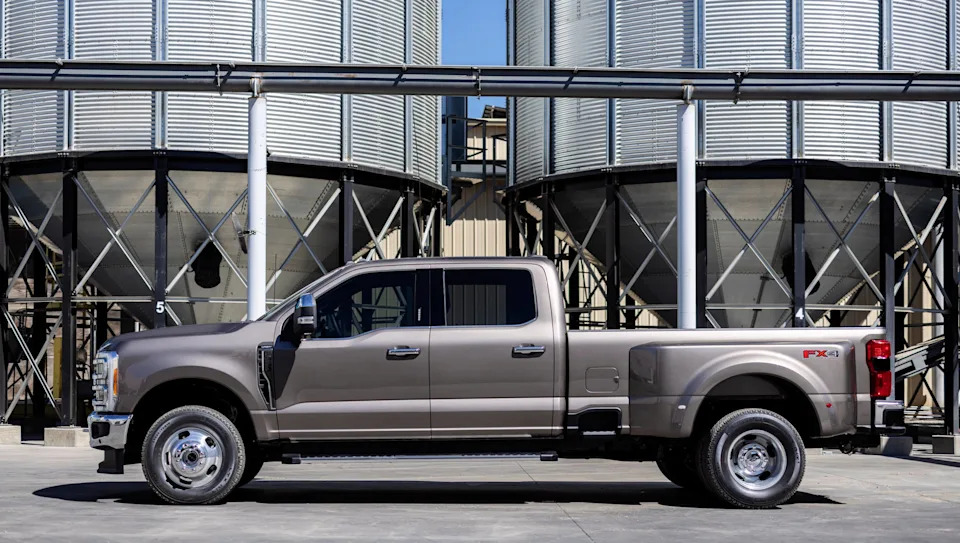
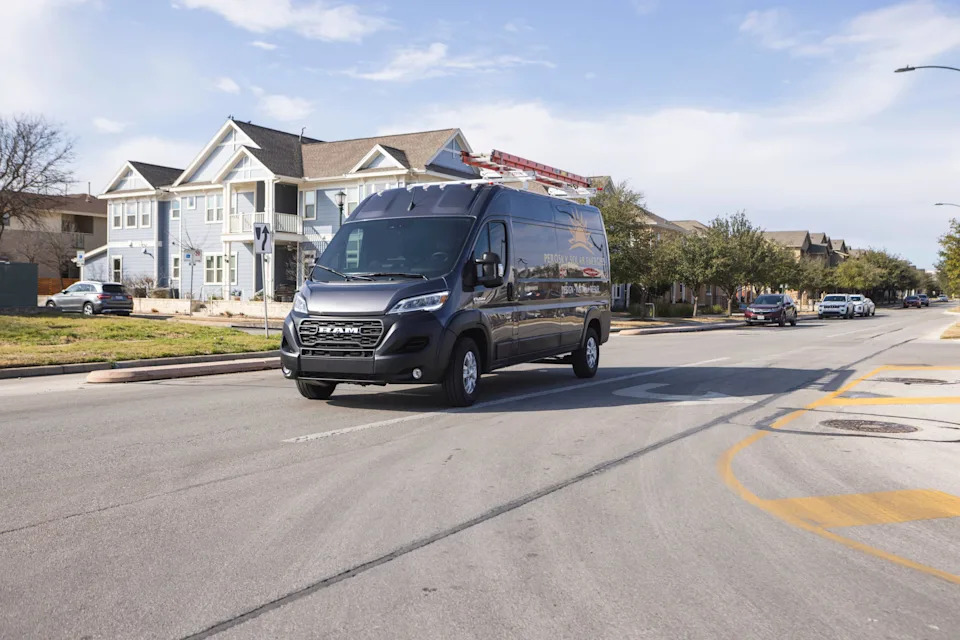
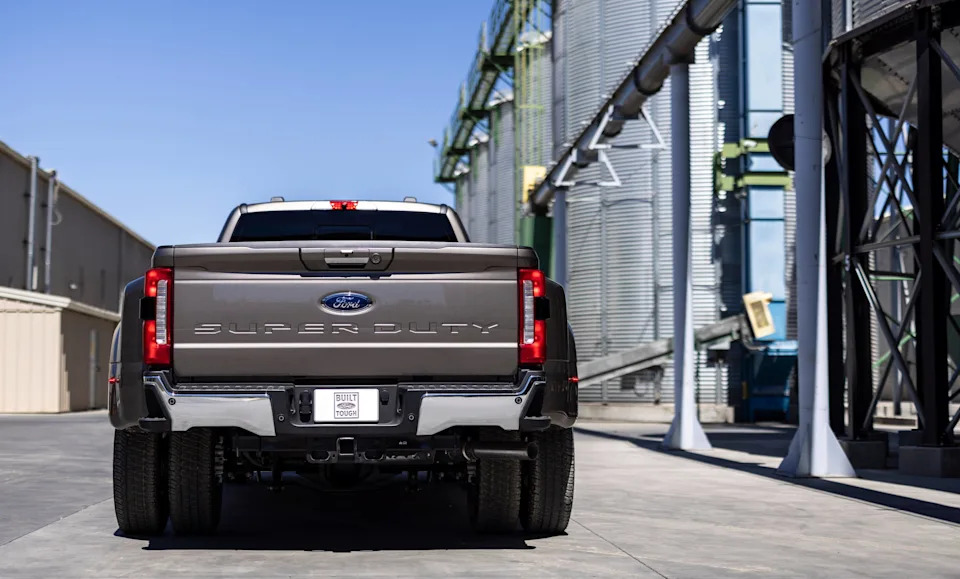



















Crash prevention has become an important part of vehicle safety tests, with the Insurance Institute for Highway Safety (IIHS) only awarding a safety award for vehicles that can adequately avoid collisions. These tests evaluate how well vehicles can avoid a crash with another vehicle or a pedestrian, and that becomes even more significant in larger, heavier models that can cause more damage. Unfortunately, big trucks and cargo vans performed poorly in new IIHS crash-prevention tests, indicating that their safety tech isn't on par with many smaller vehicles.Class 3 Pickups Struggle With Crash Prevention2025-2026 Ford Super Duty F-350 DRW LariatFordThe latest test results feature Class 3 pickups, which have a gross vehicle weight rating (GVWR) of 10,001 to 14,000 pounds. That figure applies to the maximum weight the vehicle can carry, including passengers, cargo, and the vehicle's own mass. Put simply, these are some of the biggest pickups on the road, often used for towing heavy rigs or hauling massive farming equipment. Here's how the four evaluated models performed.Vehicle-to-Vehicle Crash PreventionPedestrian Crash Prevention2025-26 Chevrolet Silverado 3500HDPoorMarginal2025 Ford F-350PoorAcceptable2025-26 GMC Sierra 3500HDPoorMarginal2026-27 Ram 3500MarginalAcceptableNot a single pickup managed a 'Good' rating in either crash-prevention test, and they especially struggled with vehicle-to-vehicle crash prevention. For instance, the Ford F-350's safety systems could only avoid a collision with a passenger car target at 31 mph; in four other tests above this speed, it failed to do so. In one 43-mph test, the big Ford failed to reduce its speed at all; a vehicle this heavy crashing into a smaller car could be devastating. The results were similar for the other pickups, with the Chevy unsuccessfully avoiding the passenger car in all six tests.The group performed slightly better in the pedestrian tests, with the Ford and Ram getting Acceptable ratings. But none of the trucks were perfect."These results are a wake-up call for commercial vehicle makers," IIHS President David Harkey said. "Front crash prevention is especially important for these larger, heavier vans and trucks because of the danger they pose to other road users."According to the IIHS, 6,215 people were killed on U.S. roads in 2024 in crashes involving medium- or heavy-duty vehicles or light vans.Cargo Vans Aren't Much Better2025 Ram ProMasterStellantisThe IIHS performed the same test with a variety of cargo vans, from the archaic Chevrolet Express/GMC Savana duo to the modern Chevy BrightDrop 400 electric delivery van.Vehicle-to-Vehicle Crash PreventionPedestrian Crash Prevention2025-26 Chevrolet BrightDrop 400AcceptableGood2025-27 Chevrolet Express 2500PoorPoor2025 Ford Transit T250PoorMarginal2025-27 GMC Savana 2500PoorPoor2025 Mercedes-Benz Sprinter 2500GoodAcceptable2025-27 Ram ProMaster 2500PoorMarginal2025 Rivian RCV-Delivery 500MarginalGoodWhile the overall ratings for cargo vans leave much room for improvement, there are a few bright spots. The Mercedes-Benz Sprinter 2500 avoided any Poor or Marginal ratings, placing it on par with many modern sedans and crossovers in its ability to avoid a collision. Chevy's BrightDrop 400 and the Rivian RCV-Delivery achieved Good ratings for the pedestrian crash test.There's not much else to get excited about. Perhaps to nobody's surprise, the Chevy Express and GMC Savana—vans originally introduced in 1996—both received Poor ratings in both tests. These vans don't have automatic emergency braking, a crucial technology that has been proven to reduce crashes.Related: America's Biggest Pickups Just Got Their First IIHS Safety Check, And Some FailedFinal ThoughtsFord Super DutyFordCommercial vehicles have a long way to go to match the safety standards of passenger cars. Much of that has to do with government standards for safety in passenger cars, with many of those requirements not applying to delivery vehicles and larger work pickups. If anything, heavier, larger vehicles should have enhanced safety tech, given the increased risk to other road users if a crash involving one of these vehicles occurs. The IIHS is working to change this, with its commercial vehicle assessment program having launched in June. More Class 3 vehicle safety tests are expected between now and 2027, and larger Class 4-6 trucks will also be evaluated at a later stage.Related: The IIHS Tested Seven New Cars, But Only Two Earned Safety Awards