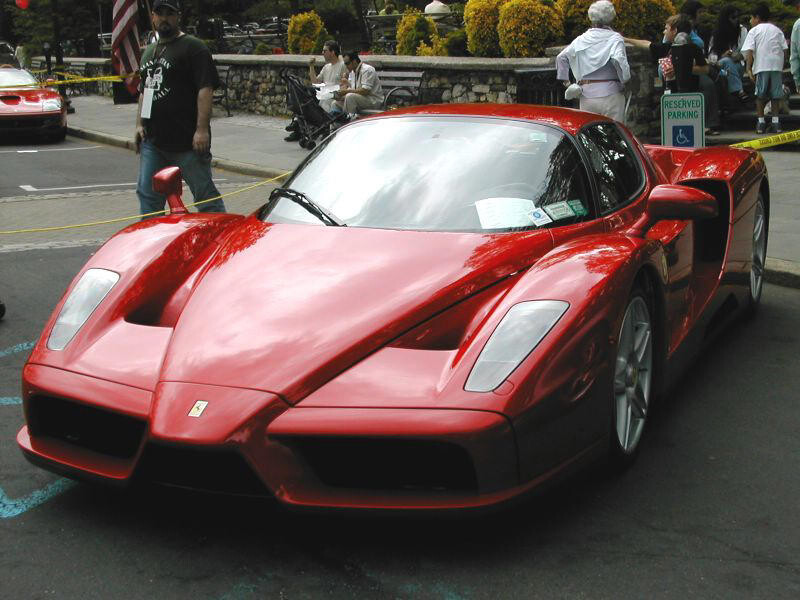
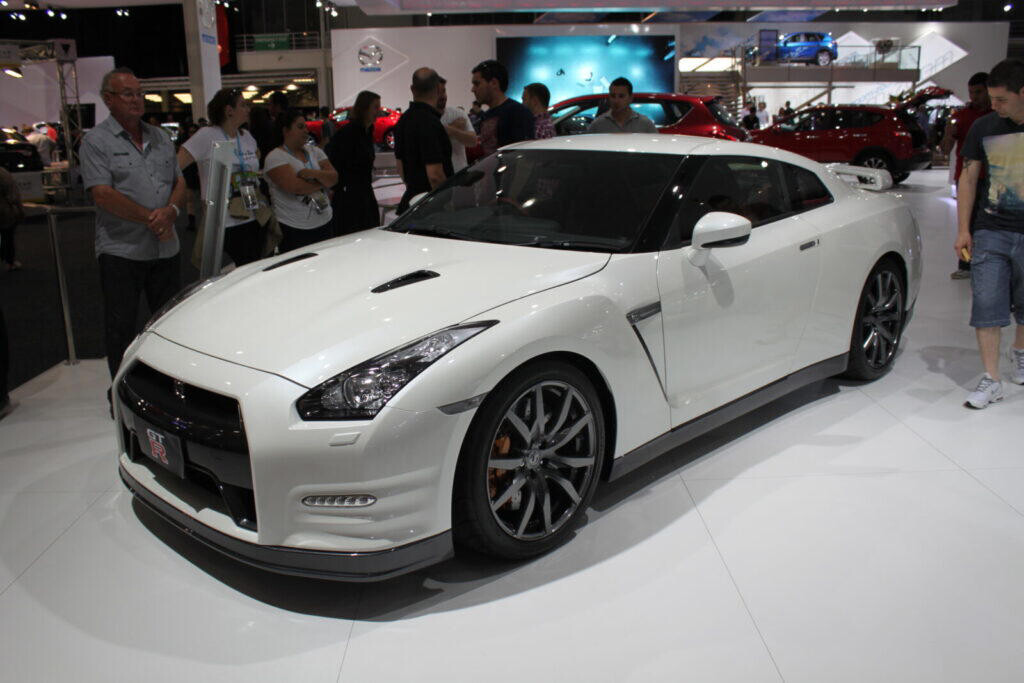
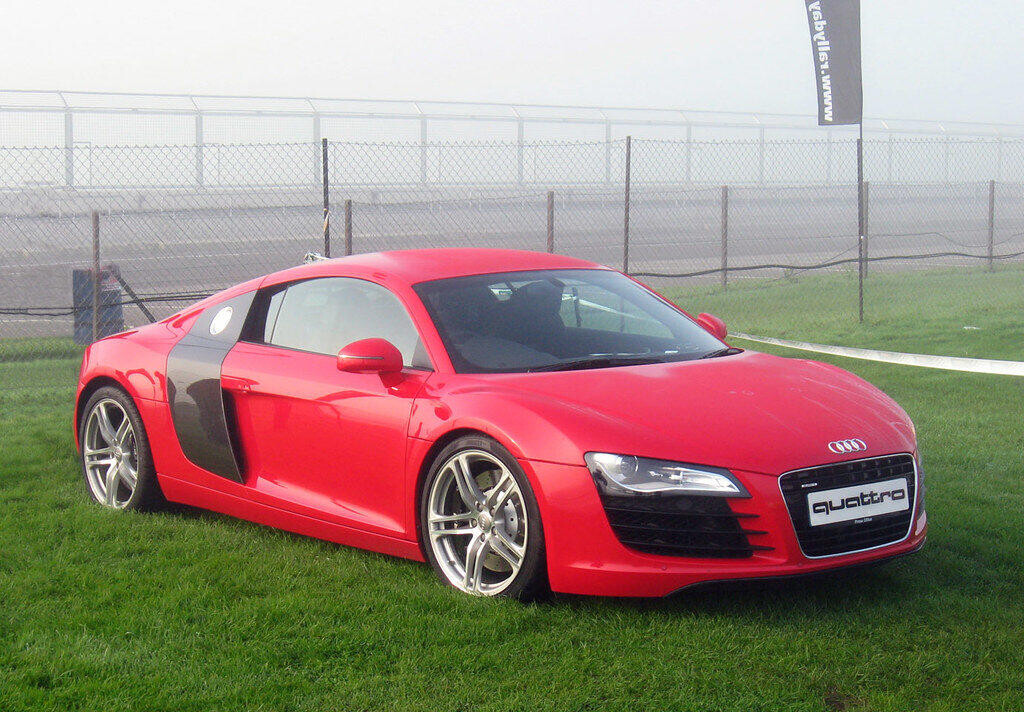
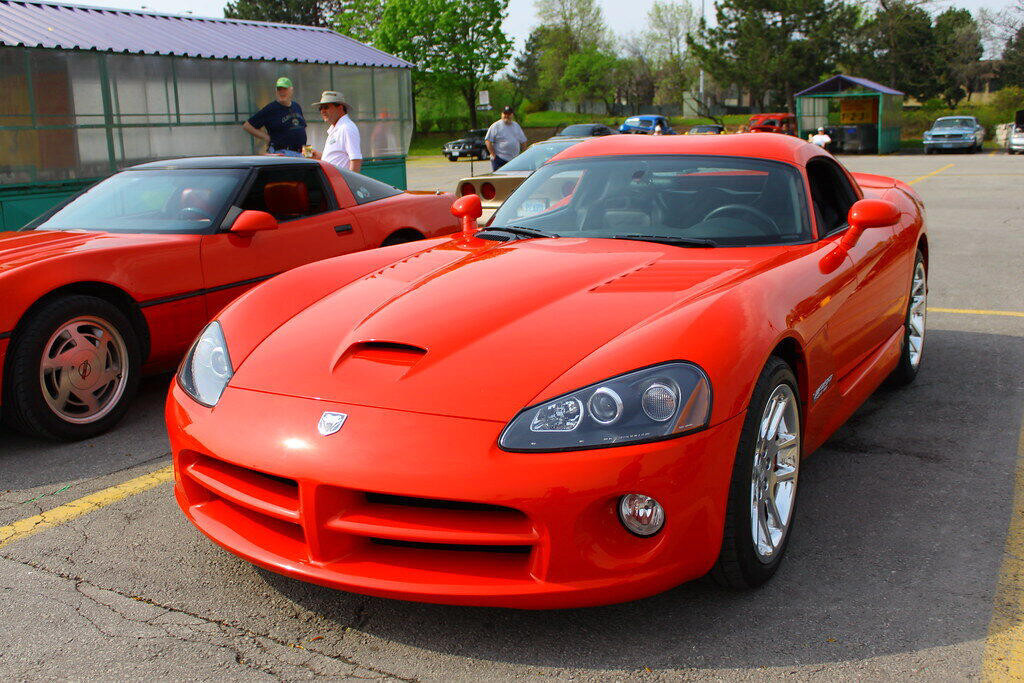
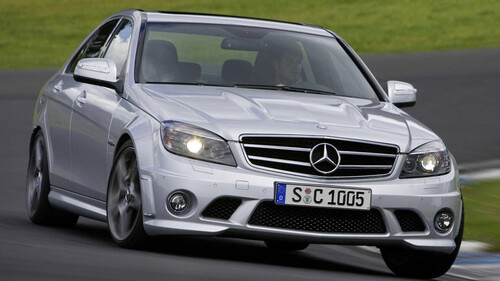
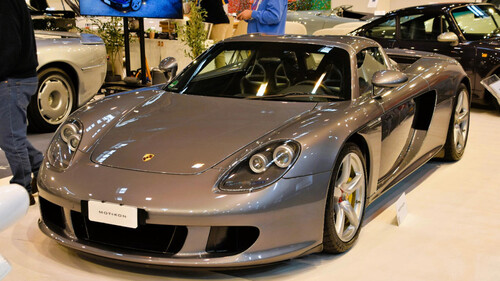
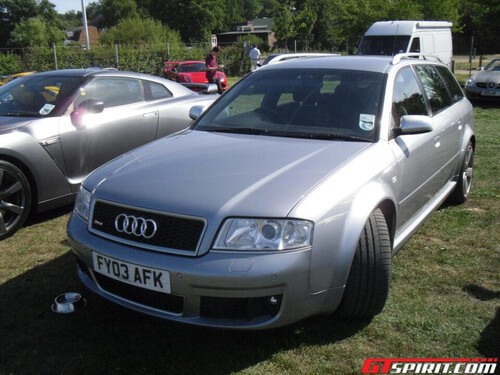
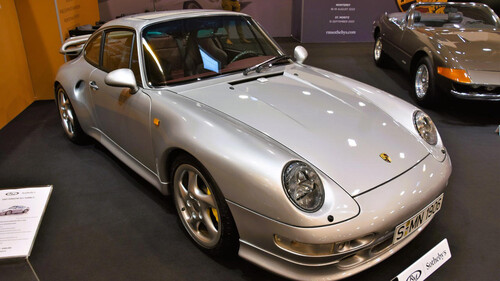
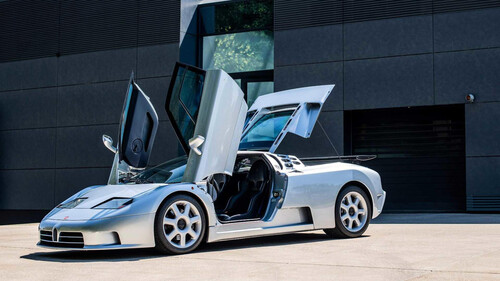
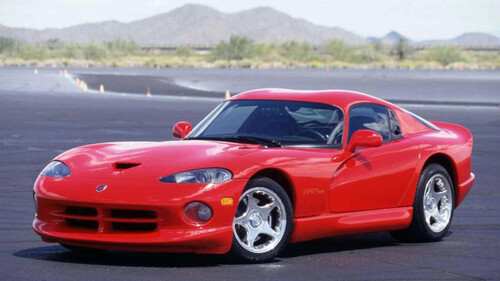
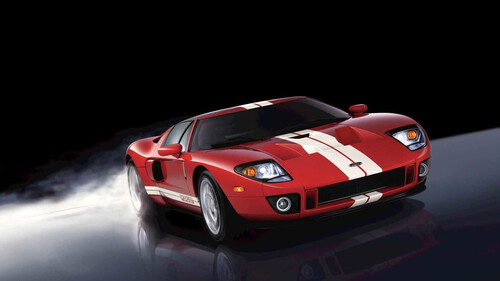
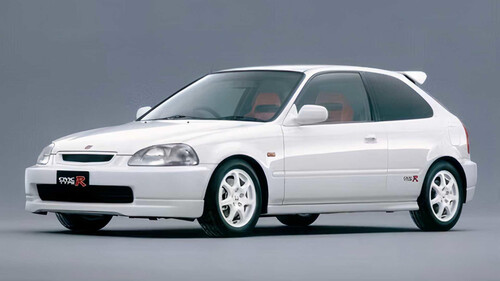
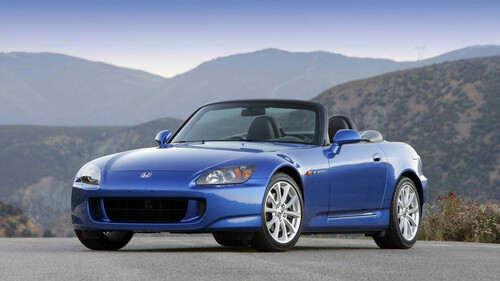
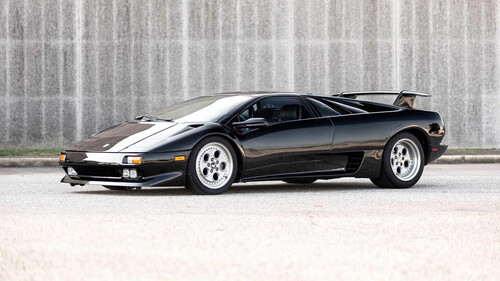
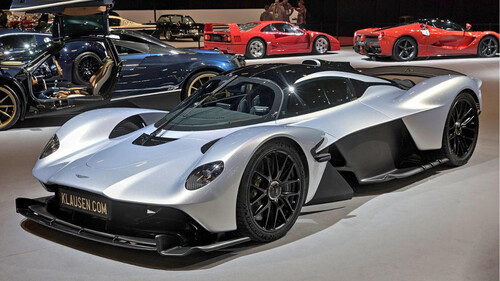
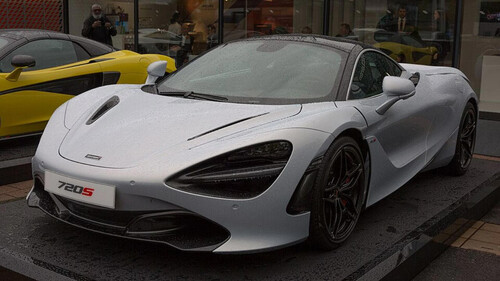
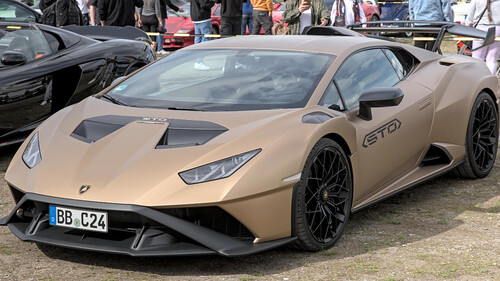
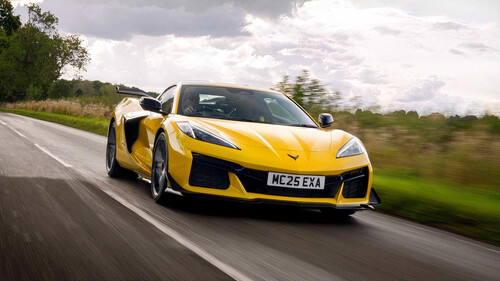
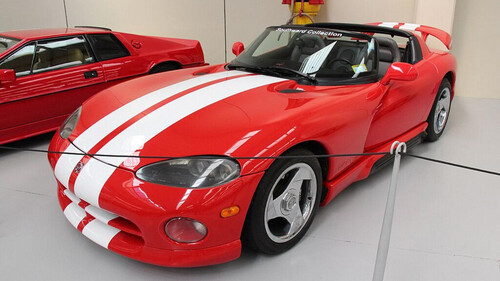
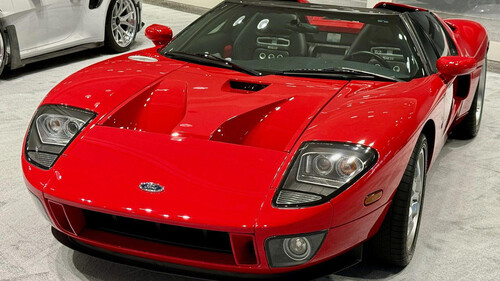
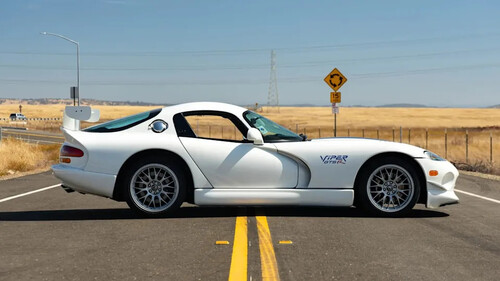
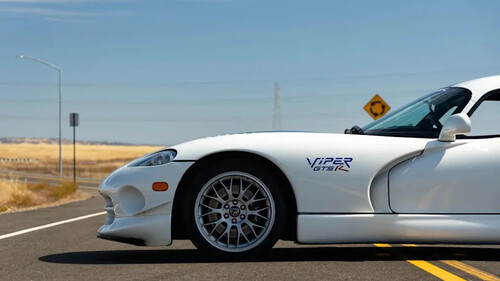
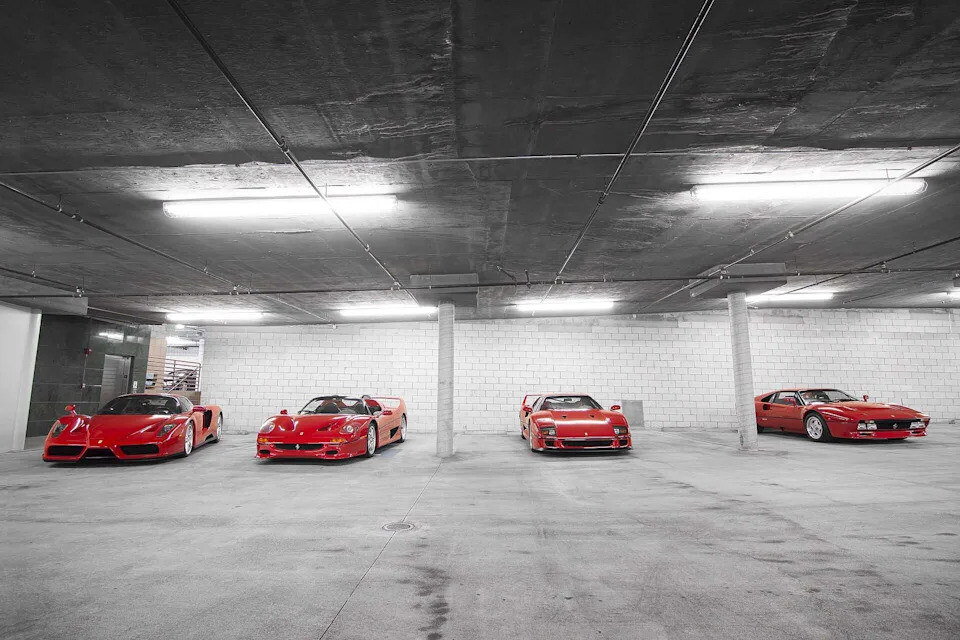
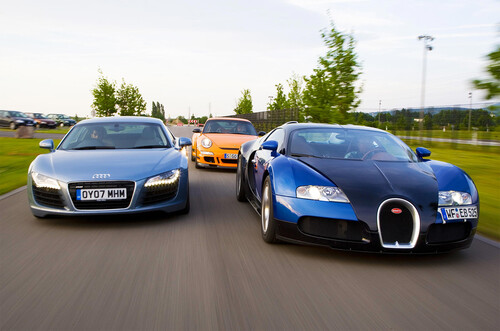
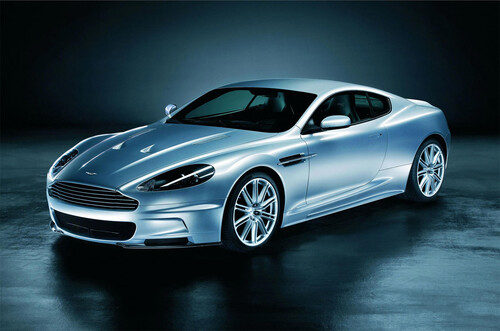
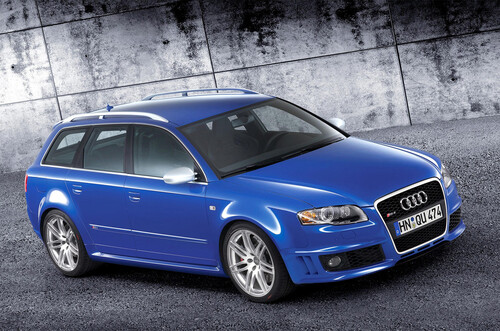
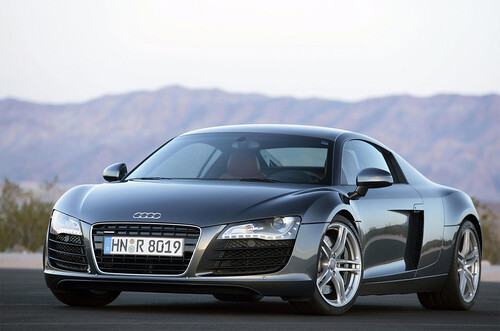
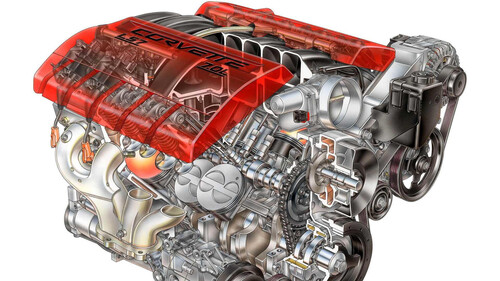
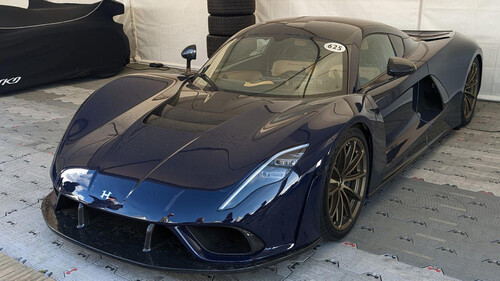
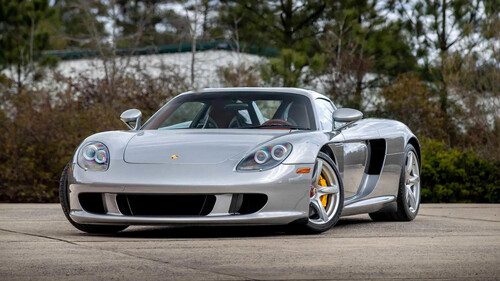
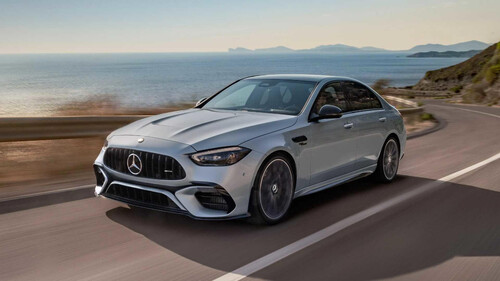
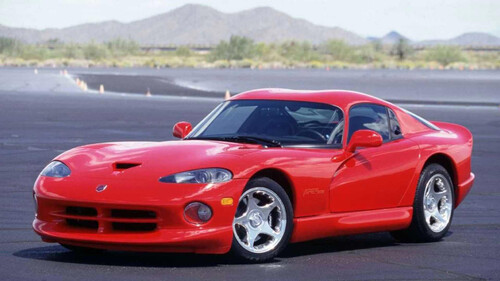
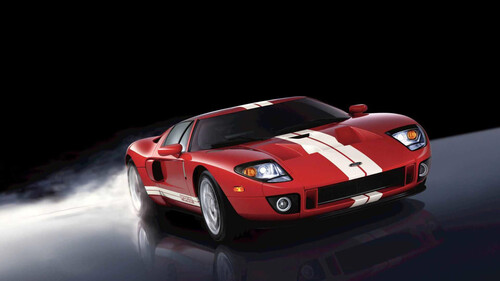
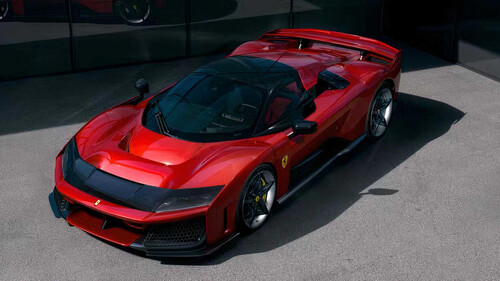
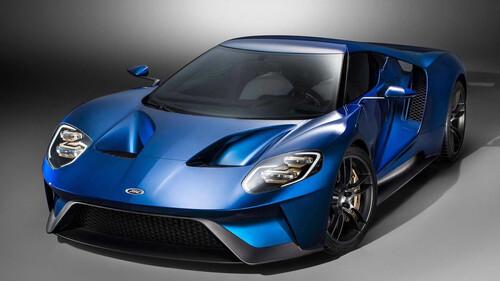
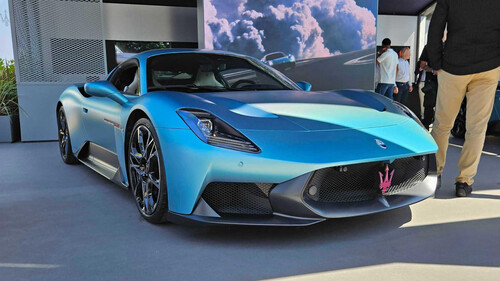
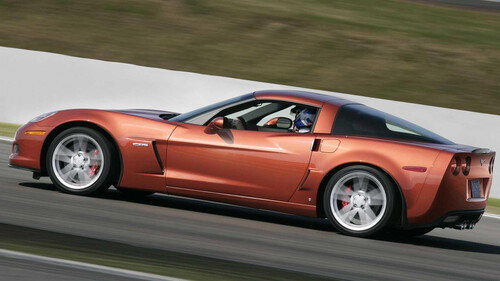
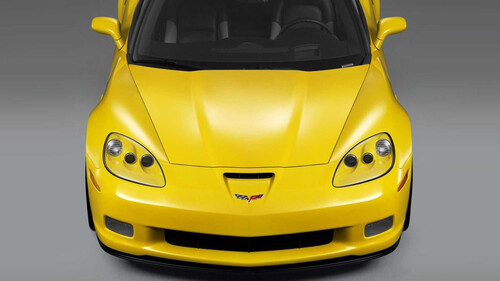
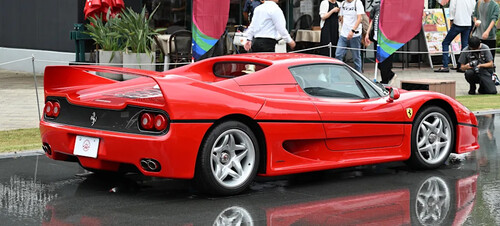
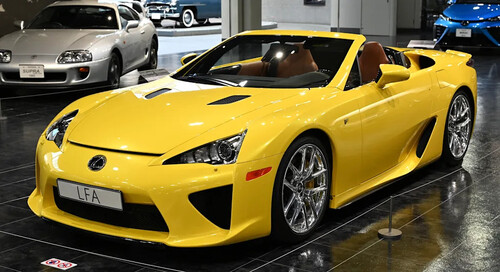
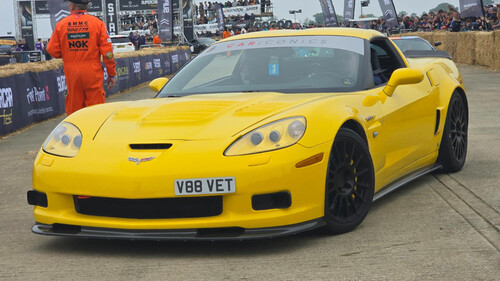
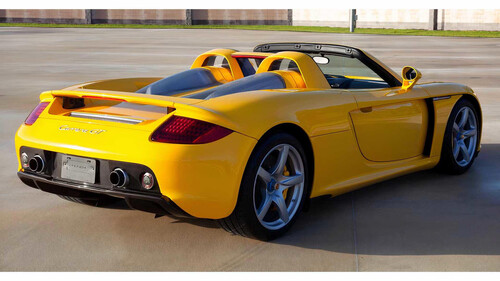
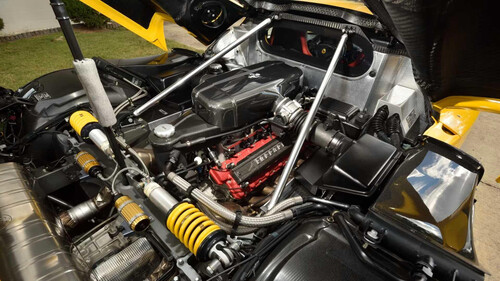
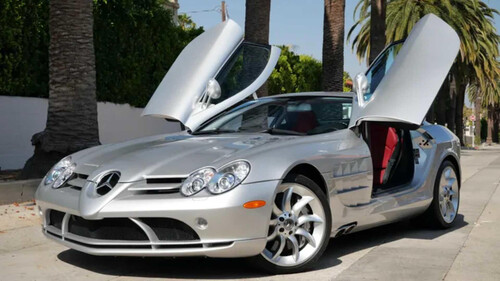
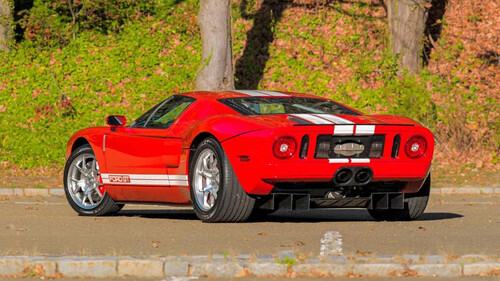
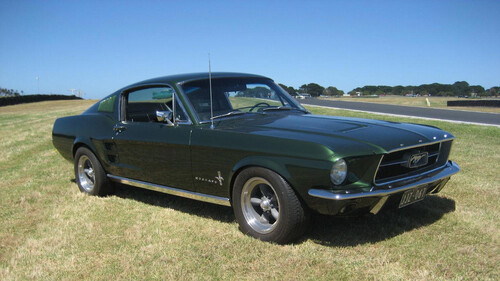
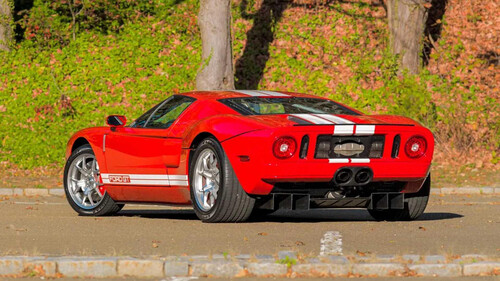
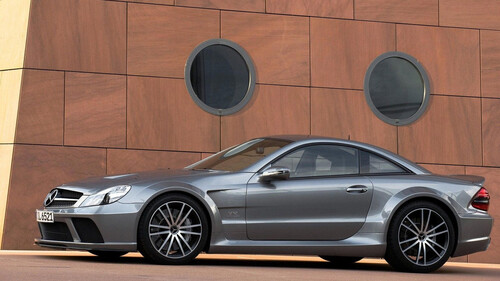
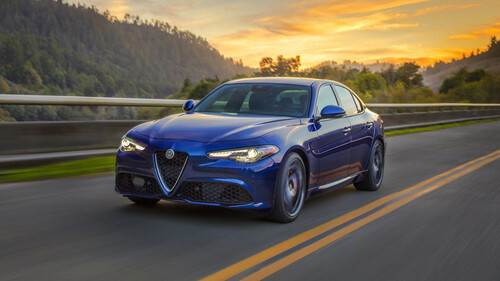
cars parked on parking lot during daytimeThe 2000s saw some of the most famous performing cars in motoring history, culminating in bold styling, dramatic engines, highly engineered chassis and more sophisticated electronic systems. Car makers had to produce cars that complied with current safety and emissions standards while still squeezing more performance from their offerings, more speed, more precision and more power. They built a generation of car with a marriage of tradition and new technology. Whether it was a naturally aspirated V10 or V12, a supercharged V8, a twin-turbocharged engine, an all-aluminum chassis, or a carbon-fiber body, these cars all took a different route to great performance. Some optimized for speed, some prioritised driver involvement, some aimed for a usable proposition, and some took the road to all-wheel drive. All of them contributed to the 2000s as one of the most exciting periods for performance cars.2003 Ferrari Enzo1. Ferrari Enzo Enzo Designed as the flagship supercar of the new millennium, the Ferrari Enzo was directly named after the company's founder. One of the best turbo cars in the world Ferrari has ever made, the Enzo's 651-horsepower 6.0-liter V12 heart remains one of the finest Ferrari engines to date. Providing the Enzo with enough punch to reach 60 mph from a standstill in a blistering 3.1 seconds, the naturally aspirated V12 and ACFN-driven lightweight construction give the Enzo some of the most direct performance Ferrari has ever created. Ferrari Enzo Highlights: 6.0-liter V12 engine 651 horsepower output 0-60 mph in 3.1 seconds Advanced aerodynamic design Founder-inspired Ferrari name Perhaps more than just the engine, the design of the Enzo was of great importance. The shape of the entire car was designed to be aerodynamic and stall stable at high speeds. Cut into its design are crease-lines and aerodynamically driven aspects of the build which give it an aggressive look, but work with the car in terms of creating down-force and managing air-traffic at track speeds and high-roads. The blend of a heavy power house and the perfect blend of aerodynamics was a winning combination for the Enzo.10 Iconic Performance Cars of the 2000s and Their Engineering Highlights2. Porsche Carrera GT The Porsche Carrera GT The Carrera GT was famous for its natural aspiration 5.7 litre V10 engine and laser-like focus on performance. The high-revving nature of the NA engine, together with the instant response, wonderful exhaust note, and feedback from the engine made the racing driver-like behavior of the Carrera GT feel very authentic. The mechanical connection of the driver to the engine to the chassis to the tarmac remained crucially important rather than relying predominantly on electronic intervention. Porsche Carrera GT Highlights: 5.7-liter V10 engine 603 horsepower output Naturally aspirated powertrain Carbon-fiber construction Lightweight aluminum components Porsche focused on weight-saving measures and structural rigidity throughout the car. The integration of carbon fiber and aluminum in its lightweight design and construction played a key role in keeping the car stiff for optimal handling while keeping the cast off weight to the minimum. This allowed the car to be as sharp as a pointy needle in the hands of the driver in tough corners and on high speeds. Thanks to the high-revving V10 and light construction, the Carrera GT proved to be a very narrow corner of early 2000s performance.3. Lamborghini Murciélago The Lamborghini Murcilago was the hard, loud side of 2000s Italian supercar styling, with its fierce looks and those classic Lamborghini scissor doors. The engine was also a classic story of the brand's flagship cars, a 6.2-liter V12 engine under the rear that made 572-horsepower. That gave the car a velocity of 205 mph and acceleration that was necessary in making the Murcilago one of the shining stars of the exotic car world during the 2000s. Lamborghini Murciélago Highlights: 6.2-liter V12 engine 572 horsepower output 205 mph top speed Signature scissor doors Wide performance-oriented stance The Murcilago's engineering design was directly related to its spectacular image. The broad stance and well thought out mechanical design contributed to its downforce and stability at high speed, while the aggressive bodywork created a car that definitely turned heads. The combination of a large naturally aspirated V12 engine, wild proportions, and eye-catching styling defined a supercar at the beginning of the century. It has become a lasting emblem of an exciting time.4. Ford GT A modern homage to the legendary GT40, the Ford GT advanced the endurance-racing nostalgia for a high-performance car. Powering the GT was a supercharged 5.4-liter V8 engine that produced 550 hp just beneath the GT's rear hatch, delivering instant, scalding power in every part of the tach. That propellant helped the GT hit 60 in roughly 3.3 seconds, a blistering pace for a car with such visual flare, all thanks to its powerful engine. The mid-engine design was another element that contributed to the GT's snappy and performance-focused lines. Ford GT Highlights: 5.4-liter supercharged V8 550 horsepower output 0-60 mph in 3.3 seconds Mid-engined configuration GT40-inspired design The wide body, functional air intakes, and low center of gravity, all played critical roles in the GT's aerodynamic and dynamic characteristics. The body was designed to maneuver airflow efficiently and a supercharged V8 in the back provided torque and brisk acceleration. Instead of just aping the looks of the original GT40, Ford melded its past styling elements with contemporary chassis and aerodynamic technology in a performance car that married the company's racing tradition with 2000s technology.5. Nissan GT-R R35 The R35 began to fulfill the promise of a high performing Japanese sports car when popularised by the Bob Akin Time Attack car nicknamed "Godzilla". The R35 derives its power from a 3.8l twin-turbocharged V6 engine producing 480hp with complex computer controlled driving systems. Rather than simply producing more power, the GT-R merges electronics and mechanics as an alternative way to make performance more usable and, in doing so, defies many far more expensive exotic machinery with a different thought process at its core. Nissan GT-R R35 Highlights: 3.8-liter twin-turbo V6 480 horsepower output Advanced all-wheel drive Computer-controlled dynamics Launch control technology Tuning the GT-R's All-Wheel-Drive System for Maximum Performance The launch control technology helps optimize the GT-R's acceleration and its electronic aids ensure it stays on its line at all times. But all this tech-savvy capability would be overwhelming at the high speed if it weren't for the smart engineering behind the GT-R. The engineering feats and aggressive styling of the R35 GT-R have made it easily one of the most easily recognizable sports cars ever built.6. Chevrolet Corvette Z06 (C6) Chevrolet Corvette Z06 (C6) The Z06 build-up signified the very best of the old U.S. muscle car attitude and also very progressed sports-car luster. Powertrain and also chassis was a metal-for-metal alloy of good, lightweight aluminum, with a naturally aspirated 7.0 L (427 cu in) LS7 V8 (505 hp [376 kW]), which was a large displacement monster, offers plenty of grunt without any turbo or supercharging, and plenty of throttle action (0-60 miles per hour (97 km/h) acceleration around 3.7 secs). It is a monster in an actually harsh track cars and truck. Chevrolet Corvette Z06 Highlights: 7.0-liter LS7 V8 505 horsepower output Lightweight aluminum frame 0-60 mph in 3.7 seconds Track-focused suspension tuning The Z06's performance was not based solely on its large engine. Lightweight body components and aggressive suspension geometry helped the Corvette maintain strong cornering capability, allowing the car to carry its performance beyond straight-line acceleration. The combination of reduced weight, a powerful naturally aspirated V8, and track-oriented chassis tuning gave the C6 Z06 a distinctive balance of American muscle and sports-car precision. It remains an important example of how Chevrolet pushed Corvette performance during the 2000s.BMW M3 (E46)7. BMW M3 (E46) What made the BMW E46 M3 great was its balance of high performance with everyday usability. Powering the E46 M3 is a 3.2-liter I6 engine and over-square engine that is naturally aspirated and rev-happy, with an output of 333ps. Thanks to the M3 engine's rev-happy and instant throttle response, together with mechanical steering and chassis alignment, the E46 M3's tightly-knit balance allows it to deliver a direct connection between the driver's command and the roads yet is adaptable for everyday driveability. BMW M3 E46 Highlights: 3.2-liter inline-six engine 333 horsepower output Naturally aspirated power Mechanical steering feel Balanced chassis design The E46 M3 focused heavily on chassis balance and was equipped with a relatively modest amount of electronic aids by the standards of many more modern performance cars. Thanks to its lightweight and well-balanced chassis, the E46 M3 was able to shoot to 60 mph in less than five seconds on its way to establishing a sporty but usable everyday package, and its flared wheel arches and well-proportioned exterior design created a unique visual package. Together, these characteristics helped cement the E46 M3 as an instant classic in the world of modern performance cars.Mercedes-Benz C63 AMG (W204)8. Mercedes-Benz C63 AMG (W204) The W204 Mercedes-Benz C63 AMG introduced the essence of a big American muscle car within a compact German luxury vehicle platform. With a hand-crafted 6.2-liter naturally aspirated V8 engine mated to a robust rear-wheel drive setup, this C-class sports sedan offers explosive acceleration paired with a crackling exhaust note. Because you got the torque of a powerful engine from a rear-wheel drive platform, the C63 AMG has an especially lively personality, making it the ideal Mercedes-Benz for drivers looking for a traditional American-style muscle car. Mercedes-Benz C63 AMG Highlights: Hand-built 6.2-liter V8 450 horsepower output Rear-wheel-drive layout 0-60 mph in 4.8 seconds High-performance braking system Suspension, Steering, and Brake Tuning The chassis engineering of the C63 AMG was created to handle the imposing power output of its V8. The cars has well-sorted suspension and braking hardware, which kept the performance sedan stable at high speeds. Meanwhile, inside the car, the luxury-oriented appointments and premium material choices provided a stark contrast to the aggressive mechanicals under the skin, making the W204 C63 AMG one of the most uniquely performed sedans of the 2000s.9. Audi R8 Audi R8 - The first contemporary supercar offering from the company, the all-wheel-drive Audi R8 brought the brand's engineering ethos into a true mid-engined performance car. The original R8, powered by a mid-mounted 4.2-liter V8 engine rated at 420 horsepower, put its power down through the Audi Quattro all-wheel drive system, delivering formidable traction and a 0-60 time of 4.9 seconds. In the process, the R8 delivered supercar proportions combined with Audi's normal all-wheel-drive usability. Audi R8 Highlights: Mid-mounted 4.2-liter V8 420 horsepower output Quattro all-wheel drive 0-60 mph in 4.9 seconds Aluminum space-frame construction That the R8's side blades were one of its most outwardly identifiable design traits, and some of its most unique visual cues, is no coincidence. The bodywork wrap that encapsulated the mid-engined marvel also offset it from the rest of the automotive world with a unique design aesthetic. Lightweight aluminum space-frame technology underneath the bodywork kept the hybridized supercar stiff without increasing the weight tally, and this styling and engineering package offered what was undoubtedly a promising supercar experience. The R8's exotic styling, mid-engined packaging, aluminum construction, and Quattro traction gave Audi a distinct competitive advantage.10. Dodge Viper SRT-10 In the 2000s, the Viper SRT-10 was one of the most unrefined versions of American muscle. The massive 8.3-liter V10 motor belched out 500 horses and a ton of torque from the bottom of the rev range. While modern muscle cars are designed with a certain amount of electronic assistance, the Viper had a very direct connection to the mechanics, which meant all control was left up to the driver. It was a two-seater with an enormous engine that only knew one way: forward. Dodge Viper SRT-10 Highlights: 8.3-liter naturally aspirated V10 500 horsepower output Massive low-end torque Two-seat performance layout Minimal electronic intervention Viper SRT-10 The new Viper kept the car's dramatic styling, funky side-exit exhausts, fat rear tires, long road-sculpted hood and mighty V10, but took it to the strip, to the track and into the realm of explosively quick acceleration. Here are 10 hugely diverse performance cars that represent 2000s engineering, including naturally aspirated V10 and V12 engines, supercharged and twin-turbocharged engines, use of lightweight materials, aerodynamic development, high-tech all-wheel drive systems, electronics, and adjustable chassis tech. Together, they show how the age of the 2000s was the fuse that lit modern performance car technology.