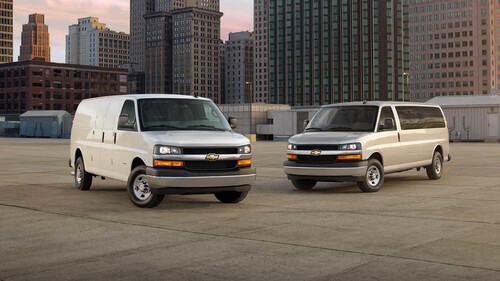
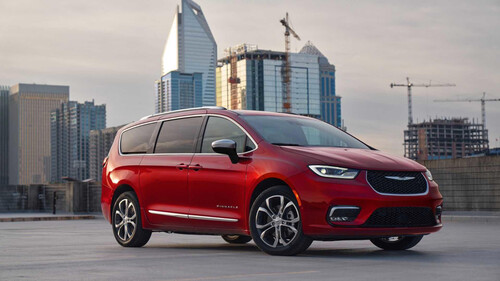
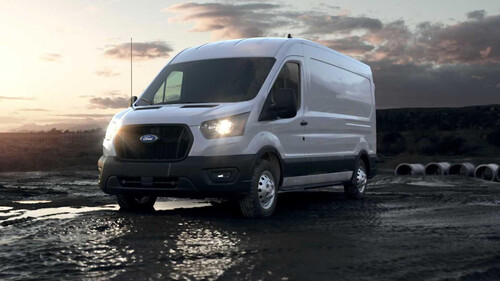
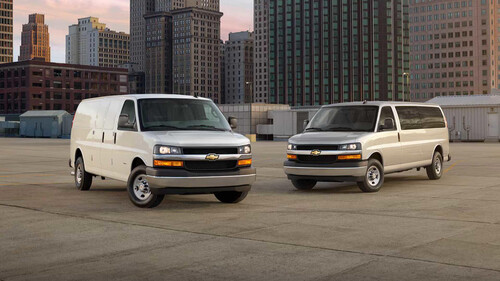
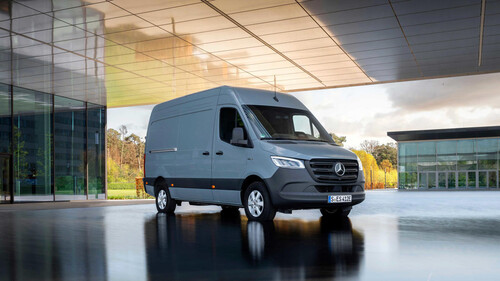
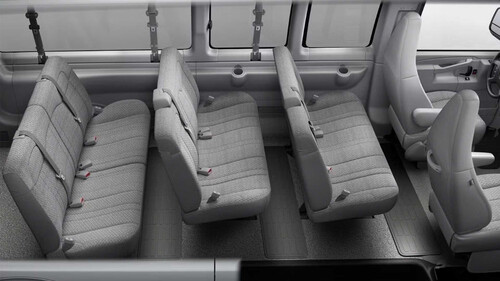
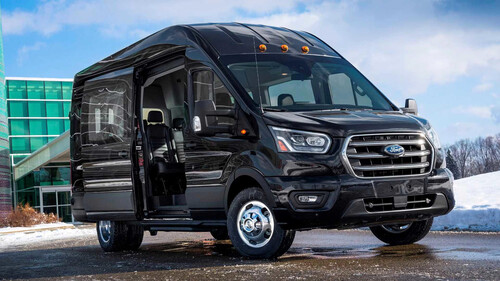
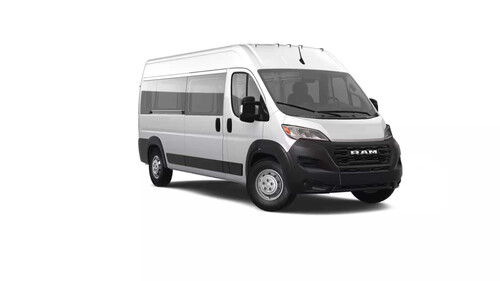
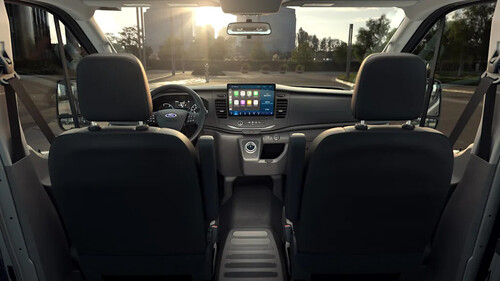
Best Vans | 2026 New Van Cars Rankings | CarBuzzSearching for the best vans for 2026 should not be mistaken for minivans. We’re talking about the heavy-duty ones like the Ford e-Transit that, quite literally, keep the economy going. These vans do not always come endowed with passenger-car refinement, but they do what they do exceptionally well. Whether you are searching for a new van to serve as a mobile workshop, a luxury shuttle, or a sustainable delivery tool, the crop of van models in our list is diverse. Selecting the best van is no longer just about cargo volume; it is about choosing a strategic partner. This year, the industry showcases cool vans that double as high-tech hubs, and there are different van types. Key considerations when it comes to van vehicles include their versatility in both seating and cargo-moving capacity, as well as cost and, crucially, gas mileage - ensuring you get the best mpg to make it affordable. Here is a list of the best van models of 2026 according to our BuzzScore.Vehicles are assigned a BuzzScore in relation to their direct segment competitors, and as such, vehicles in this list, while similarly scored, do not necessarily compete directly against one another. Find out more about how the BuzzScore ratings work here. These lists are continuously updated with the latest BuzzScores and vehicles as they become available.This list includes both minivans and more utilitarian passenger and cargo vans. Mercedes-Benz Sprinter The Mercedes-Benz Sprinter remains the go-to choice for those who equate professional utility with premium engineering. As always, the Sprinter leans heavily into its reputation for refinement, standardizing the high-output 2.0-liter four-cylinder turbodiesel (170 horsepower, 295 lb-feet of torque) across the lineup. This engine is paired with a 9-speed automatic transmission. The ratios have been optimized in such a way that whether you are hauling a full crew or five tons of equipment, the engine remains in the right window to operate optimally.Befitting a Mercedes-Benz, technology is where the Sprinter truly distances itself from the pack. The van integrates the next-generation MBUX (Mercedes-Benz User Experience) system with a 12.3-inch touchscreen. A myriad of in-vehicle systems are operated from this screen and it works via voice control, too. Safety is equally paramount, with the 2026 model featuring enhanced Active Brake Assist and a 360-degree camera system. The Sprinter’s greatest strength is its modularity and versatility. With multiple wheelbases and roof heights, the van can be transformed from a delivery vehicle into a high-end passenger shuttle with ease - all supported by a build quality that offers a quiet cabin. Ford Transit The Ford Transit continues its reign as the most configurable platform in the segment. There is literally a solution for almost every niche in the commercial sector. Its 3.5L EcoBoost V6 engine delivers 310 hp and 400 lb-ft, providing the necessary grunt for whatever load you’re hauling. The available Intelligent All-Wheel Drive (AWD) system provides a significant advantage if road conditions are poor or treacherous, and with three roof heights and three body lengths, the Transit can swallow up to 536.4 cubic feet of cargo.For 2026, Ford upped the Transit’s digital edge by making the 12-inch SYNC 4 touchscreen standard, alongside a 5G modem that acts as a mobile Wi-Fi hotspot for up to ten devices. The Transit is built on the "upfit-friendly" architecture, which means that Ford’s new Vehicle Integration System 2.0 allows operators to control aftermarket equipment - like cranes, lights, or refrigeration units - directly through the factory dashboard display. This is important because owners now have zero reason to fit aftermarket switches and clutter the dashboard. And by going down this route, the interior remains clean and ergonomically friendly. Ram ProMaster The Ram ProMaster remains an efficient choice with its class-exclusive front-wheel drive (FWD) setup. This is not a bad thing, because it allows for the lowest load floor height in the industry at just 21 inches. This design choice is a game-changer for delivery drivers who are constantly hopping in and out of the vehicle. Insignificant as it may sound, it reduces physical strain and speeds up the loading process. The FWD setup also contributes to a best-in-class 36-foot turning diameter.Under the hood, the venerable 3.6L Pentastar V6 gas engine delivers a reliable 276 hp and 250 lb-ft, now backed by an impressive 10-year/100,000-mile powertrain warranty for 2026. The interior has seen a tech boost with the inclusion of the Uconnect 5 infotainment system. This system is fast and intuitive, and supports dual-phone Bluetooth connectivity. For those needing maximum volume, the "Super High Roof" configuration offers 86 inches of interior height, and the maximum payload capacity is 4,820 lbs. Chevrolet BrightDrop 400 The Chevrolet BrightDrop 400 took charge of the electric revolution in the van world, leading the charge as a vehicle that’s designed to maximize uptime and minimize operating costs. This vehicle's primary strength lies in its specialized dimensions: the "400" signifies over 400 cubic feet of cargo space in a shorter, more maneuverable wheelbase than its larger 600 sibling. This makes it the ultimate delivery weapon if you’re constantly operating in neighborhoods and tight city streets.The electric powertrain provides 300 lb-ft of instant torque, which is ideal for stop-and-go city routes, and it has an estimated range of up to 272 miles on a full charge. Standard safety features include Front Pedestrian Braking and Reverse Automatic Braking, while the BrightDrop 400 also excels in connectivity by feeding real-time data to fleet managers to optimize routes and monitor the van’s battery health.As we've reported before, GM confirmed that it will end production of its electric van, the Chevrolet BrightDrop. GM CEO Mary Barra attributed the decision to the changing regulatory framework and elimination of the $7,500 federal tax credit for fleet vehicles.“This is not a decision we made lightly because of the impact on our employees. However, the commercial electric van market has been developing much slower than expected, and changes to the regulatory framework and fleet incentives have made the business even more challenging.”-Mary Barra, GM CEO GMC Savana The GMC Savana stands as a testament to the "if it ain't broke, don't fix it" philosophy. Its greatest pro is its proven, rugged simplicity that literally withstood the test of time. The van is built on a high-strength steel full-length ladder frame, which makes it ideal for extreme durability and ease of repair. For 2026, it remains a favorite for heavy-duty applications, particularly when equipped with the optional 6.6L V8 engine that pumps out a massive 401 hp and 464 lb-ft.This powertrain allows for a staggering 10,000-pound maximum towing capacity, while the interior is unapologetically functional. It allows owners to customize the interior as they see fit, and there is seating for up to 15 passengers. In a world of rapidly changing technology, the Savana remains an unbeatable workhorse. Chevrolet Express Mirroring its GMC twin, the Chevrolet Express is the quintessential American van, lauded for its reliability and massive capability. Whether it's configured as a mobile plumbing workshop or an electrician’s hub, the van's wide-opening rear swing-out doors and available sliding side door provide good access to its 239.4 cubic feet of cargo space. For 2026, the van is offered with the 4.3L V6 as standard, but its real strength is found in the available 6.6L V8, which transforms the Express into a powerhouse. The platform is highly customizable and can be tailored with various "work-ready" packages, including ladder racks, safety partitions, and specialized storage bins. Another benefit of the Express’ simple design is its higher payload ceiling - an area where it trumps many of its more complex European-style rivals. Ford E-Transit Cargo Van The Ford E-Transit Cargo Van is the smart choice for businesses looking to integrate sustainability without sacrificing what the world’s best-selling van is known for: utility. By utilizing the same body as the gas-powered Transit, Ford ensures that all existing racks, bins, and accessories transition perfectly to the electric model. The standout feature for 2026 is the Pro Power Onboard system, which provides 2.4 kW of exportable power, effectively turning the vehicle into a mobile generator.The 266-hp electric motor provides smooth, linear acceleration, supported by an enhanced suite of standard driver-assist tech, including Adaptive Cruise Control and a 360-degree camera. A boon is the lower scheduled maintenance costs, which is estimated to be 40% lower than the internal combustion models. Characteristics Of The Top-Rated Vans While the best vans for all manner of purposes may differ, there are always key attributes that are shared between the top-rated vans: Sizable bodies: In general, these are some of the largest vehicles on sale. This aids practicality but can make vans awkward to drive. Diverse configurations: Whether it’s bench seats or captain’s chairs, swing or sliding doors, or simply numerous roof heights and body lengths, vans align with the needs of just about any buyer, thanks to their extensive customization options. Strong engines: It’s easy to review the newest vans in isolation and think a frugal engine is sufficient, but when fully loaded, these machines need to be capable of toting large payloads and towing big trailers with ease. What To Consider When Buying New Van Models When looking to buy vans over an SUV or other family vehicle, there are a few things to consider, for better or worse: Pros Capacious cabins are ideal for sizable families Minivans have access to an abundance of safety features Traditional variations are arguably the best trade vehicles of all time Duality of cargo and occupant space Versatile cabins Cons Substantial dimensions hinder maneuverability Van prices can get expensive Color choices are often limited and not very premium Certain brands don’t cater to the minivan segment Not the most fuel-efficient vehicle style Sources: Kia, Chrysler, Honda, Volkswagen, Chevrolet