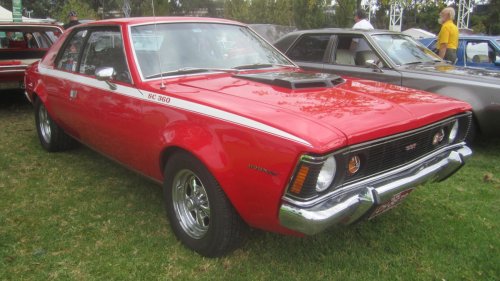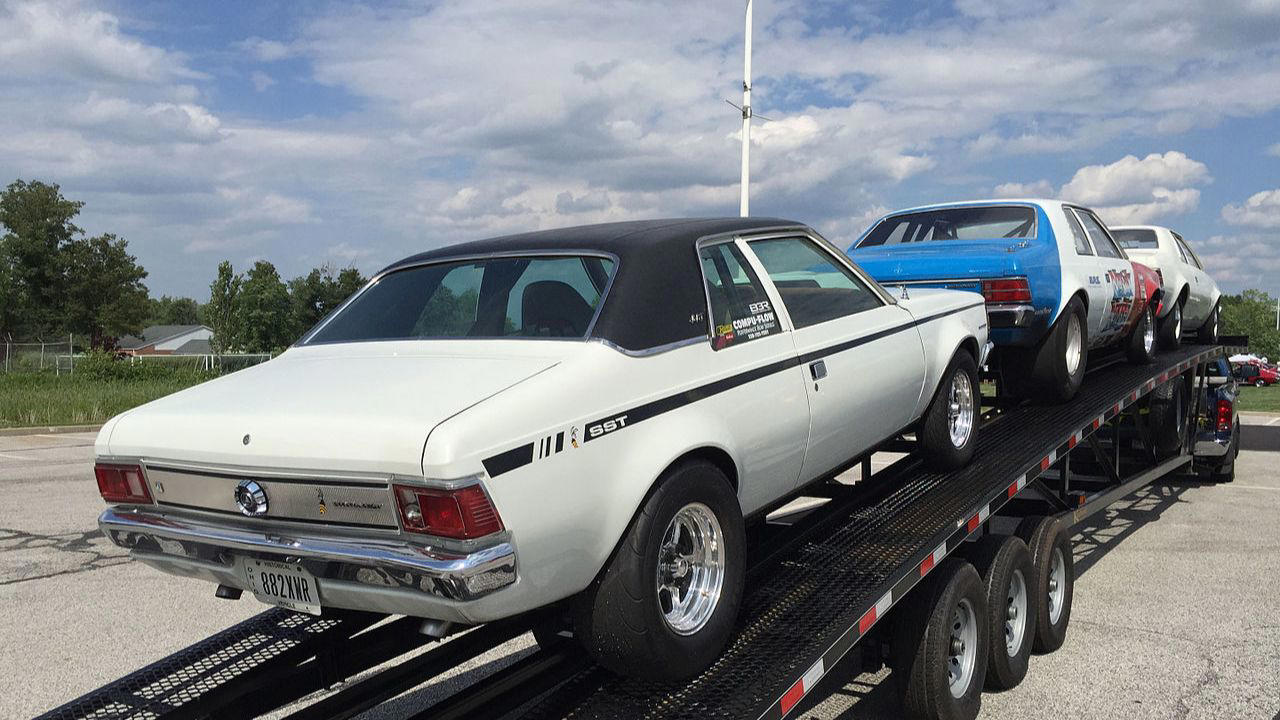



















Buying a 1972 AMC Hornet can be interesting but parts sourcing isn’t always easyThe 1972 AMC Hornet sits in a sweet spot of American car history: quirky enough to stand out at a cars-and-coffee meet, yet still practical to drive and park. For buyers drawn to that mix of character and usability, the Hornet can be a compelling choice, but keeping one on the road often depends less on mechanical skill and more on knowing where and how to find the right parts. That search can be rewarding, although rarely straightforward. A survivor that still turns heads On video, a bright yellow 1972 American Motors AMC Hornet SST Survivor featured by Lou on his channel My Car Story captures much of the appeal. The car appears close to how it left the factory, from its paint to its trim, and it represents the kind of honest, lightly used survivor that many enthusiasts now chase. Lou’s walkaround underscores how compact the Hornet is by modern standards, yet how roomy and straightforward the cabin feels compared with later economy cars. This particular Hornet SST shows why collectors find the model approachable. The body lines are simple, the engine bay is uncluttered, and the overall condition suggests that a careful owner can preserve originality without resorting to a complete teardown. At the same time, the video hints at the challenge behind the scenes: every intact piece of trim, every emblem and lens, is something that would be time consuming or expensive to replace if it went missing. Why the 1972 Hornet is an appealing buy Because the Hornet was designed as a compact, a 1972 example typically feels manageable in modern traffic, especially compared with full-size American cars from the same era. Enthusiasts who have documented their own 1972 Hornet projects on the AMC Forum describe using the cars as “honest drivers,” with AMC six cylinder and V8 engines that respond well to basic maintenance and sensible upgrades. Threads on AMC Engine Repair and Modifications, along with AMC 6 Cylinder Engine Repair and Modifications, show owners combining original drivetrains with modest performance and reliability tweaks. Part of the attraction lies in how AMC shared components across multiple models. In coverage of 1971 to 1974 AMC Javelin and AMX models, analysts point out that AMC engines were shared with other AMCs, Jeeps and even International trucks, which improves the odds of finding core engine parts that fit a Hornet as well. That cross-pollination helps keep basic service items and internal engine components available, even if body and trim pieces remain scarce. Buyers also gravitate to the Hornet because it occupies a middle ground between obscure orphan and high-dollar muscle car. Prices have generally lagged behind headline American performance models, yet the Hornet shares enough visual and mechanical DNA with better-known AMCs to benefit from the same enthusiast infrastructure. Where the parts hunt starts to bite The catch is that American Motors Corporation no longer exists as a manufacturer, and the Hornet never reached the production volumes of contemporary Detroit rivals. That combination makes certain parts surprisingly elusive. Owners frequently discover that a simple suspension refresh or cosmetic tidy-up can turn into a long search for specific bushings, brackets or trim pieces. On the AMC Forum, a detailed thread on a 1972 AMC Hornet shows how even routine jobs require planning. The owner explains that to replace upper control arm bushings, the front springs and shocks need to come out, and that some replacement parts require careful cross-referencing with later AMC models. Another discussion on 1974 Hornet 2 door sedan parts interchangeability notes that certain body sections under the A-post are shared with the Hornet, Gremlin, Sprit and other related models, but confirms that not every panel or bracket swaps across so easily. Even bumpers can be tricky. In a Facebook discussion about what years and models share front bumpers, one contributor explains that the 73 front bumper is different, with rubber running from 1 side to the other, and that the rear bumper on that year is more unique with many differences compared with earlier cars. That kind of detail matters when a buyer tries to piece together a straight, correct-looking car from incomplete or mismatched parts. Catalogs, cross-references and the AMC specialists Because factory parts books are long out of print, modern Hornet owners often rely on reproduction catalogs and specialist vendors. American Performance Products offers a 1967 to 1972 AMC Parts, Accessories Interchange Catalog, Factory Authorized Reproducti, which helps owners understand what fits across multiple AMC lines. The catalog is sold through the Parts, Accessories Interchange section of its site, alongside a Cart function and a Home page that lead to ordering and support. That same ecosystem extends to order forms and customer accounts. Enthusiasts can submit an American Performance order form through a dedicated page, and manage purchases via login and registration portals linked from the same American Performance Products network. For many Hornet owners, those sites function as a de facto dealership parts counter, albeit one that spans several discontinued brands. Another dedicated supplier, highlighted in its own mission statement, is AMC Parts Warehouse. The company describes itself in promotional material as more than just a parts supplier and instead presents At AMC Parts Warehouse as a community of AMC enthusiasts dedicated to helping customers realize their project goals. That language signals how much the Hornet and its siblings now depend on small, enthusiast-run businesses that stock limited runs of reproduction pieces and hard-to-find original parts. Learning from other owners Beyond specialist vendors, Hornet buyers increasingly lean on online communities to map out what fits and where to source it. On one subreddit devoted to AMC, a thread titled “Where to buy parts” features owners trading recommendations. One contributor reports purchasing many items from a site linked as amclives.com and being consistently happy with the support and quality. Others mention smaller outfits and swap meets, often emphasizing the value of dealing with sellers who understand AMC-specific quirks. Those conversations sit within a broader policy framework set out by Reddit’s own corporate pages. The Reddit user agreement, privacy policy and content policy, all linked from the Reddit corporate domain, define how communities share information and what kind of commercial references are acceptable. A support article on the same platform explains how users can manage their accounts and content, which indirectly shapes how AMC parts leads are posted, archived and searched. Some owners also chase leads from older, less polished websites. A parts list on Ramblerparts.com, discovered via a citation trail from the Reddit discussion, lays out new products for AMC and Rambler models. The page, which includes the label Discovered, Where, Reddit in its metadata, underscores how scattered the supply chain has become. A buyer looking for a 1972 Hornet fuel sender or window regulator might end up cross-referencing several such pages before confirming a part number. How big platforms quietly influence the hunt Even when enthusiasts think they are simply searching the open web, their experience is often shaped by large technology platforms. Google, for example, has described its Shopping Graph as a Product information system that aggregates listings from brands, stores and other content providers. In a technical explanation of that system, the company explains how it analyzes billions of product listings to surface items that match a user’s query, even when the original data is incomplete. For a Hornet owner, that means a search for a specific trim piece might surface both a reproduction listing from American Performance Products and a secondhand item from an online marketplace, along with forum posts and videos. The Shopping Graph does not solve the scarcity problem, but it can shorten the time between realizing a part is missing and finding a potential supplier. It also amplifies the visibility of smaller AMC vendors that might otherwise rely solely on word of mouth. At the same time, enthusiasts still have to navigate the technical side of browsing. A site such as Browsehappy.com, referenced in connection with the Parts, Accessories Interchange Catalog, Factory Authorized, encourages users to update their browsers for security and compatibility. For owners working from older computers in garages, that kind of advice can be the difference between a smooth checkout and a failed order form. What is interchangeable and what is not One of the biggest advantages AMC owners enjoy is interchangeability across models and years, but it is not absolute. The AMC Forum thread on 1974 Hornet 2 door sedan parts interchangeability explains that if the discussion concerns the area of the door under the A-post, that part would be the same in all the Hornet, Gremlin, Sprit and several related models. That shared structure gives body shops more options when repairing rust or collision damage in those areas. Elsewhere, the situation is more complicated. The Facebook discussion that highlights the unique 73 bumper with rubber running from 1 side to the other also notes that the rear bumper has many differences. Owners who assume that any early 1970s AMC bumper will bolt onto a 1972 Hornet risk discovering that mounting points, trim lines or impact standards changed just enough to cause trouble. The safest approach is to cross-check part numbers in an interchange catalog and confirm with other owners before committing to a purchase. Engine and drivetrain components are a little more forgiving. Because AMC shared engines with Jeeps and International trucks, as noted in the Javelin and AMX analysis, Hornet owners often find that internal engine parts, gaskets and some accessories can be sourced from suppliers that primarily serve 4×4 or commercial vehicle markets. That flexibility helps offset the difficulty of locating Hornet-specific sheet metal and brightwork. Real-world project stories Project logs on the AMC Forum provide a ground-level view of what it takes to keep a 1972 Hornet running. In the “Just an Honest Driver” 1972 Hornet project thread, the owner chronicles routine AMC Engine Repair and Modifications, along with AMC 6 Cylinder Engine Repair and Modifications, and even touches on 4.0 Swaps and information for those considering later Jeep-based powerplants. Transmission upgrades and repairs also feature, showing how owners blend originality with practical improvements. Another thread on a 1972 Hornet suspension rebuild shows the learning curve that comes with these cars. The owner notes that to change upper control arm bushings, springs and shocks have to come out, and that some replacement parts require careful reading of manuals and forum advice. The post begins with the phrase Now, the upper control arm bushings, and later references Readin as the owner digs through documentation. That mix of hands-on work and research is typical for anyone who buys a Hornet expecting to do more than static display duty. Together, these stories reinforce a pattern. Buyers who treat the Hornet as a plug-and-play classic often run into frustration when a needed part turns out to be on backorder or only available as a used item. Those who accept that the car comes with homework, and who are willing to join communities and learn interchange details, tend to report more satisfying ownership. More from Fast Lane Only Unboxing the WWII Jeep in a Crate 15 rare Chevys collectors are quietly buying 10 underrated V8s still worth hunting down Police notice this before you even roll window down The post Buying a 1972 AMC Hornet can be interesting but parts sourcing isn’t always easy appeared first on FAST LANE ONLY.