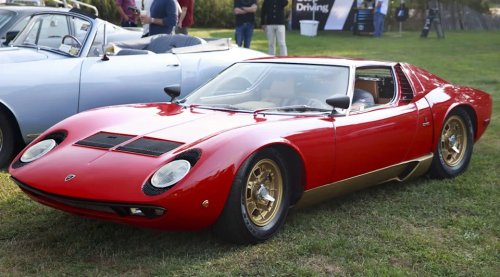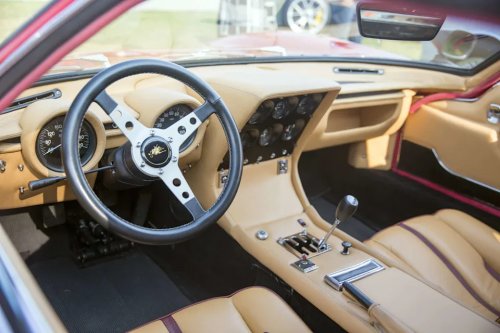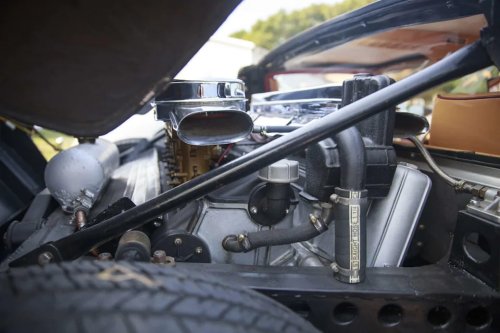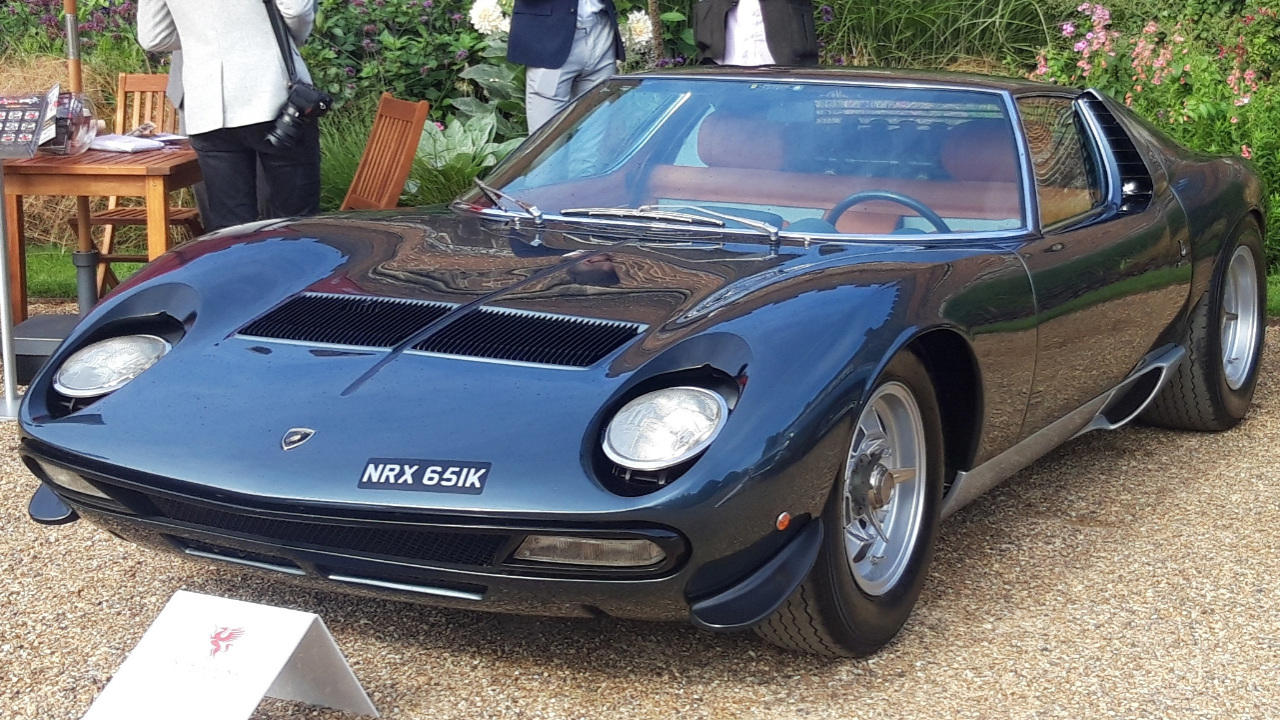



















Lamborghini marks Miura’s 60th with a restored 1972 Miura SV in RomeLamborghini has chosen a fitting way to celebrate 60 years of the Miura: unveiling a freshly restored 1972 Miura SV against the historic backdrop of Rome. Finished to exacting factory specification by the company’s Polo Storico heritage division, the car serves as both rolling sculpture and proof that the brand now treats its own past with the same intensity it devotes to new supercars. By debuting the car in Rome, Lamborghini puts one of the most coveted Miura variants back in the spotlight, linking the original V12 icon to today’s era of hybrid flagships and curated factory restorations. The scene is a carefully staged reminder that before Aventador and Revuelto, there was the low, wide coupe that helped invent the idea of the supercar. What happened At the center of the anniversary celebration is a 1972 Lamborghini Miura SV that has undergone a full factory restoration by Polo Storico, the in-house department dedicated to historic models. According to detailed reporting on the project, the car was stripped down to its chassis, its bodywork and mechanicals catalogued, and then rebuilt using original specifications and reference materials from the period. The aim was not to modernize the Miura, but to return it as closely as possible to the condition in which it left Sant’Agata Bolognese in the early 1970s. To guide the work on the Miura SV, Polo Storico relied on Lamborghini’s own production archives. Factory build sheets, paint codes, upholstery records, and period photographs were used to verify each component. This archival approach distinguishes the program from typical high-end restorations, which often mix period-correct parts with modern upgrades. In this case, the objective was authenticity, right down to the stitching patterns and the finish of the interior switchgear. The Miura SV, the final and most developed version of the model, arrived late in the car’s production run and introduced a series of mechanical and cosmetic changes. The restored 1972 example reflects those upgrades. Its 3.9 liter V12 retains the SV’s separate lubrication system for the engine and gearbox, a key change from earlier Miuras that shared oil between the two. This separation improved reliability and allowed more precise tuning of the powertrain. On the outside, the SV is distinguished by its wider rear haunches, designed to accommodate broader tires, along with subtly revised suspension geometry that improves stability at speed. The restored car wears these characteristic flared arches and sits on period-correct wheels, which were refinished rather than replaced wherever possible. Body panels were carefully re-aligned to achieve the tight, even gaps that were often aspirational rather than consistent on original production cars. Inside, the cabin has been returned to its early 1970s appearance, complete with low-slung seats, a slim-rimmed steering wheel, and a dashboard dominated by analog gauges. Materials were sourced or recreated to match the original leather grain and carpeting, and the color combination was cross-checked against period documentation. The result is a cockpit that feels authentically of its time, without the patina or wear that decades of use would normally bring. The restoration went far beyond a quick cosmetic refresh. Reports on the project describe a multi-year process in which components were disassembled, inspected, and either refurbished or remanufactured. Mechanical systems, from the V12 itself to the suspension bushings and braking hardware, were rebuilt to original specification. Where original parts could not be reused, Polo Storico either located new-old-stock components or reproduced them using original drawings. One detailed account of the project notes how extensively the team relied on factory schematics and period photos to guide the work on this 1972 Miura SV. Rome provided the stage for the car’s public return. Lamborghini positioned the SV in some of the city’s most recognizable locations, contrasting the sharply creased Italian coupe with ancient stone and baroque architecture. The choice of venue was deliberate. The Miura has long been associated with cinematic glamour, in part due to its appearance in films and its status among 1960s and 1970s celebrities. Setting the restored car against Rome’s monuments taps into that same sense of drama and cultural cachet. The event also formed part of a broader program of Miura 60th anniversary activities. Lamborghini has used the milestone to spotlight the model’s influence on the brand’s design language and engineering priorities. The restored SV is one of the most tangible elements of that campaign, a physical artifact that ties the company’s present to its formative years. Why it matters For Lamborghini, the Miura is more than a classic model; it is the car that defined the company’s identity. When it debuted in the mid 1960s with a transversely mounted V12 behind the seats, it broke from the front-engine grand tourer formula and helped establish the mid-engine layout as the template for future supercars. The SV variant, with its refined suspension and more muscular stance, represented the peak of that first chapter. Restoring a 1972 Miura SV to factory standards for the anniversary is a statement about what the brand values in its own history. Routing the project through Polo Storico rather than outsourcing it to an independent specialist also signals a shift in how manufacturers treat heritage cars. In the past, collectors often relied on third parties to restore rare Lamborghinis, Ferraris, and Porsches. Factory involvement was limited to supplying parts. By contrast, Lamborghini now offers an end-to-end restoration service, backed by original documentation and engineering support. That approach not only ensures a high level of authenticity, it also gives the manufacturer a measure of control over how its legacy is presented. Authenticity has direct financial consequences. In the collector market, a Miura SV restored by the factory can command a significant premium over one rebuilt without official oversight. Buyers value the assurance that paint colors, interior materials, and mechanical specifications match original records. Factory certification, often provided at the end of such restorations, becomes a form of provenance that can influence auction results and private sale negotiations. The Miura SV’s status amplifies that effect. Among Miuras, the SV is widely regarded as the most desirable production variant, with its combination of improved drivability and limited build numbers. When a manufacturer demonstrates that it can return such a car to reference condition, it reinforces the broader market perception of the model’s importance. That perception can ripple outward to other classic Lamborghinis, lifting values and encouraging additional restorations. Branding considerations are intertwined with these efforts. Lamborghini is in the midst of a transition toward electrified powertrains, with hybrid V12 models already on sale and further changes on the horizon. In that context, highlighting a carbureted V12 icon from the early 1970s is a way to reassure traditional enthusiasts that the company’s core identity will survive technological change. The Miura SV restoration functions as a narrative bridge, connecting the analog drama of the past to the complex systems of the present. Rome as a setting reinforces this narrative. The city is a living museum of layered history, where ancient structures coexist with modern life. Positioning the restored Miura in that environment creates a visual analogy for Lamborghini’s own mix of heritage and innovation. The brand is effectively saying that its early achievements are not relics, but active parts of its current story. From a design perspective, the project highlights how enduring Marcello Gandini’s work on the Miura has been. The car’s low nose, sweeping side profile, and tightly drawn surfaces still look contemporary beside modern supercars. By restoring the SV to its original lines and finishes, Lamborghini is not just preserving a historical object; it is reasserting the relevance of its design DNA. Elements of the Miura’s stance and proportions can be traced through later models, including the Countach and more recent limited editions that reference past icons. The restoration also reflects a broader industry trend toward factory-backed heritage programs. Brands such as Ferrari, Aston Martin, and Jaguar have invested heavily in their own classic divisions, offering everything from certification to full ground-up rebuilds. Lamborghini’s Polo Storico sits within that movement, and the Miura SV project shows how such programs can be used not only to serve existing owners, but also to generate fresh storytelling around anniversaries and product launches. For enthusiasts and historians, the value of a factory restoration lies in the details. When Polo Storico follows original build sheets and uses archived paint codes, it helps clarify what “correct” actually means for a given car. Over decades, many Miuras have been modified or repainted in colors that were never offered from new. A reference-quality SV, rebuilt to precise period specification, becomes a benchmark against which other restorations can be measured. There is a cultural angle as well. The Miura arrived at a time when Italy was exporting not just cars, but a broader idea of style and performance. It featured in magazines, movies, and the garages of high-profile owners, shaping global perceptions of Italian design and engineering. By returning a 1972 SV to the road and placing it in a major European capital, Lamborghini is reviving that aura for a new audience that may know the brand mainly through modern models and social media. The project also hints at how Lamborghini may use its heritage to engage younger fans. While the car itself belongs to a different era, the way it is presented, photographed, and shared is very much of the present. Imagery of the Miura SV in Rome is tailored for digital platforms, where the contrast between classic sheetmetal and historic stone architecture is likely to resonate. That strategy turns a restoration into a piece of content that can travel far beyond traditional car enthusiast circles. What to watch next The Miura SV restoration raises several questions about where Lamborghini will take its heritage program in the coming years. One immediate area to watch is how Polo Storico scales its operations. A single high-profile project tied to a 60th anniversary is a strong statement, but the long-term impact depends on how many cars the division can handle and how consistently it can apply the same level of archival rigor. Collectors will be looking for signals about which models the factory plans to prioritize. The Miura, Countach, and early V12 flagships are obvious candidates for future showcase restorations, but there is growing interest in later cars as well, including the Diablo and even early Murcielago and Gallardo examples. If Lamborghini begins to spotlight those models through official projects, it could accelerate their rise in the collector hierarchy. The company’s approach to parts availability will be another key factor. Restoring a 1972 Miura SV to factory standard requires access to components that have been out of production for decades. Polo Storico’s willingness to reproduce parts using original drawings, or to remanufacture components with updated materials while preserving original dimensions, will affect how feasible similar restorations are for owners around the world. Certification is another open question. Many heritage divisions now offer formal documentation that confirms a car’s originality and the quality of any restoration work. Lamborghini’s handling of the Miura SV project suggests that factory involvement will carry significant weight in the market. Buyers and auction houses will pay close attention to whether a car has been restored or at least inspected by Polo Storico, and how that status is recorded. More from Fast Lane Only Unboxing the WWII Jeep in a Crate 15 rare Chevys collectors are quietly buying 10 underrated V8s still worth hunting down Police notice this before you even roll window down