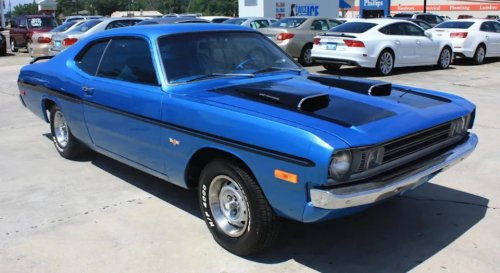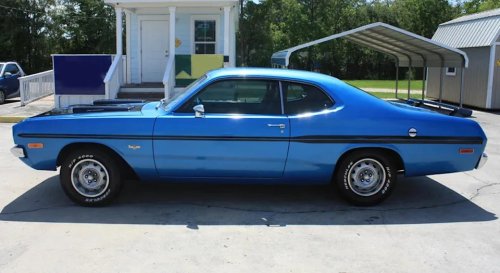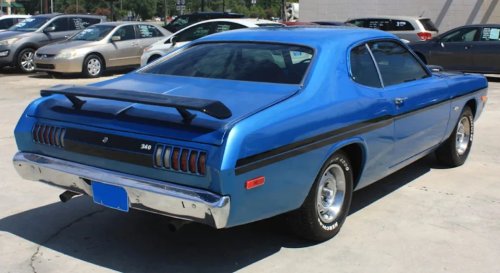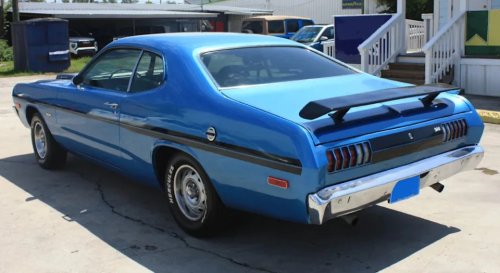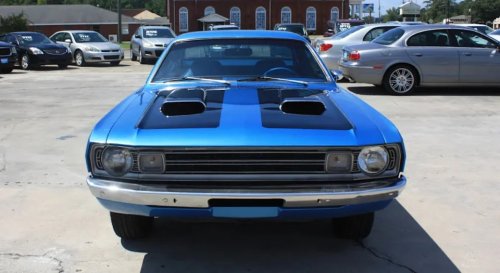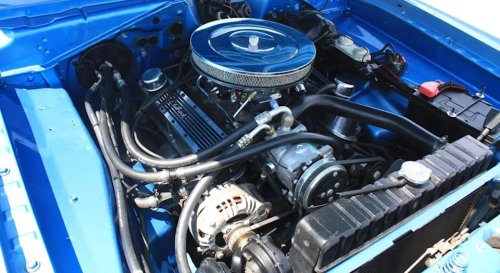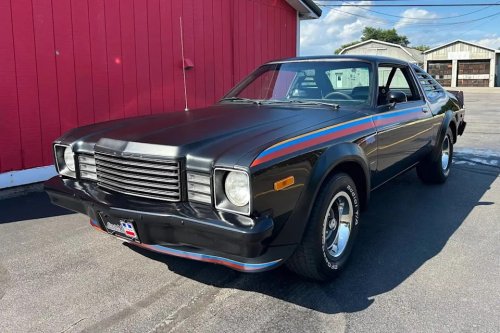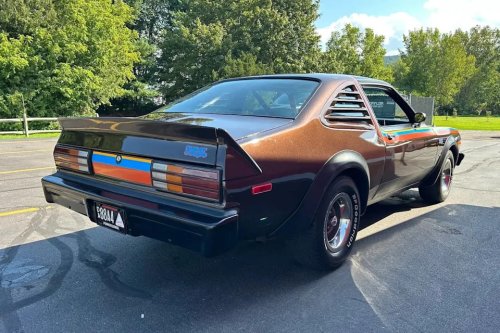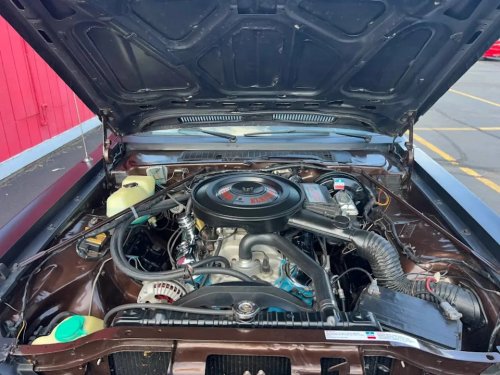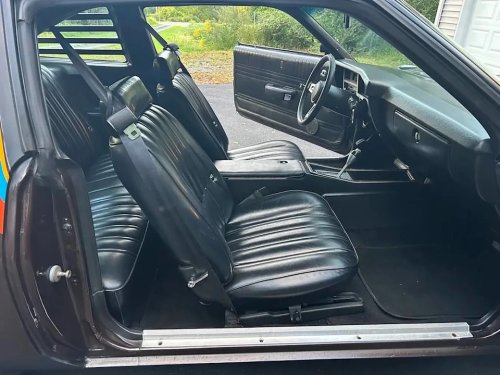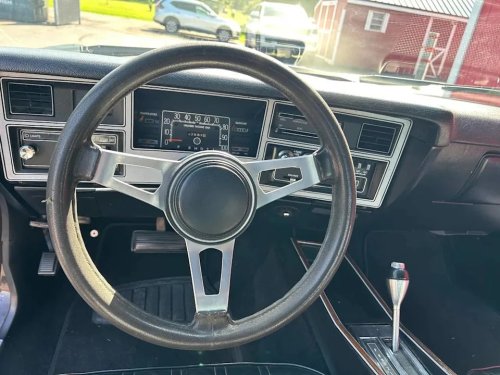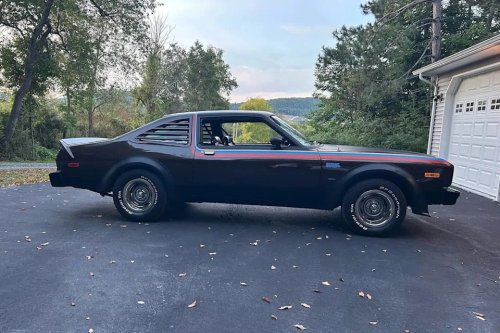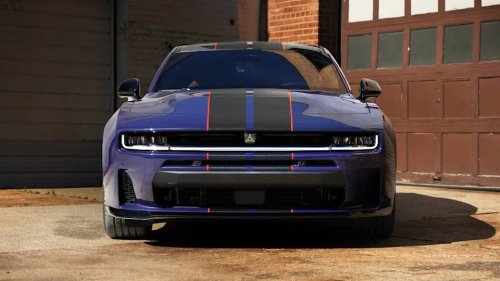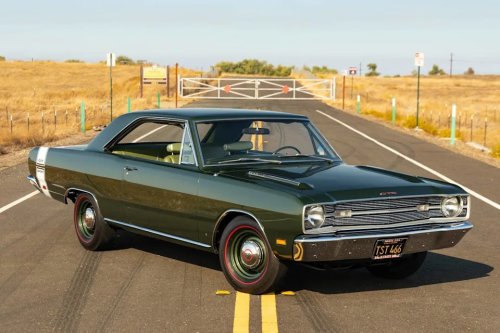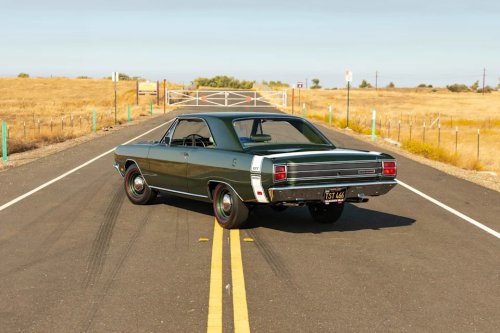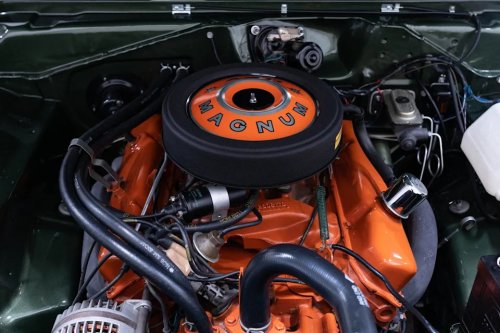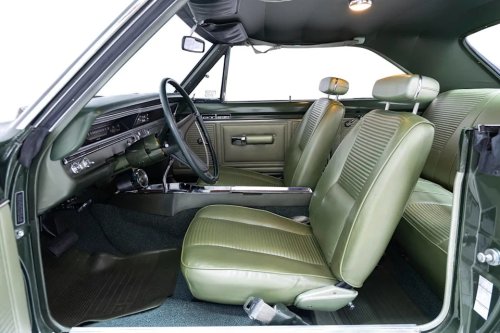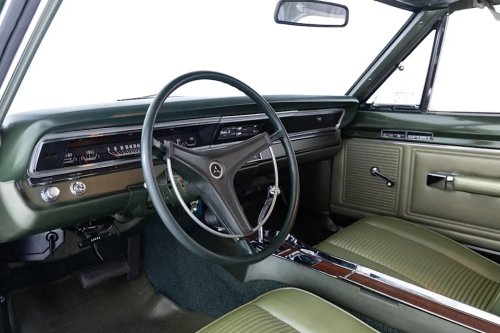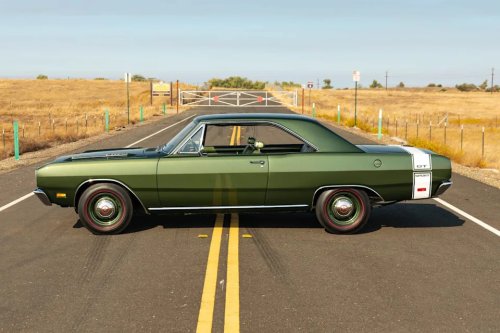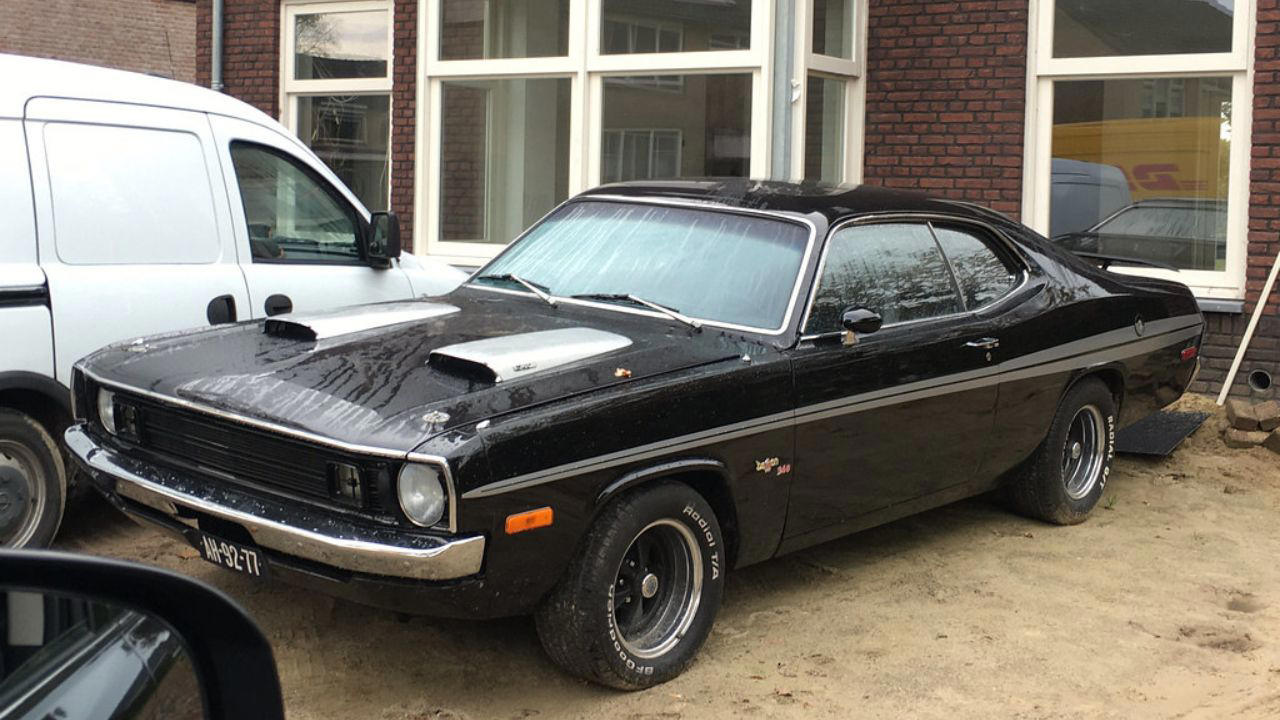



















The 1972 Dodge Demon arrived as a compact with a chip on its shoulder, a small-bodied street fighter that still feels raw and unfiltered more than fifty years later. Built off the humble Dart platform but tuned for mischief, it carried enough bite to embarrass bigger, pricier muscle cars and enough attitude to stir controversy in showrooms and church parking lots alike. Today that same mix of light weight, V8 punch and stripped-back driving feel keeps the Demon relevant, whether it is idling at a cars-and-coffee meet or storming down a two-lane highway with its exhaust barking over the pavement seams. The Dart that refused to behave The Dodge Demon did not start with a clean-sheet design. Dodge took the compact Dodge Dart and created a performance-oriented offshoot that put power and personality ahead of family duty. Contemporary descriptions frame the 1971 Dodge Demon as a performance compact based on the Dodge Dart platform, a car that arrived as Dodge’s answer to a growing appetite for smaller muscle machines and that carried its own distinct identity in just two model years before the name disappeared from the catalog, leaving clear differences between the two model years that followed its launch Dodge Demon. By 1972 the formula had sharpened into one of the era’s purest expressions of affordable American performance. The 1972 Dodge Demon 340 was described as a compact car with attitude, based on the Dart, that used its relatively lightweight body and high-revving 340 small-block to run with, and often embarrass, larger and more expensive muscle cars, a combination that helped cement its reputation as a true sleeper of the early 1970s Dodge Demon 340. That sleeper status is central to why the car still resonates. The Demon looked like a tidy A-body coupe, not a wild race special, yet its mechanical package could humiliate bigger machines that carried more chrome and more insurance premium. Styling that hints at trouble Visually the 1972 Dodge Demon walked a fine line between subtle and sinister. One detailed description highlights a wide, toothy grille, dual hood scoops when the performance package was ordered, and sharp body lines with a slight kick-up over the rear quarters that gave the car a coiled stance even at rest wide grille. The Demon shared its basic shape with other A-body cars, yet small cues set it apart. Badging and striping played up the mischievous name, while the proportions, with a relatively long hood and short rear deck, gave it the classic muscle car profile in a slightly smaller footprint. Enthusiasts often describe it as Mopar mischief on four wheels, a compact muscle car that packaged V8 power in a sleek, almost understated shell that still reads as purposeful among modern traffic muscle car features. Some examples pushed the look further. A digital rendering of a 1972 Dodge Demon SRT 4 reimagines the car with modern turbocharged hardware but keeps the original body as the foundation, a nod to how the classic Demon tips the scales at just over the weight of a later Dodge Neon SRT 4 and how that low mass invites creative powertrain swaps for those who want to blend vintage style with current performance Demon SRT 4. Inside the little monster Open the door and the Demon feels focused rather than plush. Period descriptions of a 1972 Dodge Demon known as the little monster that shocked the streets point to bucket seats, a pistol-grip shifter on manuals, wood-grain accents, round gauges and a cockpit layout that wraps around the driver, all of which combine to create a purposeful driving environment rather than a soft cruiser bucket seats. That layout reflects the car’s mission. The Demon was not about luxury; it was about giving the driver clear instruments, a firm grip on the shifter and a sense that the cabin wrapped tightly around the action. The pistol-grip lever, in particular, has become an icon of Mopar performance, and in the Demon it reinforces the impression that the car wants to be shifted hard and often. Even in restored or lightly modified examples, that interior feel survives. Owners who bring these cars back from desert storage or long-term hibernation often highlight how the basic cabin, once cleaned and refreshed, still projects that same no-nonsense attitude, with simple controls and a view over a hood that seems to promise trouble. The 340 that punched above its weight Under the hood, the heart of the experience was the 340 cubic inch small-block. The 1972 Dodge Demon 340 was a high-performance variant of the Dodge Dart that offered muscle car power in a compact package, a combination that made the 340 engine central to the car’s identity Dodge Dart. Enthusiast accounts consistently describe how the Demon 340 could run with and often embarrass larger, pricier muscle cars, a reputation built on the engine’s willingness to rev and the car’s relatively low curb weight The Demon. Modern video reviews of surviving cars reinforce that character. One drive of a 1972 Dodge Demon 340 by Car Guy 1999, framed as something pretty special, shows how the car still feels eager and alive, with the 340 responding crisply to throttle inputs and the overall package delivering a direct, mechanical connection between driver and pavement that modern vehicles often filter out Car Guy. Variants and swaps only amplify that impression. Some owners drop in larger big-block engines, such as a 440, into the 1972 shell, pairing that wide, toothy grille and dual scoops with even more torque. Others stay loyal to the small-block formula, arguing that the balance of the 340 in the compact A-body is what gives the Demon its unique agility compared with heavier muscle coupes. Mopar mischief and controversy The name itself adds another layer to the story. The Dodge Demon arrived as a bold and controversial addition to Dodge’s muscle lineup, built on the compact Dart platform and marketed with devilish imagery that did not sit well with every buyer or community controversial addition. By 1972 the pushback around the demonic branding contributed to the short life of the nameplate. Enthusiast summaries point out that in 1971 and 1972 the Dodge Demon stirred enough controversy that the name eventually changed to Dart Sport, a reminder that while the car itself was relatively compact, its cultural footprint was outsized. That same sense of mischief fuels its modern following. Owners and fans often describe the 1972 Dodge Demon as Mopar mischief on four wheels, a compact muscle car that wears its rebellious streak openly and that still feels slightly subversive when it rumbles into a quiet neighborhood or local cruise night Mopar mischief. Driving experience: raw, simple, involving What keeps the Demon relevant is not only its specification sheet but how it feels on the road. Firsthand driving impressions of a 1972 Dodge Demon 340 highlight the immediacy of the steering, the firm but communicative suspension and the way the car transmits road texture directly through the seat and wheel, a quality that many modern performance cars smooth out in the name of refinement 1972 Dodge Demon. Compared with larger contemporaries, the Demon feels tossable. Its compact A-body footprint and relatively low mass encourage the driver to lean on the chassis, to brake late and to use the 340’s mid-range torque to slingshot out of corners. The pistol-grip shifter and round gauges reinforce the sense that the driver is part of the mechanism rather than a passenger in a heavily mediated experience. That rawness extends to the soundtrack. The small-block’s bark, especially through less restrictive exhausts, dominates the cabin at speed. Wind noise and mechanical whir are constant companions. For those raised on modern insulation and active noise cancellation, the Demon can feel loud and busy. For enthusiasts, that same noise is the point. From cheap thrills to collector favorite When new, the Demon occupied the role of accessible performance. The 1972 Plymouth Duster and Dodge Demon, both built on Chrysler’s A-body platform, were positioned as compact muscle cars that offered affordable performance with a sporty edge, a way for younger buyers to step into V8 power without paying full-size prices Plymouth Duster. That positioning has shifted over time. Enthusiast market summaries describe the 1972 Dodge Demon 340 V8 as a standout muscle car that combines raw performance with striking design, and note that this blend has helped turn it into a sought-after collector piece, especially in well-preserved or correctly restored form classic muscle car. Rarity adds to that appeal. Another overview notes that the short production run, combined with the car’s impressive performance and classic design, has made the Dodge Demon a highly sought-after collector vehicle, with its scarcity and character helping it earn a place among iconic muscle cars even though it started as a budget-friendly option highly sought-after. Individual survivors underline how far the model has come. One Dodge Demon 340 featured in a restoration story carried just 400 miles, or 643.7 kilometers, on its odometer, a time-capsule example that shows how some cars escaped hard use and now serve as reference points for restorers and collectors alike 400 miles. Factory quirks and rare options Part of the Demon lore comes from its unusual combinations and rare options. One example often cited is a 1972 Dodge Demon 340 4 Speed Here that left the factory with a sunroof, a configuration described as a great example of a true 1972 Dodge Demon powered by a date-correct 1972 340 that pairs open-air cruising with the car’s compact muscle character Speed Here. Other cars mix in period accessories, unique color combinations or dealer-installed performance parts. A video walkaround by Chad and Dalton from Coyote Classics in Green Iowa, for instance, showcases a rare 1972 Dodge Demon and emphasizes how specific paint, trim and drivetrain pairings can elevate a car from nice driver to standout collectible Coyote Classics. These quirks reinforce the sense that no two Demons are quite alike. Some lean into the factory-correct restoration path, while others embrace the car’s hot-rod roots with modern engines, upgraded brakes and suspension tweaks that respect the original spirit while making the car easier to live with on contemporary roads. A muscle shortcut that still feels honest Among Mopar enthusiasts, the Demon has earned a reputation as a lightweight muscle shortcut. One analysis of the Dart-based performance models refers to the Dart Demon 340 as Dodge’s lightweight muscle car shortcut, a way to achieve serious performance without the bulk and cost of larger platforms, and highlights how the 1972 Dodge Demon 340 Six Pack 4 Speed combination epitomized that approach The Dart Demon. That philosophy resonates today as performance cars grow heavier and more complex. The Demon delivers speed and drama through a simple recipe: a relatively small, rev-happy V8, rear-wheel drive, a manual gearbox with a pistol-grip handle and a body that keeps weight in check. There are no drive modes, no electronic dampers, no configurable exhaust valves. The car is what it is every time the key turns. More from Fast Lane Only Unboxing the WWII Jeep in a Crate 15 rare Chevys collectors are quietly buying 10 underrated V8s still worth hunting down Police notice this before you even roll window down