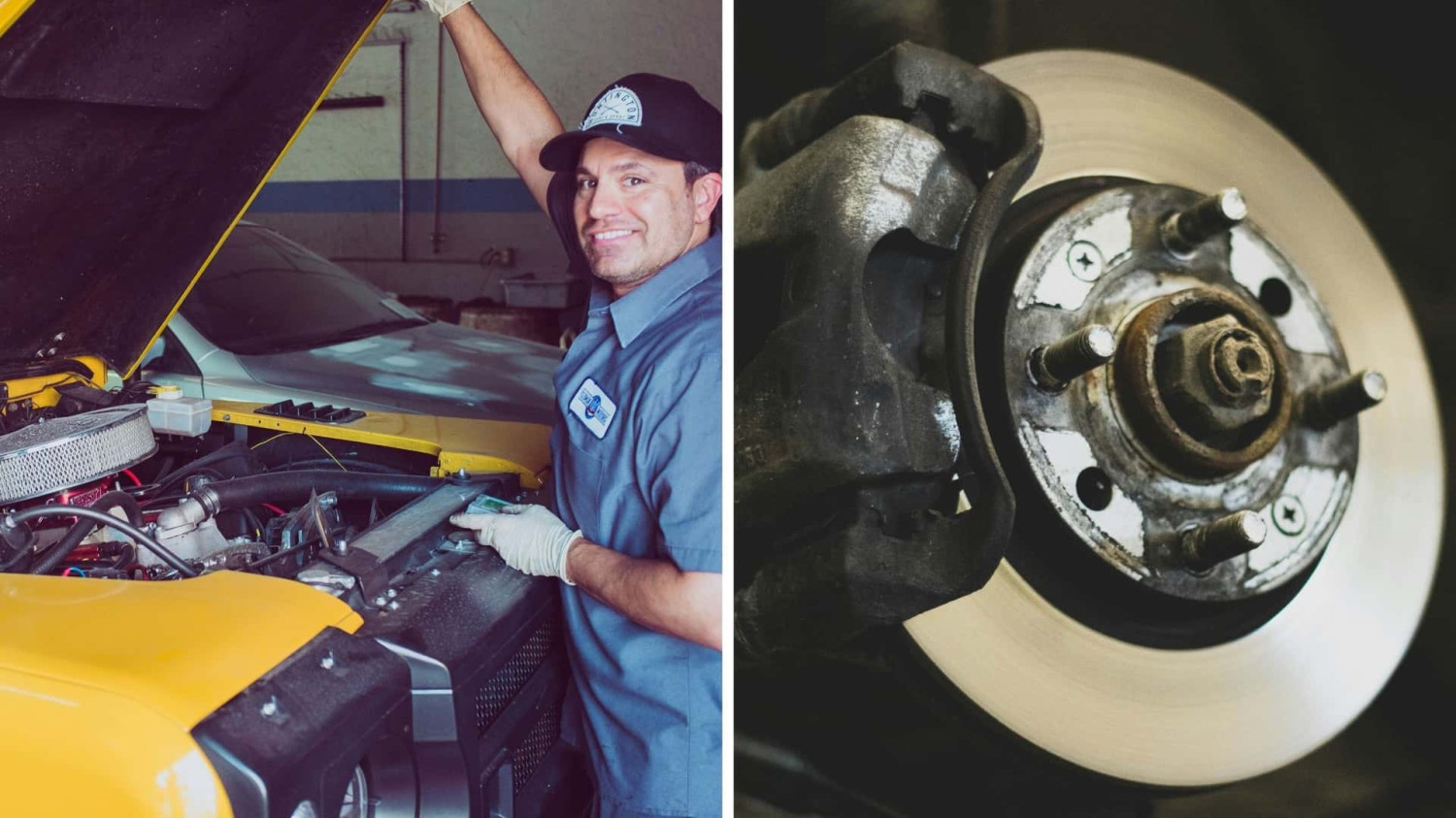
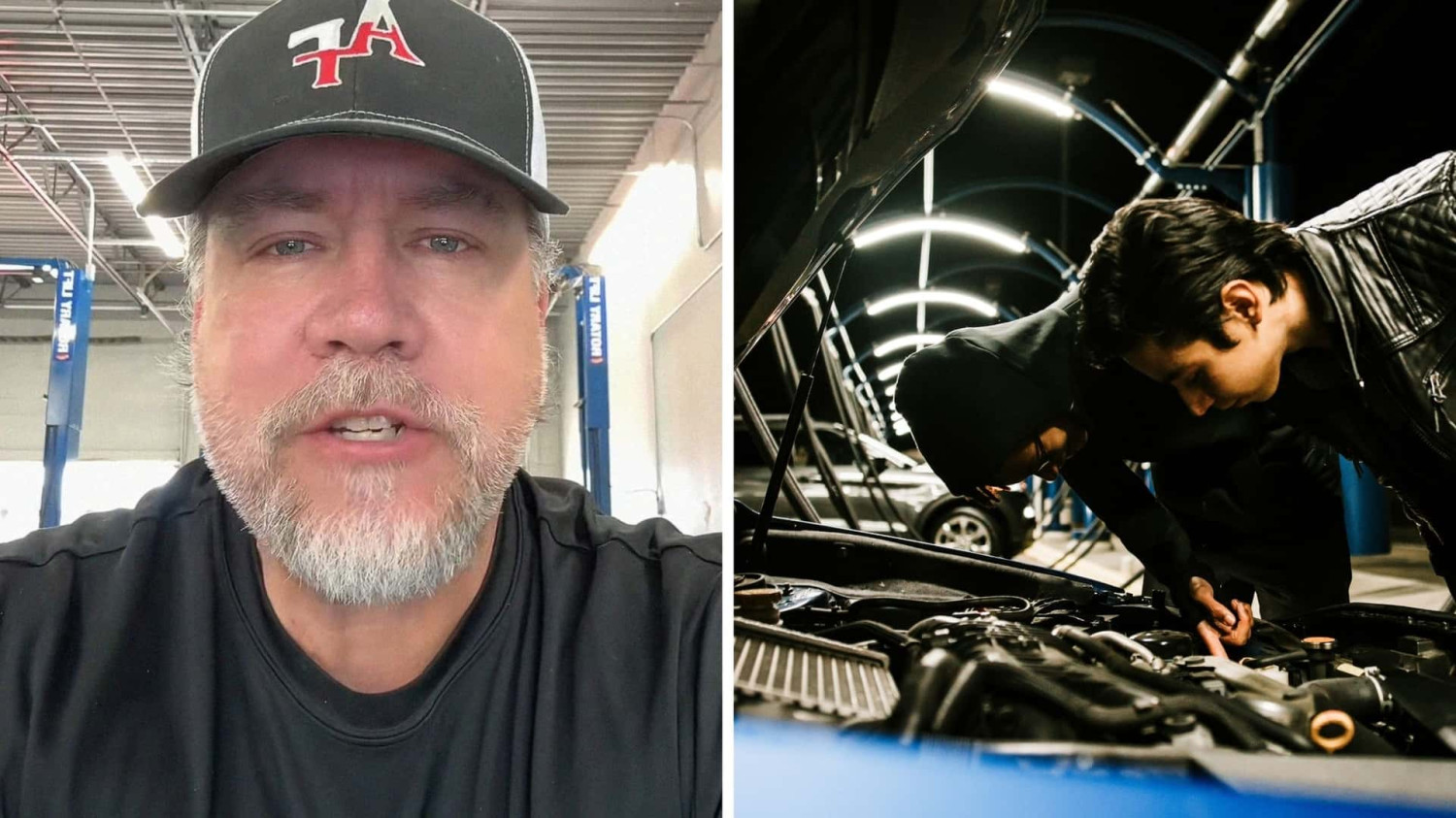
“Penny wise and pound foolish” is an expression that’s fallen off quite a bit in modern usage, but it’s the core idea behind a viral video warning cheapskate car owners against turning to Amazon for car parts. Doing so, the video tells us, may lead to much bigger problems under the hood and everywhere else. The clip from mechanic and auto enthusiast Rysk1 (@lovemypsilo) doesn’t hold anything back. In about five seconds, he weighs in heavily against using the online retailer to keep a car running properly. “Them Amazon parts be killing y’all cars,” offers the caption on the TikTok, which has been viewed more than 209,000 times. Given the plethora of brands that sell car parts on Amazon, there are undoubtedly plenty of quality car parts available on the platform. He doesn’t offer a breakdown of specific brands or parts, either. The video lands more like a reflex than a recommendation, and feels like the kind of warning that’s been learned the hard way over many unfortunate do-over repair jobs. The Rise Of Amazon In the wider automotive world, it's a situation many mechanics say has become increasingly common. Customers show up with parts they ordered online, often hoping to save money or avoid waiting on a shop to source components. In some cases, the parts look identical to what a shop would install. But in others, they're unfamiliar brands with little more than a product listing and a handful of reviews to vouch for them. The problems or flaws with those kinds of off-brand parts don't always surface right away. Sometimes it can be a fitment issue that slows down what should have been a routine job. Other times, it's a part that works at first but doesn't hold up the way it should. And then when something does go wrong, there's the question of who's responsible, and assigning blame between the seller, the customer, or the shop can get very complicated and uncomfortable. The comments section quickly turned into a debate over where drivers should buy parts in the first place. “Rock Auto or nothing,” one user wrote, with others echoing the sentiment and calling it “the only way.” Not everyone is convinced. Some point to slow shipping or rising costs once delivery is factored in. “Until you see price after shipping,” another user added, pushing back on the idea that there's a perfect alternative. But when it comes to Amazon, the skepticism is more direct. “Yeah. No they cheap asf made,” one critic noted, with plenty of others agreeing. Do Discounts Bring Hidden Costs? The divide points to a larger issue that goes beyond any single retailer. For mechanics, the concern isn't just where a part comes from but what happens after it's installed. And that's where the conversation tends to get more complicated. That added complexity is part of why many shops have grown cautious about installing customer-supplied components at all. Some will do the work, but make it clear there's no guarantee attached. Others won't touch the job unless they can source the parts themselves, where they have more confidence in what's going into the vehicle and who stands behind it if something fails. For technicians, the issue often comes down to consistency. Parts sourced through established suppliers tend to come with known brands, clearer warranty policies, and fewer surprises during installation. With large online marketplaces, the experience can vary widely depending on the seller, even when listings appear nearly identical. What arrives in the box isn't always predictable until the work is already underway. That skepticism shouldn't be interpreted as a broad indictment of Amazon-sourced parts, which can be reliable, but should probably only be used when the buyers know exactly what they're getting and who they're buying from. Without that clarity, the risk of inconsistency is higher than with more traditional Parts suppliers that have more predictable and standardized quality control. Still, there's an attraction for customers who want to be involved in the maintenance process of their vehicle, and feel like they bring some savvy to the process by finding a deal on the parts involved. But the gap between a good outcome and a frustrating one can be more sizable than it appears during the searching and purchasing process. That's part of the reason why such a short but definitive video like Rysk1’s resonates. It's not detailed or technical in any way. But it serves as a clear warning that in a system with a lot of moving pieces and variables, the cheapest option up front doesn't always stay that way for long. Motor1 reached out to the creator via email and direct message. We’ll update this if he responds. We want your opinion! What would you like to see on Motor1.com? Take our 3 minute survey. - The Motor1.com Team




















 +30 others