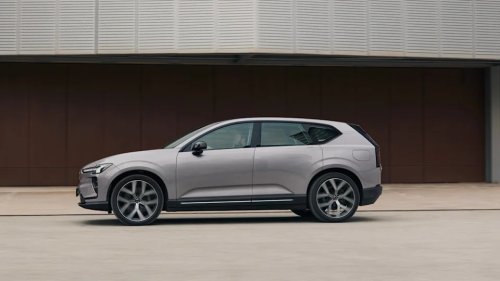
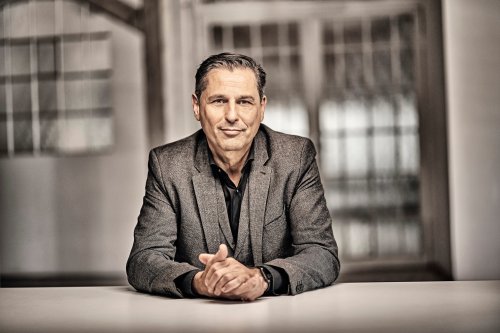
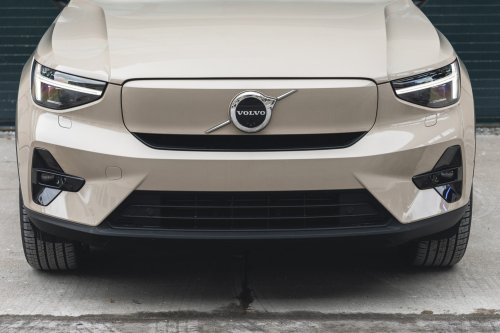
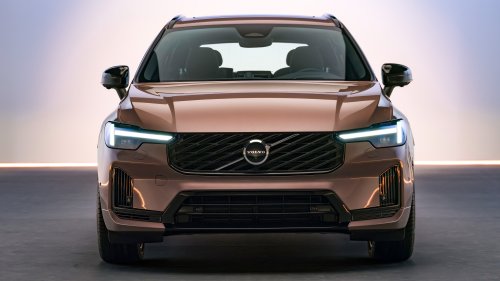
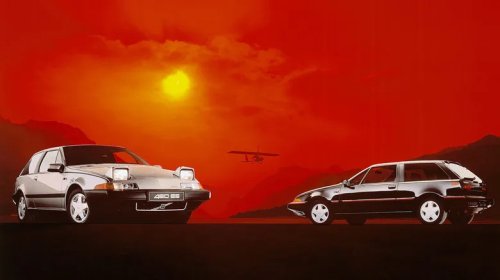
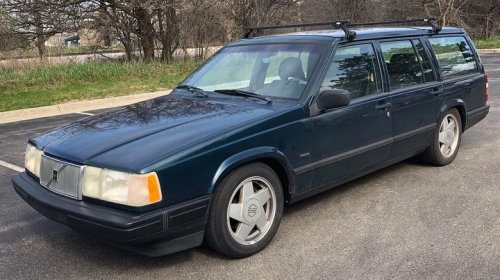
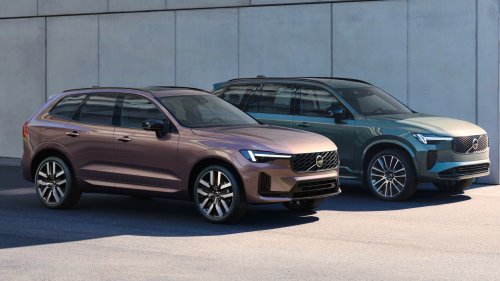
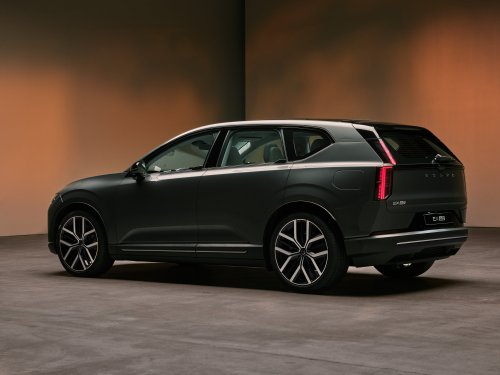
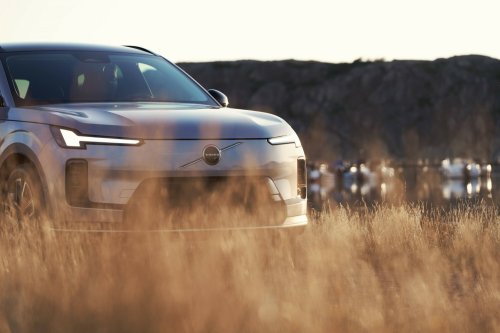
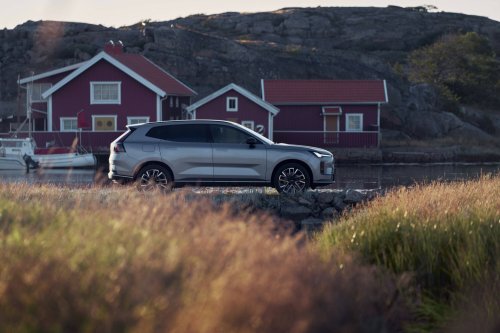
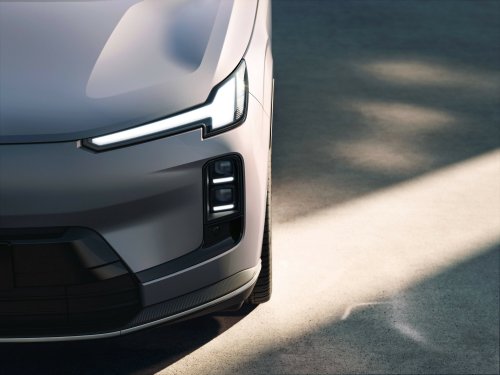
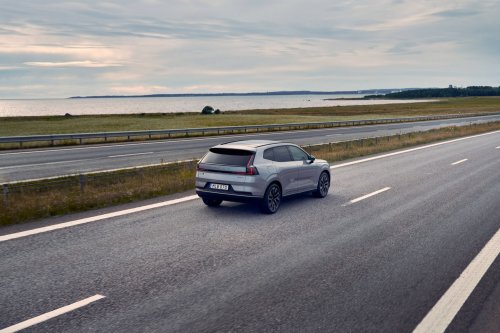
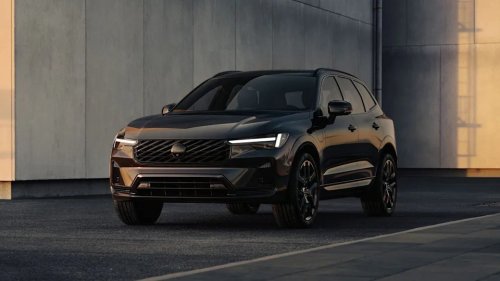
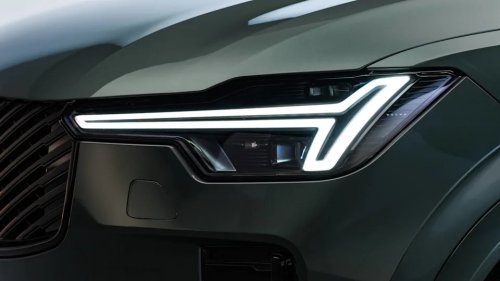
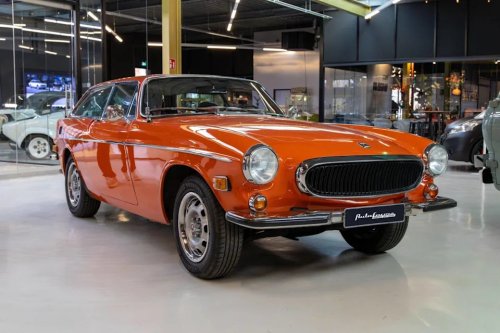
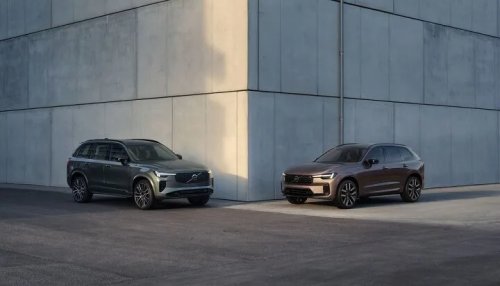
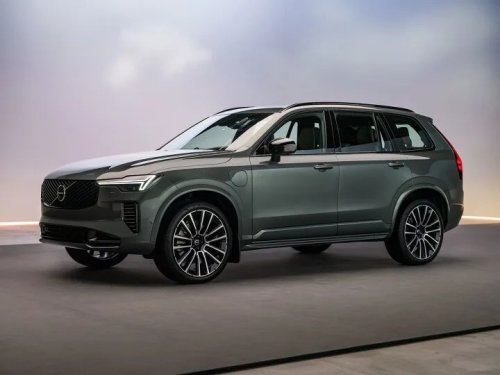
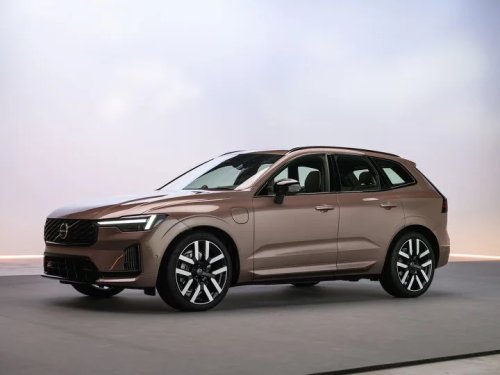
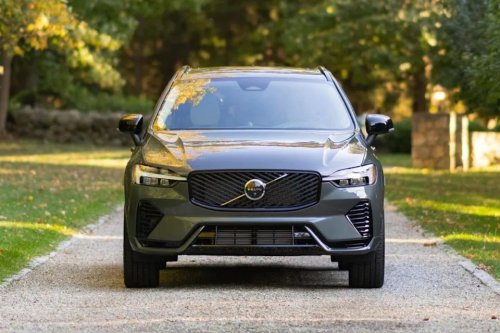
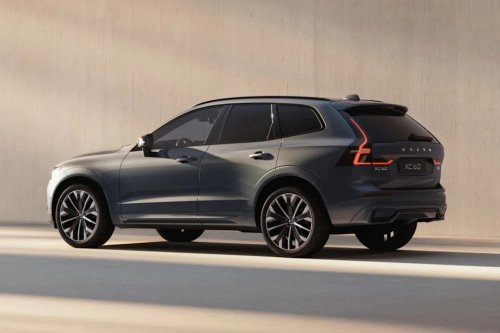
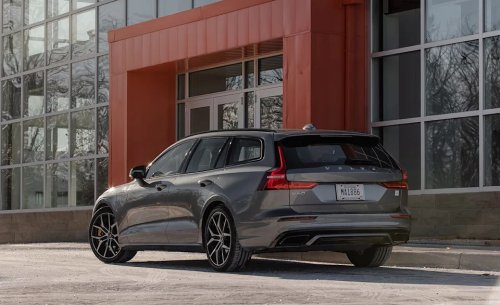
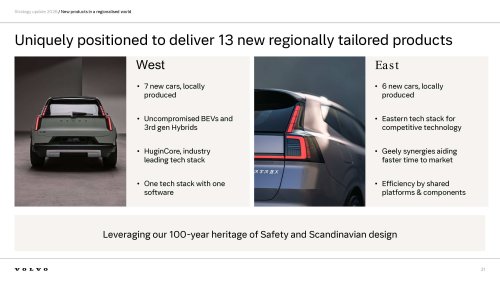
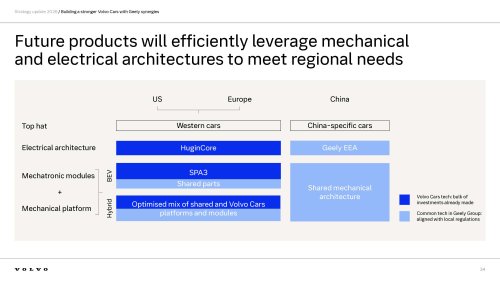
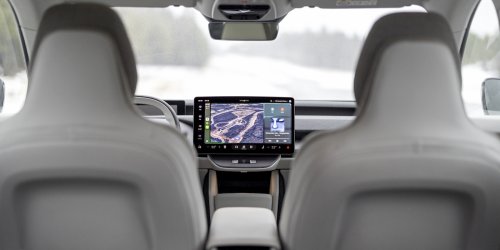
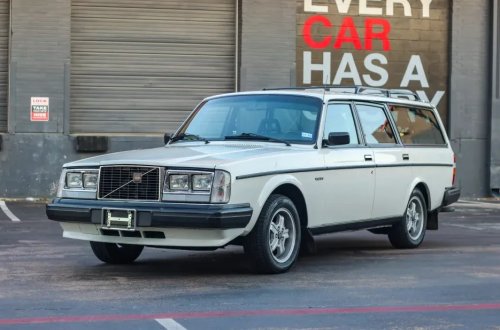
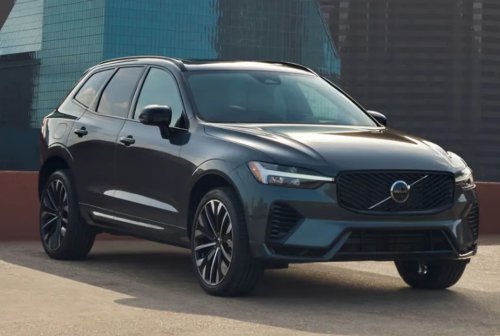
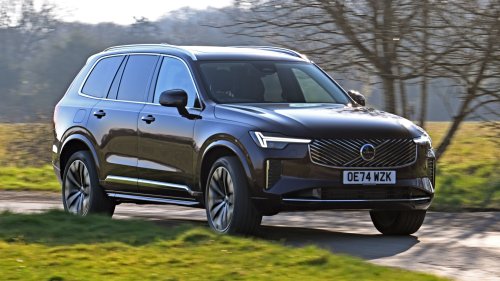
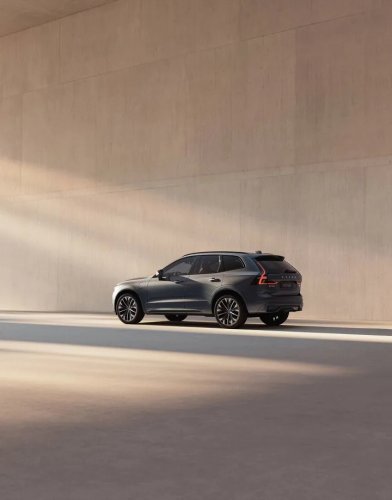
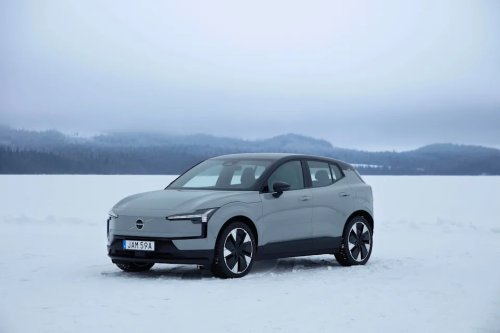
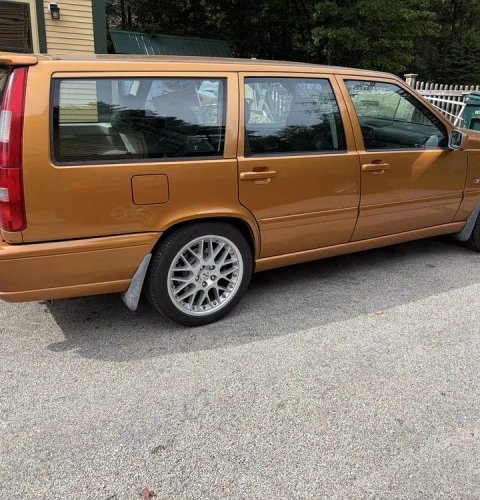
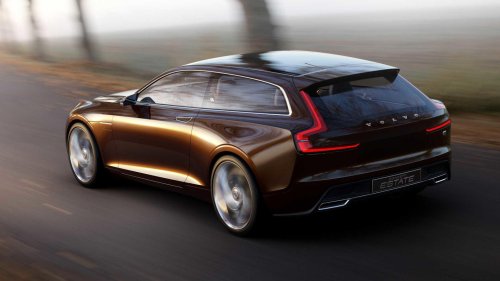
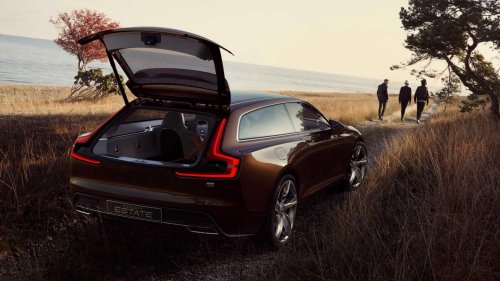
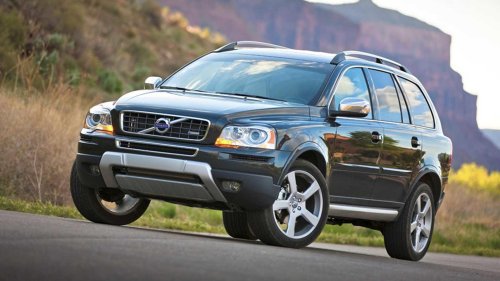
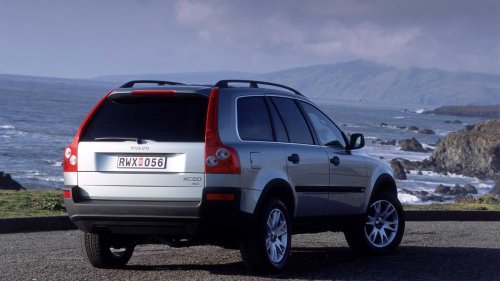
"I could tell you, but I'd have to kill you," says Gaurang Nagre with a smile. Nagre is the exterior design lead for the Volvo EX60, and his response was to a simple question I posed to him over lunch at World of Volvo in Gothenburg, Sweden. "Are there any car segments outside of Volvo's current repertoire you'd personally love to design?" I asked, not expecting him to answer the way he did. But, as he explains, "Some of them are already in process, and I can't talk about future products."Volvo is working on entering new segments, it seems, but the real question is which segments those might be. The brand once had hatchbacks, convertibles, wagons, sedans, and SUVs, but with the Volvo wagon reaching the end of its run in the US and sedans all but dead for the Swedish brand locally, it's now left with a handful of SUVs in varying shapes and sizes. So what's next? New Cars Need To Suit The Brand Identity VolvoI can tell you what one of the new cars won't be: a shooting brake. While Volvo might have toyed with the idea back in 2014 - building the utterly gorgeous Concept Estate - the reality is such a model doesn't work for a brand like Volvo. On the one hand, it's an incredibly niche segment in which almost no one in the mainstream market buys into, but on the other, Nagre believes the concept is entirely at odds with Volvo's current image."You have to go back to the original meaning of the term 'shooting brake'," Nagre explains, "which was a closed wagon for hunting so you could store your kill after a hunting trip." Nagre says that with Volvo's pivot away from leather interiors - although it is still an option on some trims - a car derived from hunting origins with a synthetic leather replacement like Nordico sends mixed messages.Volvo Concept Estate (2)-1 America-Focused SUVs? Maybe An Off-Roader? Nagre wouldn't be drawn into telling us what Volvo considers 'on brand' but he did say the Volvo team is in constant dialog with dealers, loyal buyers, and market investigators to identify potential avenues and to ensure they're more than just a passing fad. The last thing Volvo wants to do, according to Nagre, is invest in a fad that dies overnight. His philosophy when it comes to designing new Volvos is for them to be relevant 20, 30, or even 40 years from now, much like a well designed piece of furniture (something Nagre uses as inspiration for his vehicle designs).Volvo is also investigating regionalized models, with previous reports suggesting dealers are interested in a three-row SUV larger than the XC90 for the American audience. When asked about that rumor, Nagre simply said, "We're always looking at what vehicles can best serve our buyers." Volvo Built A Car For America Before, And It Was A Raging Success VolvoVolvo may be a relatively small player in the premium vehicle market compared to the established German and Japanese marques, but its market share is significant enough to warrant market-specific vehicles. One such example is the XC70 in China, which is a long-range PHEV SUV specifically for that market. And long before that, Volvo did build a model specifically suited to American tastes, and it's become one of the automaker's greatest successes.That was the XC90, which catered to America's demand for larger vehicles and the growing demand for SUVs. At the time when the original XC90 was introduced, there was enough overlap for it to work in other markets, but anything bigger may be a stretch. That doesn't mean Volvo won't consider it.VolvoSpeaking to Anders Bell, Volvo's chief technical officer, he made it very clear that a global vehicle lineup is no longer feasible:"Globalization is over. It was fun while it lasted."- Anders Bell, Volvo CTO The Silicon Curtain And The Challenges Volvo Needs To Navigate Realistically, different markets have now evolved at different paces and want different things. While for a time, one lineup could be sold globally, that's no longer the case, with Bell identifying several divides. "Some call it the 'Silicon Curtain' between East and West," explains Bell, citing this as a major divide Volvo "needs to navigate."VolvoAccording to Bell, "There's kind of a logical division of all things software, electronics, ADAS, infotainment, both from our ecosystem and customer preference, but also from a regulatory perspective. So this, this kind of thing, we need to navigate here politically."We look at the East and West [markets] slightly through two different lenses. [...] China is growing their own distinct flavor. You always had kei cars in Japan, which is distinct and never spread outside of Japan. In that context, of course, we're always looking at what does the US need?""But we will always say, in the US, if you create something new, can we sell it in Europe too? So absolutely, a more US-biased product, I think that's something we're looking at."There are several possibilities, like the aforementioned large three-row SUV. But, as Bell points out, and he made it very clear that he was talking purely hypothetically, "If you go into F-segment [US full-size luxury cars], for instance, that's much more US-biased, then that will be difficult to navigate around the streets of Paris, for instance."What's clear is that Volvo is taking American tastes seriously, and Bell admits that the US is one of the Volvo brand's most important markets. "I think it's a good discussion to always have. The US is a very important market to us. So stay tuned."Volvo


















 +31 others