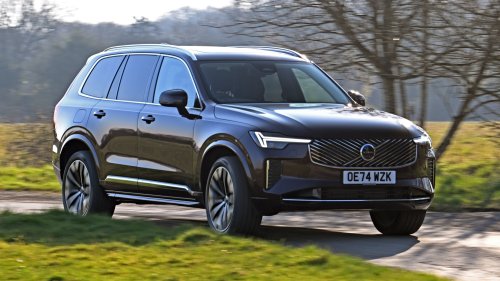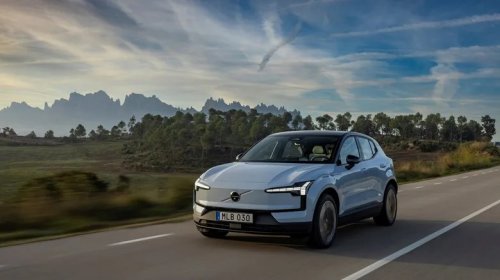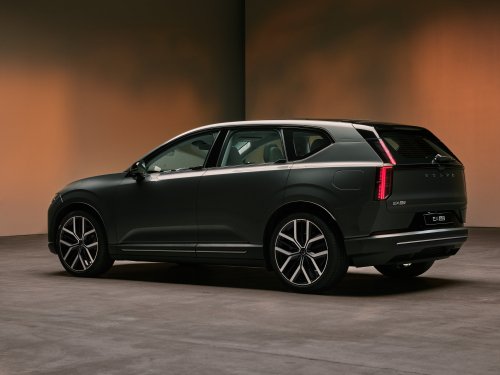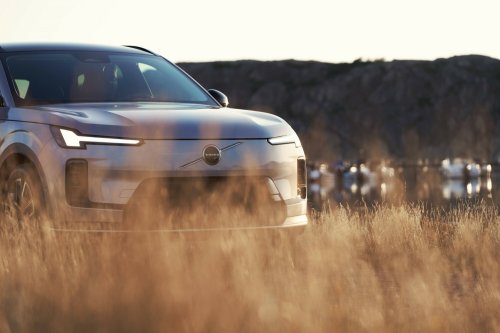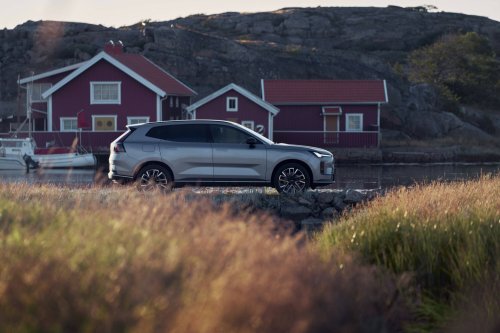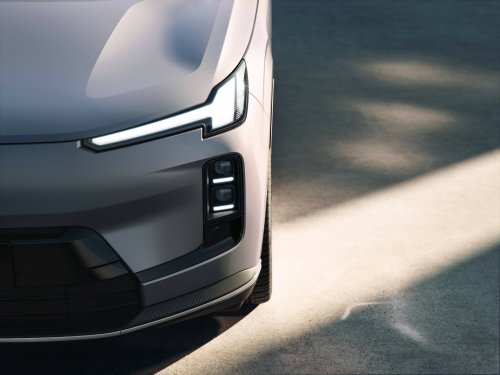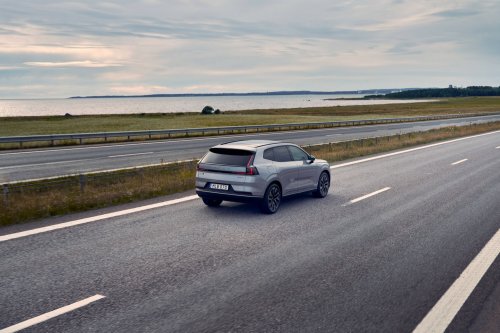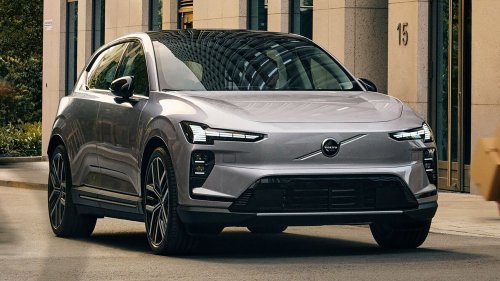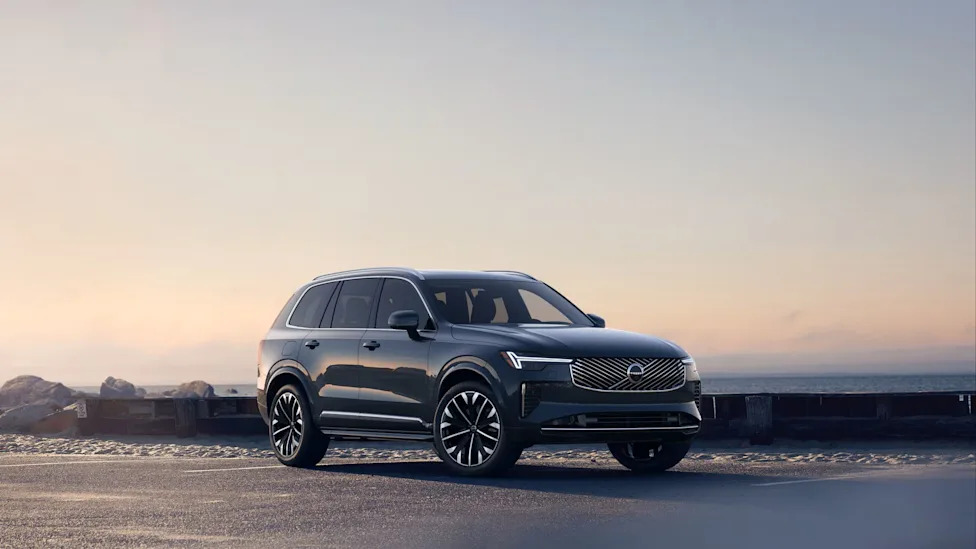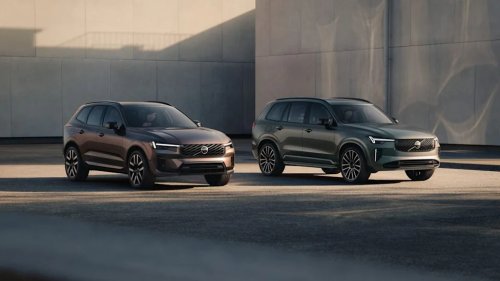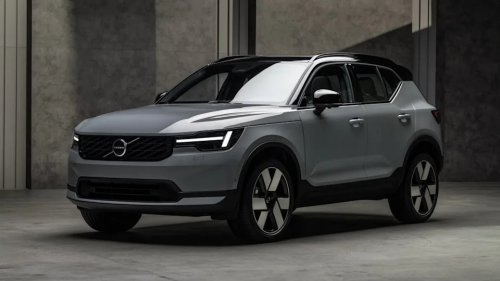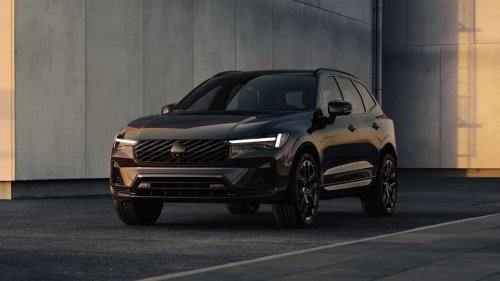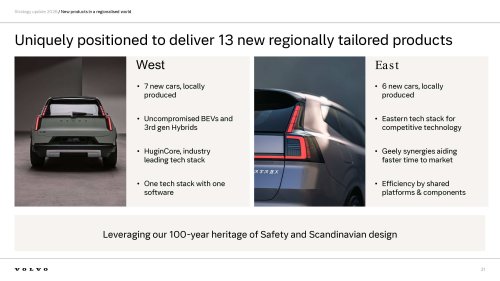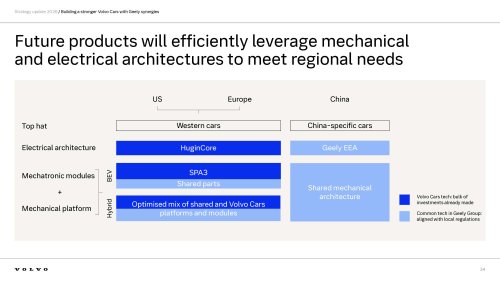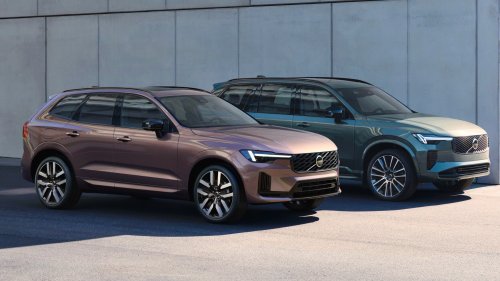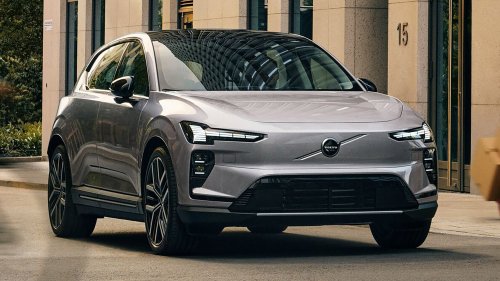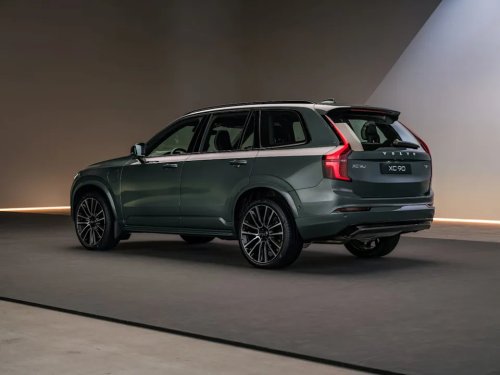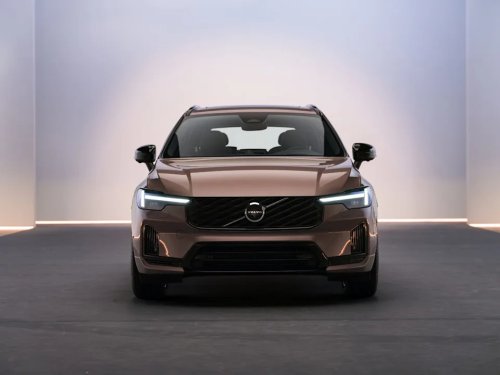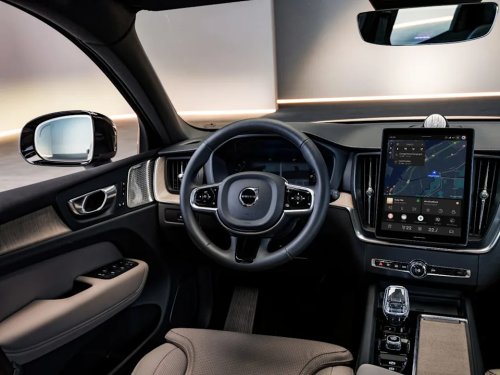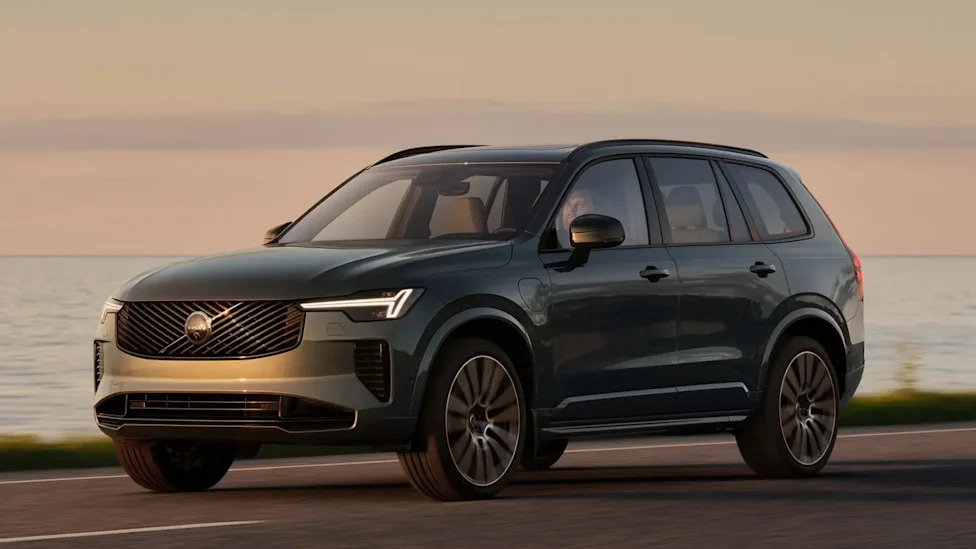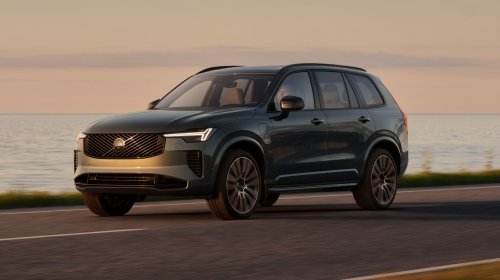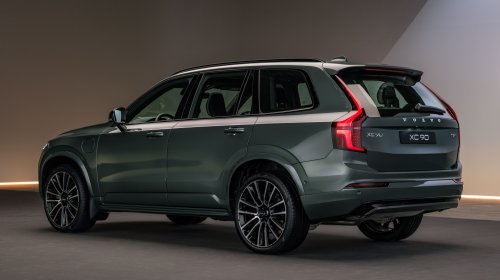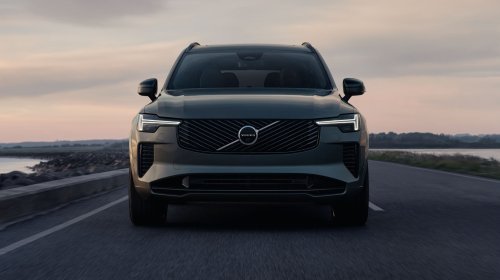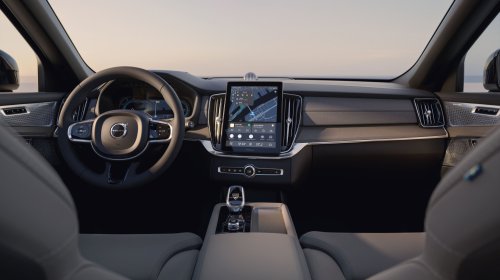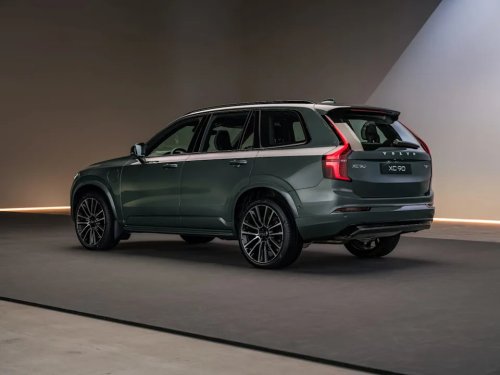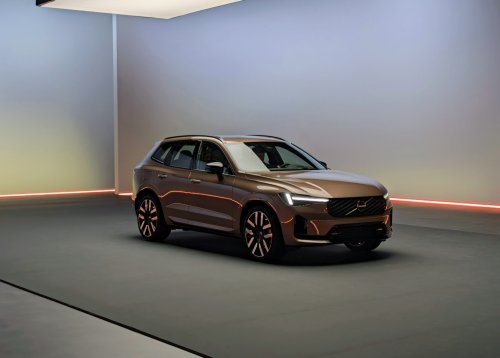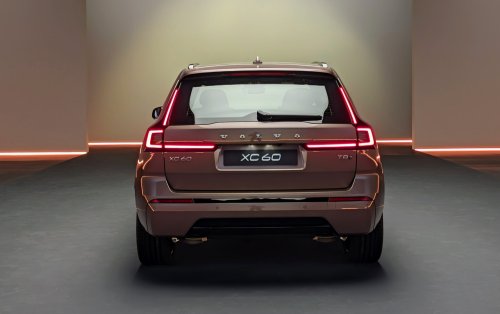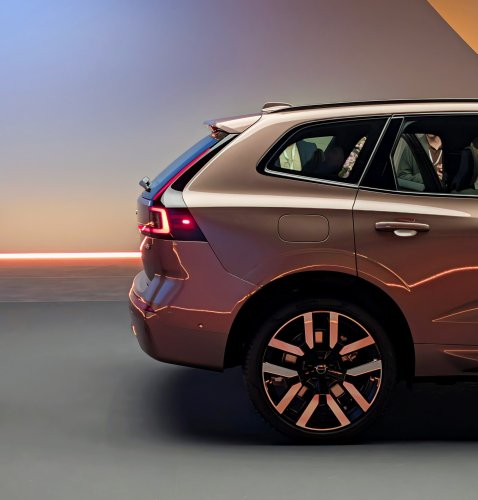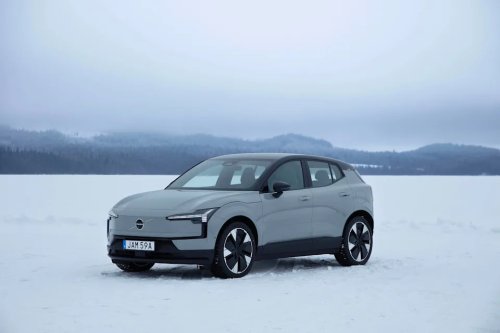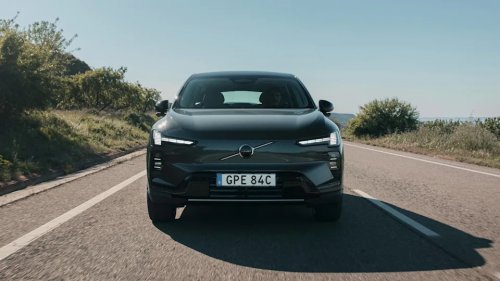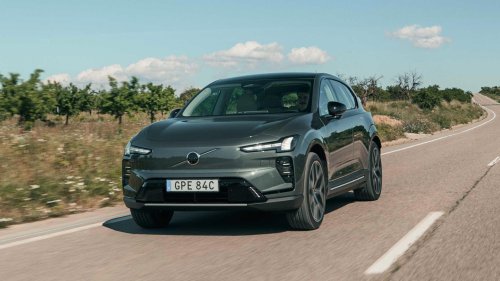
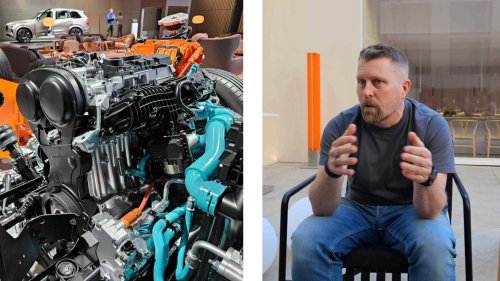
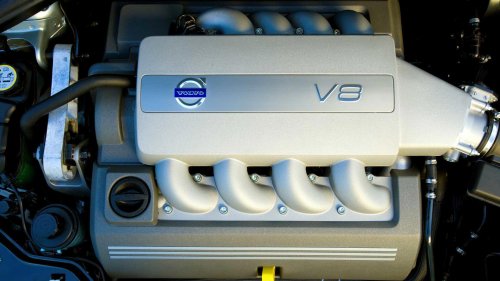
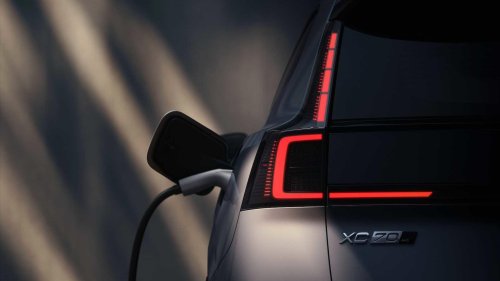



















It's a tricky thing, this transition from internal combustion to battery-electric power to meet our mobility needs. That transition has stalled in the US as political winds shift, as charging infrastructure challenges persist, and as drivers of full-size pickups discover that there is no replacement for displacement when it comes to towing.That's not to say the EV market is dead in the US. Millions of Americans are happily driving EVs, and research shows that the vast majority of EV owners will buy or lease another.Volvo Every automaker is handling this transition differently, but Volvo has already made some big decisions, announcing in 2022 an end to R&D investments in engine development and selling its stake in the Aurobay engine joint venture while transitioning to an all-electric lineup."Petrol engines or combustion engines (are) not part of our core technology anymore," Anders Bell, Volvo's chief engineering and technology officer, told CarBuzz during a test drive of the new all-electric 2027 EX60 crossover. Engine Factories Retooled For e-Motors Tom Murphy / CarBuzz / Valnet"We don't have the factories anymore for combustion engines."–Anders Bell, Volvo Cars chief engineering and technology officerSo it appears Volvo is ahead of the curve in its transition from internal combustion – reminiscent of Volvo Cars' announcement in 2011 that future engines would no longer have more than four cylinders, even in the three-row XC90. Today, Volvo's powertrain division is known as the Propulsion and Energy Team, all of it in-house and "focused, obsessively so, on electric propulsion technologies," Bell says.The plants that manufacture engines for current Volvo cars are no longer owned by the automaker, and any former ICE plants still owned by Volvo (such as in Skövde, Sweden) now produce e-motors. But as things continue to change in the US for all EVs, Volvo still needs engines. Looking To Partners For ICE Competence Volvo This bold all-electric strategy holds more risk than reward, at least in the US, where more than 92% of the 121,607 vehicles sold in 2025 were powered by internal-combustion engines. Volvo sells a higher percentage of BEVs in Asia and Europe, and the fact that those two regions outsell the US market perhaps explains Volvo's focus on a singular strategy across the globe. Still, Bell understands that to keep selling at least 100,000 vehicles in the US, Volvo will need internal-combustion vehicles for the near future, and he says the company is willing to source that competence from outside partners."We have plenty of partners on combustion engines that we can work with... (and) there are plenty of very competent combustion engine suppliers."–Anders BellBell says Volvo will invest in "another round of state-of-the-art plug-in hybrids to extend the bridge to electrification, but those will be more of an electric-vehicle experience and less of a combustion-engine experience." Volvo still plans to launch a next-generation hybrid from its Ridgeville, South Carolina, plant by 2030.VolvoBut it's not clear whether Volvo will continue using its existing combustion engines for the foreseeable future or pay suppliers or partners to develop new or updated ones, whether for hybrids or extended-range EVs. In any case, the automaker apparently isn't worried. Internal-combustion Volvos will be available "for quite some time" in the US, Bell says, but they will be increasingly integrated with electrification. He seems confident that Volvo hybrids will continue extending their all-electric range before the gas engine kicks in to charge the battery."I think it's a natural transition," he said. "And you're just one little step away from removing the onboard generator, and then you're in a BEV."While many Americans still prefer fueling up at gas stations, it appears Volvo is more focused on the long game, optimistic that the US market will tilt toward BEVs sooner than later.