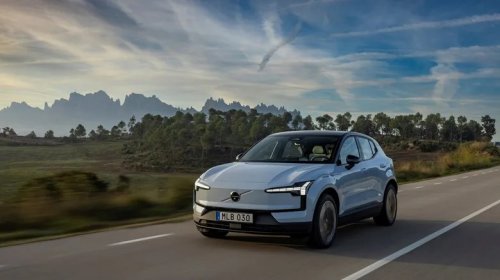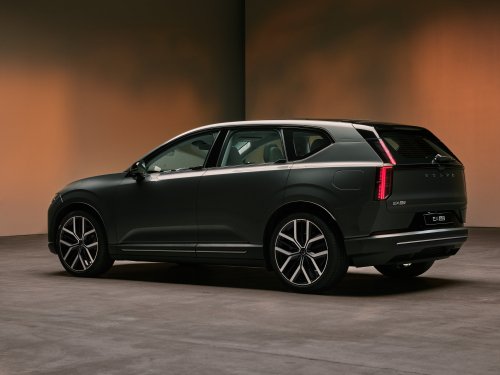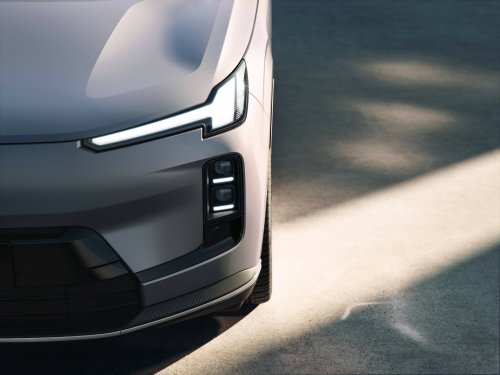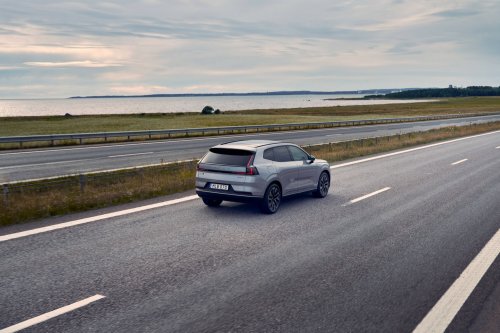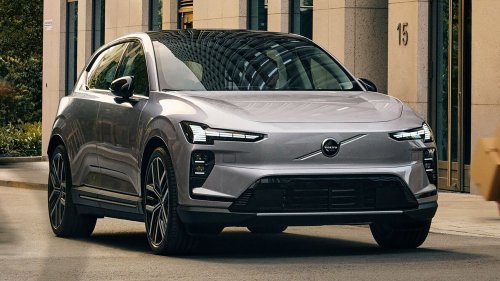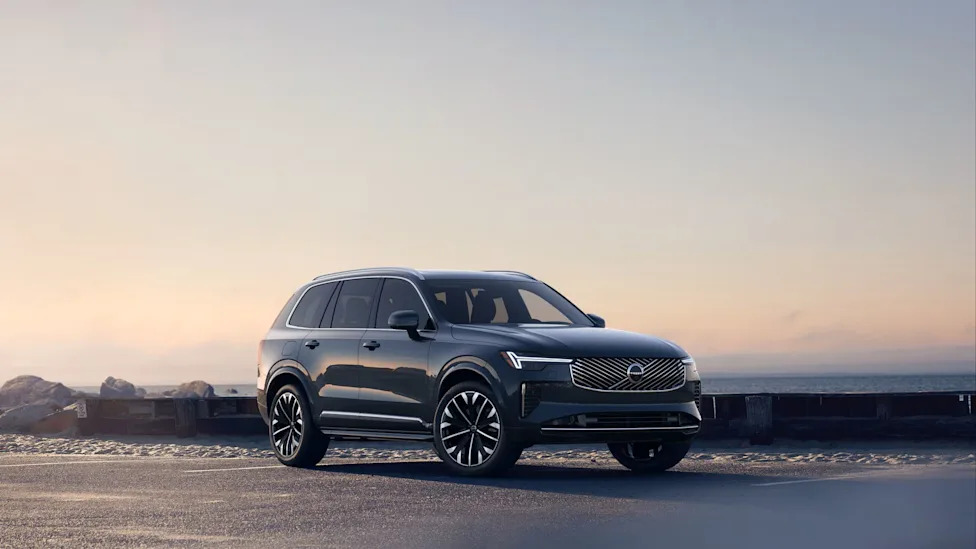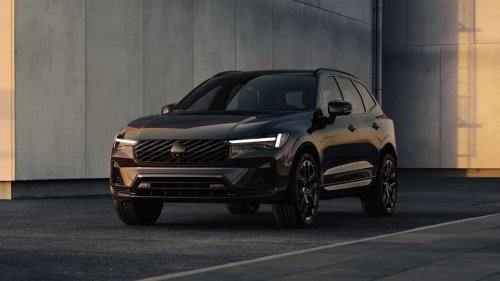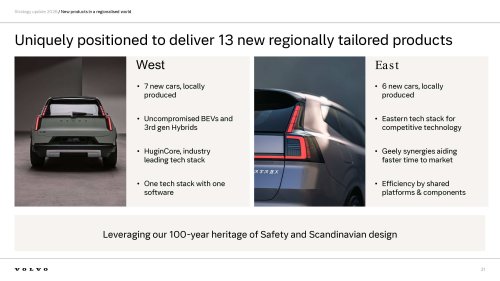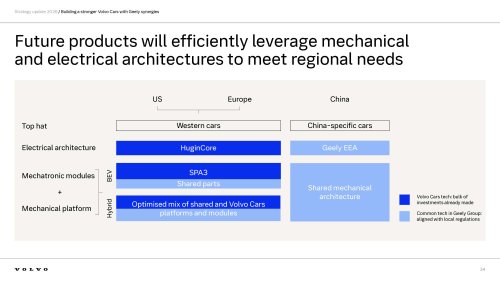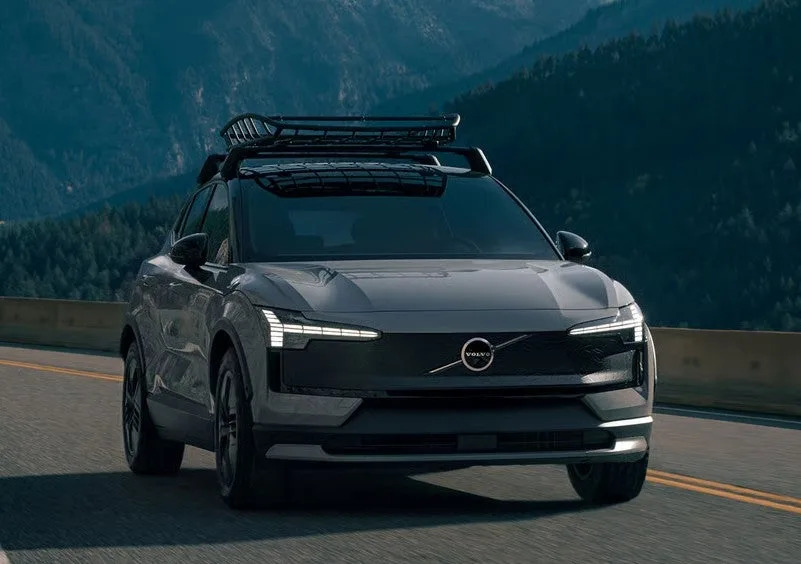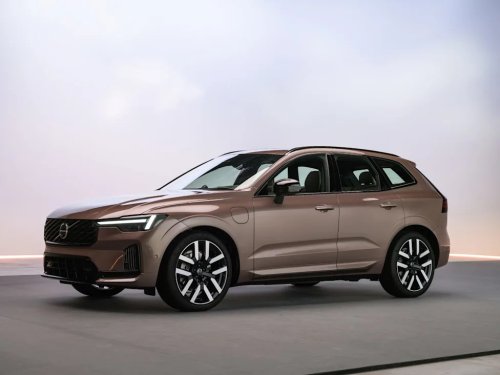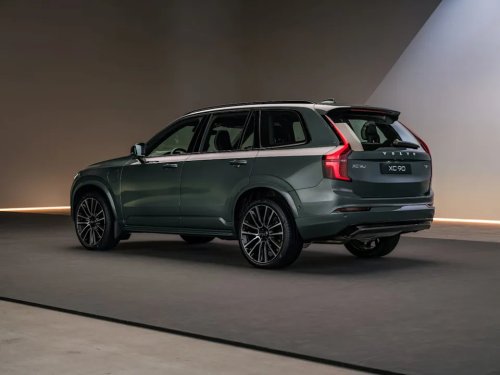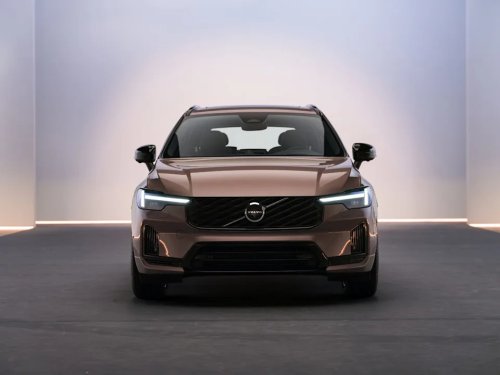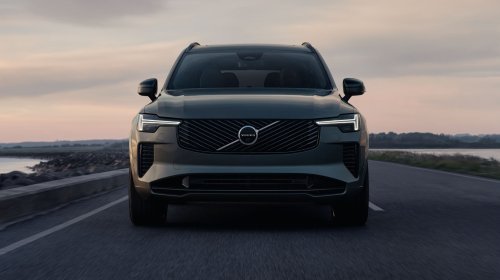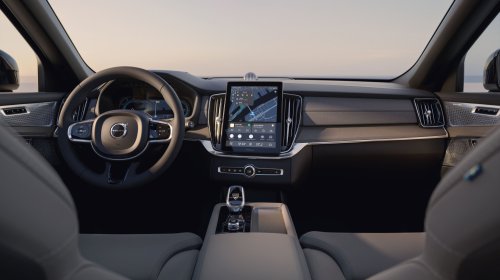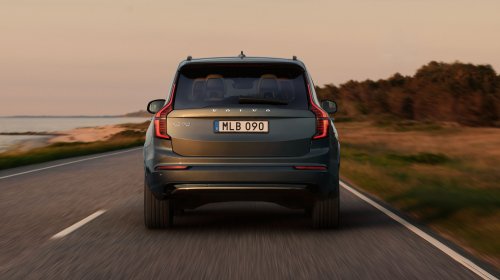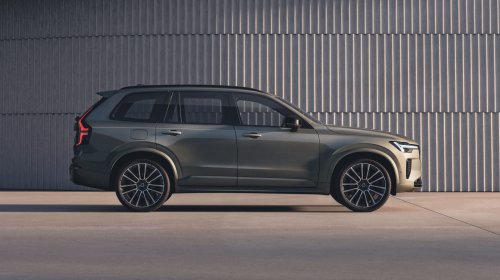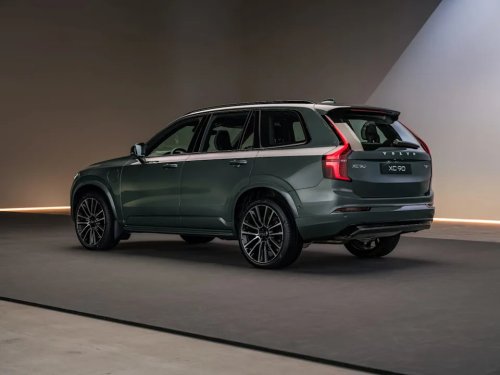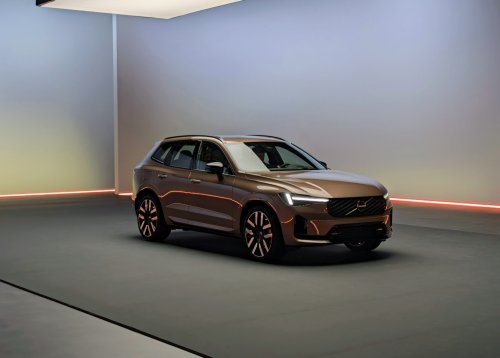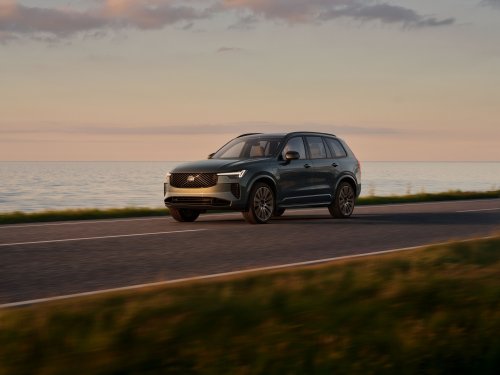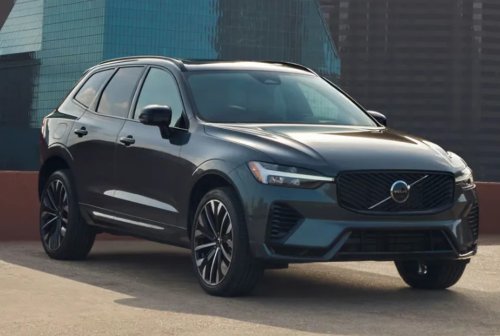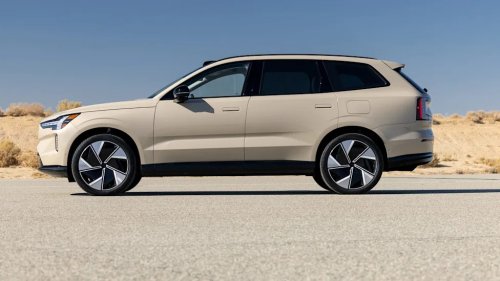
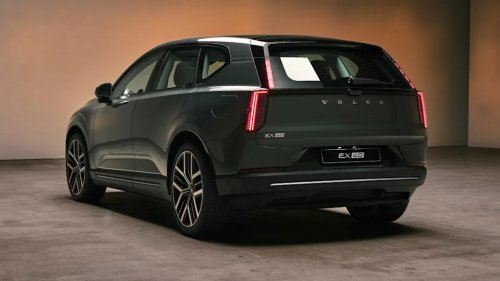
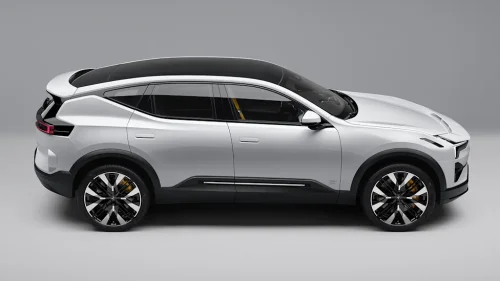
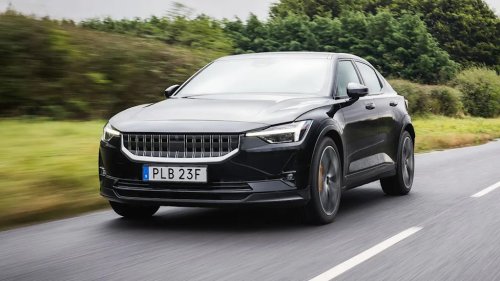
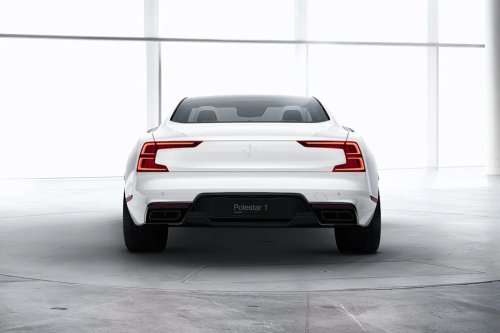



















Why Volvo Is Still All-In on Electric VehiclesMotorTrend - MotorTrend (MotorTrend - MotorTrend)Volvo might be a small automaker by comparison, but it knows where it wants to spend its resources and ultimately that is on electric vehicles packed with cutting-edge software.“When you are a small company, you can’t bet on every horse in the race,” says Volvo chief commercial officer Erik Severinson. “If you bet on everything, you focus on nothing. We took a deliberate decision about five years ago to focus our internal resources on electric vehicles and software-defined vehicles.”It is admittedly an expensive bet and a tough journey, he says, but it would have been even more difficult if Volvo was also investing in internal combustion engines to meet the latest emissions standards around the world.AdvertisementAdvertisementVolvo essentially outsourced that work to its partners under the Geely umbrella. In 2021 Volvo and parent Geely spun off its engine operations into a separate company called Aurobay which later became part of a larger joint venture involving Geely, Renault, and Saudi Aramco. Severinson says Volvo still collaborates with its Geely partners on combustion technology but Horst supplies the engines and some portions of the plug-in hybrid systems. This frees Volvo to spend its internal resources on electrified vehicles and in-house software development.The Volvo EX60 is the company’s latest EV to launch.MotorTrend (MotorTrend)Time to Try Something Different“I think it is the absolute right thing to do,” says Severinson. “If you are a 1 percent car brand, you need to pick how you grow.” If a brand has been around for 90 years and still has less than 1 percent of global share, it is time to try something new. “The only thing growing is cars with a cord so that is our bet basically. Let’s bet on the growing piece of the market.”Volvo CEO Håkan Samuelsson said he thinks EVs are better cars, plain and simple. They are lower cost and better for the environment. Electrification is the future and that is where he is allocating most of Volvo’s resources, engineering electric vehicle platforms and developing software. But he recognizes the transition must be managed properly and in markets like the U.S., plug-in hybrids remain a bridge solution until there is a greater acceptance of pure EVs. In the interim, Volvo can share costs with Geely for platforms, powertrains, and basic technology, but with a Volvo top hat.The Polestar 3 shares its platform with the Volvo EX90.MotorTrend - MotorTrend (MotorTrend - MotorTrend)Volvo and Polestar: Joined at the HipWhat is the relationship with Polestar? A friend, says Samuelsson. “As the [Polestar] founder, I have a special relationship.” Creating an EV startup from its roots within a legacy automaker was a brave and difficult move. “It’s not that easy to have a brand that is associated with gasoline and believe it can be electrified. Electrification is not like just another type of engine, it is more. People want something totally new. Tesla was totally new. If you want to be an alternative to Tesla, maybe it is not a Chevrolet with an electric engine,” he said.Polestar’s 2 competes with the Tesla Model 3.MotorTrend - MotorTrend (MotorTrend - MotorTrend)Polestar has positioned itself as an alternative to Tesla, especially in Europe. “Often you hear people say I looked into a Model 3 here in Europe and what is the alternative? There is Polestar 2 as a choice. Never an Opel with an e-motor. That is not an alternative. So, Polestar was the right thing. As a group, we learned from each other. With Polestar we have been able to be leaders in electrification. We shared the cost of developing cars with them,” Samuelsson says.AdvertisementAdvertisementSharing platforms made it possible to use the Volvo plant near Charleston, South Carolina, to build the Volvo EX90 and Polestar 3, which are on the same platform, on the same line. They are basically the same car underneath, which is an advantage, Samuelsson says. The Polestar 3 was also made in China but Volvo is consolidating global production in the U.S., part of “taking bigger steps into a more normal partnership with [Polestar], as we should as 20 percent shareholder.”The Polestar 1 launched with a distinctive look.MotorTrend - MotorTrend (MotorTrend - MotorTrend)Evolution of PolestarPolestar started as a Swedish racing team and became Volvo’s performance and tuning partner, creating cult favorite vehicles for enthusiasts. In 2015 Volvo officially acquired Polestar with the intention of making it an in-house performance division. Instead, Volvo transformed Polestar into a standalone premium brand focused on electrified performance. Polestar went on to become a separate publicly traded company but maintains ties to Volvo and parent Geely via the former’s 20 percent stake.Severinson describes the relationship between Volvo and Polestar as like siblings. “You play; you fight.”The brands are very different from a design perspective, appealing to a different audience, he says, pointing to the Polestar 3 and EX90. “Two cars on same platform, from same plant, two completely different customer groups. EX90 is a 7-seater family vehicle, Polestar 3 is a coupe-like more sporty SUV.”AdvertisementAdvertisement“I don’t think it’s Polestar versus Volvo. I think it is Polestar and Volvo against the rest of the competitors,” says Severinson. “We need to make sure we always appeal to different customer groups.”To keep the distinction, Volvo has brought back former designer Thomas Ingenlath, who left to become CEO of Polestar and is now back at Volvo with a mandate to create unique models that are instantly recognizable as Volvos, says Samuelsson.