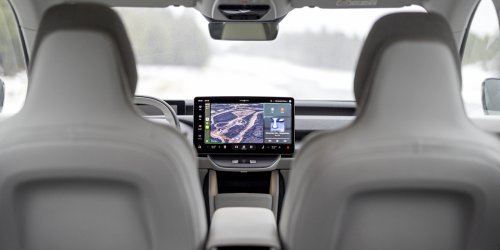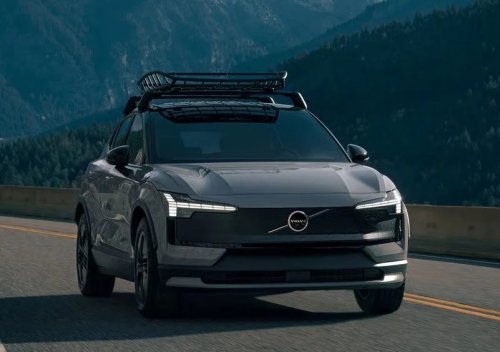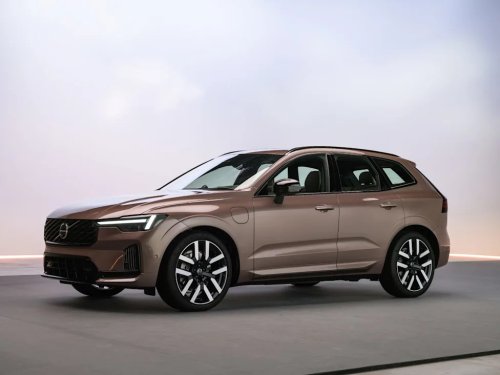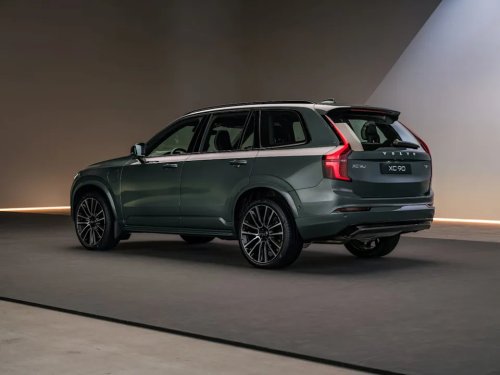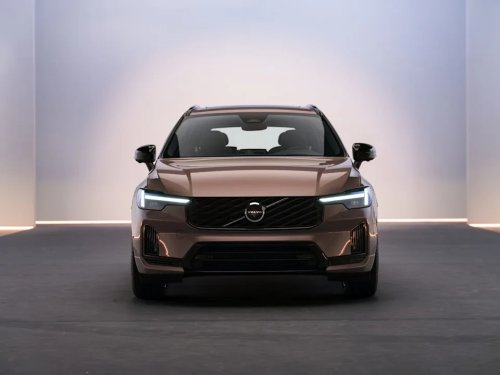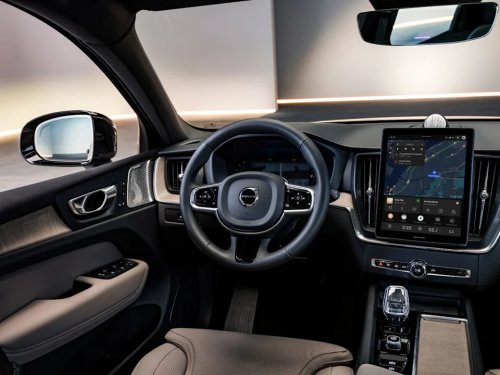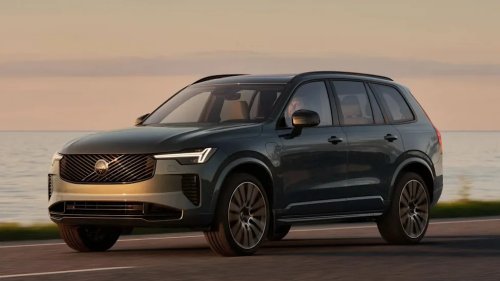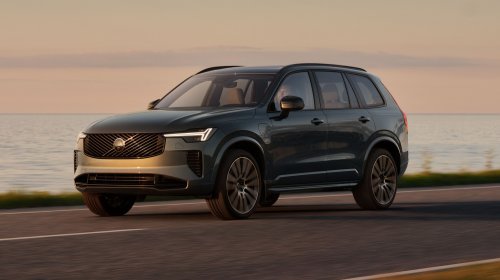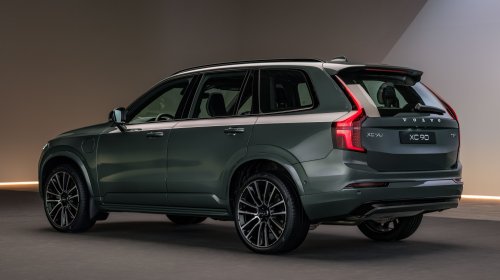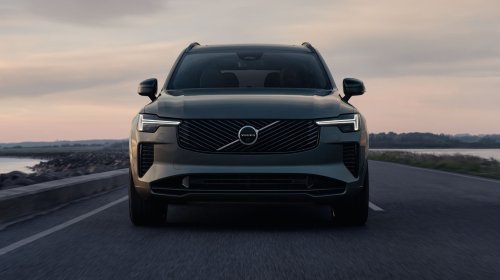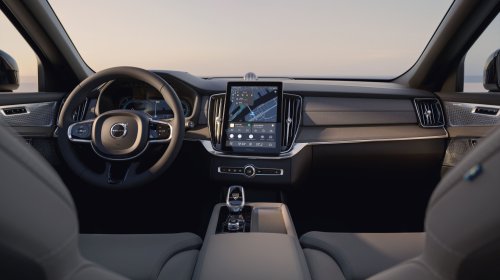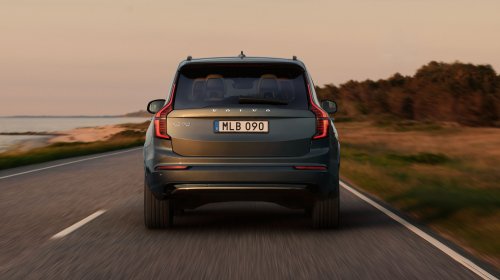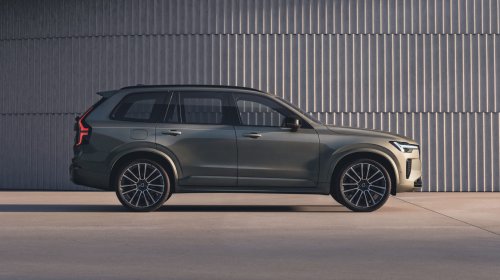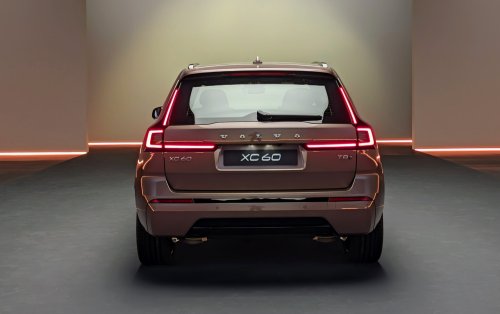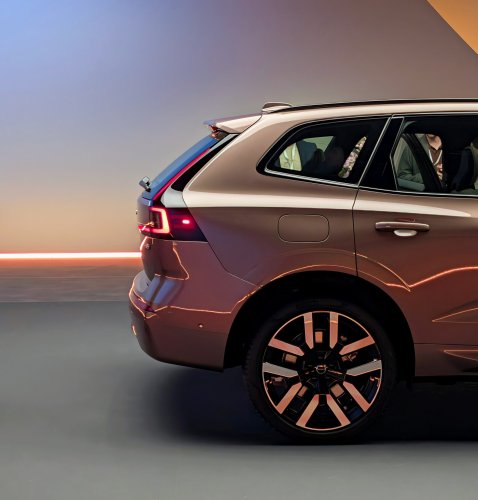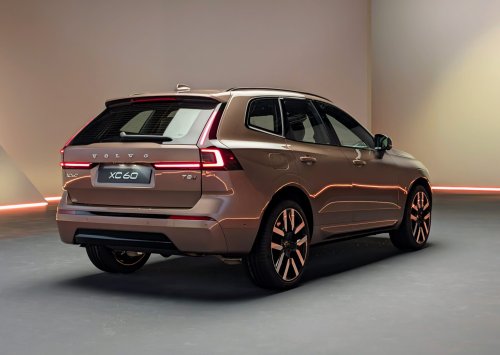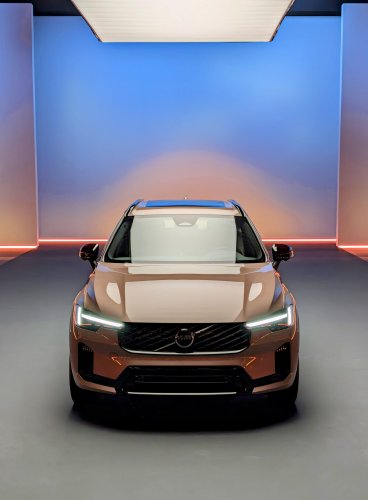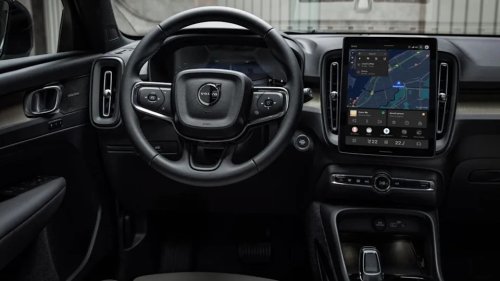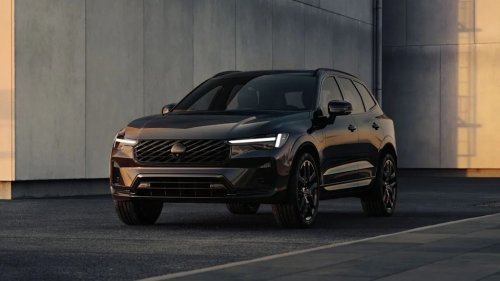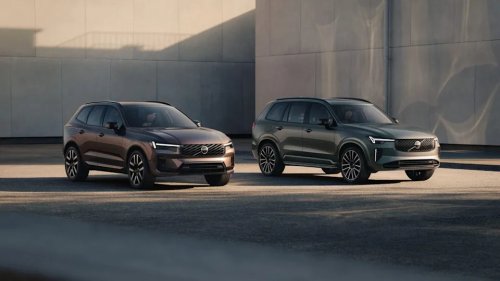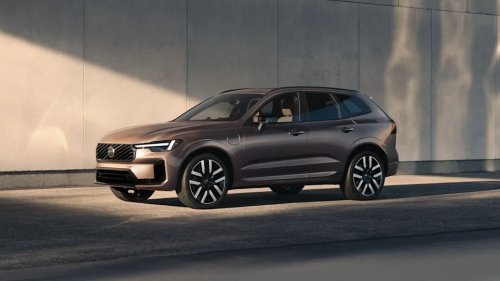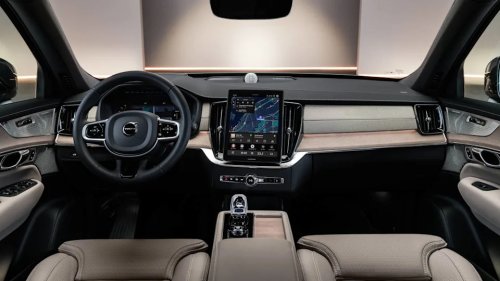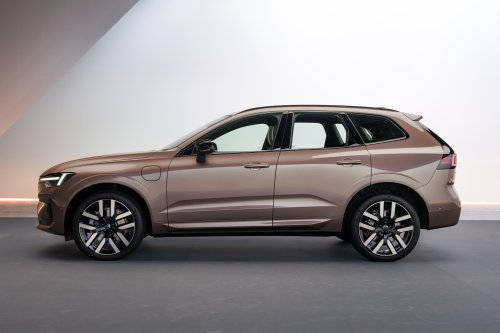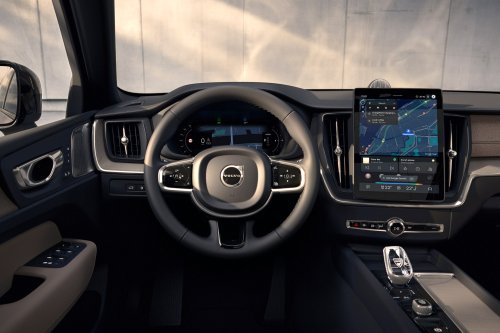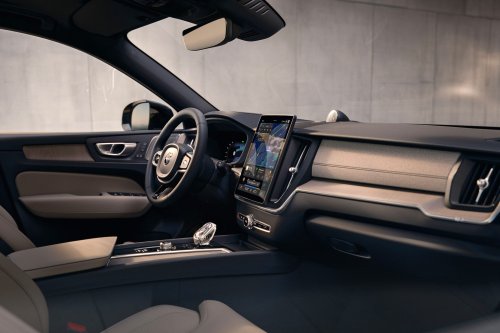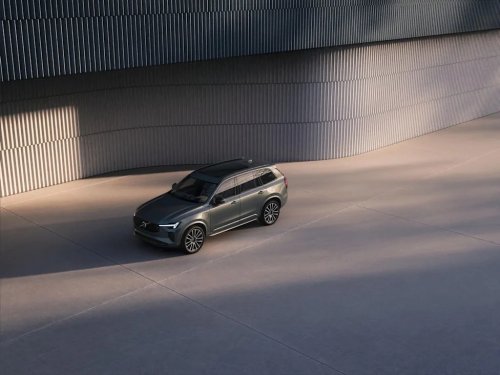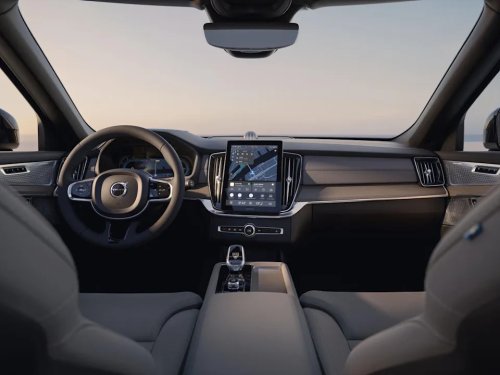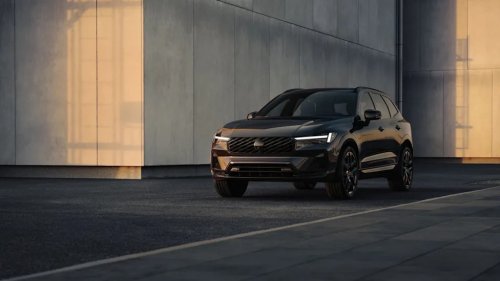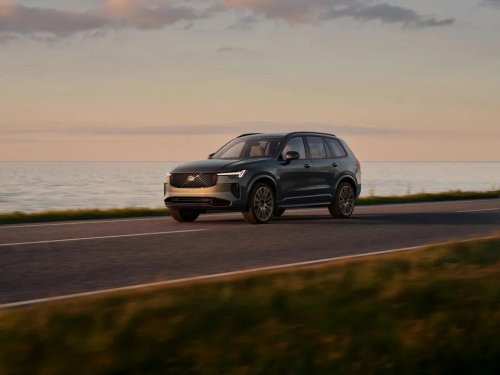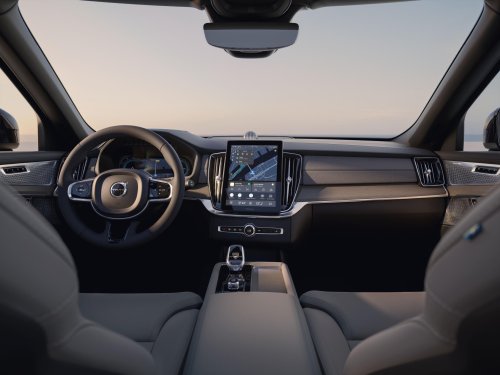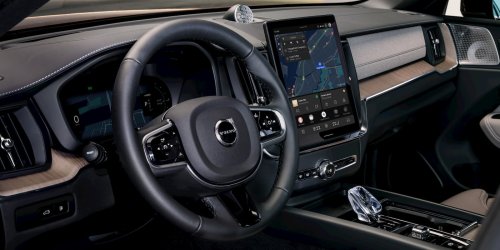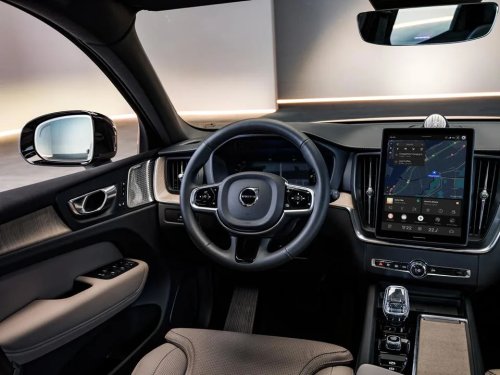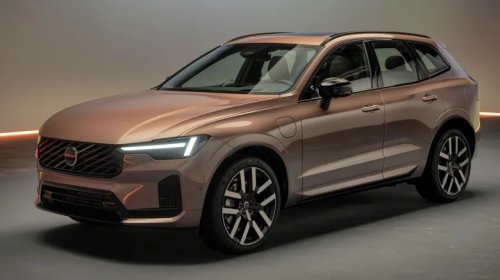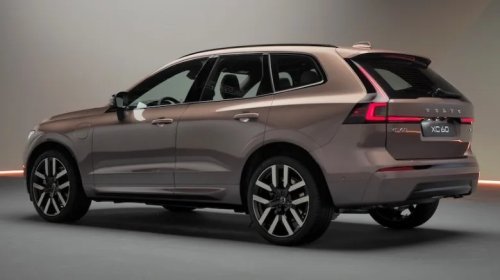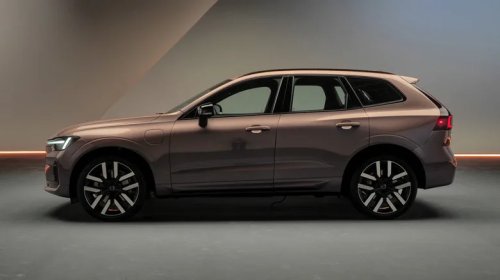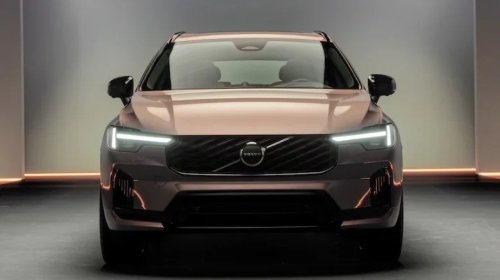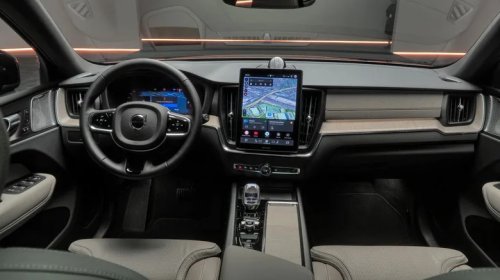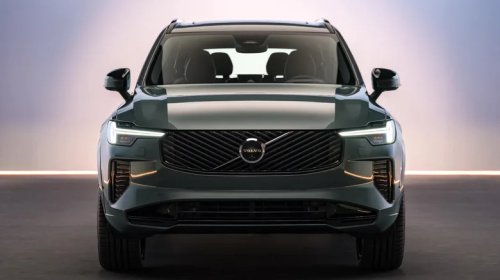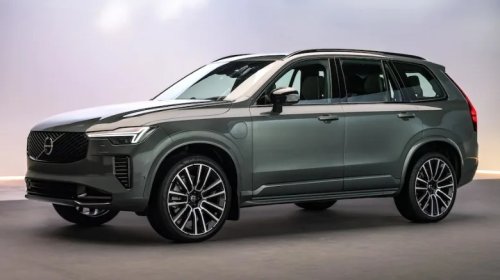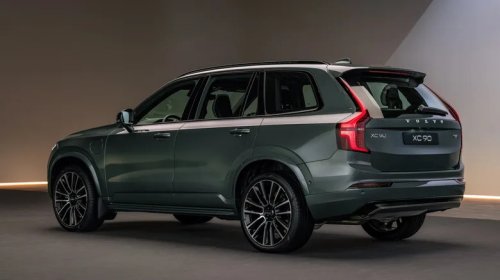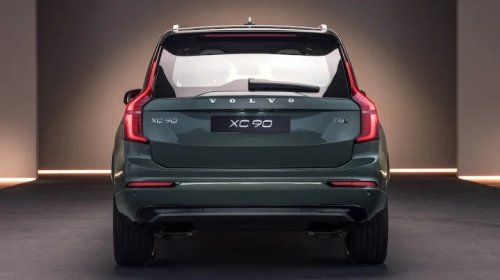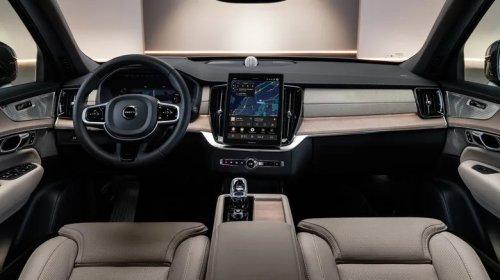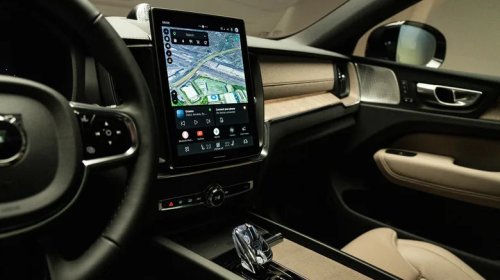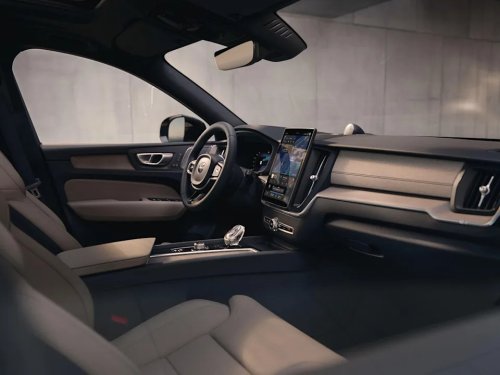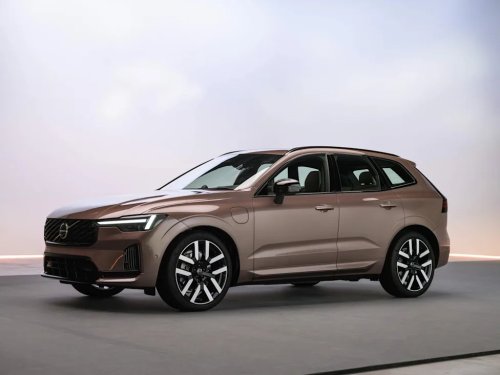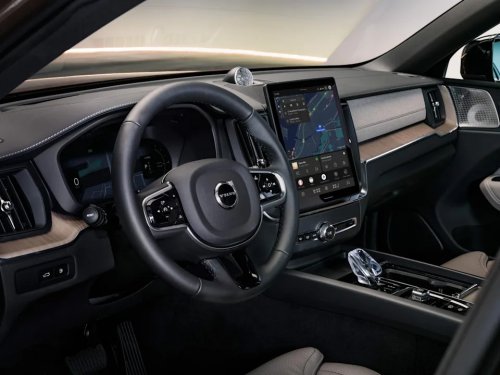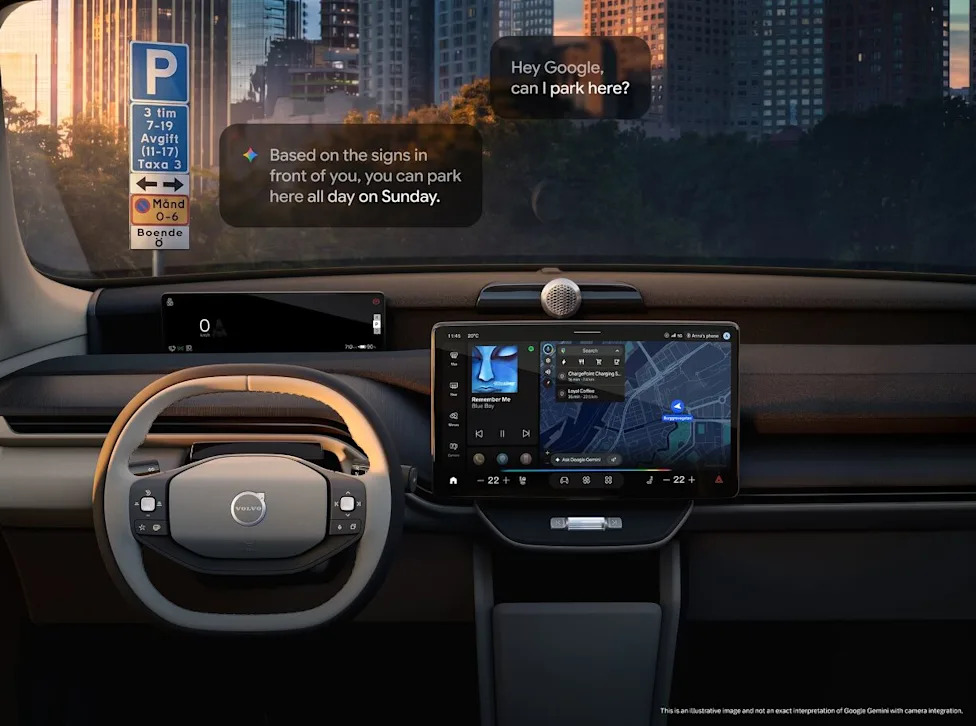
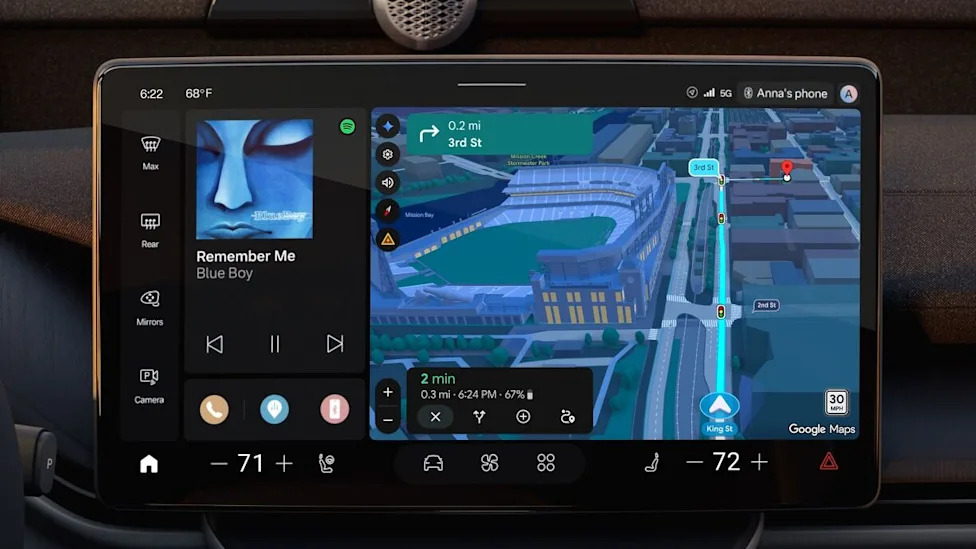



















volvo is using ai to solve your biggest parking nightmare, Volvo s new Google Gemini AI system will provide contextual answers to real world driving problemsVolvo's new Google Gemini AI system will provide contextual answers to real world driving problemsVolvo and Google have announced an expansion of their ongoing partnership, detailing new plans to integrate advanced artificial intelligence directly into the vehicle's driving experience with actual real-world advantages that will make driving easier.AI in cars has been touted for quite some time but it seems to generate more jokes than benefits. Always a practical brand, Volvo has a solution.AdvertisementAdvertisementHeadlining the announcement is a demonstration of Google Gemini's AI architecture integrated with vehicle camera systems, debuting on the upcoming Volvo EX60 platform at this week's Google I/O conference.The integration marks a notable shift from passive driver-assistance systems to active, contextually aware environments. By leveraging the EX60's neural processing hardware and software-defined architecture, the system allows the Gemini AI model to analyze real-time video feeds from the vehicle's external cameras. With driver permission, the AI can interpret complex real-world variables, such as decoding ambiguous parking restriction signs, identifying time limits, recognizing permit zones and clarifying EV charging rules on the fly.In short, it can answer the age old question "Can I park here?"volvo is using ai to solve your biggest parking nightmare"The EX60 provides an ideal platform to explore the future of contextually aware driving experiences," said Alwin Bakkenes, Head of Global Software Engineering at Volvo Cars. "Working closely with Google as a lead device partner allows us to help bring the latest advances in AI into the automotive environment faster and more collaboratively than ever before."AdvertisementAdvertisementBeyond solving the everyday frustration of deciphering parking signs, the Gemini integration is designed to assist with real-time road sign recollection, lane marking interpretation, and casual queries regarding local landmarks or businesses along a route.In tandem with the Gemini demonstration, Volvo confirmed it will be among the first automakers to implement Google Maps' new "Immersive Navigation" feature. Described as the mapping platform's most significant update in over a decade, the system transitions from traditional two-dimensional or basic top-down 3D maps to a highly detailed, three-dimensional digital twin of the environment.For drivers navigating dense urban corridors, the system renders redesigned 3D buildings, tunnels, and overpasses to make complex, multi-level intersections easier to negotiate. The visual updates are paired with a more naturalistic approach to voice guidance. Rather than relying solely on precise distances, which can be difficult to judge in heavy traffic, the navigation system will reference visible, real-world landmarks (e.g., instructing the driver to "take the next left after the library")."In the future, Gemini will make your drive more helpful by allowing you to learn more about your surroundings while on the road," said Patrick Brady, Vice President of Android for Cars at Google. "And with Immersive Navigation, we're bringing Google Maps' biggest update in over a decade to our drivers."AdvertisementAdvertisementWhile the camera-based Gemini AI features remain in the advanced demonstration phase, Volvo has confirmed that the Immersive Navigation rollout is slated to debut on the EX60, alongside the brand's flagship EX90 SUV and the upcoming ES90 luxury sedan.Volvo's early adoption of these technologies underscores the competitive advantage of its native Android Automotive OS architecture, positions the brand at the forefront of AI deployment, and offers a pragmatic glimpse into how software-defined vehicles will alter the daily commute.