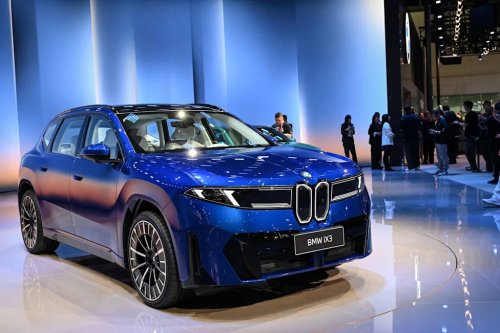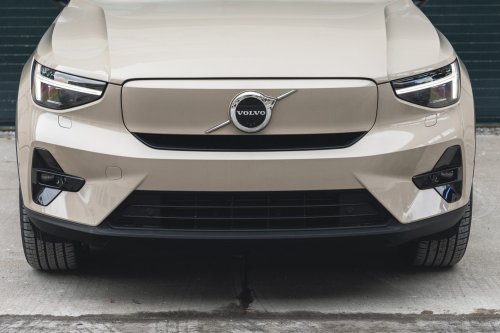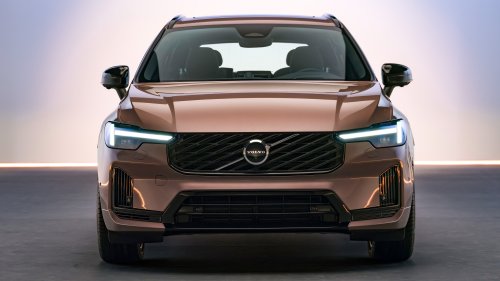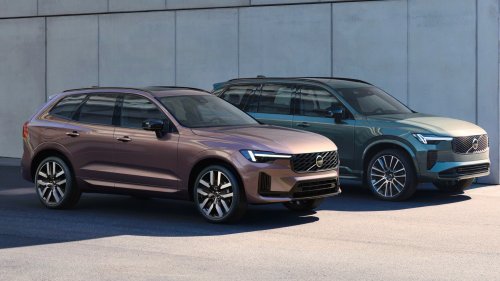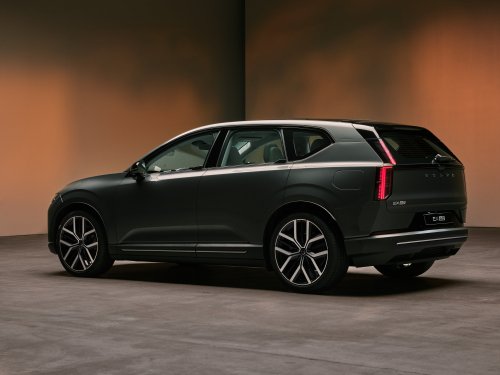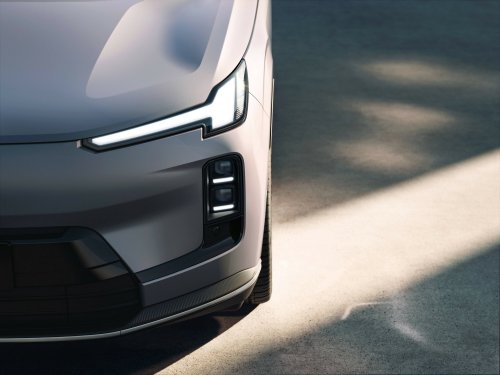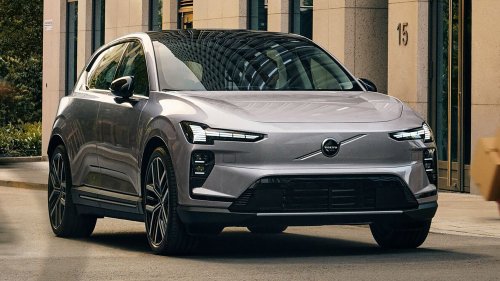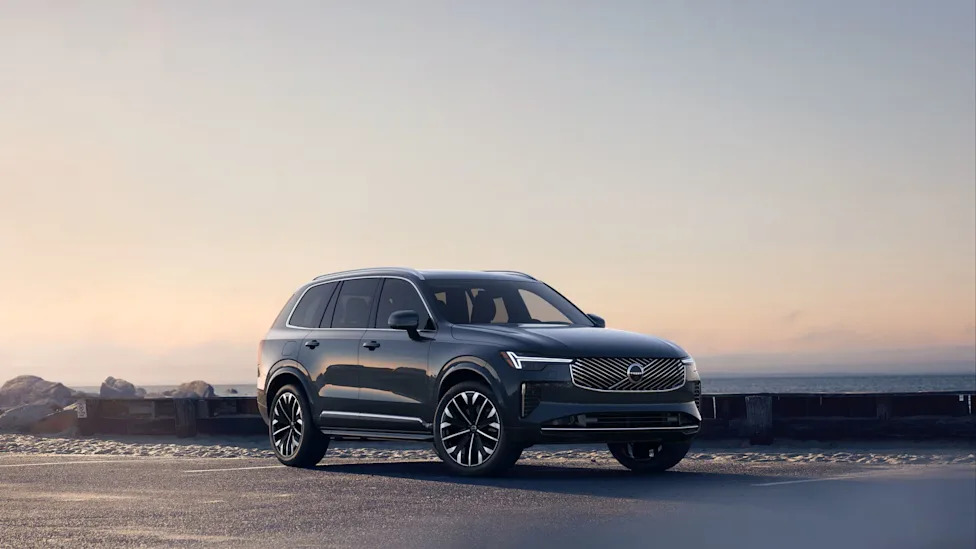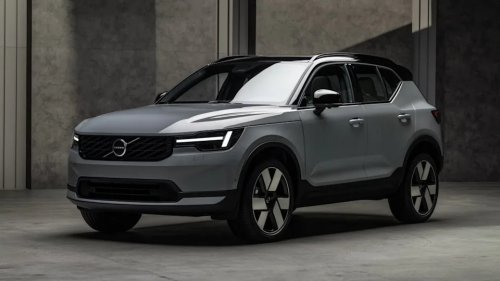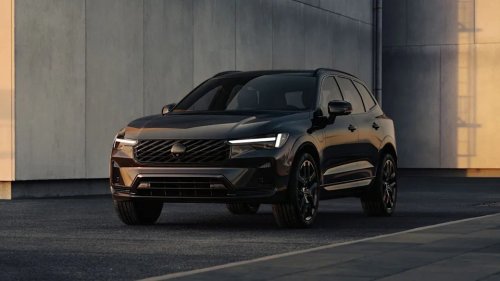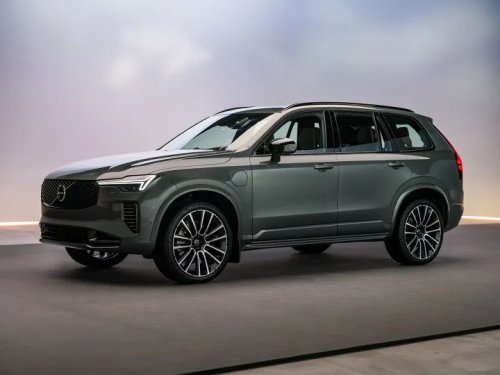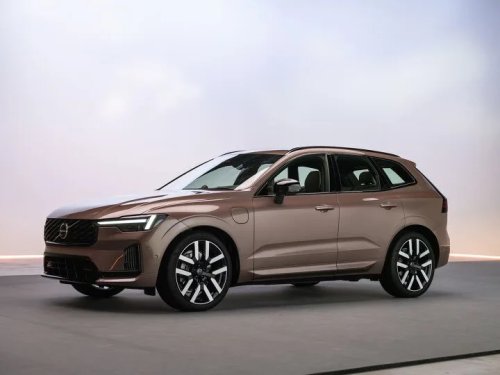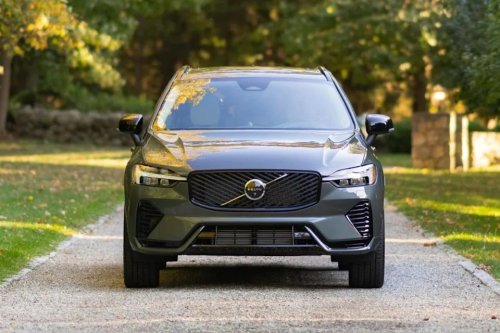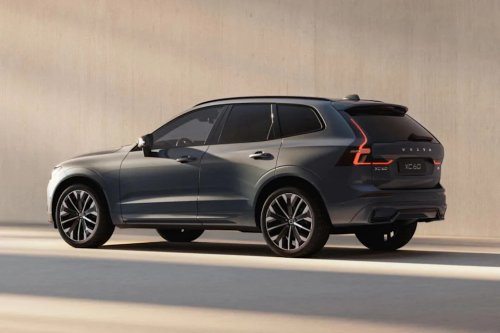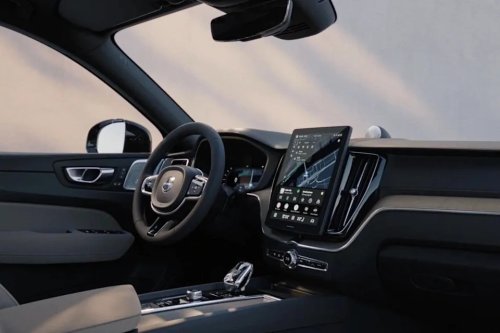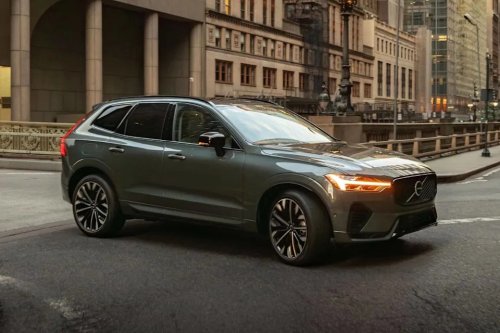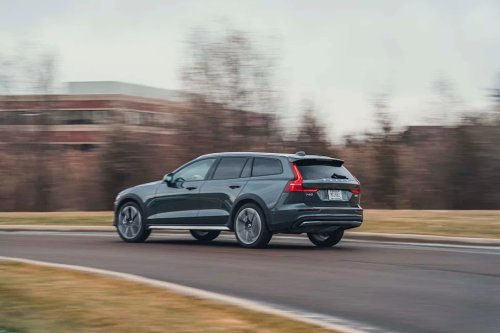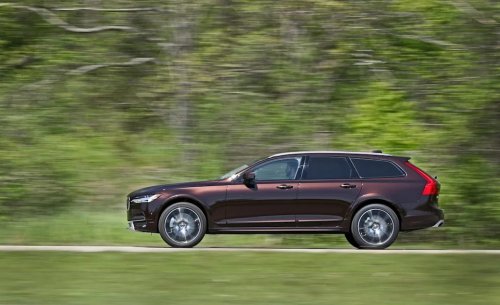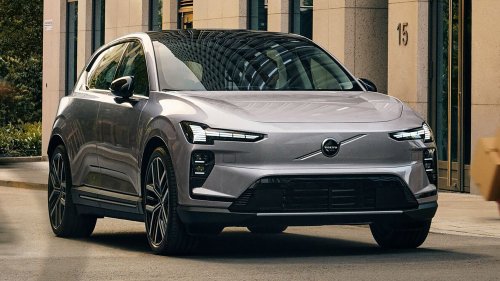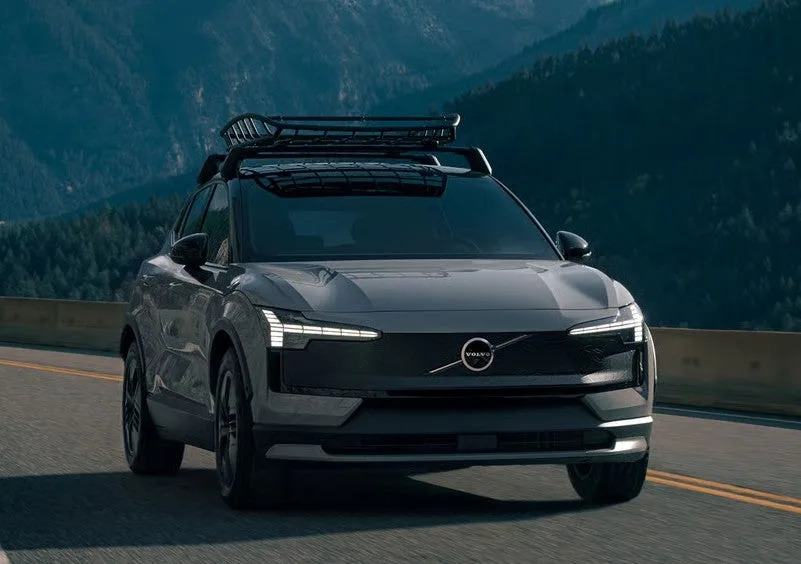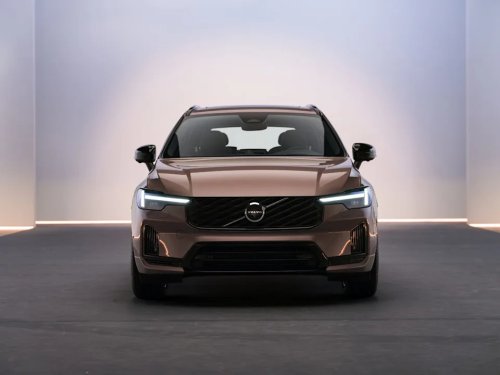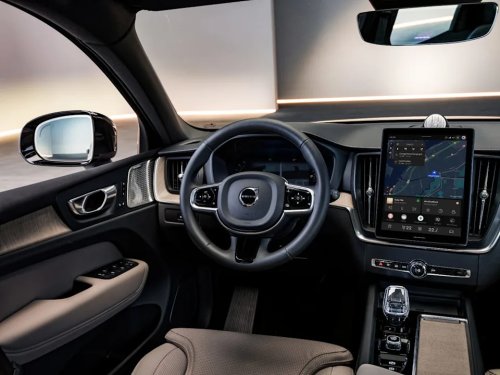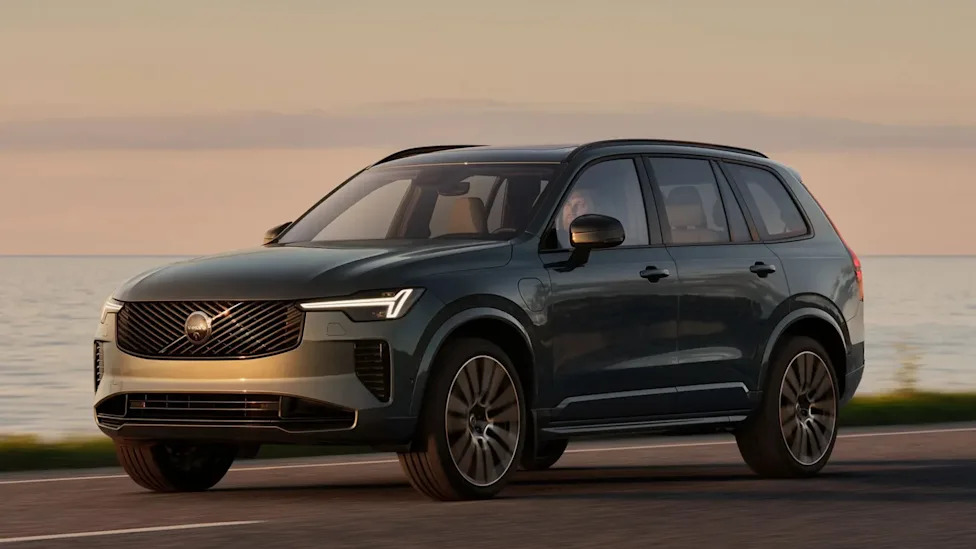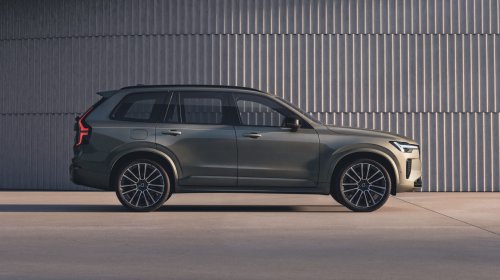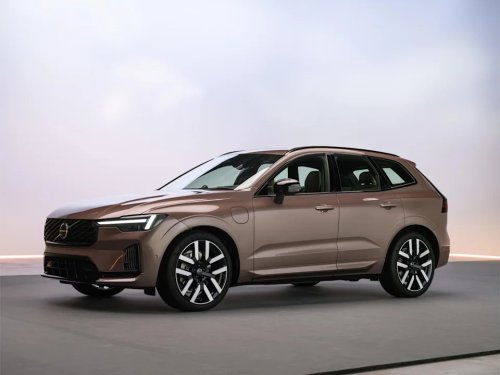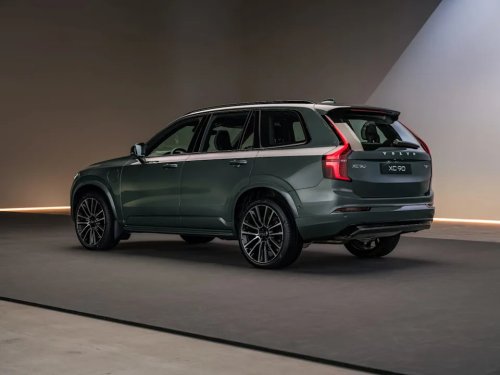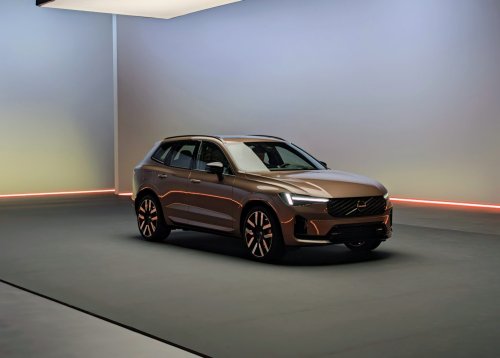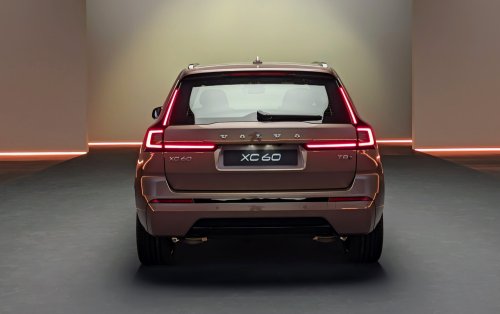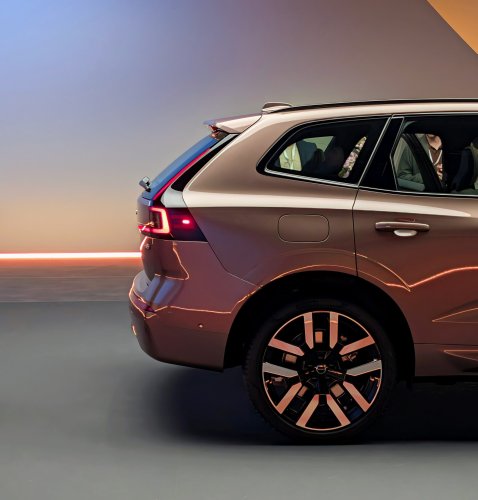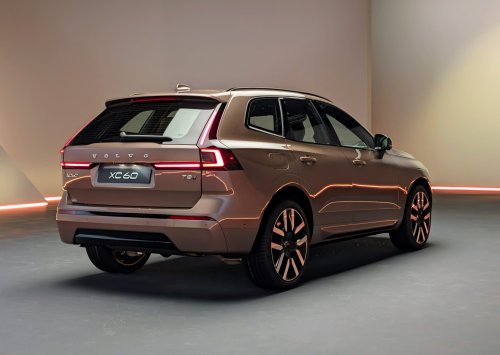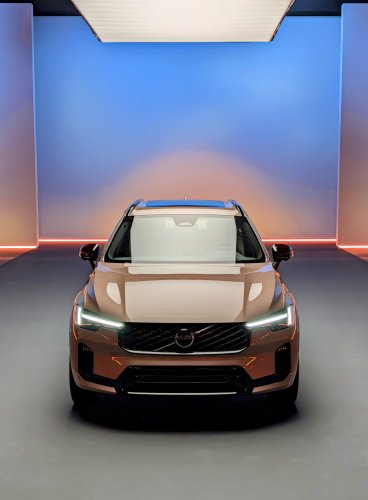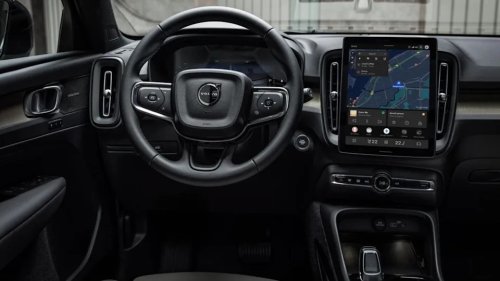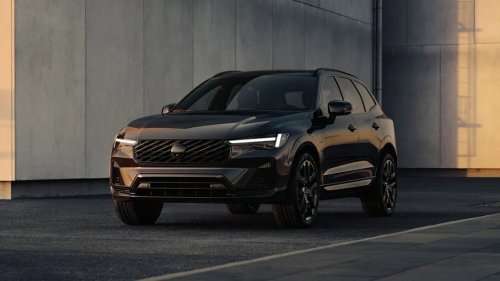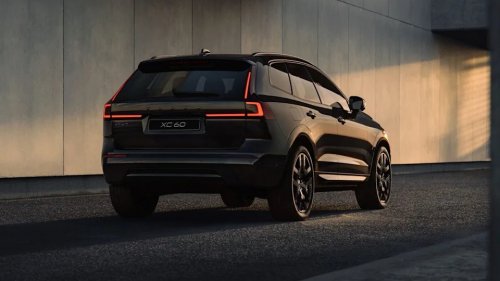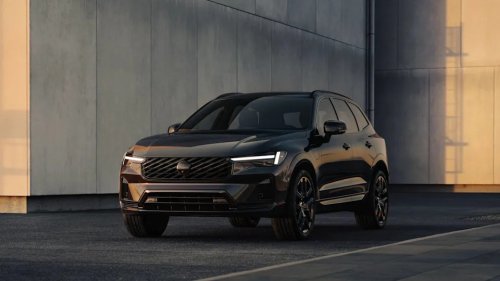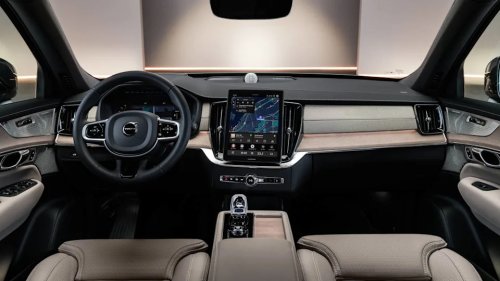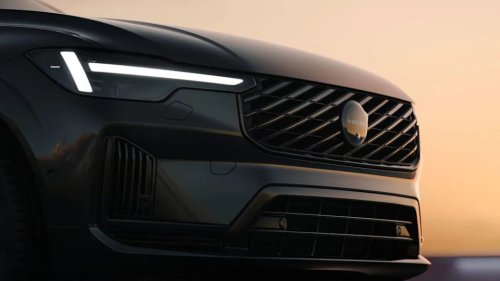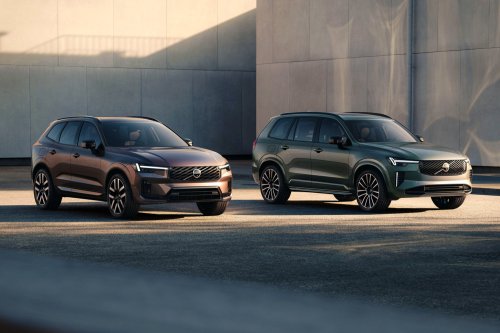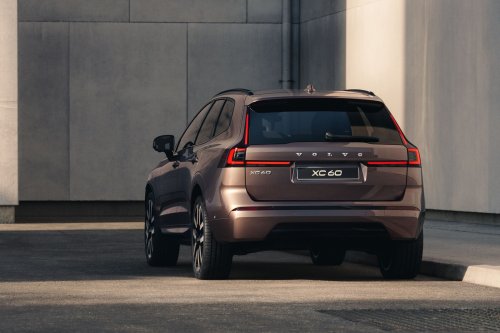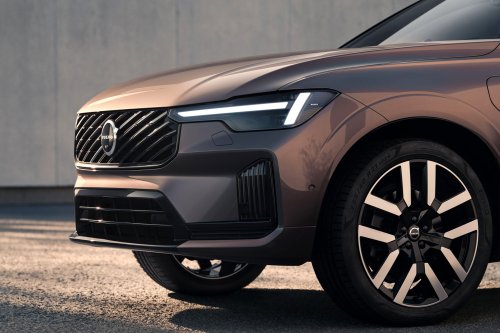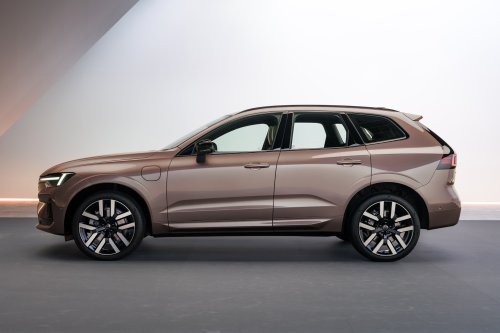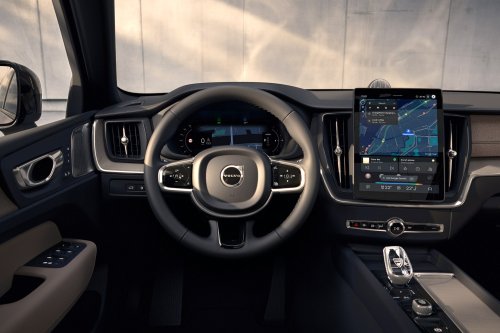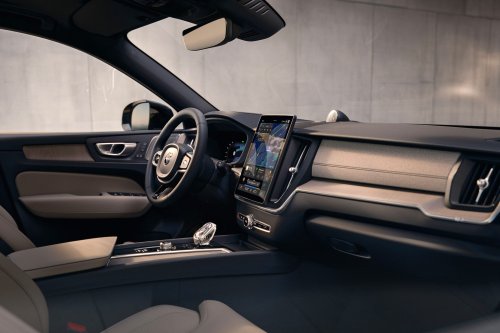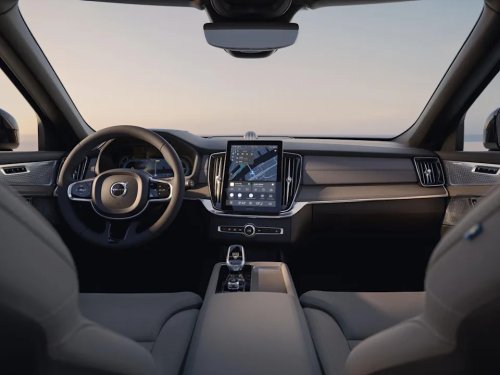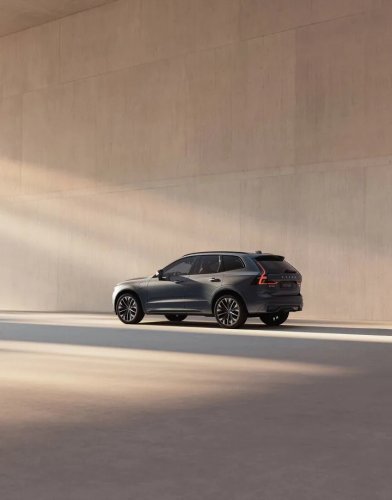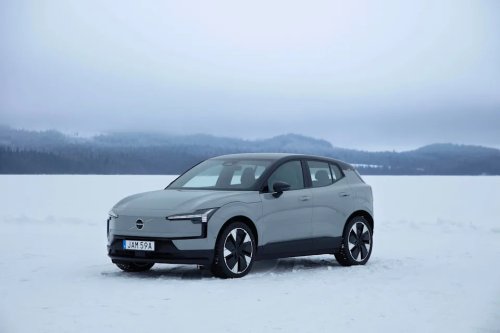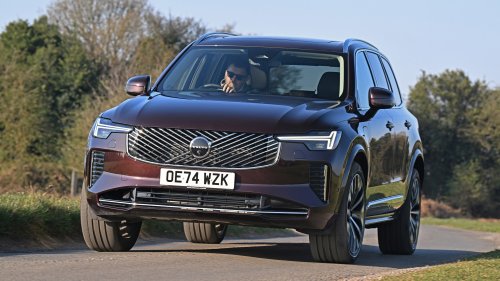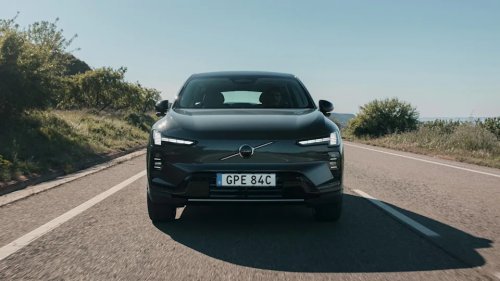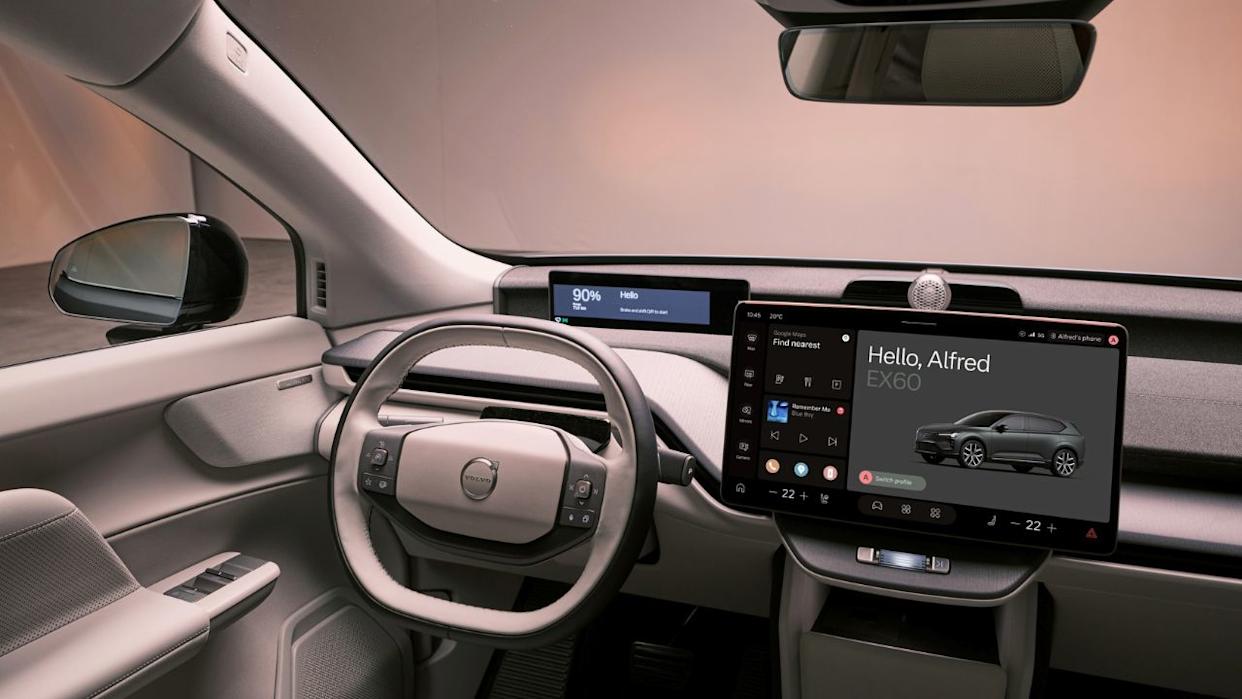
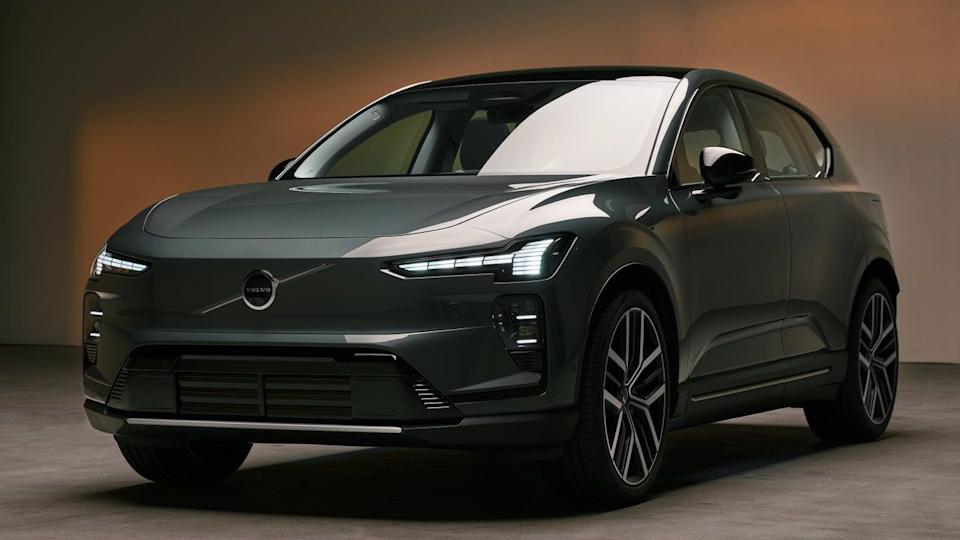
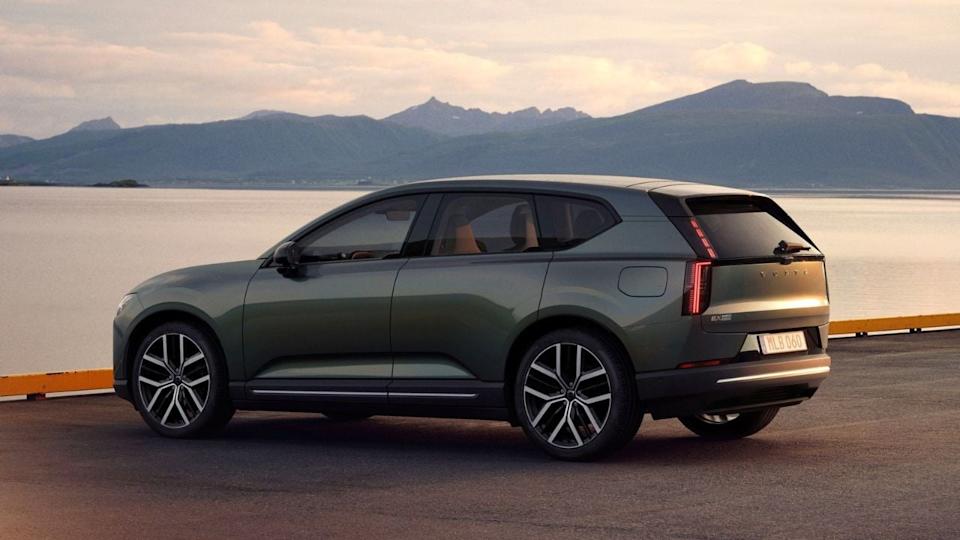



















Photo Courtesy: Autorepublika.Volvo has joined the growing backlash against subscription-based vehicle features, criticizing the practice of charging customers recurring monthly fees for functions already installed in their cars. The comments come as the Swedish automaker prepares to launch the new EX60 electric SUV and expand its next-generation EV strategy.In an interview with Motor1, Volvo Chief Commercial Officer Eric Severinson said premium brands should avoid “nickel-and-diming” customers with subscriptions for basic comfort features such as heated seats. His remarks directly challenge a controversial trend that has spread through the automotive industry over the last several years.Luxury automakers, including BMW, Mercedes-Benz, and General Motors, have experimented with subscription services that lock certain functions behind recurring payments. The idea has frustrated many consumers, particularly when the hardware is already physically installed in the vehicle at the time of purchase.AdvertisementAdvertisementVolvo’s position suggests the company sees a distinction between charging for advanced digital ecosystems and asking owners to pay ongoing fees for core features buyers traditionally expect in a premium vehicle.Volvo Says Premium Buyers Expect MoreSeverinson’s criticism centered on the customer experience rather than the technology itself. According to Volvo’s executive team, someone spending around $80,000 on a luxury vehicle should not face additional monthly charges simply to activate heated seats or similar built-in amenities.The comments arrive at a time when automakers are increasingly searching for recurring revenue streams beyond traditional vehicle sales. Software-based services, connected features, and digital subscriptions have become attractive business opportunities as modern cars evolve into rolling technology platforms.Manufacturers argue that subscriptions can simplify production by allowing every vehicle to leave the factory with the same hardware installed. Features can then be activated digitally depending on what the customer pays for, reducing manufacturing complexity and inventory variation.AdvertisementAdvertisementConsumers, however, have often viewed the model differently. Critics argue that buyers are essentially being asked to rent access to equipment they already paid for when purchasing the vehicle itself.BMW’s Heated Seat Controversy Changed The ConversationImage Credit: Volvo.The debate surrounding in-car subscriptions gained widespread attention after BMW introduced subscription fees for heated seats in several markets back in 2022. The move generated significant criticism online and quickly became one of the industry’s most controversial examples of software paywalls in vehicles.BMW later acknowledged the strategy had not resonated well with customers. Other automakers have continued exploring similar ideas, though many companies have become more cautious about how aggressively they monetize built-in features.General Motors has previously discussed the long-term financial potential of subscription services, particularly as connected vehicles become more software-dependent. Meanwhile, Mercedes-Benz has offered performance-related software unlocks and digital upgrades on certain EV models.AdvertisementAdvertisementVolvo appears determined to draw a line between optional software ecosystems and fundamental comfort equipment. Severinson said subscription models may still make sense for larger software-based services such as advanced driver-assistance systems, connectivity packages, or future AI integrations.Volvo’s EV Push Is Expanding RapidlyThe comments come during a major transitional period for Volvo as the company accelerates its electric vehicle ambitions. The upcoming Volvo EX60 will become one of the brand’s most important launches of the decade and the first electric Volvo built in Sweden.Production of the EX60 recently began in Gothenburg, supported by more than $1 billion in investments tied to megacasting technology and next-generation EV manufacturing. Volvo is also introducing advanced cell-to-body battery integration and scalable platform architectures designed to reduce costs and improve efficiency.The company’s growing EV lineup already includes models such as the Volvo EX30 and Volvo EX90, with additional electric models expected over the coming years.AdvertisementAdvertisementVolvo executives believe future vehicles will increasingly function like smartphones, with centralized software architectures capable of receiving regular over-the-air updates and feature enhancements throughout the vehicle’s lifespan.The Industry Is Still Searching For The Right BalanceImage Credit: Volvo.Automakers face mounting pressure to offset rising EV development costs, battery expenses, and shrinking margins. Subscription services have emerged as one potential solution because they provide recurring income long after the initial vehicle sale.At the same time, public resistance toward paywalled vehicle features remains strong, especially when those features involve hardware already present in the car. Buyers appear more willing to accept subscriptions for evolving digital services than for traditional comfort equipment.Volvo’s stance may resonate with consumers who have grown skeptical of the industry’s push toward recurring fees. By publicly distancing itself from heated-seat subscriptions and similar practices, the company is positioning itself as a more customer-focused alternative in the premium EV market.AdvertisementAdvertisementWhether that strategy translates into a competitive advantage remains to be seen. One thing is clear, though: the battle over software monetization inside modern vehicles is only getting started.If you want more stories like this, follow Guessing Headlights on Yahoo so you don’t miss what’s coming next.