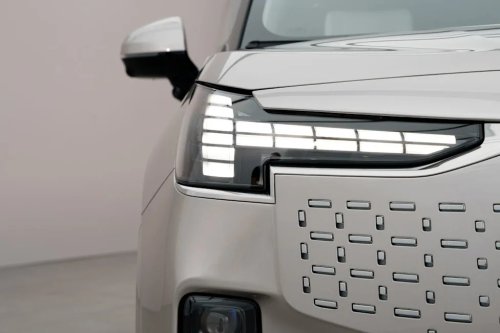
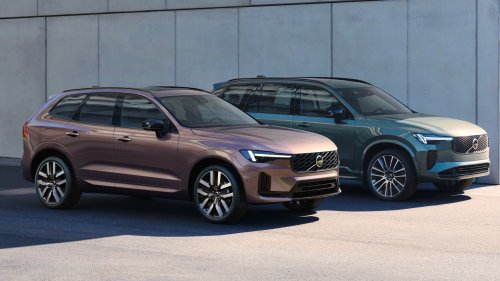
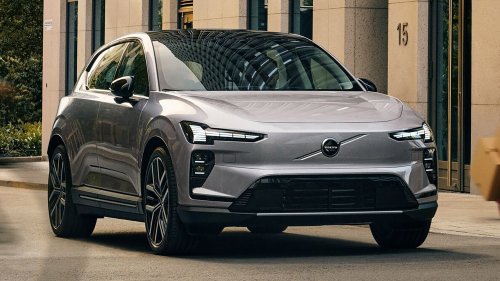
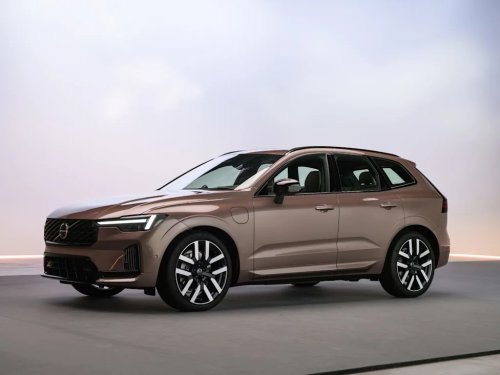
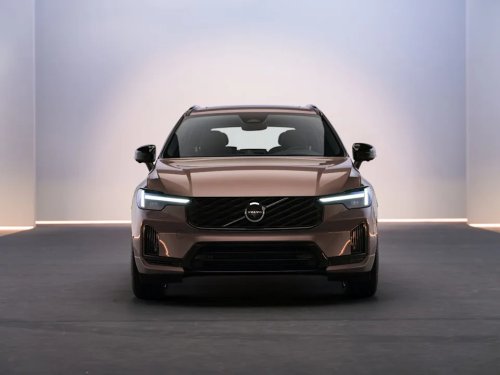
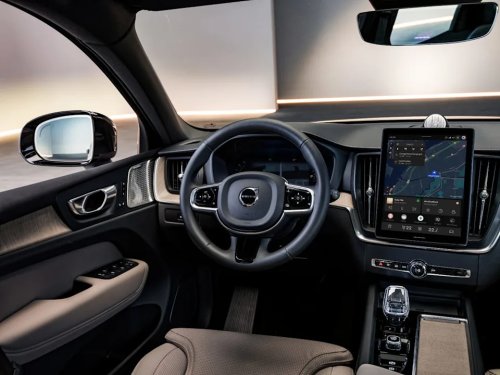
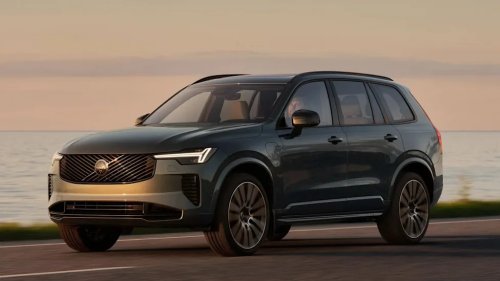
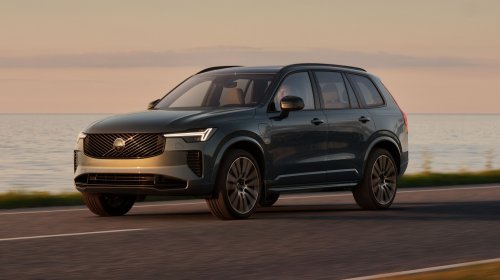
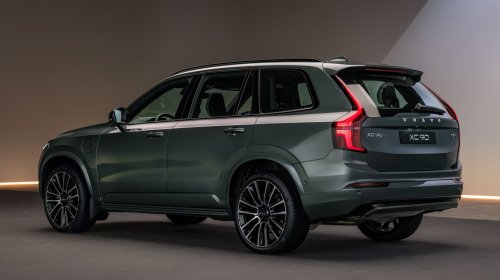
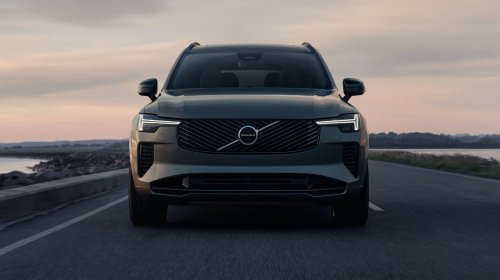
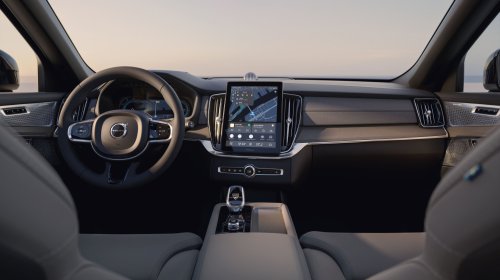
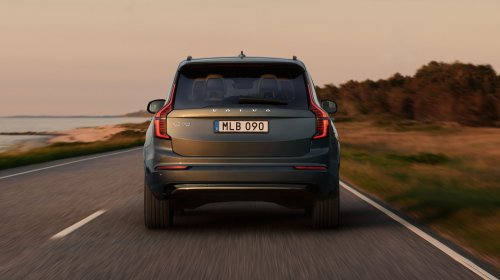
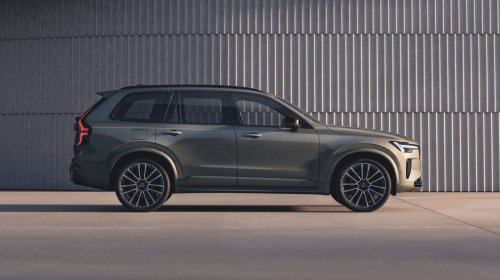
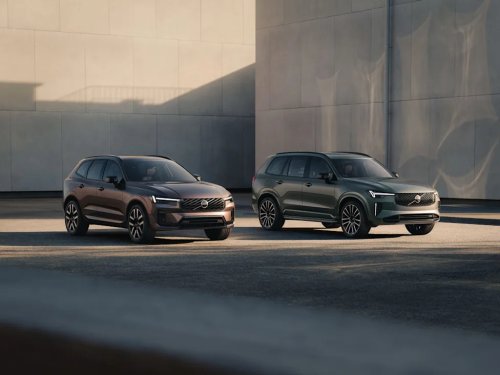
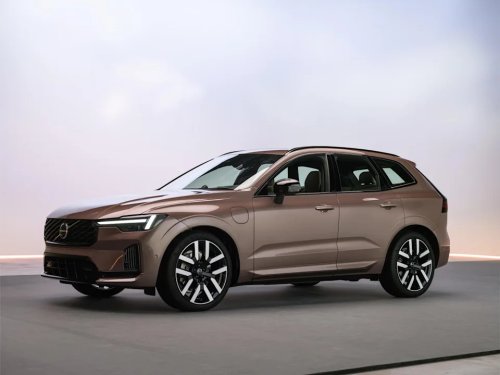
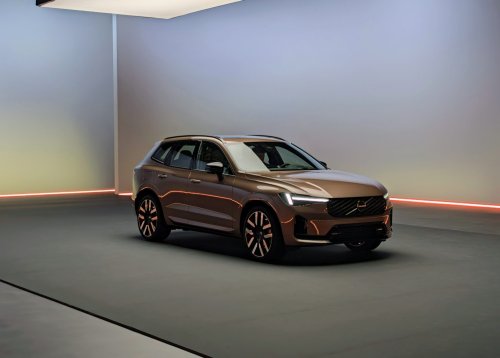
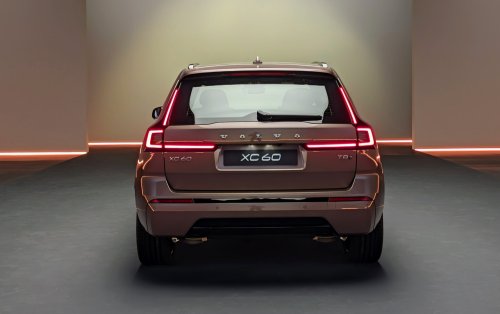
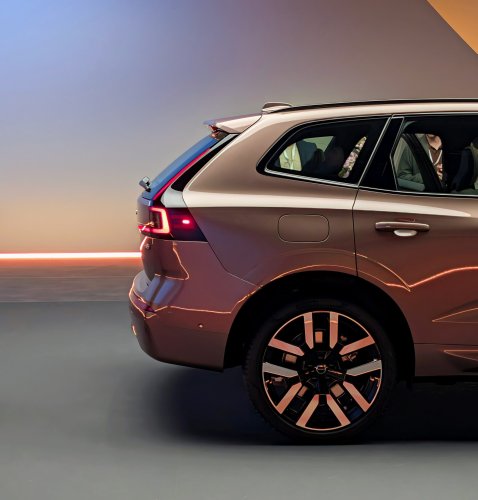
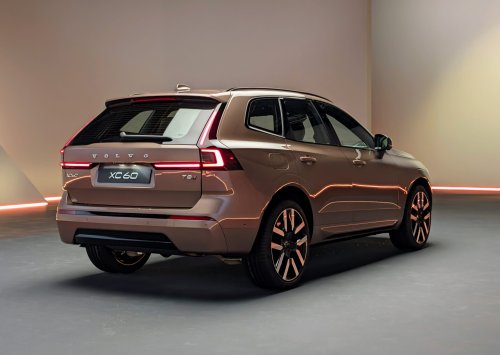
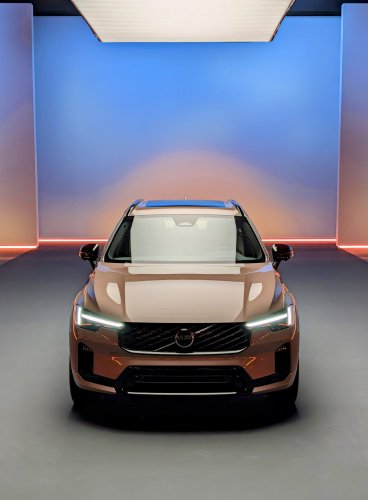
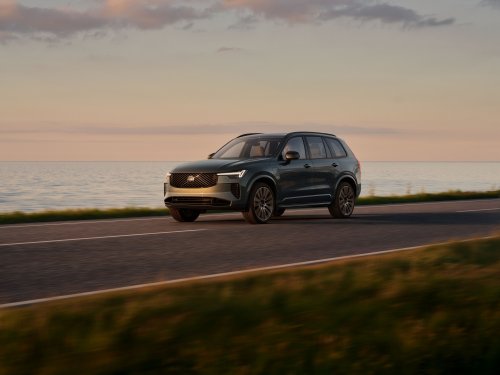
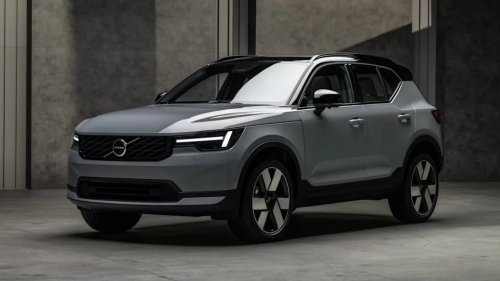
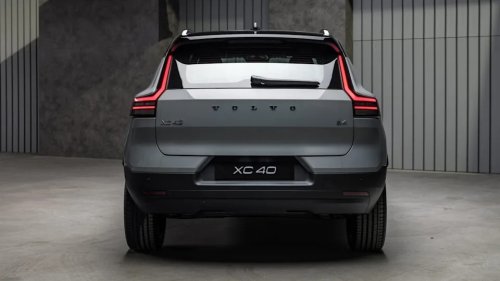
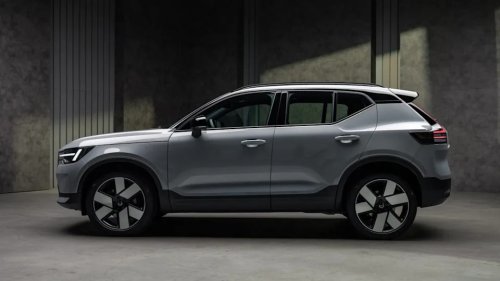
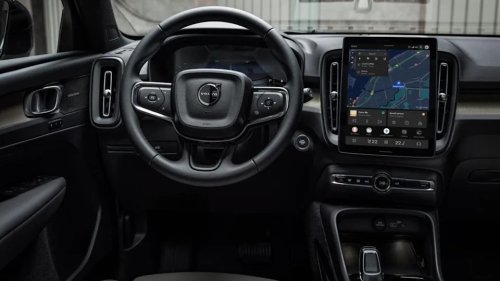
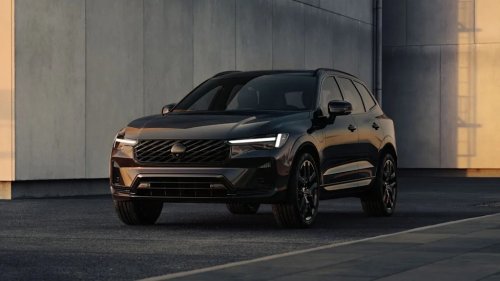
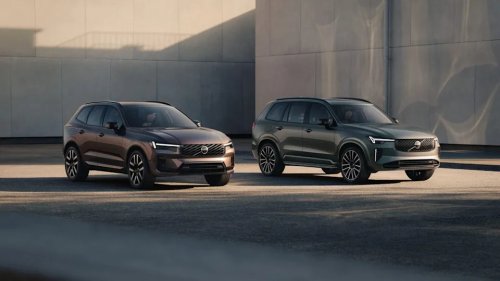
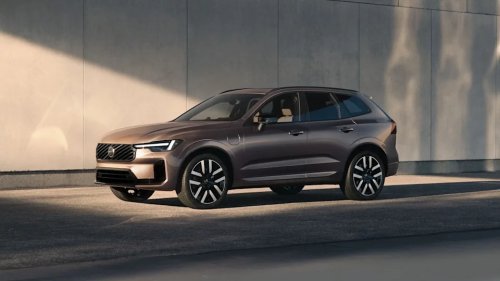
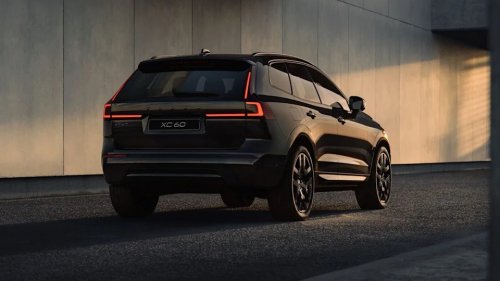
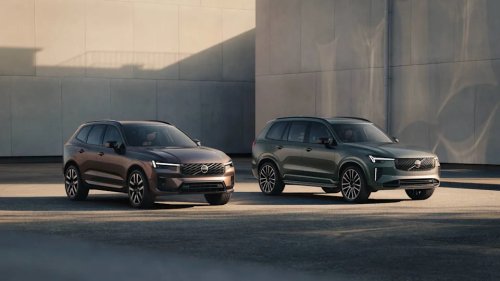
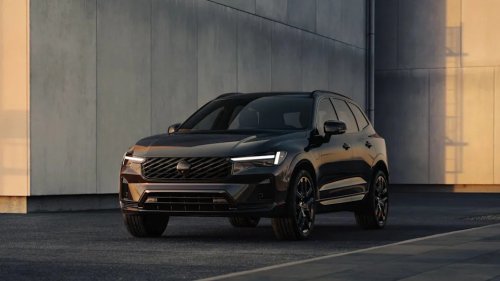
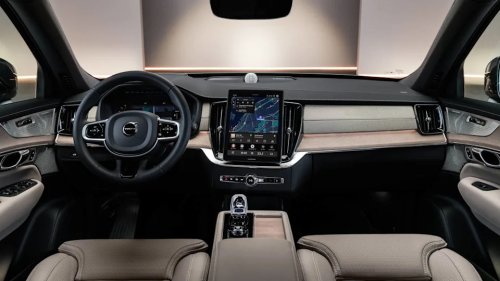
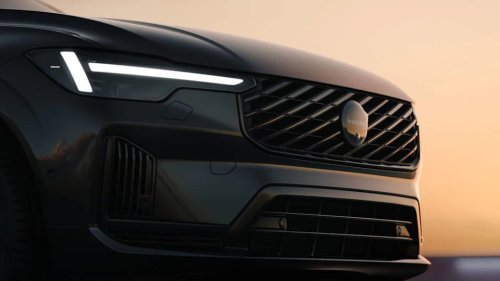
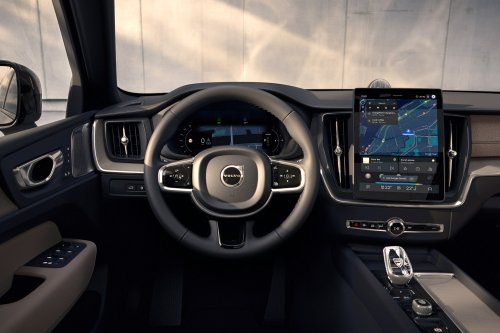
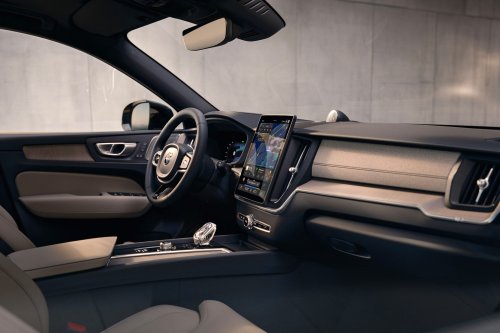
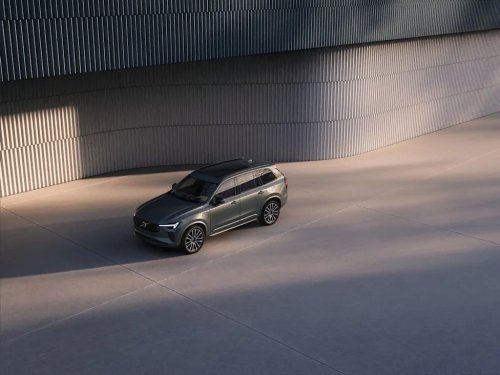
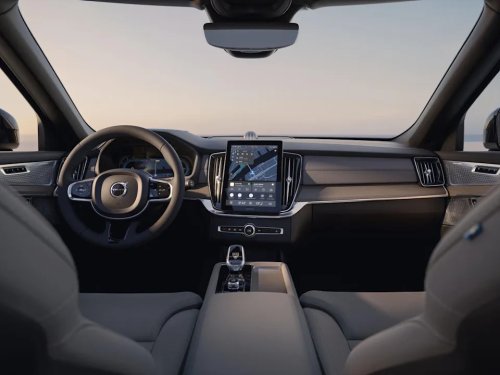
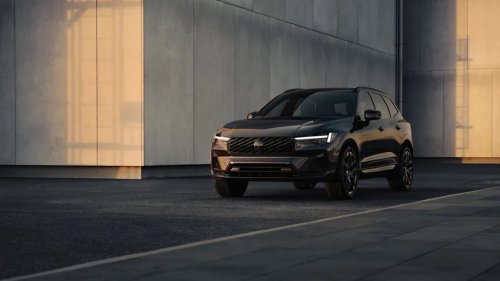
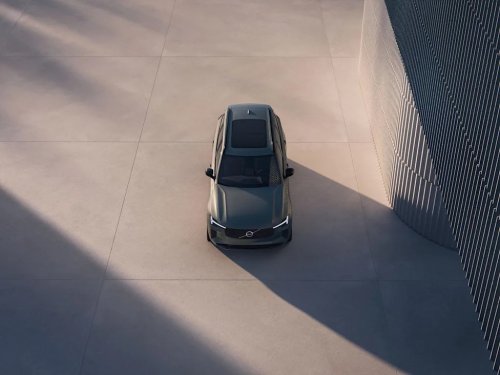
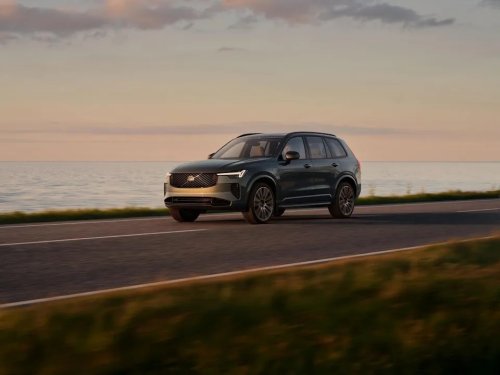
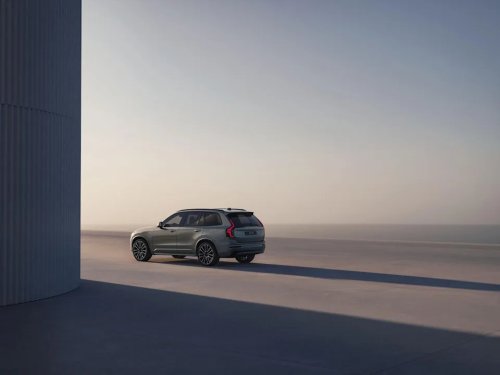
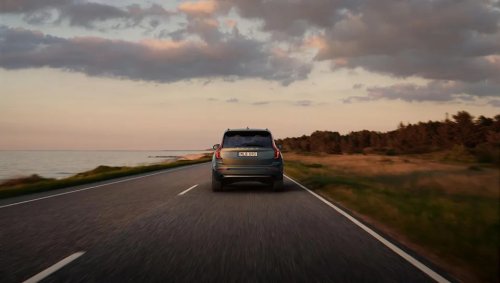
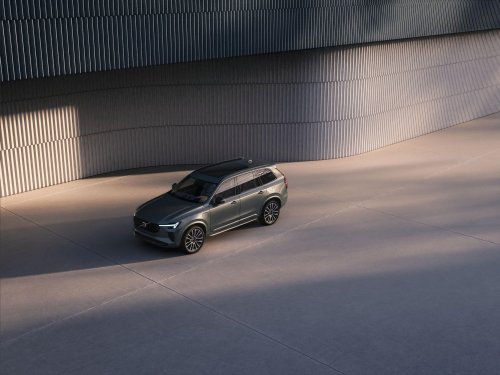
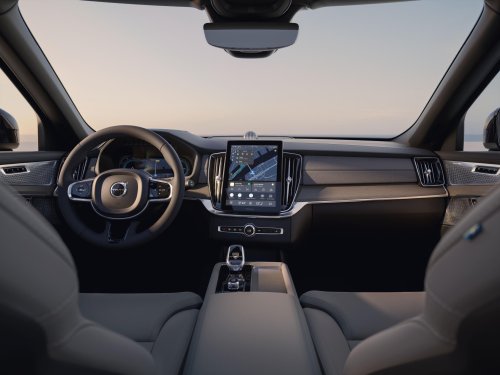
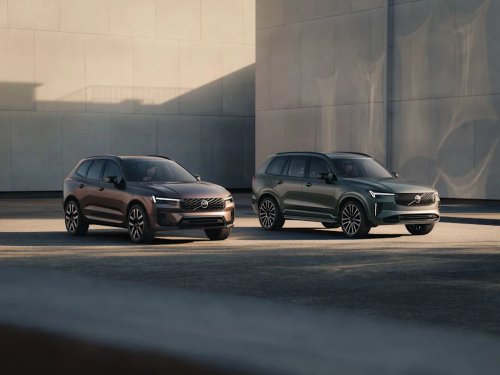
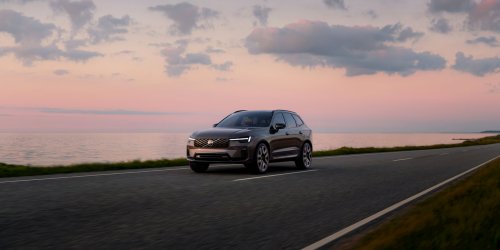
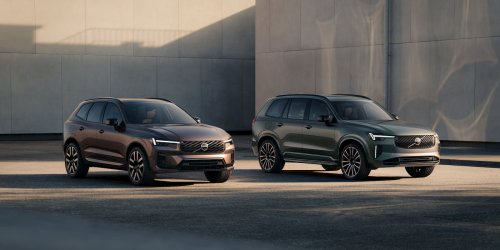
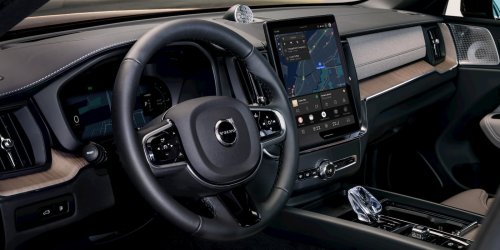
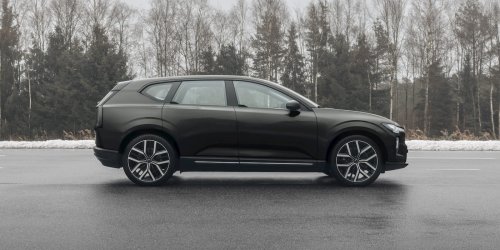
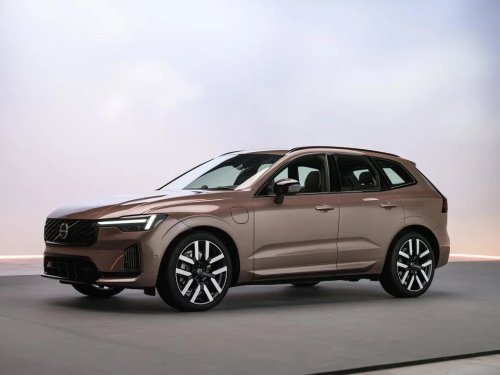
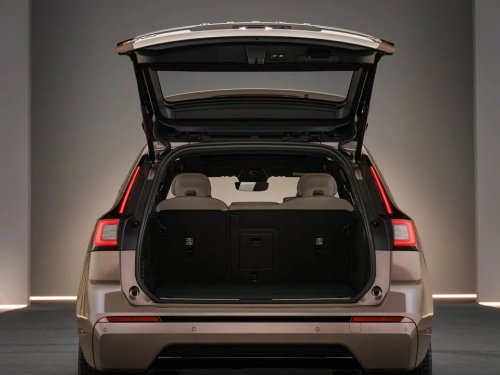
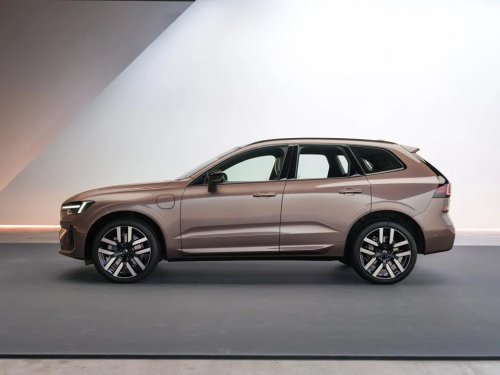
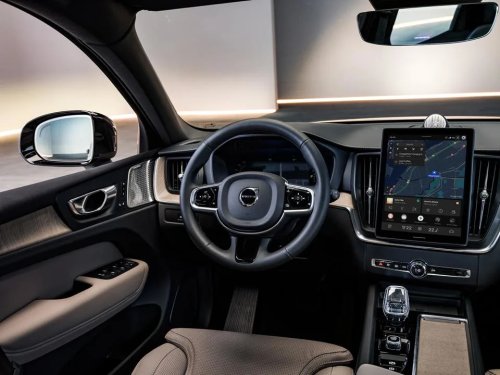
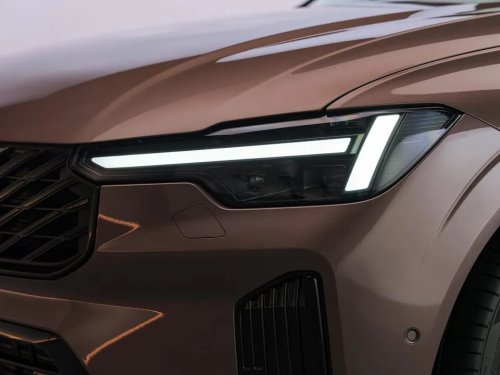
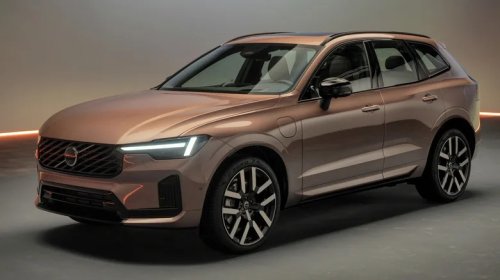
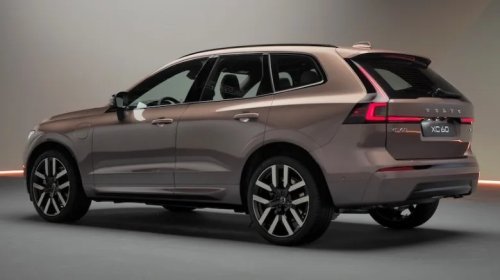
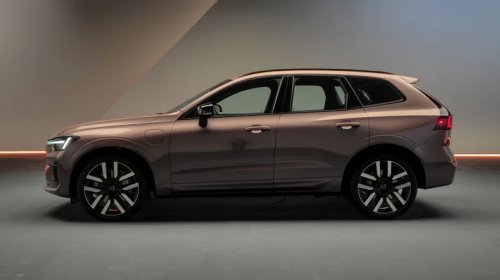
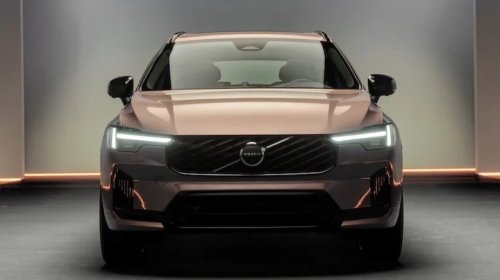
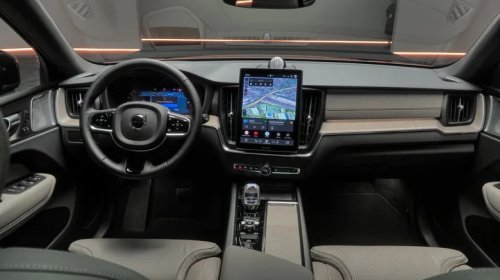
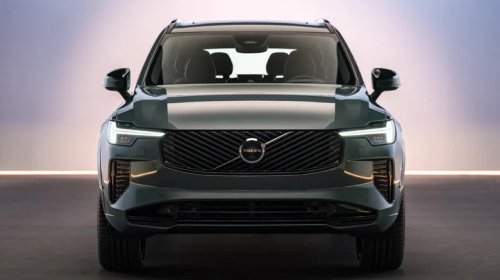
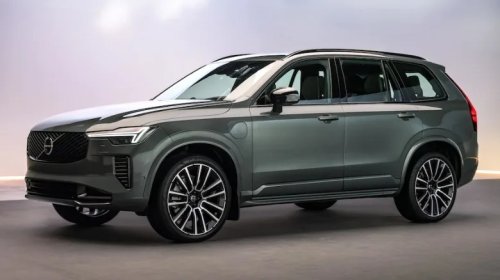
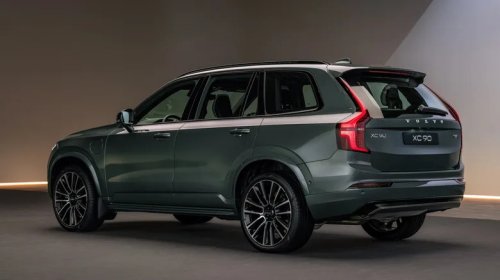
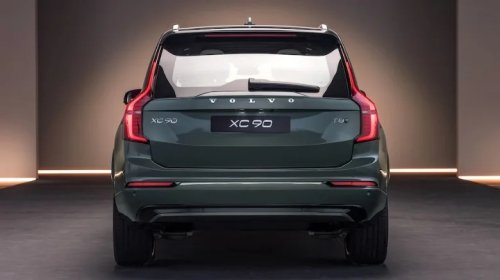
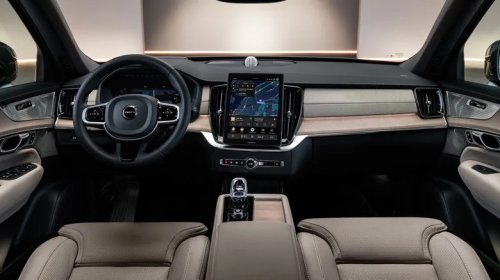
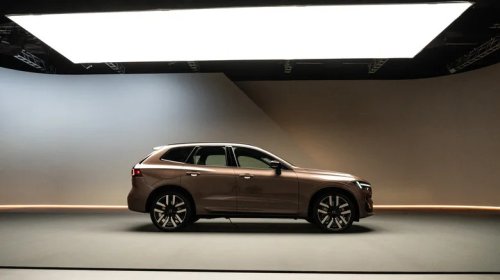
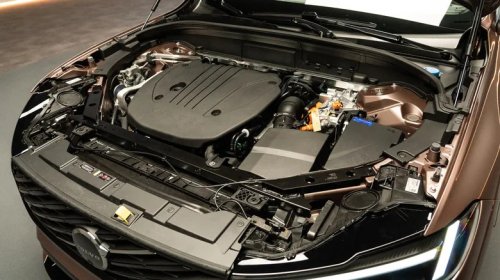
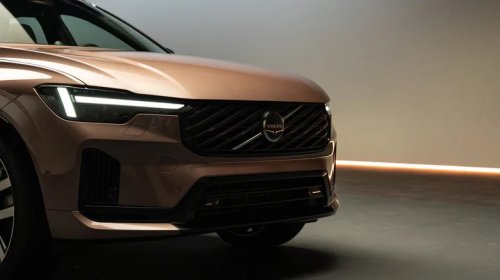
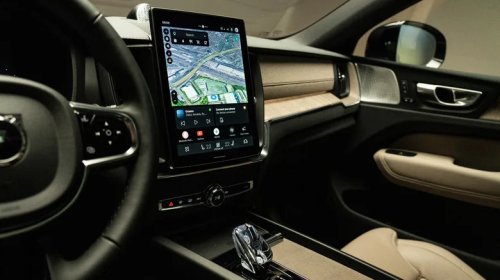
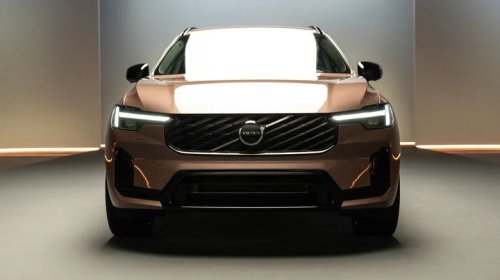
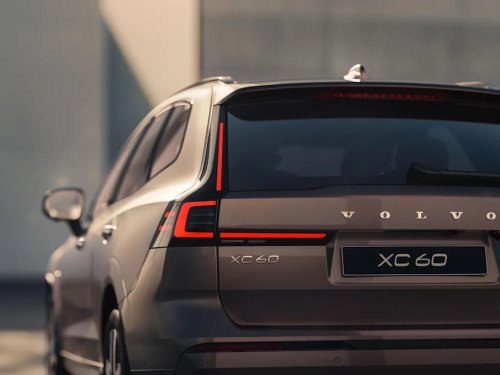
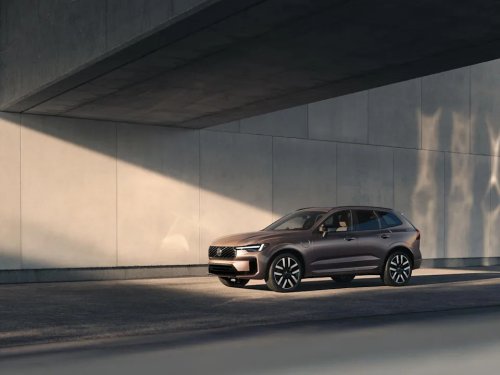
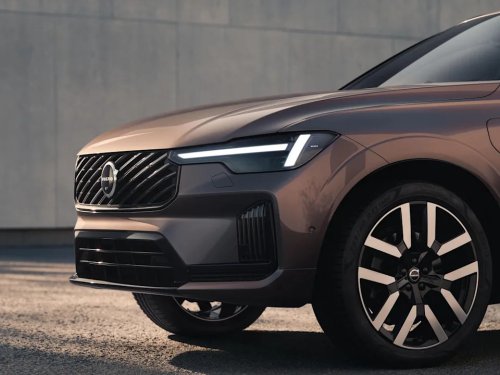
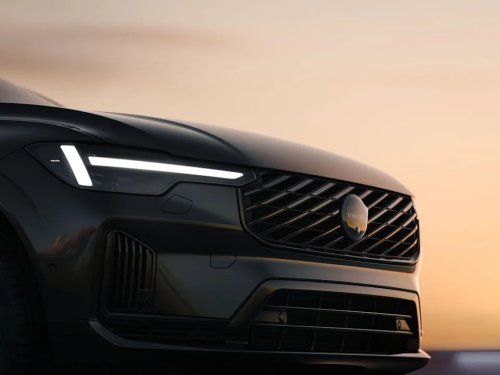
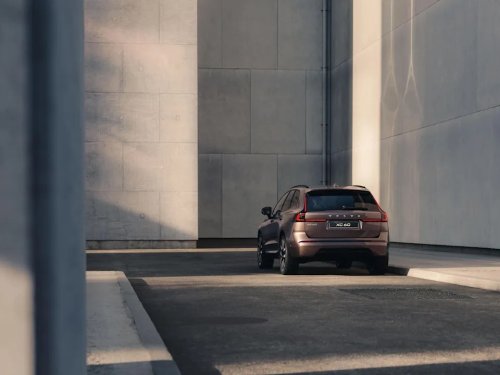
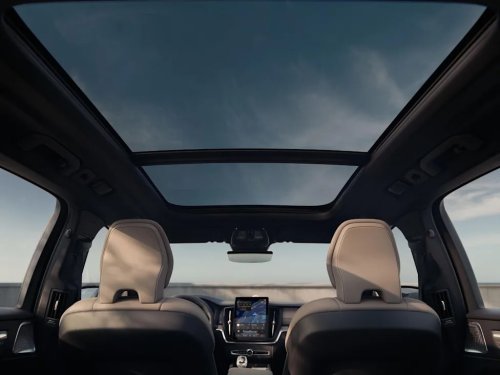
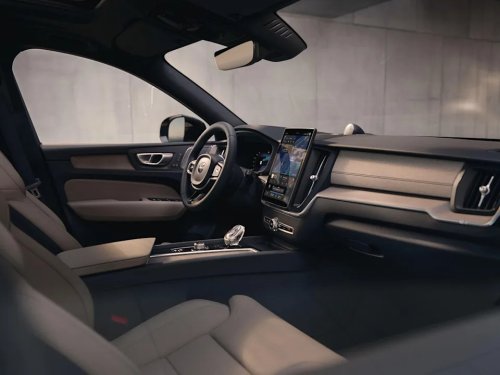
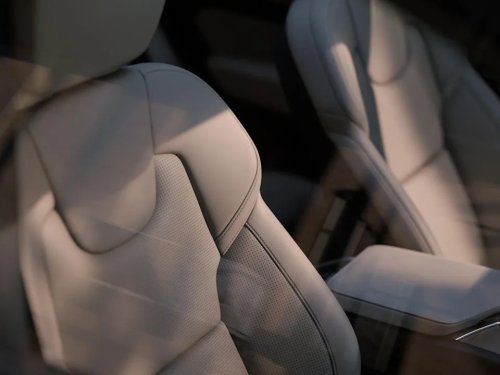
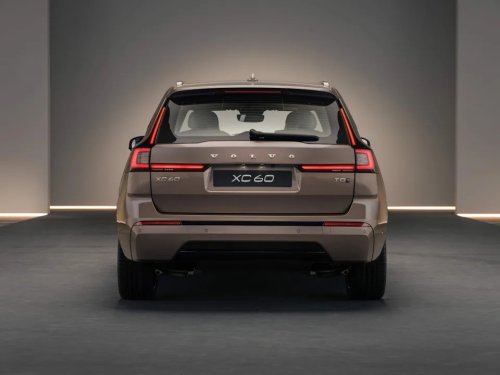
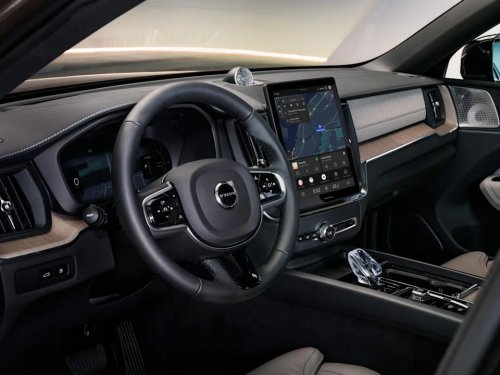
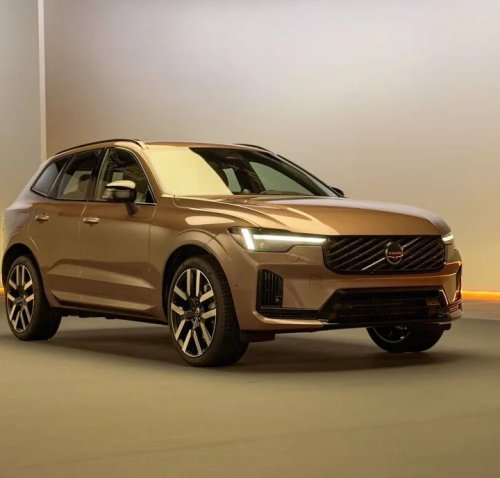
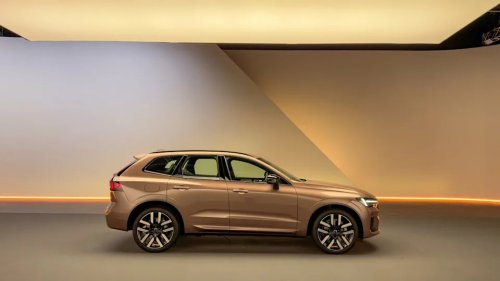
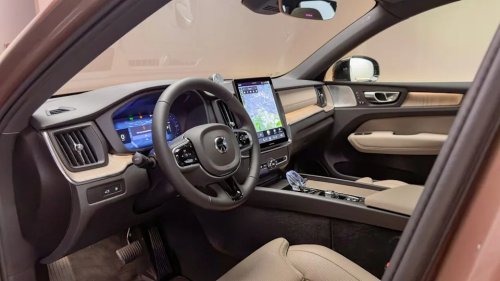
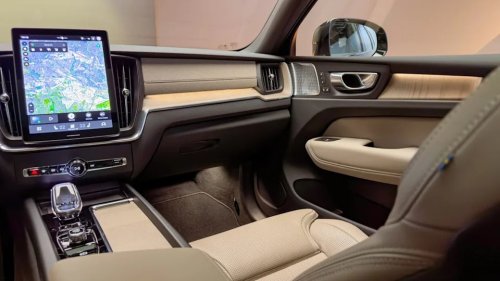
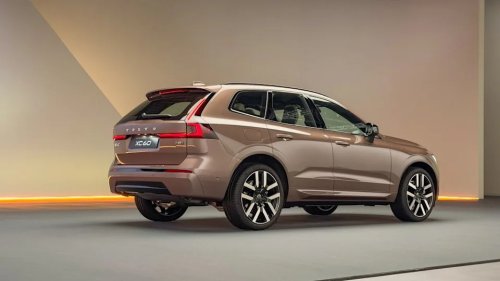
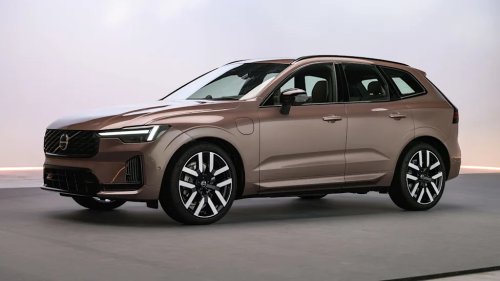
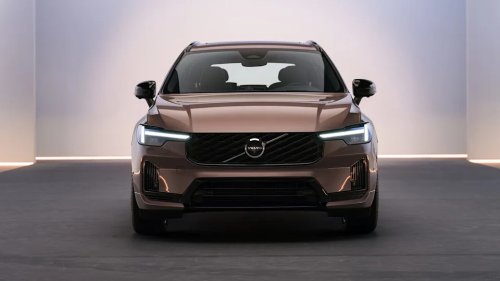
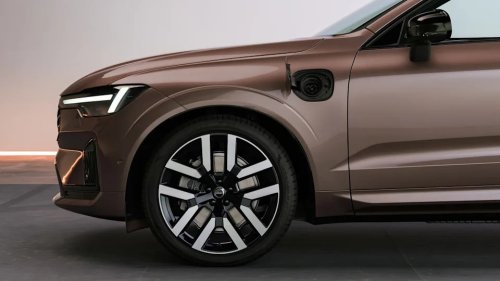
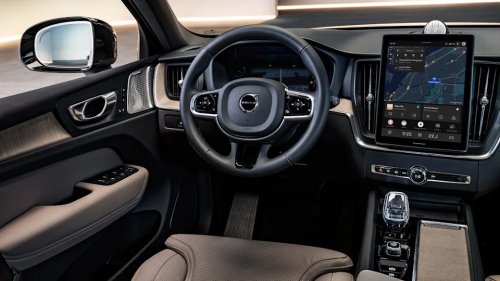
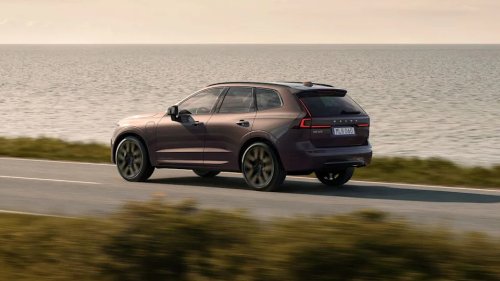
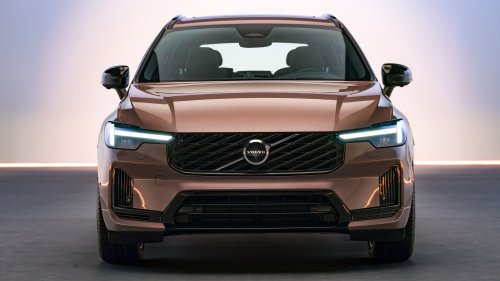
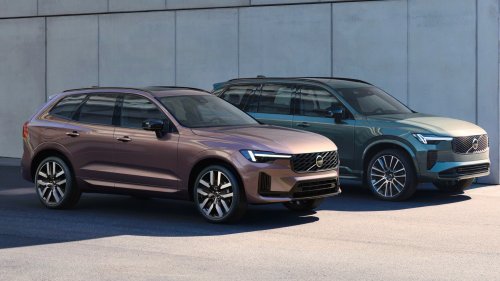
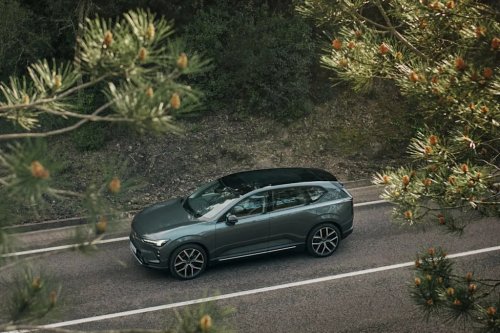
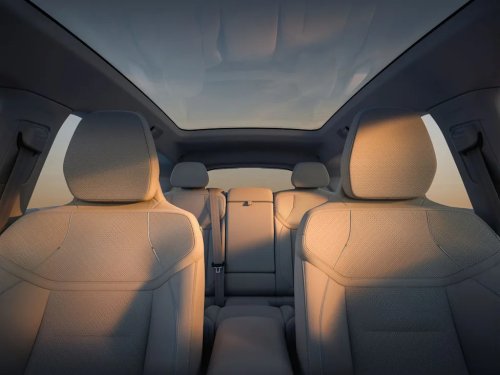
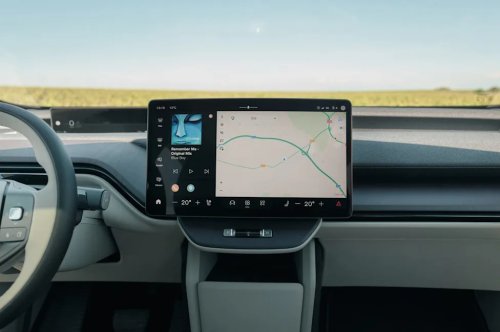
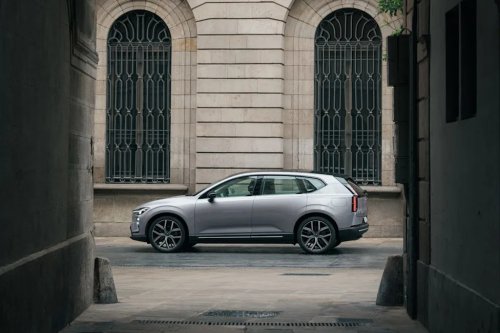
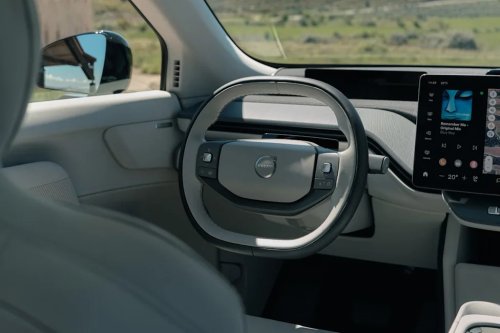
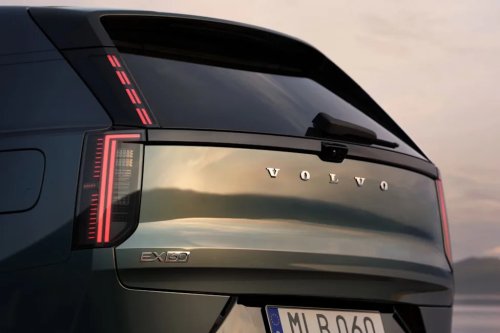
2027 Volvo EX60 Driven: Luxury EV Data CenterVolvo (Volvo)Technology is consuming the world at a furious pace, often with the promise of greater convenience, productivity, and safety. How that's going depends on who you ask. But most automakers will give a vigorous thumbs-up as they stuff their latest vehicles with all the screens and silicon they can muster. Volvo, in billing its 2027 EX60 SUV as a harbinger of the Swedish manufacturer's software-defined future, is no different.A Megabrain on WheelsThe new two-row EX60, which we've just driven through the Spanish countryside near Barcelona, is more than an electric alternative to Volvo's gas-burning XC60. It's a showcase for the brand's new digital ecosystem, highlighted by a new HuginCore central nervous system comprising hardware and software developed both in-house and in conjunction with the likes of Google, Nvidia, and Qualcomm. High-level benefits include more meaningful over-the-air updates during the EX60's lifecycle, plus the optimization of its active-safety arsenal to improve both situational awareness and its ability to tailor responses to front-seat occupants.Volvo (Volvo)Framing this network is Volvo's new SPA3 platform with its 800-volt electrical architecture, which scrums with the EX60's myriad systems to enhance energy efficiency and quicken charging times. Additional advantages are said to relate to packaging and mass reduction, thanks in part to situating the EX60's battery cells in its floor as partial structural elements, rather than as a fully separate pack. Another weight saver is the aluminum megacasting of the vehicle's rear subframe, replacing what would otherwise be more than 100 individual structural components.AdvertisementAdvertisementWhen it launches in the U.S. this summer, the Swedish-built EX60 will join an increasingly crowded segment of electric compact luxury SUVs, including the similarly endowed and proportioned Audi Q6 e-tron, BMW iX3, and Mercedes-Benz GLC Electric. The starter model is the single-motor, rear-wheel-drive P6, which makes 369 horsepower and gets an 80-kWh battery that can fast-charge at up to 320 kilowatts. The dual-motor, all-wheel-drive P10, on the other hand, produces a stout 503 horses and sports a 91-kWh pack that can charge at a max of 370 kilowatts—provided you can find a sufficiently powerful charging station. Wait a little longer, and a 670-hp P12 model with a 112-kWh battery is expected later this year, while a rugged Cross Country variant (in both P10 and P12 tunes) will fill out the lineup as a 2028 model.Volvo (Volvo)Volvo says both the P6 and the P10 can recoup about 160 miles of range in as little as 10 minutes, with a 10 to 80 percent charge requiring 18 minutes (a standard NACS port should make for easy hookups at Tesla Superchargers). Depending on wheel size (20-, 21-, or 22-inchers), EPA range estimates for the P6 are either 295 or 307 miles, while the P10 is rated at either 312 or 322 miles.A Tony Tech LoungeCompared with the XC60, this EV is 3.7 inches longer and rides on a 4.1-inch larger wheelbase. Both Volvos have roughly the same amount of legroom up front; the gas car has a smidge more space in back, though the EX60's second row remains generous, and its low floor helps earn it more headroom throughout. There's 20 cubic feet of cargo volume in the EV's tail, not including a large underfloor storage bin; plus, there's a small frunk. Folding the rear seats down expands the space to 58 cubes.Volvo (Volvo)Like its sleek, chiseled exterior that has an almost wagon-like aura, the EX60's clean and restrained cabin is a study in Scandinavian chic. Fit and finish of the many visually and tactilely pleasing materials is excellent. The fabric-covered dashboard, for example, brings texture and warmth to what is an already inviting atmosphere, balancing some of the more industrial forms. A standard glass roof with optional electrochromic dimming lets in plenty of natural light, while wonderfully supportive front seats will have you deleting your chiropractor's phone number from your contacts.AdvertisementAdvertisementUnsurprisingly, the EX60's processing power is also integral to its new Android-based infotainment system running on the central 15.0-inch OLED touchscreen. Vibrant, sensibly structured, and quick to respond to inputs, it's a massive improvement over the painfully unintuitive interface in other new Volvos. We could do without the integration of Google's Gemini AI chatbot, a gimmicky sidekick with the potential to greatly expand the car's user-data funnel. But its ability to answer random, natural-language queries from the road remains a small (if occasionally cringey) triumph of the modern age.A more practical knock is the EX60's scarcity of physical secondary controls. While not bare-bones spartan—useful buttons and toggles grace its new steering wheel design, and a glitzy volume scrolling wheel decorates the center stack—its climate controls are only accessible via the touchscreen, as are, most frustratingly, adjustments for the HVAC vents.Volvo (Volvo)A Posh Mileage AccumulatorWhile the EX60 may be software-defined, its core trait is refined isolation. It is impressively quiet inside at speed, at least on the pristine pavement of our drive route. The same locale-based caveat applies to its commendable ride comfort, so we'll report back once we get one to test on our familiarly cratered thoroughfares. Aside from motor count, the main mechanical distinction between P6 and P10 models is in their suspension: The P6 gets passive dampers versus the P10's adaptive units, though both covered ground with similarly taut compliance, and the difference between the P10's three firmness settings is negligible.In the real world, most Volvos are as likely to see their handling limit as a tech bro is to end up on welfare. Yet put to moderately spirited use down a good road, the EX60 feels generally unbothered by whatever it encounters, its hefty, low-slung mass anchoring it to the ground like a stubborn weed. Body and wheel motions are well disciplined, and the unusually small and almost ovoid-shaped steering wheel twirls with a quick but remote action. Selecting one of the helm's higher-effort settings does little to improve its feel.Volvo (Volvo)The torque-rich drive motors move these two initial models off the line with respectable verve, if not disorienting haste. Volvo puts the 60-mph time for the base car at a likely conservative 5.7 seconds and the P10's at 4.4. In practice, the P6 feels plenty quick and responsive, and the P10 can easily encounter its 112-mph speed limiter during extended highway merges. With multiple levels of (also touchscreen-selectable) brake regen, including a one-pedal setting and a variable automatic mode, we rarely needed to lay into the EX60's stoppers. When we did, its left pedal felt reasonably firm and free of stutters when friction braking kicked in.AdvertisementAdvertisementPerhaps most impressive is that the EX60's sophistication unlocks at the P6's $59,795 base price, slightly undercutting Volvo's own plug-in hybrid XC60 T8 and likely the German EV competition as well. Yet with the P10's extra range and power costing a mere $2350 more, why not level up? Both versions come similarly well equipped in standard Plus trim, with fancier Ultra models commanding several grand more; some included upgrades, like ventilated front seats, can be optioned on the Plus, but nappa leather upholstery and a booming 28-speaker Bowers & Wilkins stereo with Dolby Atmos tuning are Ultra exclusives. Though its modernist design may polarize as much as the technology it incorporates, the EX60 heralds a mostly compelling future for Volvo.Volvo (Volvo)➡️ Skip the lot. Let Car and Driver help you find your next car.Shop New Cars Shop Used CarsYou Might Also LikeGift Guide: Best Ride-On Electric Cars for KidsFuture Cars Worth Waiting For: 2025–2029



















 +64 others