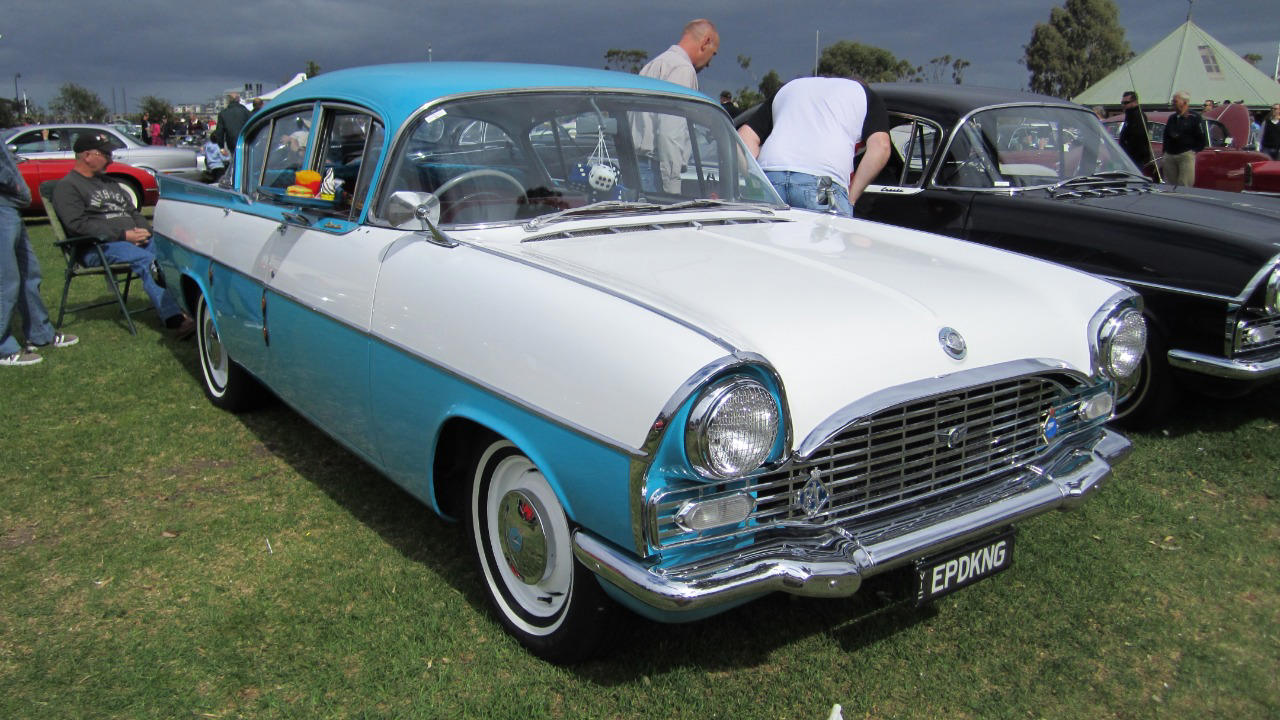


















The 1960 Vauxhall Cresta looks unique but finding parts today can test your patienceThe 1960 Vauxhall Cresta is one of those cars that can stop a conversation at a petrol station. Its tailfins, wraparound glass and American-influenced chrome give it a presence that modern traffic cannot ignore. Living with one in 2026, however, means accepting that every worn trim clip or rusty panel can spark a long hunt for parts and a test of a restorer’s patience. Owners are discovering that while mechanical components can often be sourced with persistence, the Cresta’s distinctive bodywork and brightwork sit in a far thinner supply chain. That imbalance creates a car that rewards planning, networking and a willingness to buy spares before they are needed. Why the 1960 Cresta still turns heads The 1960 Vauxhall Cresta sits in the PA generation, a model line that pushed Vauxhall styling into full transatlantic mode. Its long, low body, panoramic windscreen and tailfins made it look more like a scaled-down American cruiser than a typical British saloon. Surviving examples, including cars showing around 41,000 miles, underline how dramatic the shape remains when restored with fresh paint and correct chrome. Period buyers could choose between engines that grew over the production run. Guides to the PA series highlight the original 2262 cc straight six and a later 2651 cc unit that arrived from 1960, with the larger engine described as usefully more powerful for modern roads and long-distance use, particularly in the heavier Cresta body. The same family of straight six, identified as a 2.2-litre design in earlier E Series Cresta and Velox and related cars, is generally regarded as durable if servicing is kept up. On the road, owners and reviewers often describe the PA Cresta as a “posh” Vauxhall, with more comfort and presence than its Velox sibling. Video reviews such as the IDRIVEACLASSIC feature from Feb, produced in partnership with classic insurer Adrien Flux, have helped reframe the car for a younger audience that associates fins and chrome with Americana rather than provincial Britain. Rust, panels and the hard reality of bodywork The styling that makes the 1960 Cresta so distinctive also creates some of the biggest headaches for restorers. Guides that cover the Vauxhall Velox and Cresta from 1958 to 65 stress that rebuilding a seriously rusted PA or PB shell can be an expensive proposition. The same reporting notes that most panels are very difficult to source even second hand, which immediately raises the stakes when inspecting a potential project. That warning reflects the way these cars rust. The fins, sills, floorpans and lower door sections are all vulnerable, and the complex curves of the rear quarters are not easily replicated. Once corrosion has eaten into the structure around the rear suspension mounts or the base of the windscreen, repair work can quickly exceed the value of the car. Buyers are therefore urged to prioritise sound body shells over mechanical condition, since the engine and transmission are relatively straightforward to rebuild compared with fabricating missing metal. Specialists who deal in Cresta and Velox parts confirm that straight replacement panels are rare. Enthusiasts sometimes rely on donor cars, but the same rust patterns mean that many shells are beyond saving. The result is a market where a single good rear wing or front valance can attract intense interest, and where shipping a panel across continents can appear more sensible than trying to repair a heavily perforated original. Mechanical parts: easier, but not effortless Compared with bodywork, the Cresta’s mechanical side is relatively forgiving. The straight six engine, particularly in its later 2651 cc form, is a conventional overhead valve design that responds well to regular oil changes and sensible use. Buyers are advised to watch for blue smoke from the oil filler cap, which suggests worn valve guides or bores and the likely need for a full rebuild. The good news is that parts for a rebuild remain available from a mix of general classic suppliers and Vauxhall specialists. Dedicated vendors of Cresta car parts list ignition components, suspension bushes, braking hardware and service items that can keep a 1960 car on the road. Another supplier that focuses on the broader Cresta, Velox, Victor and Viva range offers items such as a Float priced at $117.85 for the Zenith 34IV, 34IVE, 36IV, Commer PA PB L/C Van Ford Corsa applications, illustrating how shared components across models and even marques can support the parts ecosystem. New Zealand based stockists add further depth, with catalogues of Vauxhall PA parts that cover gaskets, suspension items and trim pieces. The global nature of this supply chain means that a UK or European owner may find a needed component in Australasia, while an Australian enthusiast might rely on British or Irish sellers for other items. Even so, some mechanical parts are no longer available off the shelf. Owners increasingly refurbish original components or adapt similar items from later Vauxhalls. The balance between originality and practicality becomes a personal decision, particularly where safety-critical systems such as brakes and steering are concerned. Chrome, trim and the agony of small details If rust is the big-ticket problem, brightwork and trim provide the slow-burn frustration. The Cresta’s appeal relies heavily on its grille, bumpers and side mouldings, and these are precisely the parts that are vulnerable to pitting, dents and previous poor repairs. Replacement chrome is thin on the ground, and when it does appear it can be expensive and in need of further refurbishment. Online marketplaces offer a snapshot of availability. Listings for Cresta Velox Front items and Joiner Trims for 1960 to 62 Models, as well as Vauxhall PA PB Etc parts, show that specific pieces do surface. However, the sporadic nature of these listings means that buyers must be ready to act quickly and to accept used items that may still require rechroming. Other platforms show a larger volume of smaller parts. A search for Vauxhall Cresta parts on one Irish marketplace returns 1,100 results, including a RUN ON 95 UNLEADED VAUXHALL CRESTA INTANK UNIT EASY FIT and a Vauxhall Cresta PA Kühlergrill Grill Grille Frontg assembly. The presence of an INTANK UNIT that allows the car to run on 95 octane unleaded petrol highlights how owners mix original and upgraded components to keep their cars usable on modern fuel. Interior trim presents its own challenges. Seat fabrics, door cards and headlinings were never produced in high numbers and have not been widely reproduced. Some specialists can supply reproduction materials based on original patterns, but many restorers commission custom upholstery that nods to the factory style without claiming exact authenticity. Clubs, community and the value of a shared parts bin Given the patchy nature of formal parts supply, the owner community plays a central role in keeping 1960 Crestas on the road. The Vauxhall Cresta Club, described as organised by a small but dedicated group of volunteers, acts as a hub for technical advice and spares. Its contact details, including a phone number and website, are publicly listed on classic car club directories, reflecting a structured approach rather than an informal social group. On social media, the same community promotes events such as the CRESTA CLUB SPARES OPEN WEEKEND. Posts from Jul describe changes to dates and corrections to the postcode for the SPARES OPEN WEEKEND, underlining how seriously the club treats the logistics of moving and distributing parts. For owners, such weekends can be the only realistic way to find rare trim, glass or mechanical components that are not commercially available. The club’s role extends beyond parts. New owners benefit from buying advice that echoes the themes found in published guides: check for structural rust, budget for chrome work and do not underestimate the cost of missing interior pieces. For many buyers, joining the club before purchase is as important as arranging an inspection, since access to the club’s spares and knowledge base can make the difference between a viable project and a stalled shell. International specialists and cross-model compatibility While the Cresta was a British car, its survival in 2026 depends on a global network. Australian and New Zealand suppliers stock a surprising range of Vauxhall parts, partly because these cars sold in meaningful numbers in those markets and partly because shipping heavy items has become more manageable for enthusiasts. One Australian based business that specialises in older Vauxhalls lists a dedicated section for Cresta, Velox, Victor, parts. The catalogue covers items such as suspension bushes, brake cylinders and engine ancillaries, and it also highlights how components for the Vauxhall Victor can overlap with Cresta requirements. The separate listing that references Other parts for the Vauxhall Victor, including the Float at $117.85 for the Zenith 34IV, 34IVE, 36IV, Commer PA PB L/C Van Ford Corsa applications, illustrates how shared suppliers like Zenith helped spread parts across multiple models. New Zealand’s stock of Vauxhall PA components offers another lifeline, particularly for owners in the southern hemisphere. The presence of gaskets, bearings and trim clips in the Vauxhall PA category shows how these cars still justify shelf space in specialist warehouses, even if volumes are modest compared with mainstream classics. As a result, buyers are learning to think laterally. Components from related cars such as the Velox and Victor often fit the Cresta with minor adaptation, and some owners accept parts from other marques where safety and function trump originality. The shared straight six architecture across E Series Cresta and Velox and later PA models, highlighted in technical guides, encourages this cross-pollination. What the market and guides say about buying one Buying guides for the Vauxhall Velox and Cresta from 1958 to 65 consistently present a mixed picture. On one hand, the cars are praised for their style, comfortable ride and character. On the other, the same guides warn that serious rust and scarce panels can turn a cheap project into an expensive marathon. The phrase “most panels are very difficult to source even second hand” appears repeatedly in discussions among specialists and is echoed in formal guides that cover the model range. Technical advice is equally clear. Prospective buyers are told to check for blue smoke from the oil filler cap, which points to worn valve guides or bores and the likelihood of a full engine rebuild. They are also reminded that the straight six, when maintained according to the servicing schedule, is capable of long service. The key is to distinguish between a tired but serviceable engine and one that has been neglected. Other mechanical checks include the usual classic car basics: play in the steering, effectiveness of the drum brakes and condition of the suspension. The guides also mention the Engine section in some detail, noting that the 2262 cc unit was rated at 82 bhp and 124 lb ft, while the 2651 cc engine offered more torque and better cruising ability. For a 1960 Cresta, which may have been built with the larger engine, that extra flexibility can make the difference between a car that feels strained and one that can keep pace with modern traffic. More from Fast Lane Only Unboxing the WWII Jeep in a Crate 15 rare Chevys collectors are quietly buying 10 underrated V8s still worth hunting down Police notice this before you even roll window down The post The 1960 Vauxhall Cresta looks unique but finding parts today can test your patience appeared first on FAST LANE ONLY.