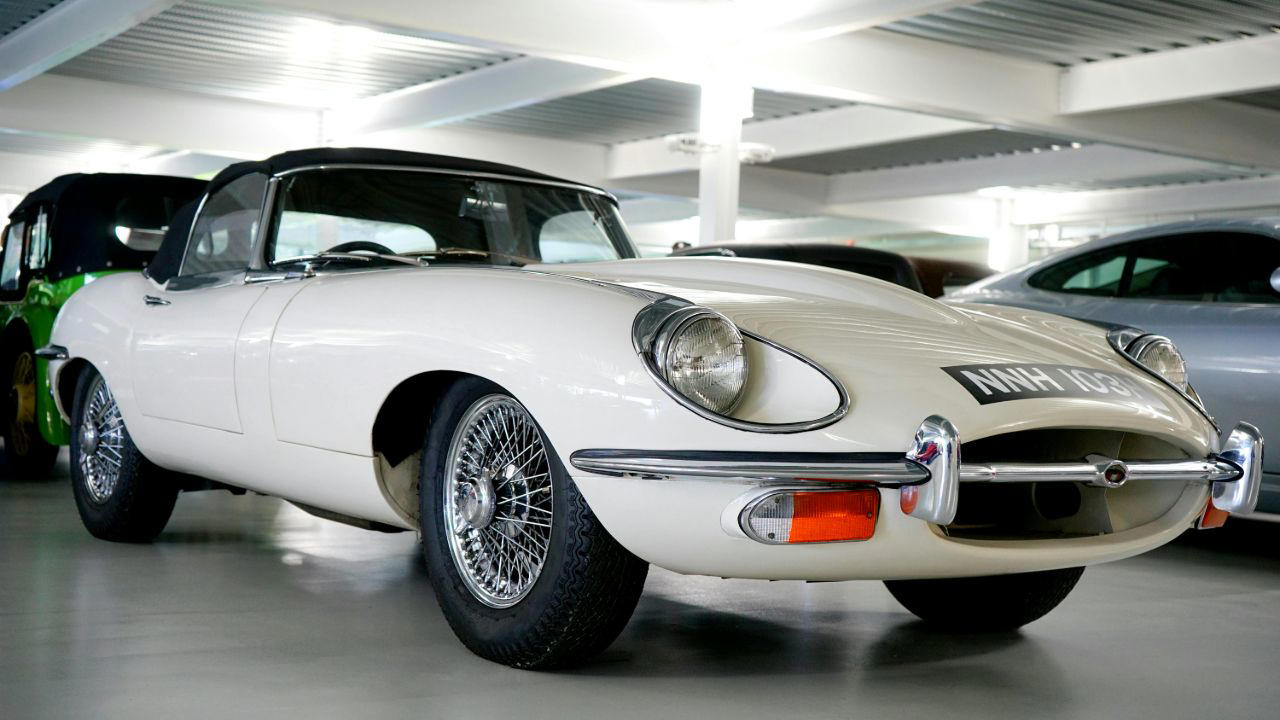
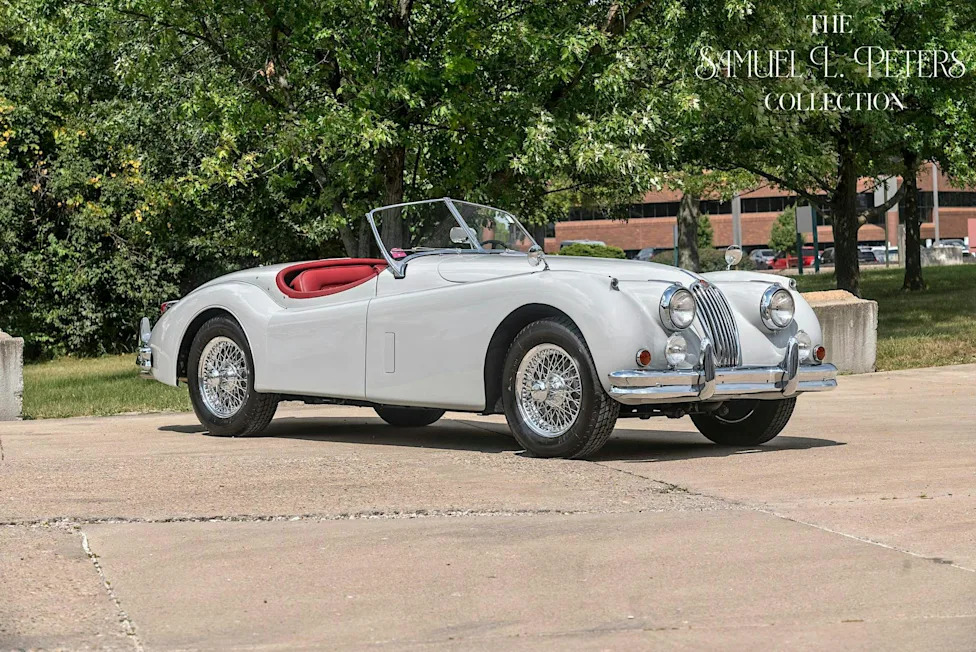
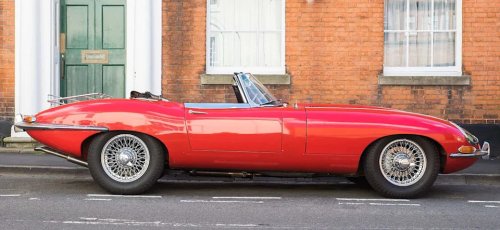
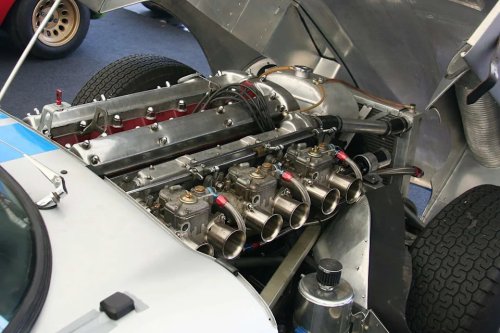
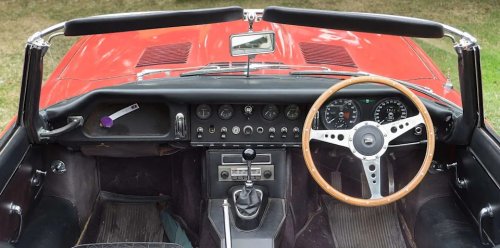
Thinking about a 1961 Jaguar E-Type here’s why some owners say it tests your patienceThe 1961 Jaguar E-Type still has the power to stop conversations mid-sentence. Its long bonnet, delicate glasshouse and race-bred stance made The Jaguar an instant icon, and that shape still defines what many people think a classic sports car should be. Yet for all the beauty and legend, owners of early cars quietly admit that living with one can be a test of patience as much as a celebration of style. From fragile bodywork and intricate subframes to fiddly electrics and heat-soaked cabins, the first E-Type asks its keeper to accept quirks that modern sports cars ironed out decades ago. For drivers considering a 1961 example, the appeal is obvious, but so are the compromises. The Geneva shock and the myth that followed The story usually starts at Parc des Eaux-Vives in Geneva, where a gunmetal grey coupe arrived late in the afternoon and rewrote expectations of what a British sports car could look like. That first public appearance created a myth of glamour and speed that still surrounds the model, especially the earliest 3.8-liter cars that collectors chase hardest. Footage that recreates that moment in Geneva shows how the E-Type’s shape and performance instantly overshadowed rivals, and that aura still drives demand for the earliest chassis numbers. A detailed video on the 1961 production paints a picture of a car born in a rush of excitement and pressure, which helps explain why some period compromises remain baked into the design. Owners who buy into that origin story often expect a flawless jewel. What they get instead is a 1960s machine that needs careful set-up, sympathetic driving and regular attention if it is to live up to the legend without becoming a source of remorse. Beauty with a complicated skeleton Under the surface, the early E-Type is far from simple. The front of the car is built around a tubular subframe that carries the engine, suspension and steering, bolted to a monocoque central tub. That architecture helped keep weight down and stiffness up, but it also created a patchwork of panels and joints that can corrode, distort or simply be assembled badly if previous repairs were rushed. Specialist guides point out that parts supply for The Jaguar is excellent, yet they also warn that the E-Type’s complicated structure can send a restoration budget spiralling. One assessment notes that Parts supply is, but that intricate skeleton means the list of items required can escalate quickly once a car is stripped. The challenge is not only the quantity of components but the precision needed to align them. If the front frames are even slightly out, panel gaps wander, doors do not shut properly and the car can feel nervous on the road. Buyers who assume any shiny 1961 coupe is structurally sound risk inheriting a beautiful but fundamentally crooked project that will drain time and money. Rust: the slow-motion enemy Rustproofing was not a high priority in period. One detailed buying guide on early cars states bluntly that Rustproofing was not the high priority and that the bodywork was not particularly well protected against corrosion. That assessment is repeated across multiple sources that track the model’s weak points. Advisers urge prospective owners to scrutinise the sills, floorpans and rear wheel arches, along with the complex junction where the sill meets the floor. One specialist recommends that buyers Make sure to specifically around the rear wheel arches and that critical sill-to-floor join, because repairs in these areas are time consuming and expensive. Under the bonnet, corrosion has favourite hiding places. A technical guide from a parts supplier highlights a known problem area in the sheet metal under the battery, where Its support plate has a drain that should be connected to a hose. When that hose is missing or blocked, acidic fluid and moisture can sit in the tray and quietly eat through the metal, leaving a 1961 car with serious structural issues hidden under a shiny engine bay. Owners who catch rust early and invest in proper repairs can stabilise the situation. Those who ignore bubbling paint or uneven panel gaps often discover, too late, that the car’s glamorous silhouette was hiding major surgery. The XK engine: strong heart, fragile peripherals At the centre of the 1961 E-Type sits the long-lived XK straight six, an engine that had already proved itself in racing and saloon cars. Contemporary and modern assessments agree that the unit is fundamentally tough. One detailed review notes that the 1961 to 1971 E-Type’s iconic XK unit is renowned for its durability as long as it is looked after and is Capable of high mileages when maintained properly. Another buyer’s guide describes the long-lived, much-loved XK six-cylinder as a very highly regarded unit regardless of displacement, and singles out the 3.8-liter version used in early cars as particularly desirable for collectors. That same guide from Sep explains that the engine’s reputation is built on robust internals rather than on carefree ownership. The patience test comes from the supporting systems. Cooling margins can be slim in traffic, especially in hot weather, and tired radiators or clogged waterways quickly lead to overheating. Ignition components and carburettor settings need to be correct if the car is to start easily and run cleanly. A technical resource on ignition for classic Jaguar engines, linked from a broader Jaguar Type Buying, explains how weak sparks and worn distributors can make these engines feel temperamental when the underlying mechanicals are still strong. Owners who accept that the XK needs regular oil changes, valve clearance checks and cooling system maintenance tend to report reliable service. Those who treat it like a modern sealed unit often discover that neglect is repaid with leaks, misfires and short tempers. Electrics, plumbing and the underbonnet reality If there is a single area where the E-Type can truly test its keeper, it is the jumble of wiring, hoses and linkages under that vast bonnet. One owner on a long-running forum described their underbonnet situation as a disaster, adding that Hardly anything is connected to anything else. That comment was not a criticism of Jaguar’s original design so much as a verdict on decades of piecemeal repairs. The early cars rely on a mix of Lucas electrical components, multiple relays and a web of vacuum and fuel lines. When new, it all worked well enough. After sixty years of bodged fixes, mismatched parts and creative wiring, many cars need a methodical rebuild of their engine bay plumbing to restore reliability. Specialists advise that buyers budget for a full service and inspection immediately after purchase, even if the car appears to run well. A detailed buyer’s guide notes that if an E-Type is well maintained and regularly used, it will be robust and reliable, but that it will need a service every year or more often if mileage is high. That annual attention is not optional if the car is to avoid the kind of cascading faults that leave owners stranded at the roadside. Cabin compromises and driving manners The E-Type’s interior is one of its most photographed features, with toggle switches, deep bucket seats and a thin-rimmed steering wheel that looks like it came straight from a racing pit lane. Living with it is more mixed. Owners of early 1961 cars often mention heat soak from the transmission tunnel, limited ventilation and a driving position that can feel cramped for taller drivers. One enthusiast writing about The Jaguar from 1961 recalled that it still can run on our roads and described a red example as a damn sexy-looking car. But that same recollection added that But it is very hot and not especially comfortable in slow traffic. That tension between beauty and compromise is a recurring theme among people who use these cars regularly rather than keeping them as static art. On the move, a well set-up 1961 E-Type can feel alive and precise, with strong brakes for the era and impressive grip. However, the car’s age shows in heavy steering at parking speeds, a gearbox that rewards deliberate shifts and suspension that needs regular bushing and alignment checks to stay sharp. Buyers who expect modern refinement from a car designed in the late 1950s may find the experience charming for a weekend, then tiring in daily use. Maintenance discipline versus romantic impulse Almost every expert guide on the model makes the same point. A 1961 E-Type can be a reliable companion if it is driven regularly and maintained to a high standard. One respected overview explains that if an E-Type is well maintained and regularly used, it will be robust and reliable, but that it will need a service every year and sometimes more often. That rhythm of care is where some owners struggle. The car rewards routine attention with dependable performance. Allow the service intervals to stretch, or let small issues slide, and the car starts to push back. A misaligned throttle linkage leads to uneven idle, a small coolant leak becomes an overheating scare, a slightly noisy diff turns into an expensive rebuild. Enthusiasts who treat the car as a long-term commitment often build relationships with specialists who know the model intimately. Companies linked from guides on The Jaguar Type Five Things You Need To Know, such as SE Jags, focus on this kind of detailed, model-specific care. For owners, that means factoring in not just parts and labour but also the time and logistics of getting the car to people who understand its quirks. When a “garage find” is both dream and warning The fantasy that many enthusiasts carry involves finding a 1961 coupe sleeping under dust in a quiet garage. A recent video chronicling such a discovery shows a car that had been meticulously looked after by a fastidious owner, with original details intact and mechanicals preserved. The presenter describes arriving in Sep to pick up a car that is something special, a rare example of what careful stewardship can achieve. That same clip, hosted at Garage Find, also serves as a quiet warning. The reason the car is so impressive is that it avoided the neglect and corner-cutting that afflict many E-Types. For every immaculate survivor, there are several tired cars that wear shiny paint over tired metal, with histories that stop and start as owners lost interest or ran out of money. Buyers who chase the cheapest entry point into E-Type ownership often end up where one forum poster did, facing an underbonnet disaster and a long list of jobs. Those who pay more for a documented, well maintained 1961 car may feel the sting upfront but usually enjoy a smoother relationship afterward. The specialist ecosystem that keeps them alive One reason the E-Type remains so usable is the ecosystem that has grown around it. Parts catalogues are extensive, and there are firms that focus almost entirely on this model and its close relatives. A technical and historical resource at williamheynes.com, for example, reflects the depth of interest in the engineering behind The Jaguar Type and its derivatives. More from Fast Lane Only Unboxing the WWII Jeep in a Crate 15 rare Chevys collectors are quietly buying 10 underrated V8s still worth hunting down Police notice this before you even roll window down The post Thinking about a 1961 Jaguar E-Type here’s why some owners say it tests your patience appeared first on FAST LANE ONLY.