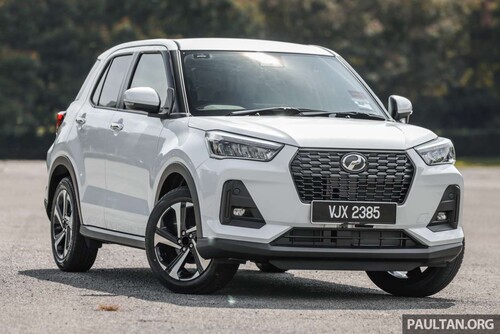
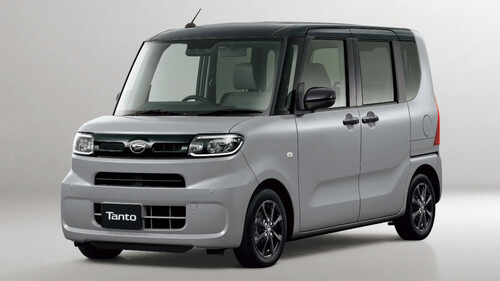
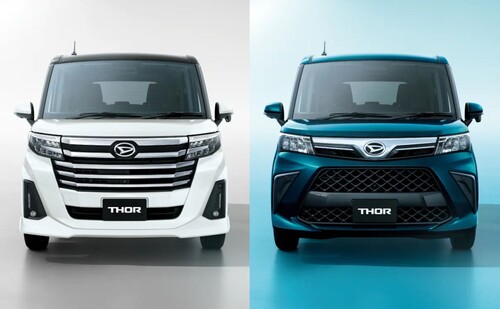
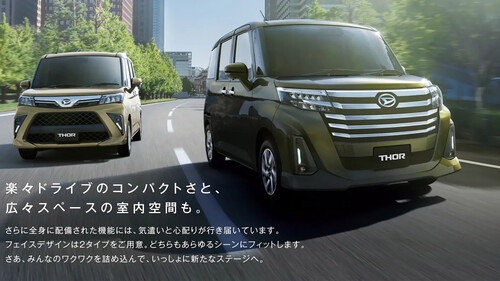
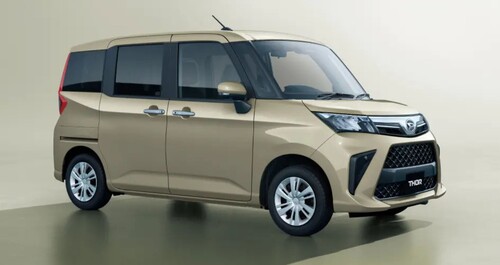
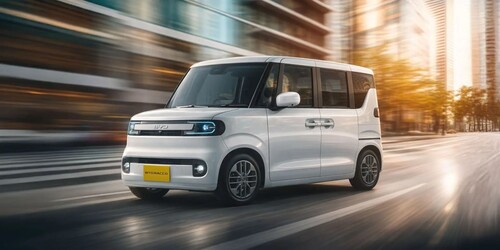
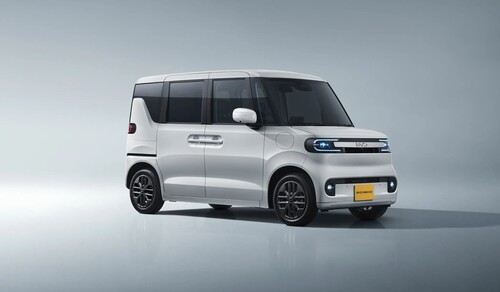
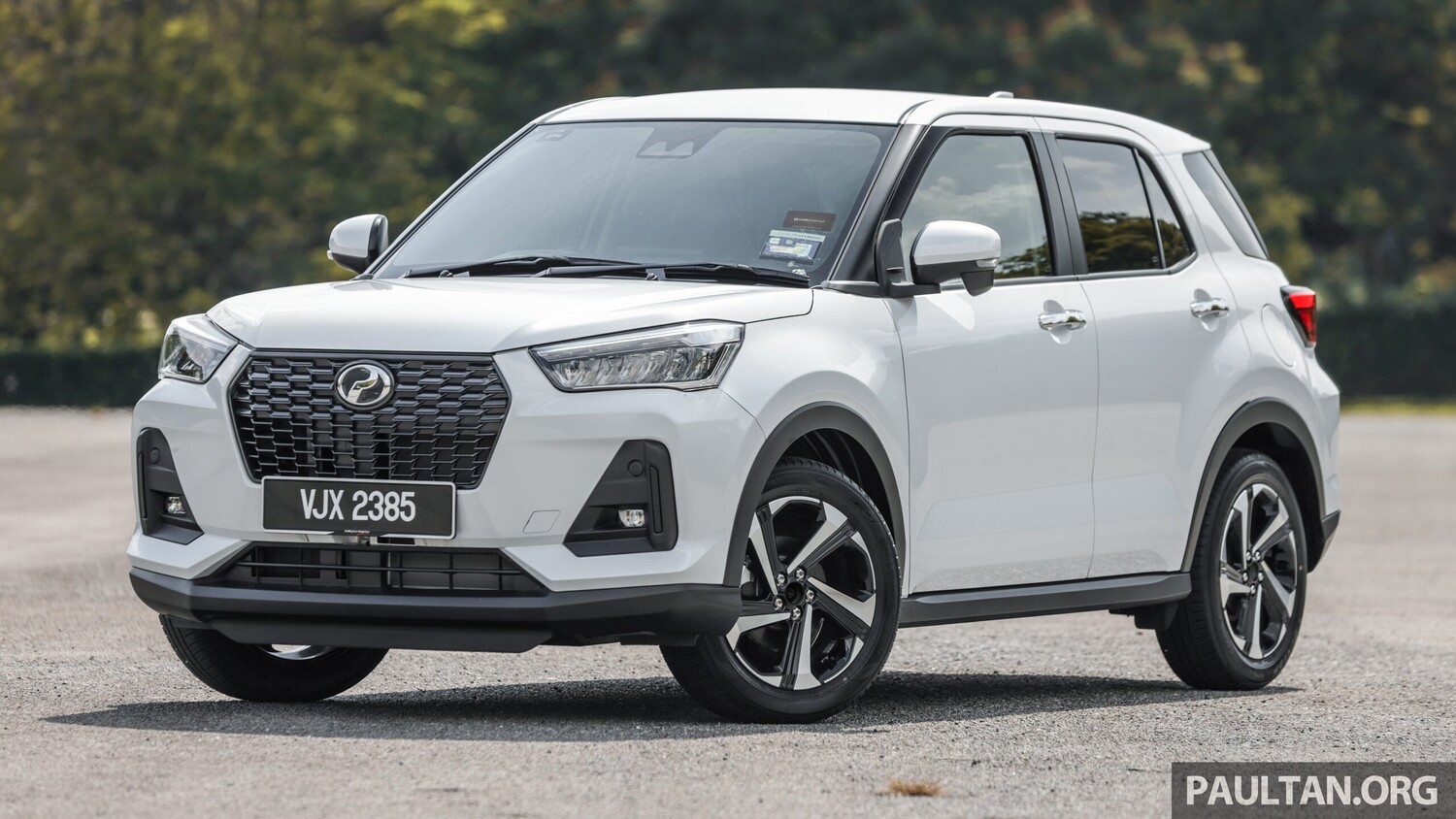
Henry Côté · 8 months ago@henrycote50New Perodua Myvi will be a unique Malaysian design, but Daihatsu will rebadge it for exports – hybrid likely Liked by+34 othersCarsPost commentRelated PostsSuzuki’s Updated $8,400 Manual Box On Wheels Is The Ultimate Kei Van 45 · Caleb Johnson · 5 months agoChevrolet Impala, Suzuki Jimny, Volkswagen Karmann Ghia: The Dopest Cars I Found For Sale Online 68 · Olivia Hill · 5 months ago24 totally charming cars 58 · Alexander Leblanc · 5 months agoKia Is Taking An EV Van Into A Market Foreign Automakers Rarely Crack 45 · Ryan Lavoie · 5 months agoPerodua Ativa Hybrid finally confirmed for Malaysia, 4 years after CBU subs trial – full local production, sales 25 · Mia Macdonald · 5 months ago20 very angry-looking cars 37 · Olivia Lewis · 5 months ago2026 Toyota Yaris Cross launching in Malaysia soon – twin to Perodua Traz; will we get a hybrid option? 66 · Olivia Hill · 6 months agoObscure fast cars you’ve (probably) forgotten all about 30 · Madeleine Lewis · 6 months agoThe most obscure SUVs ever made 77 · Lily Girard · 6 months agoWhat is a kei car? History, rules, and buying guide 16 · Ethan Mitchell · 6 months agoMITI issues statement on BYD CKD topic – open to all Chinese brands, floor price is RM100k, not RM200k 28 · Lily Lavoie · 6 months agoChevy SS, Daihatsu Mira walkthrough, Honda Civic ute: The dopest cars I found for sale online 55 · Evan Leblanc · 7 months agoPerodua Bezza to soldier on in current form until 2030, as no new model is planned in the near future – PCEO 50 · Henry Carter · 8 months agoToyota Vios Hybrid in Malaysia – 111 PS, 27.8 km/l, CKD battery, HEV and GR Sport, RM104k to RM110k 21 · Caleb Roy · 8 months agoForza Horizon 6 Gameplay Trailer: 550 Cars, A Huge Japan Map, And Even Touge Battles 71 · Jenna Nelson · 9 months agoHoney, I shrunk the JDMs! 4 kei cars reimagined as mini JDM legends at Tokyo Auto Salon 2026 67 · Owen Girard · 9 months agoStrange, obscure & often forgotten badge-engineered cars 34 · Emma Morgan · 9 months agoToyota Officially Spins Off Gazoo Racing As A Standalone Performance Brand 15 · Victoria Harris · 9 months ago2026 Perodua Traz launched in Malaysia – Toyota Yaris Cross B-SUV twin, 1.5L NA CVT, X/H variants, fr RM76k 67 · Camille King · 10 months agoPerodua QV-E launched – first homegrown EV, Magna Steyr input, 0-100 7.5s, 445 km NEDC range, RM80k 38 · Lily Campbell · 10 months ago




 +34 others