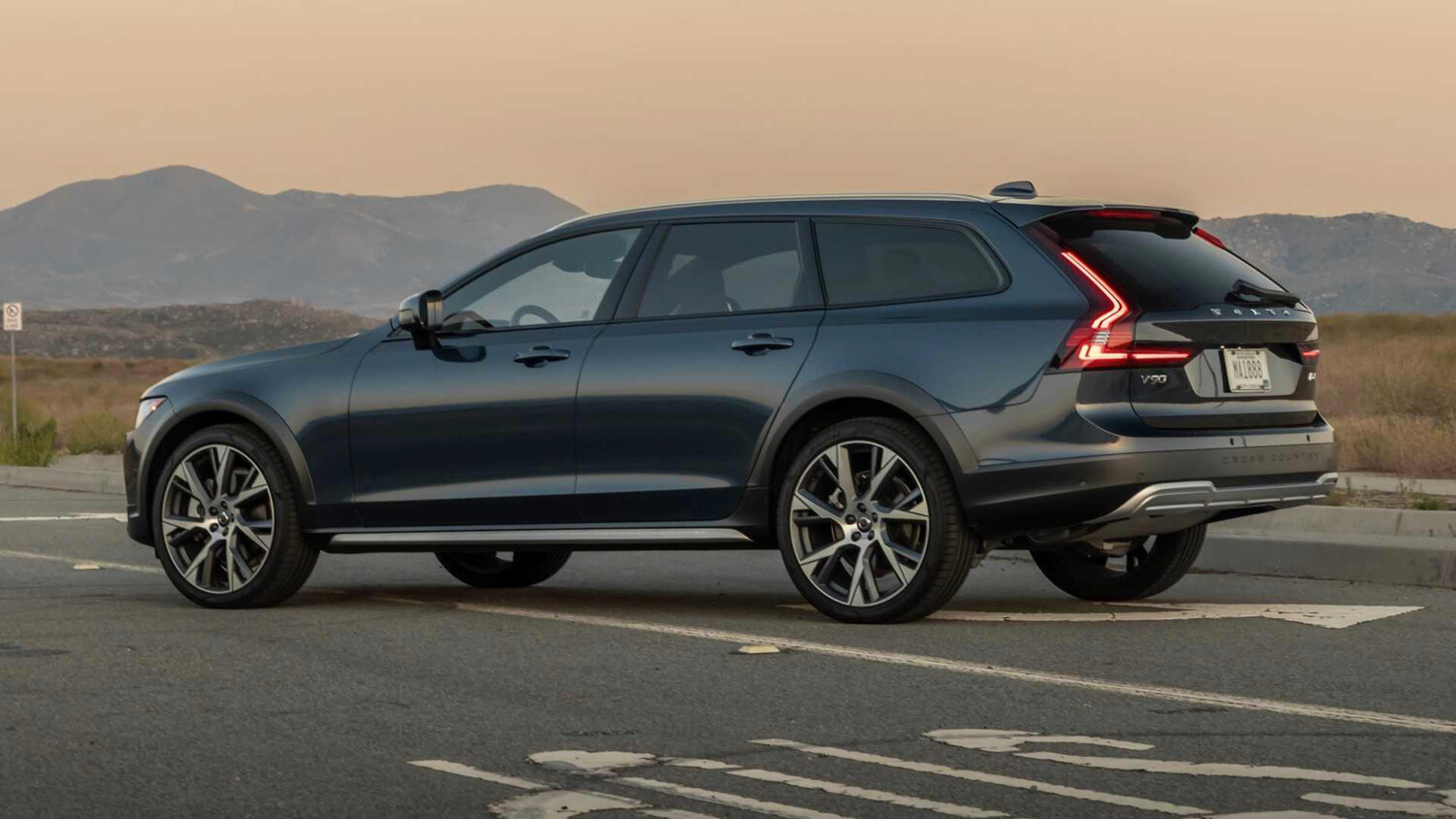
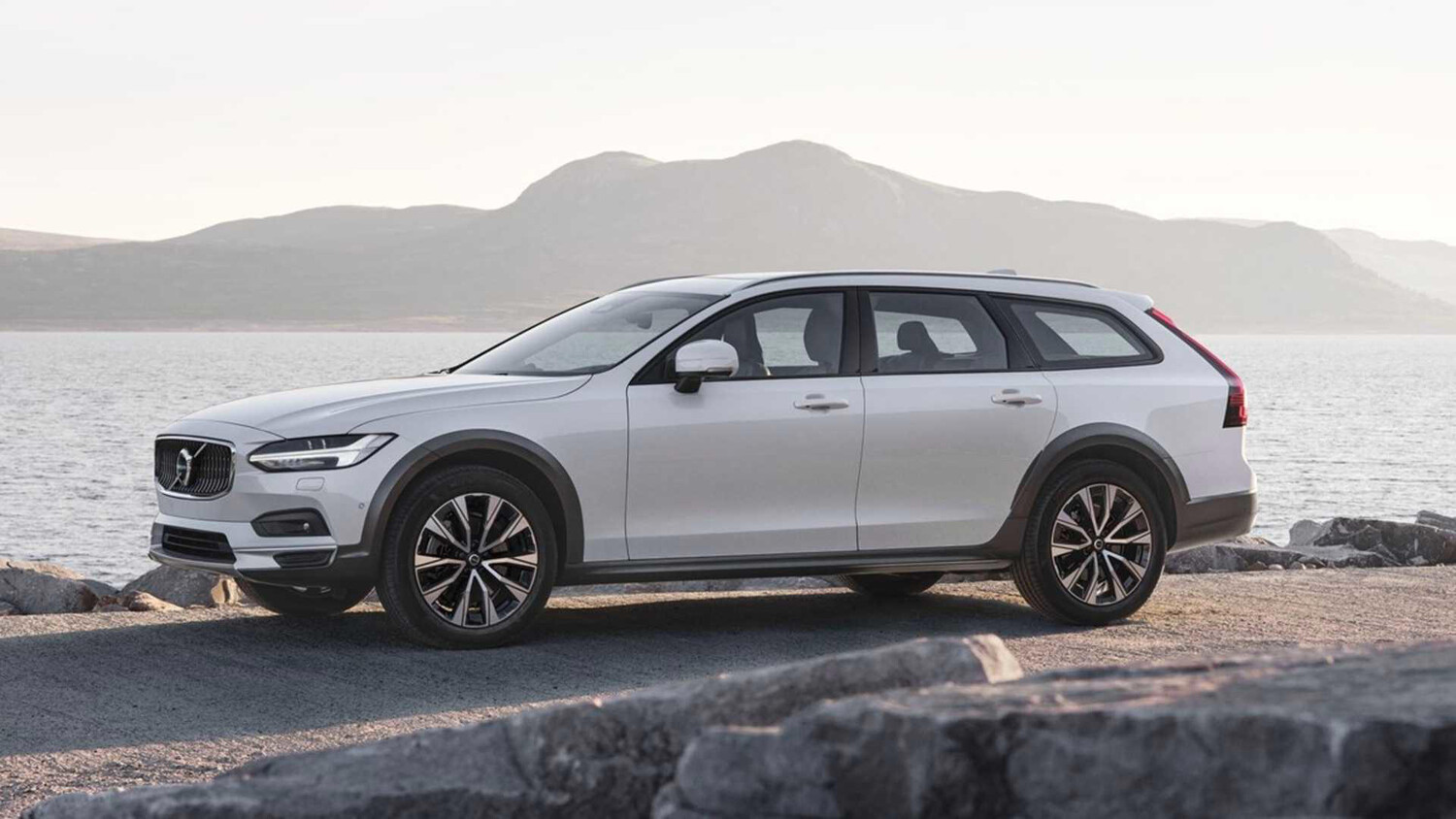
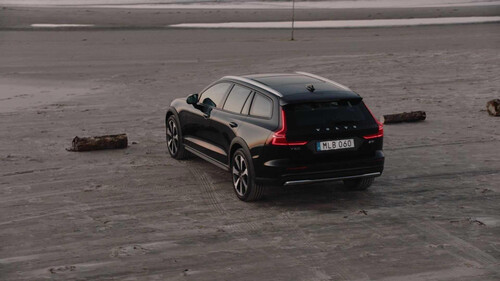
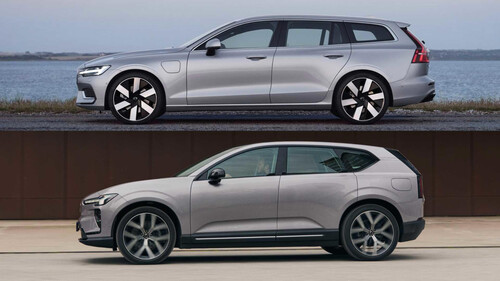
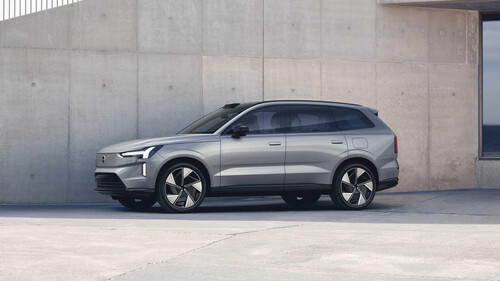
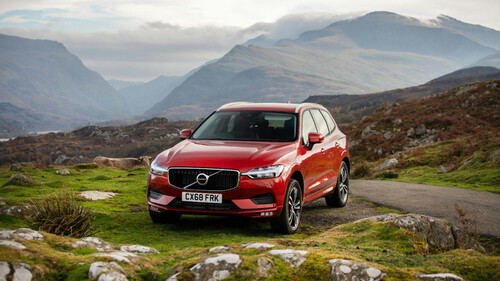
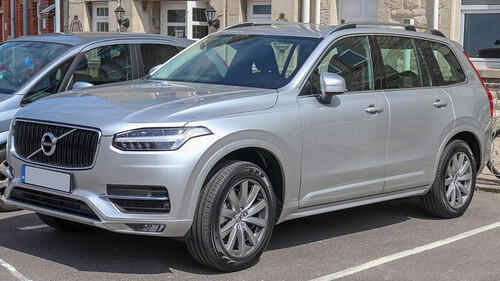
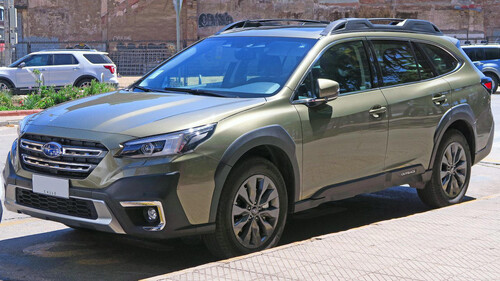
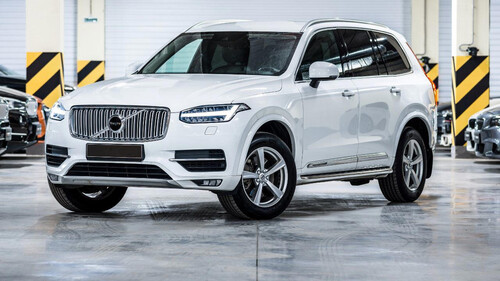
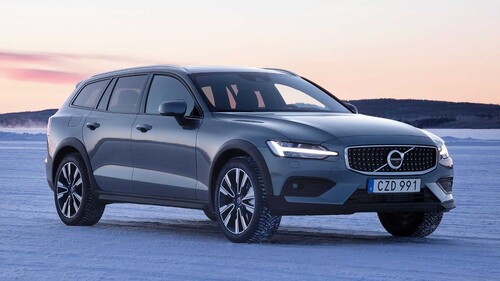
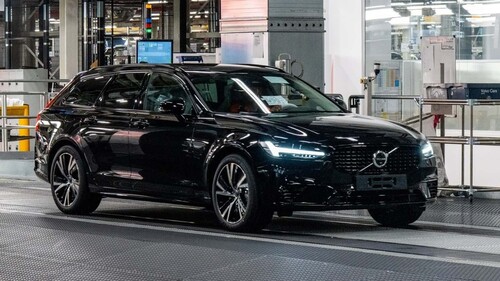
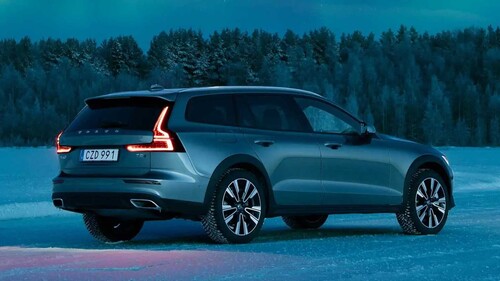
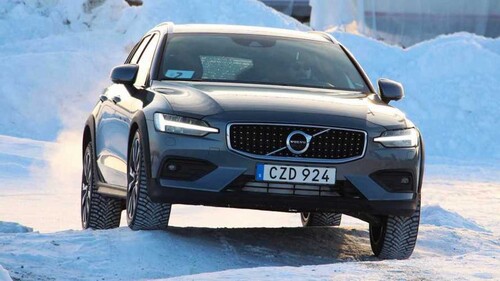
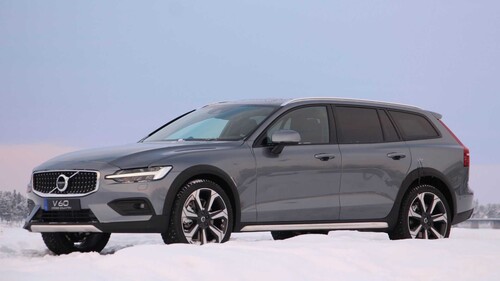
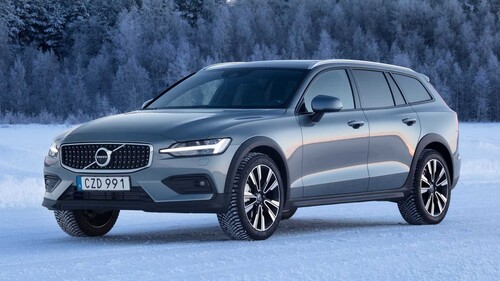
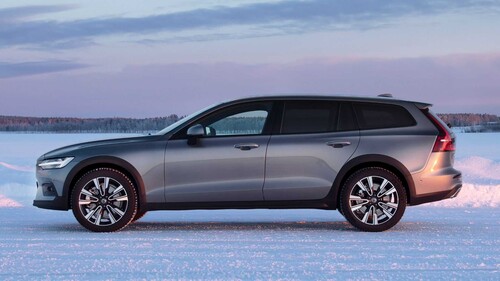
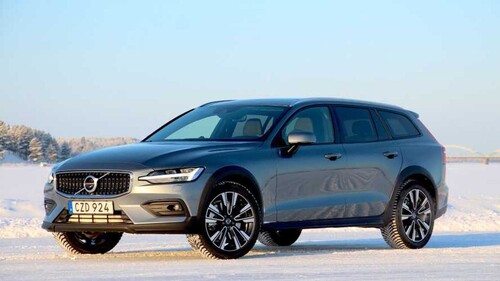
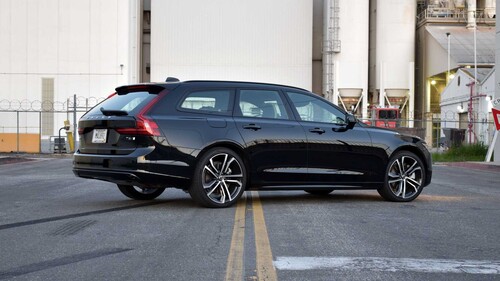
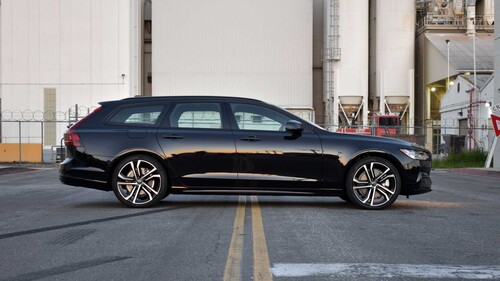
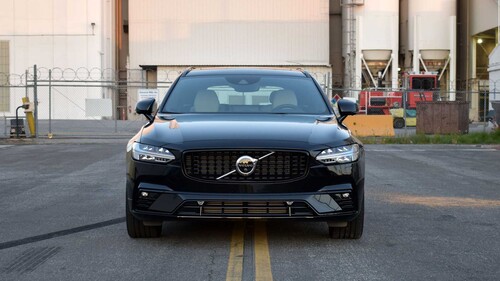
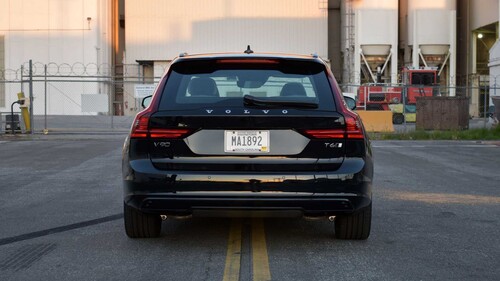
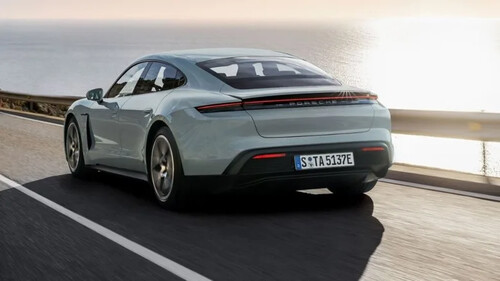
For most drivers these days, the SUV is the family hauler of choice, with the station wagon barely registering for most buyers. In many circles, the SUV is just plain cooler than a station wagon, a fact backed by slow wagon sales and limited selection compared to modern SUVs. If you're a family-minded Volvo fan in the second-hand market, this means you're likely considering the XC90 SUV more seriously than a V90 Cross Country wagon, but how do these two excellent family haulers actually stack up?Turns out, they're remarkably close on many key metrics. Remember, most SUV shoppers don't frequently partake in serious off-road driving. If you're one of them, the V90 Cross Country's high-riding wagon form factor provides the confidence of a ground clearance boost while maintaining a more car-like driving position, stance, and ride. Could Volvo's biggest tall wagon be a viable alternative to the XC90 SUV in your driveway? Here are the important facts and considerations to help you answer that question and make the best purchase decision possible with your dollars. Here's What Volvo's Cross Country Wagon Costs In 2026 VolvoWhen it first launched in 2017, the Volvo V90 Cross Country would set you back about $55,000. Starting prices held steady around that point for several years, though Volvo increased the V90 Cross Country's starting price more aggressively in recent times. Today, a new unit would cost you $67,000 to start, with prices rising from there depending on the model grade and engine selected.Today, second-hand pricing for the V90 Cross Country can be expressed in three basic tiers. Well-used models from 2017 to 2020 with 140,000 miles or more and no remaining warranty are available in the mid-to-high teens. A sub-90,000-mile unit of this vintage can be had in the low-to-mid $20,000 range.Ian Wright/CarBuzz/Valnet From around $30,000 to $50,000, expect newer units from 2021 to 2023 to populate your search results, often falling into the 30,000- to 70,000-mile range. The most pristine, nearly-new units with 25,000 miles or less would cost you at least $55,000, with some units stretching towards $70,000.Shoppers should keep maintenance requirements and mileage in mind. Every 10,000 miles or one year, the V90 CC needs an oil change. Every 20,000 miles, a checkup should include inspections for leaks, lighting system alignment, and more. Most drivers should replace their V90 CC's transmission fluid every 50,000 miles for best results, and you'd need new spark plugs every 60,000 miles, according to Volvo's maintenance guide. If the wagon you're considering is coming up on 150,000 miles, the vehicle needs a new timing belt, accessory belt, and idler pulley, which can be a relatively pricey job. Up To Speed On The V90 CC (And Your Other Worthy Choices) VolvoIn 2016, the new XC90 SUV arrived to kick off a product revolution at Volvo. This was the debut model for a new modular platform called the Scalable Product Architecture (SPA) that would underpin a rapid rollout of new Volvo products in the years to follow. The S90 sedan came first, followed by the V90 and V90 CC.One of these was the V90 wagon, and its "Cross Country" version with a jacked-up ride height and tougher body cladding. Remember when Subaru had the Legacy Wagon and lifted, more rugged Outback on sale at the same time? The V90 and V90 Cross Country amount to the same sort of idea.VolvoThe V90 and V90 CC were both wagon derivatives of the S90 sedan, which rode the same SPA platform introduced in the XC90. These underpinnings proved their worth by being stretched and adapted to create new product lines at will.The V90 Cross Country hit the market for 2017, and the standard V90 was dropped after 2019. The first major XC90 update rolled out in 2020, including performance and battery tweaks for its T8-powered PHEV models, which saw a significant boost in torque and all-electric range. The T8 engine wasn't available in the V90 CC on our shores. From the 2022 model year, both machines transition from the T5/T6 engines to the B5/B6 engines with a standard mild-hybrid system.Ian Wright/CarBuzz/Valnet Using the 2020 model year as an example, you'll find the same 2.0-liter twin-charged four-cylinder with 316 horsepower powering the T6 version of each machine, with the same power and torque specs, and the same eight-speed automatic gearbox. Key Considerations When Buying a V90 CC VolvoYou're not buying either of these machines primarily for their 0-60 acceleration. However, if you're curious, you'd find them running in a virtual dead heat with fractions of a second separating the slowest from the quickest. Note the 2.3-inch increase to ground clearance offered by the V90 Cross Country, which sits the same 8.3 inches from the road as the XC90 SUV, unless its optional air suspension is in a higher setting for off-road use. Put another way, there's no advantage in ground clearance between the XC90 and the V90 CC in most driving situations.Some Other Station Wagon Alternatives To ConsiderAudi A6 Allroad: 2020–Present Mercedes-Benz E-Class All-Terrain: 2017–Present Subaru Outback (XT/Wilderness): 1994–Present Volvo V60 Cross Country: 2015–Present Porsche Taycan Cross Turismo: 2021–Present BMW M5 Touring: 2025–Present (G99 Generation) Toyota Crown Signia: 2025–Present Audi RS6 Avant: 2021–Present Shoppers after an additional power boost and some all-electric capability for shorter drives can look for the T8 Plug-In Hybrid powertrain, which was only offered in the XC90 among this trio. The T8 powertrain wasn't offered to V90 or V90 CC shoppers in the USA, but you could get it in the S90 sedan. If you're after a plug-in-powered model, the availability limits your options considerably.Ian Wright/CarBuzz/Valnet With its common T6 engine, the heavier XC90 will use $350 to $450 per year more fuel than either of your wagon options here, roughly a $33 monthly increase to your gas bill. In return, the XC90 SUV can tow 1,500 pounds more than either wagon. By the way, among our list of the 10 best used Volvo models, the V90 comes in sixth place.A quick scan of key measurements can reveal other useful information that shoppers can bear in mind. Overall passenger volume in the XC90 is slightly larger, and the XC90 ultimately leads the V90/V90 CC in cargo space by 41% behind the second-row seats and 59% behind the first-row seats. Note that the V90 models have the leading front legroom score by 1.3 inches, though the XC90 leads the wagon in front headroom, rear headroom, and rear legroom.