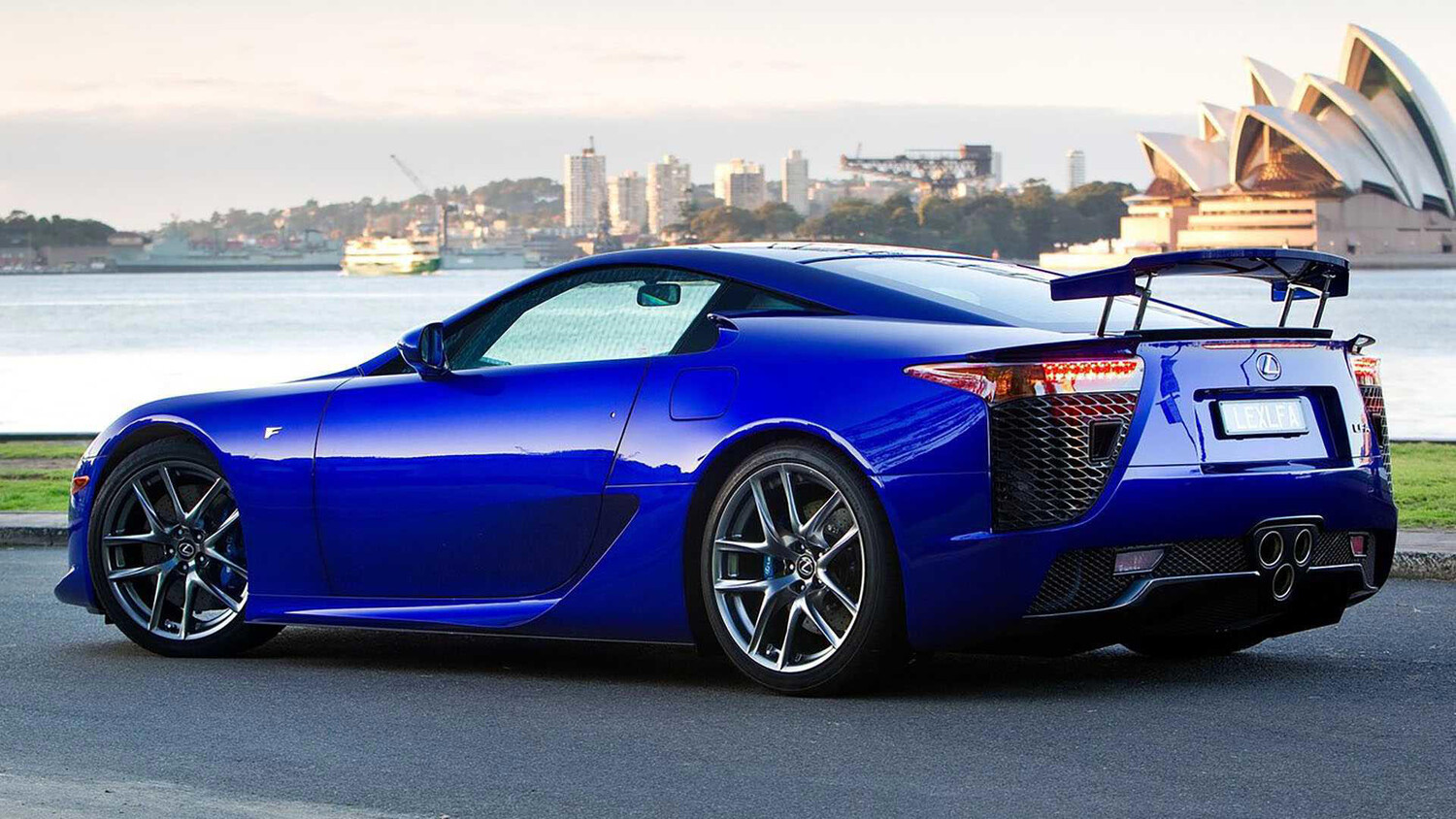
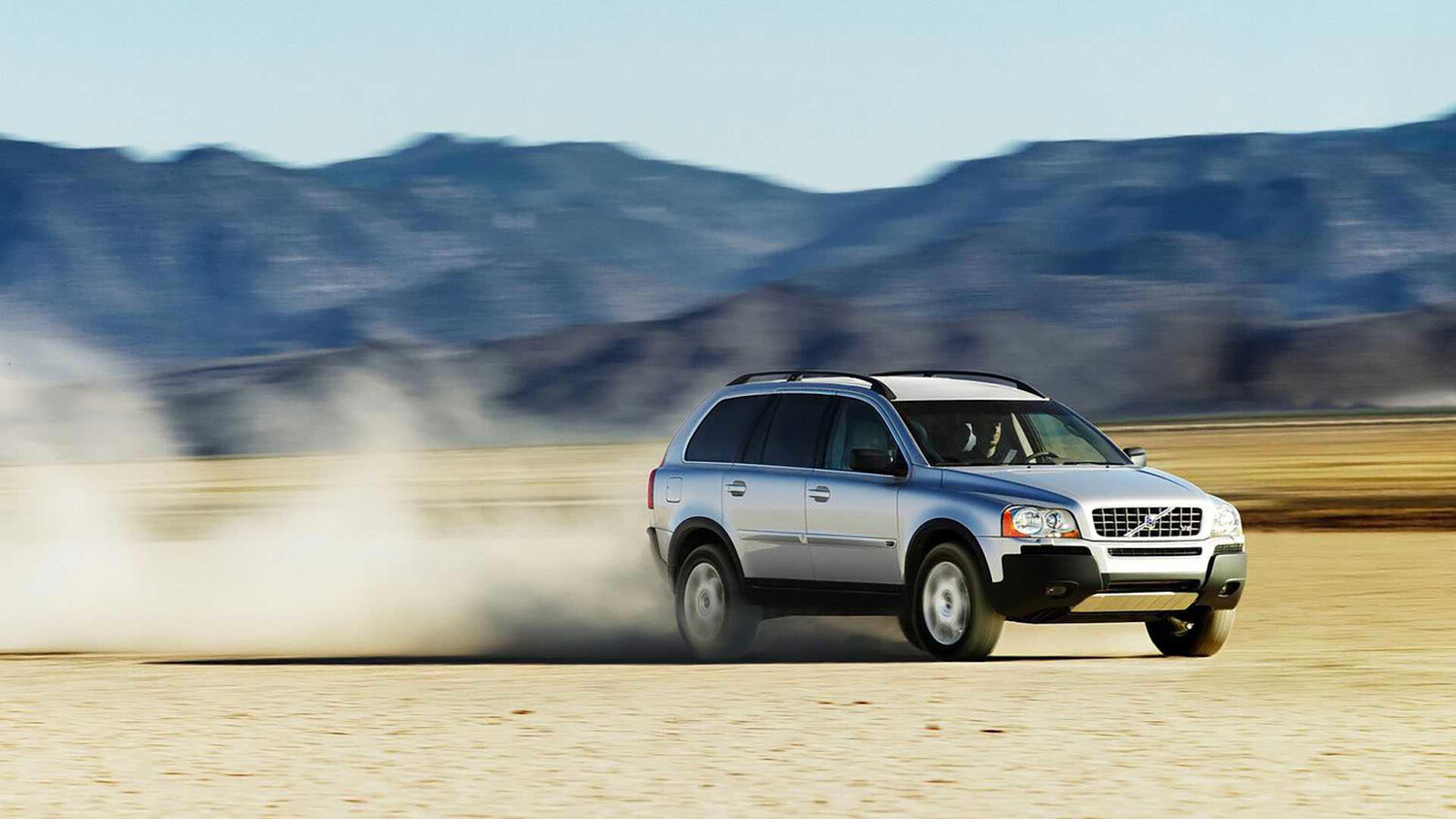
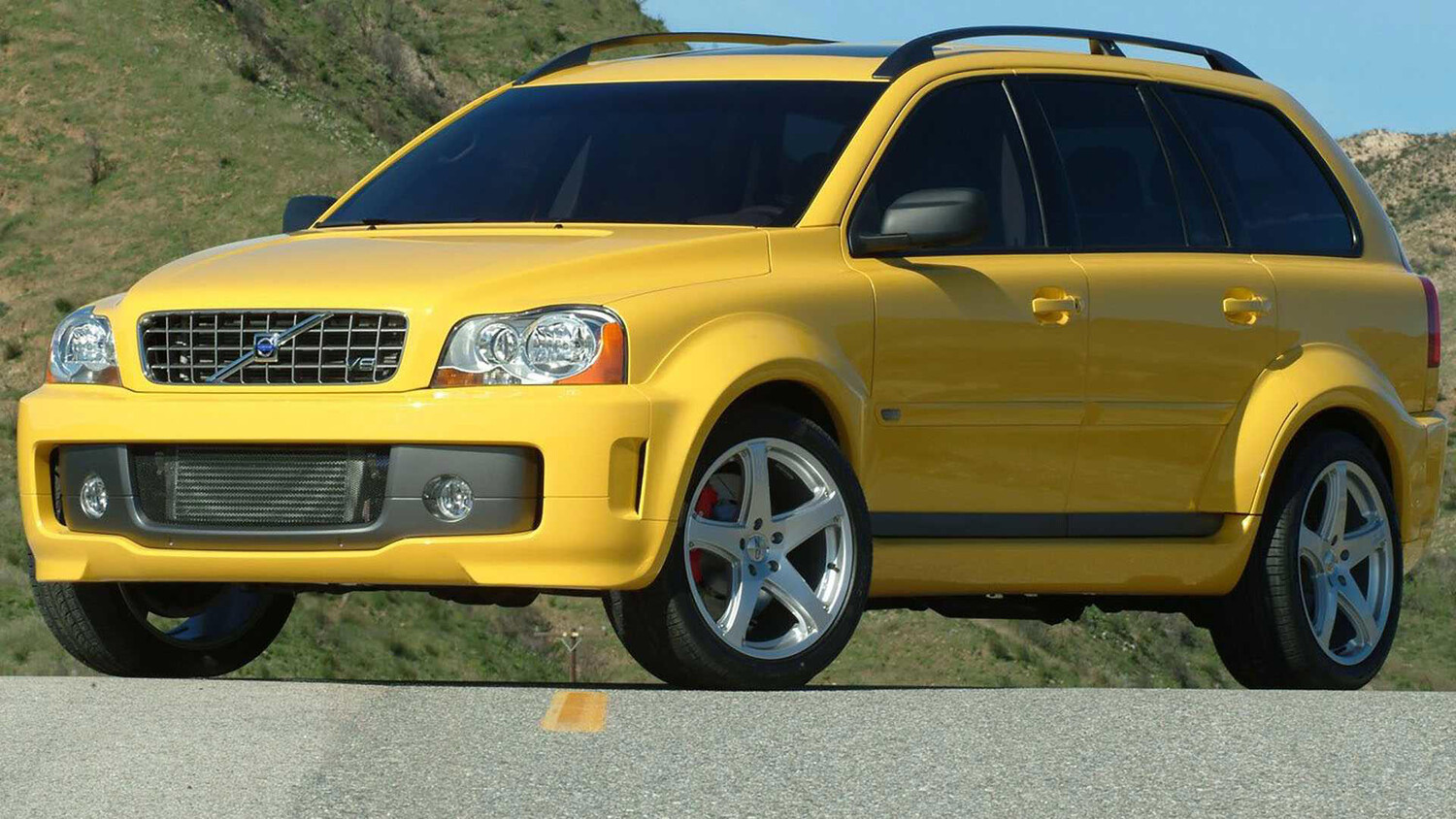
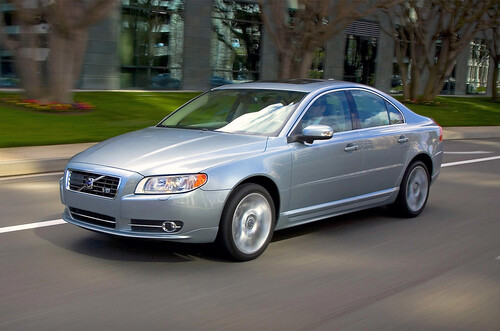
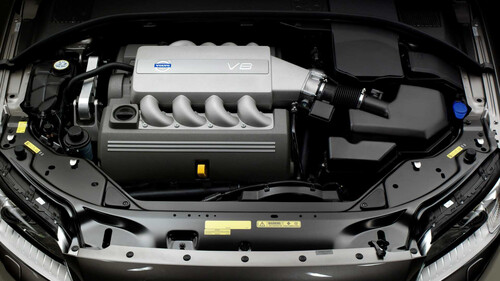
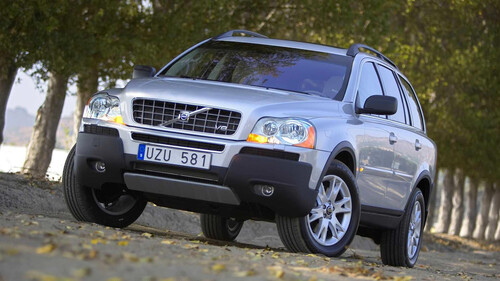
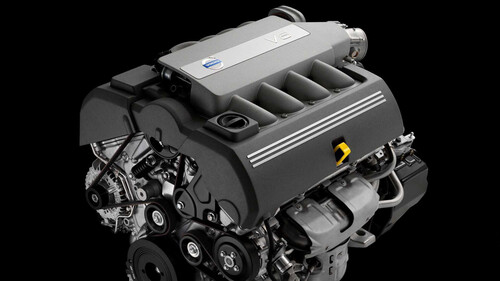
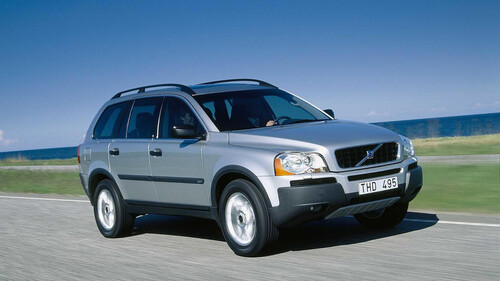
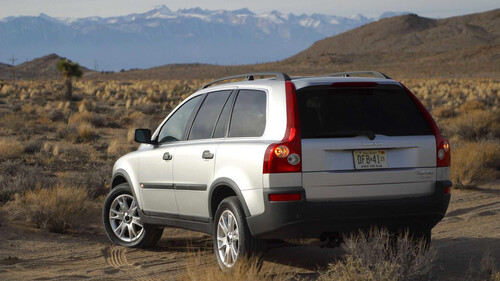
The safe-as-a-house and practical Volvo XC90 went on sale in the USA in 2004, and soon became the brand's top-selling model in North America. This may have resulted in some boardroom celebrations in Volvo's headquarters in Sweden where, following the consumption of undisclosed amounts of vodka, someone said: "Hey everyone! Let's make a V8 engine for the American market! And then we fit it into the XC90! That will sell even more!"Somehow, an 'Approved' stamp landed on a Volvo letterhead, and the company's first-ever (and only) V8 engine project was green lit. Volvo also put it in the S80 a year later. The fact that Ford owned Volvo at the time probably helped.In a joint venture with Japanese engine maker Yamaha, Volvo created a 60-degree V8 that would fit into an XC90, which was never designed for a V8 engine. This is the story of an engine that would not only make Volvo owners giggle with excitement, but eventually landed up powering boats and a Nobel M600 supercar.Volvo was established in 1927 and from day one safety, innovation and efficiency were prioritized. A fuel-guzzling V8 engine? Never. But 77 years later Volvo commissioned its own V8 engine. This feature covers the story behind the innovative engine, and why it is actually pretty special. And why you need one. We also take a closer look at some wild versions of the V8. You Want To Put A V8 Where? VolvoWith a mandate to create a V8 engine, and make it fit into the best-selling XC90, the Volvo engineers faced a conundrum. The XC90 was apparently never intended to house a V8, with Volvo's traditional focus on forced induction, smaller-capacity engines. In short, a mainstream 90-degree V8 engine, like one from the Ford parts bin, was not a viable option. The Volvo engineers had to think outside the box and find a way to replace the compact, 2.9-liter twin-turbocharged six-cylinder engine with a transversely-mounted V8.VolvoThe team came up with a cunning plan: a compact 60-degree design, with some innovative features to ensure it would fit transversely into the XC90 (and later the S80) engine bay. But a 60-degree V8 engine poses some unique design and operational challenges. For one, the design can cause severe vibrations, which is not ideal on any level.Who do you call when you need an engine that runs as smooth as silk, makes a lot of power, and is as reliable as your partner's headache? Yamaha. Yamaha, And A Balancing Act LexusYamaha knows stuff about engines. A lot of stuff. Besides their obvious experience in high-power, high-revving motorcycle engines, as well as marine engines, the company's engineers also played major roles in the development of some of the greatest performance engines ever made.In a long-standing partnership with Toyota Motor Corporation, Yamaha co-developed the magnificent 1LR-GUE V10 engine in the exclusive Lexus LFA supercar. The 4.8-liter V10 engine produces 552 hp at 8,700 rpm. The LFA's unique sound effects were specially tuned in partnership with Yamaha... the company even likens the howl of the V10 to "the roar of an angel."Yamaha also played an intrinsic part in the development of the iconic Toyota Celica GT-Four, Toyota's championship-winning contender in the world rally championship. Yamaha, for one, designed the multi-valve head that helped the Celica on its way to some championships. Yamaha certainly knows about the business of engines.With the Volvo configuration blueprints and specifications at hand, the Yamaha team, working closely with their colleagues at Volvo, designed the new engine, with a particular focus on balancing shafts, to ensure that any vibrations in the 60-degree design are eliminated. And so the world's first Volvo (Yamaha) V8 engine saw the light, made in Japan, according to Volvo's packaging specifications. It was called, ominously, the B8444S. The Volvo V8 Roars Into The Market VolvoThe Volvo XC90 V8 arrived at US shores in 2004. It had 311 hp and 325 lb-ft, and it was fast. At the time, only a handful of SUVs were quicker from 0-60 mph, including BMW's X5 4.8iS and the Mercedes-Benz ML55 AMG.But, unlike the BMW and Mercedes, Volvo apparently had not paid as much attention to other dynamic aspects, like more sporty handling, improved braking and a more involving driving experience. It was fast, yes, but it was a fast and safe luxury sofa. The BMW and Mercedes-Benz were more engaging, and a blast to drive. Pricing was also a stumbling block.VolvoIn 2004, Volvo dealers had to convince potential customers to steer clear of a fashionable BMW X5 4.4 (selling at around $50,000) and opt for a slightly less expensive Swedish SUV ($46,000) that was, to be very honest, not particularly pleasing to the eye, nor exciting and fashionable. Still, the XC90 continued to sell better than even Volvo had hoped, the V8 derivative doing its part to bolster the brand's performance pedigree.The V8 engine was a bit of a party trick, after all. With its flat and linear torque curve, the XC90 had an uncanny ability to chase down the horizon in a way that would make the kids in the back seat shout encouragement while your spouse in the passenger shout, well, not encouragement.At the time, the 60-degree engine was the most compact for its 4.4-liter capacity in the world, weighing in at a reasonably light 418 lbs, thanks to the engine block and heads that are cast aluminum items. The engine came with a few more tricks, like a cross-plane crankshaft, and the alternator was mounted directly to the engine block to ensure the engine could fit transversely in the compact engine bay.VolvoOther B8444S tricks include no less than four catalytic converters and variable valve timing, ensuring the engine was the first V8 to conform to ultra-low emission regulations introduced at the time. The XC90 V8 was on sale in the USA until 2008, and it is estimated that around 30,000 examples were sold during that time.Today, the XC90 V8 is cheap as chips, and almost seems too good to be true. But here's the thing: for around $10,000, you can have one of the safest SUVs on the road (to this day). So your responsible partner will approve. The kids will never be late for football practice again. And you'll pretty much always have a smile on your face when you drive it in a straight line. Corners? Maybe not so much. But you'd be safe.If only the Volvo XC90 V8 PUV was on sale today. In 2005, Volvo created this very special 600-hp SUV. And it was amazing. Mellow Yellow? No Sirree! VolvoIn 2005, shortly after the Volvo XC90 V8 made its international debut with its Yamaha-built 311-hp V8 engine, Volvo Cars North America created the one-off XC90 PUV concept. The Volvo, created to 'draw attention to the Volvo brand in a way never done before', had an estimated 600 hp in the game. 600 hp! The 4.4-liter V8 engine was fitted with a massive Kenne Bell supercharger, which doubled the power to the 600 hp mark.The PUV used the XC90's standard Haldex electronically controlled all-wheel-drive system, along with the stock Geartronic six-speed automatic gearbox. The concept car's ride height was dropped by a full two inches. The stock wheels were replaced by special nine-inch alloy wheels shod with high-performance Pirelli P-Zero Assimetrico 245/40 R20 tires.The PUV is kitted out with a chunky body kit that includes custom wheel arches, a deep front airdam that sends bucket loads of cool air to the engine and supercharger's intercooler, and special air intakes located in the side sills that channel air to the 13-inch floating discs rear brakes. Braking at the front is taken care of by 15-inch floating discs and eight-piston calipers. Finally, the custom rear bumper with a rear valance hosts the custom-fabricated quad exhaust pipes.VolvoSadly, the XC90 PUV concept remained a pipe-dream, and never made it to any showroom floor. Volvo may have missed a trick with this one. If they had dished up a slightly tamer 500 hp version of the XC90 V8, added the body kit and wheels and exhausts, along with the lower ride height, well, now wouldn't that have given the AMGs of this world some sleepness nights.At least the Yamaha engine would later go on to reach much greater (horsepower) heights when it was redeployed in a supercar called the Noble M600. Horses For (Race) Courses!NobleIn an ironic turn of events, the V8 engine that was developed to be squeezed into one of the safest cars on the road in 2004, made its way into the widow-maker that it is the 2010 Noble M600. Yep, the Noble supercar doesn't have any safety features, other than seat belts. No airbags, no stability control... it doesn't even have ABS brakes. But at least it does have traction control that can be switched off.Yet it is powered by a safe-as-a-house Volvo engine, tuned to 650 hp, thanks to two massive turbochargers. It also has a manual gearbox, and 604 lb-ft of torque, sent to the rear wheels only. It is a spectacular and challenging driver's car. Glorious even. And it finally allowed the V8 to roar, as you can hear in the video below. It also set a faster lap time than the mega-horsepower Bugatti Veyron on the British television show Top Gear.Not a bad result for an office party in Sweden in the early 2000s, when an 'Approved' stamp happened upon a Volvo letterhead.Sources: Volvo, Noble, Toyota, Yamaha