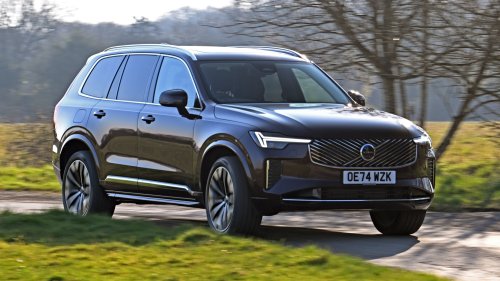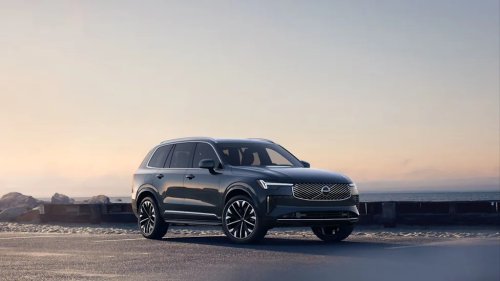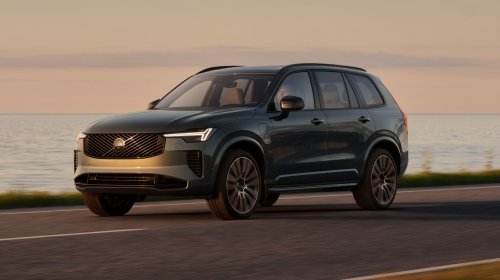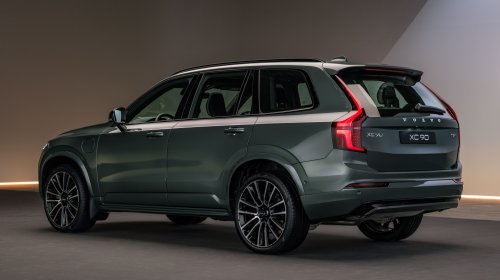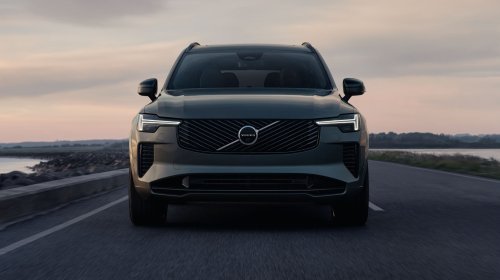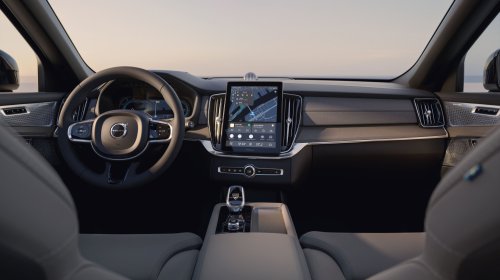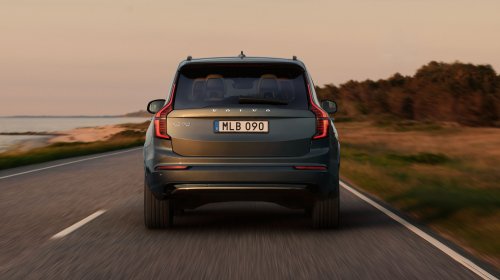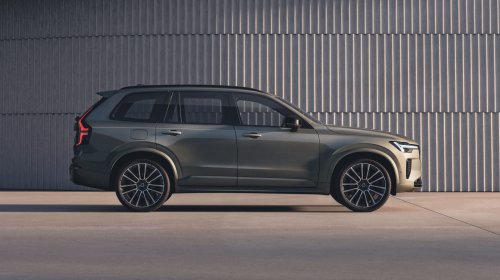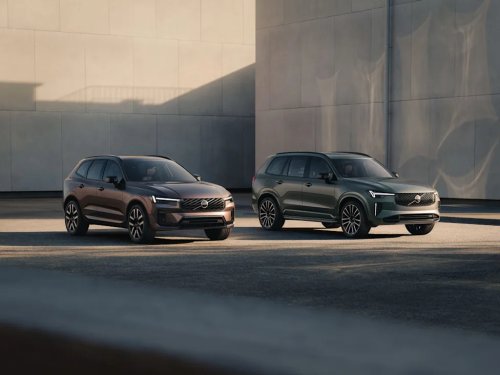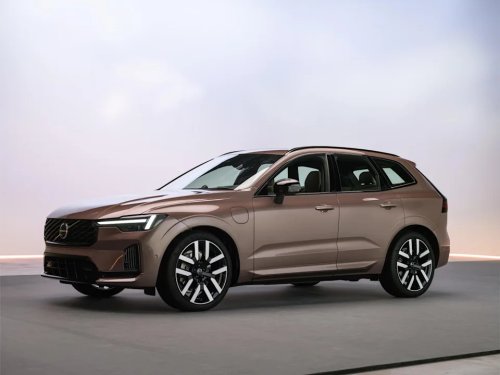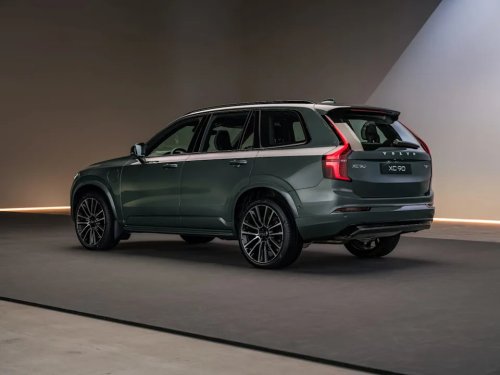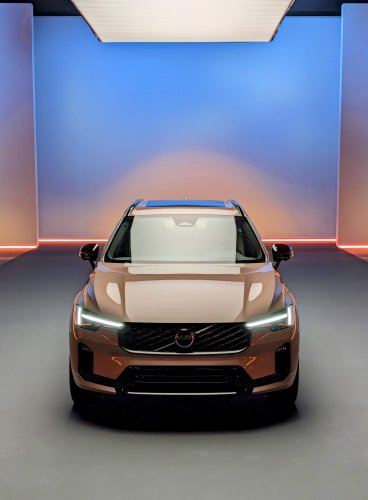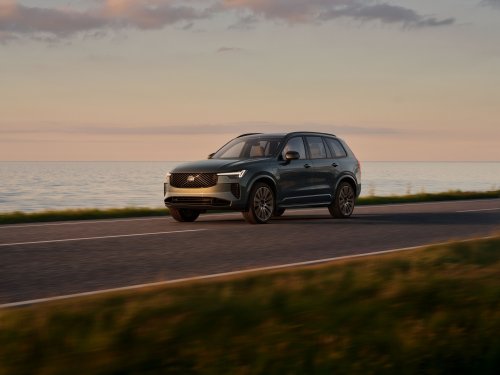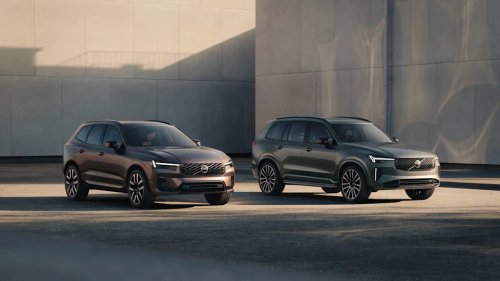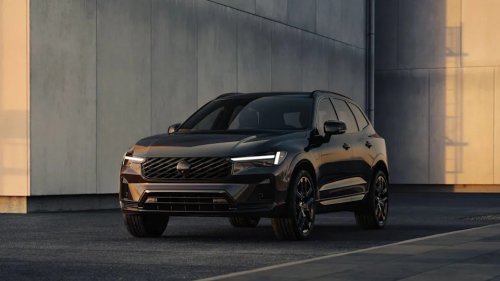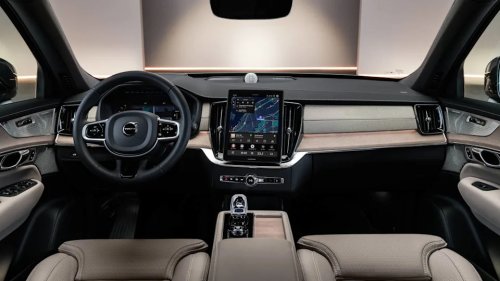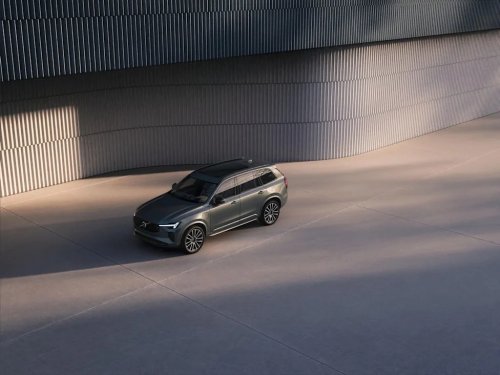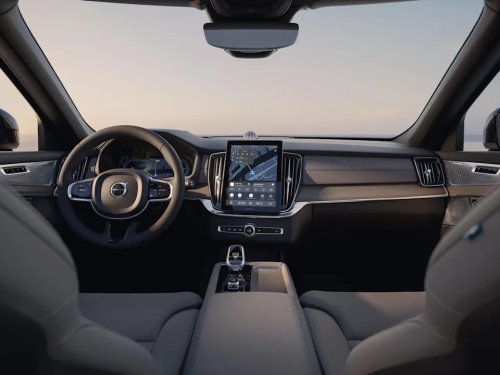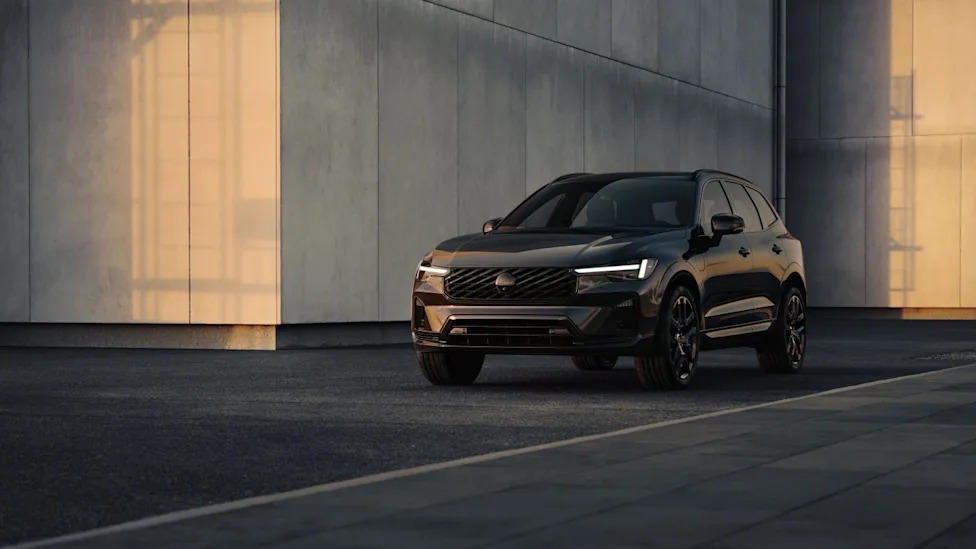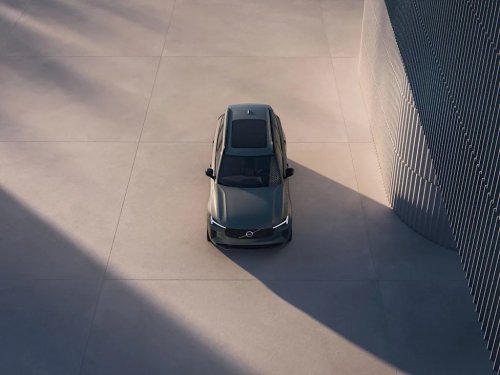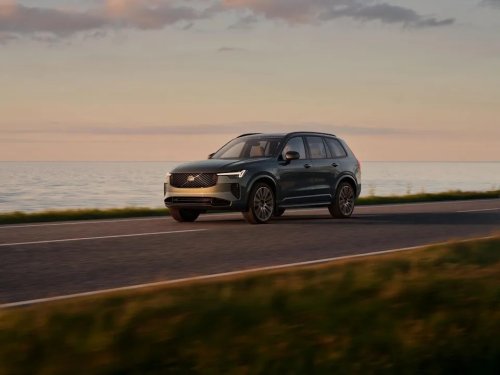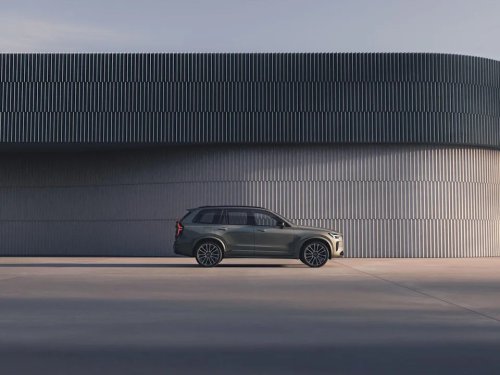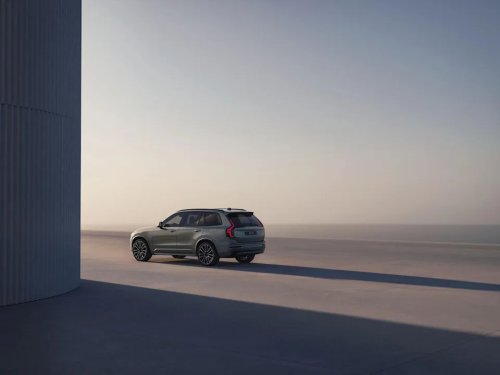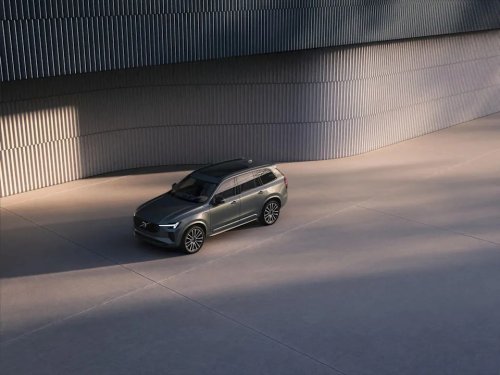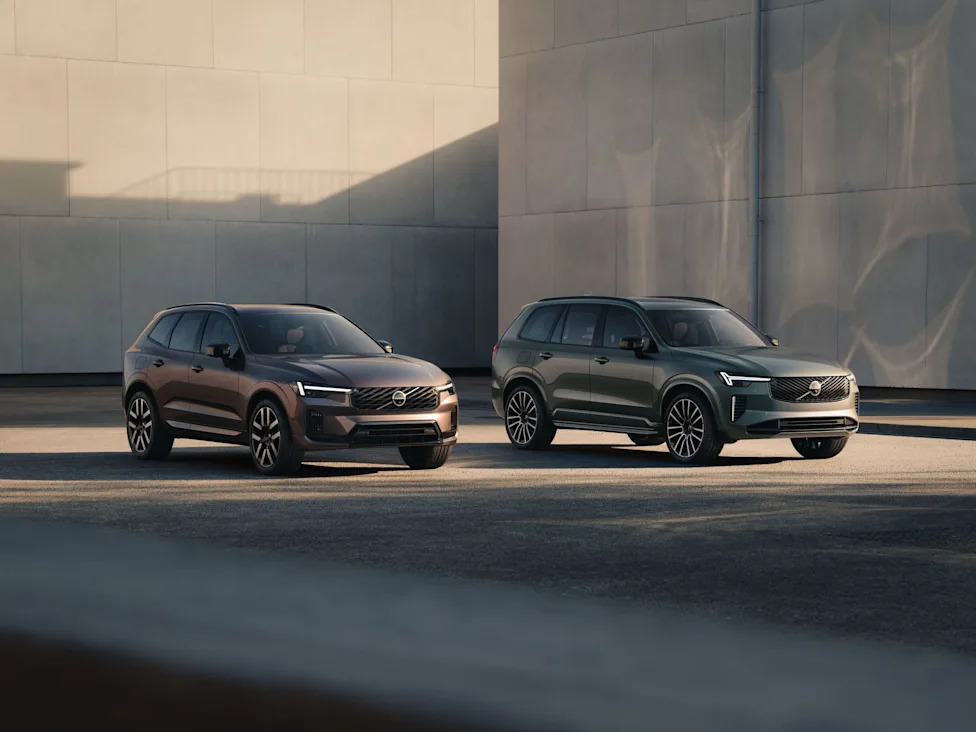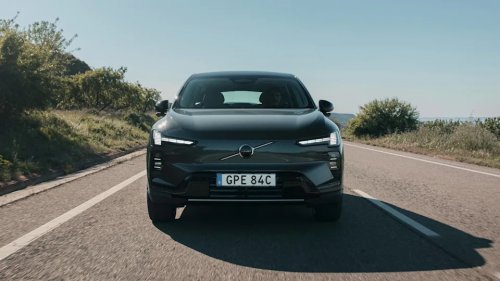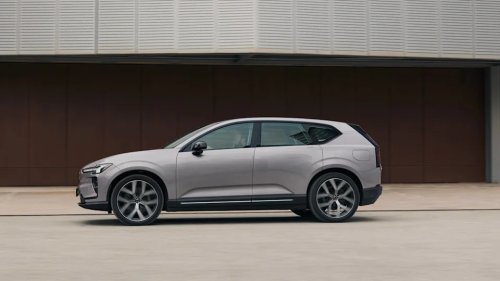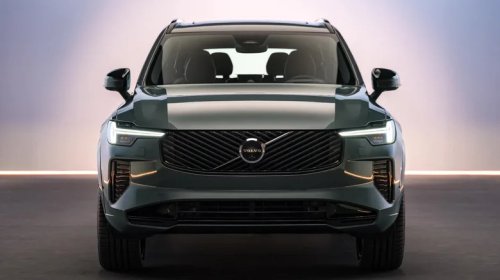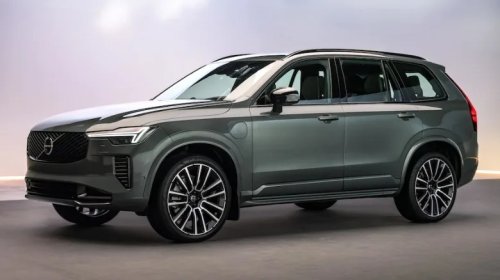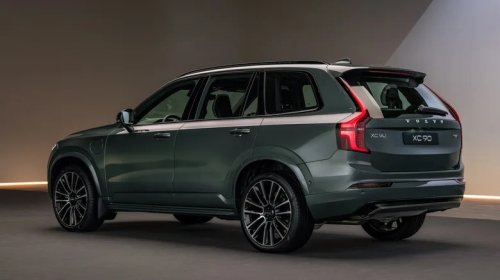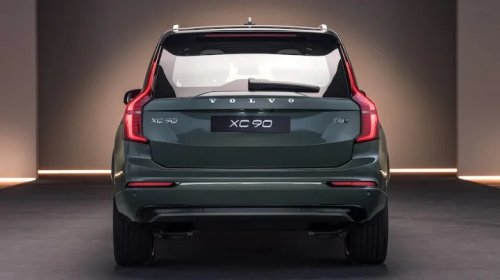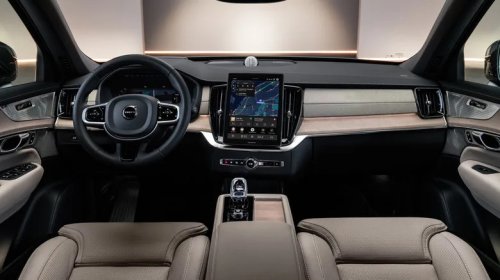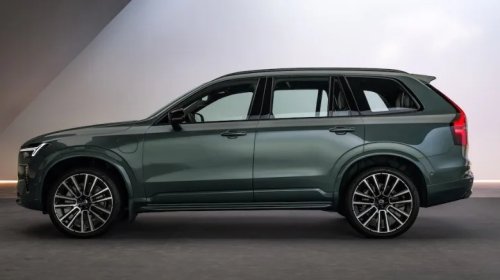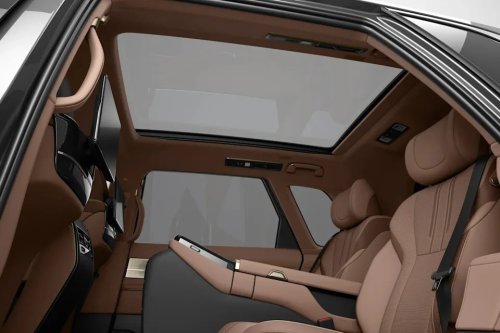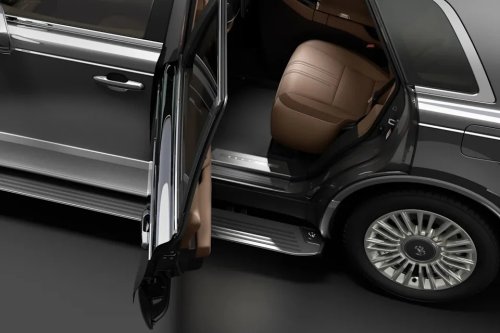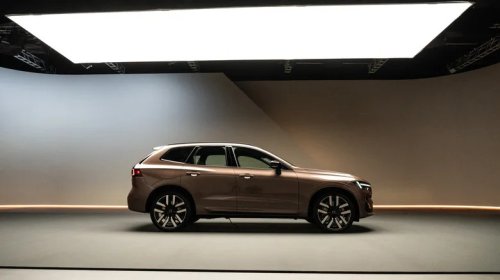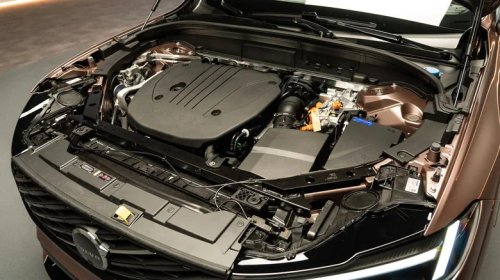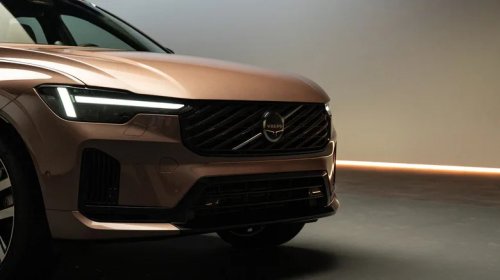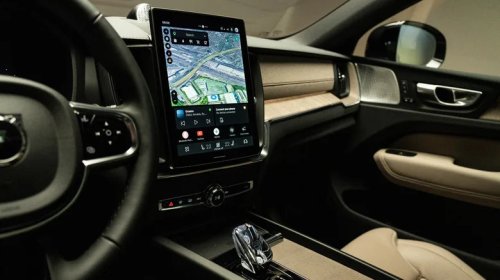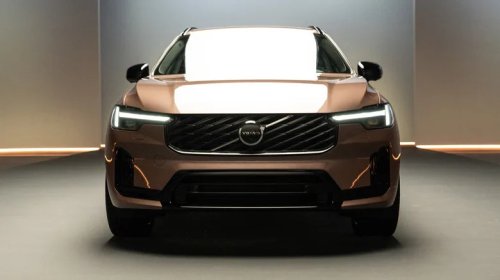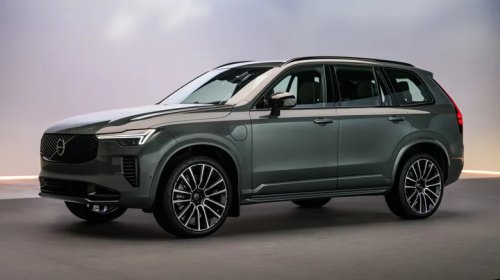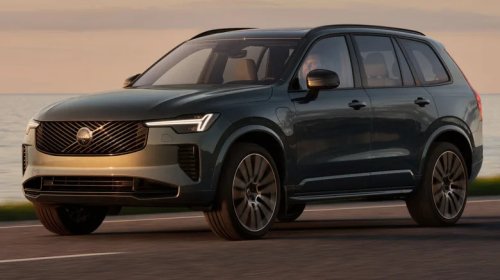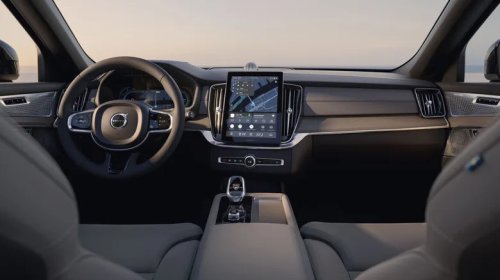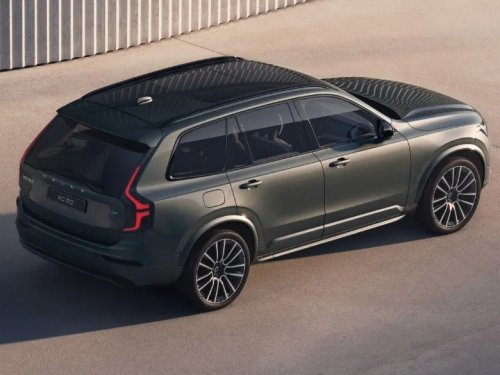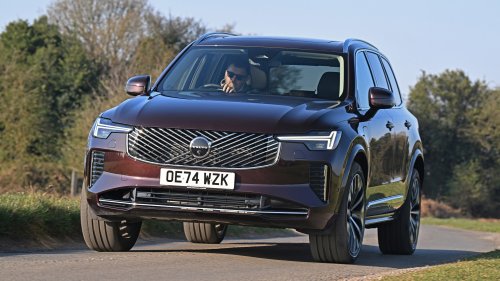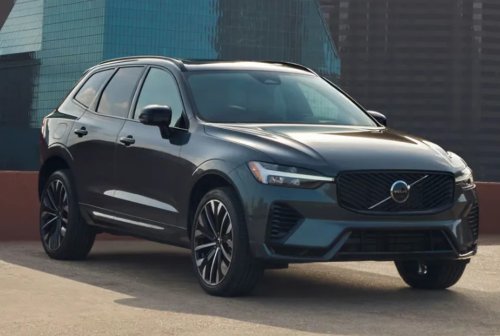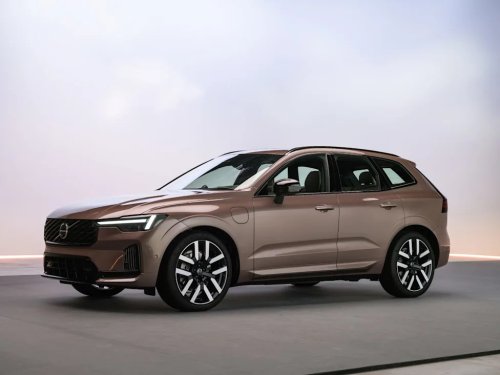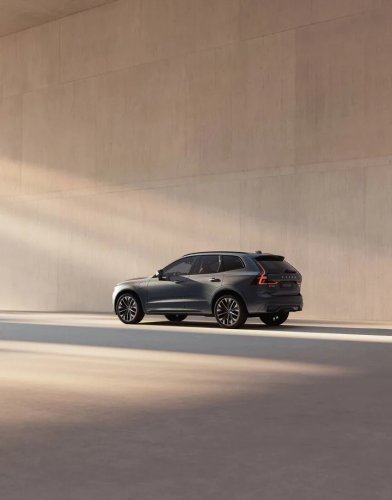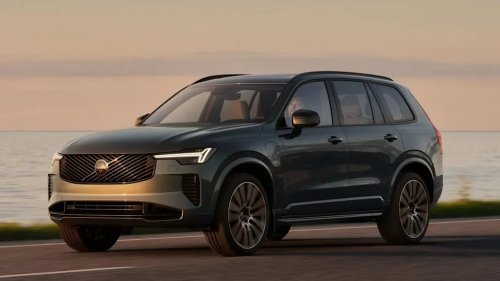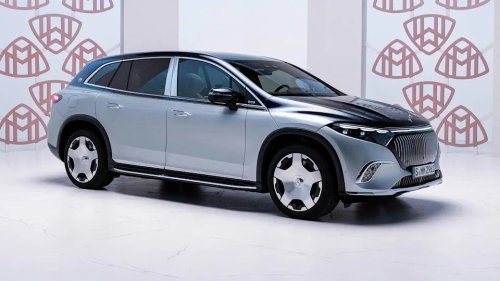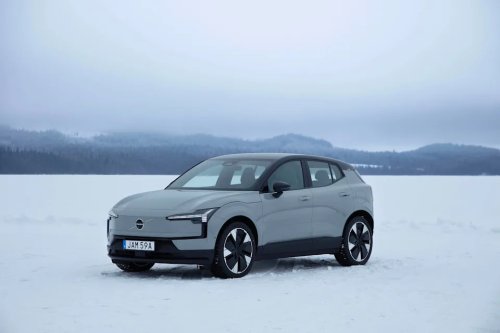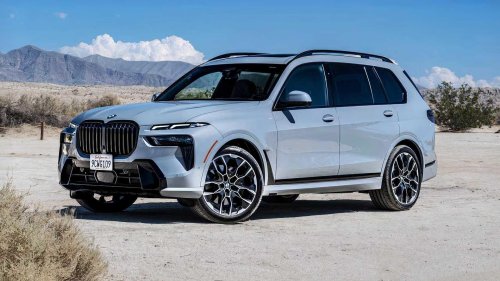
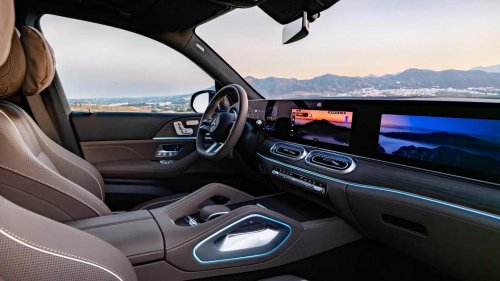
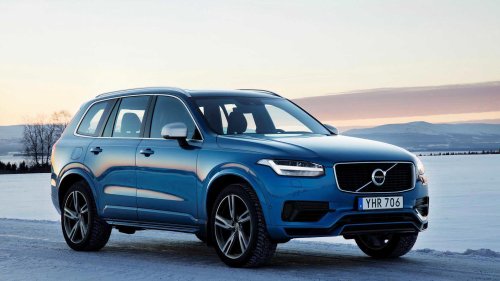
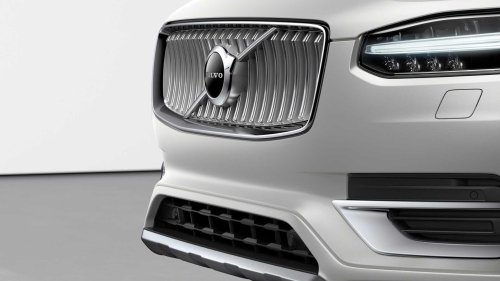
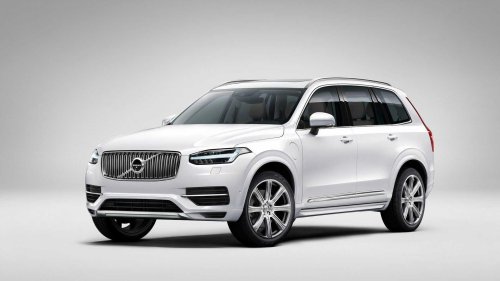
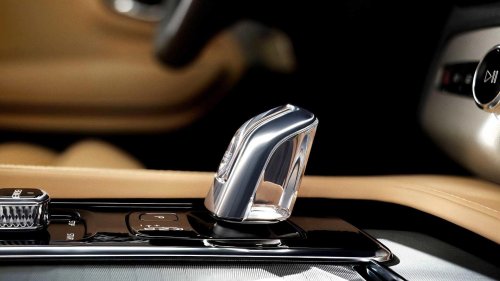
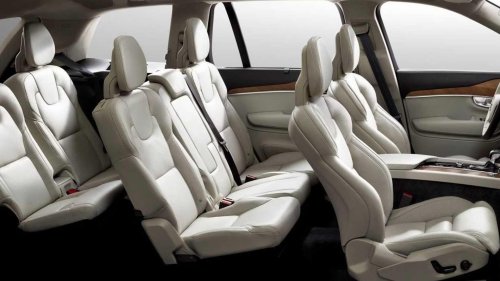
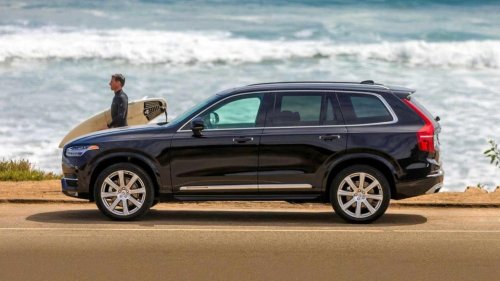
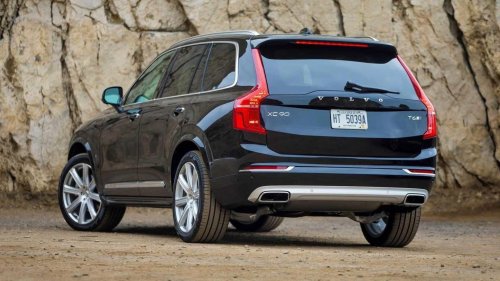
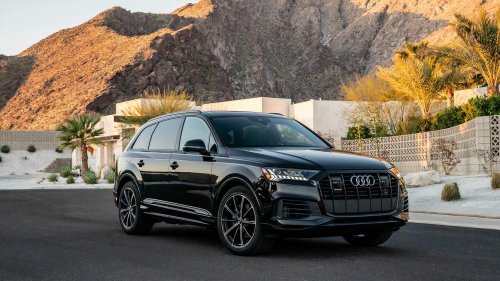
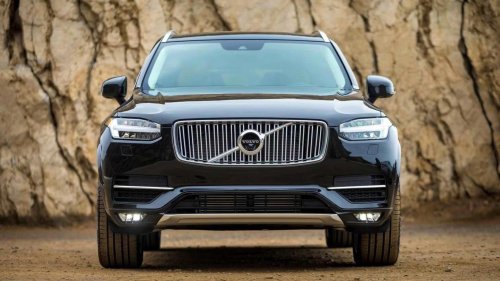



















Modern luxury SUVs are more advanced than ever. They’re faster, more efficient, and packed with technology that would have seemed impossible just a decade ago. Turbocharged engines, hybrid systems, adaptive suspensions, and complex infotainment setups have redefined what these vehicles can do. But there’s a trade-off. As complexity increases, long-term reliability often takes a hit. Industry data support this shift—studies from J.D. Power show that newer vehicles are reporting more problems in areas such as infotainment, driver-assistance tech, and electronics than older, simpler models.This feels unsettling when new can become expensive—and sometimes frustrating—over time. For many buyers, the question is no longer just how a luxury SUV performs in its first few years but how well it holds up after 100,000 miles… or even 200,000. That’s where the real test begins. And very few vehicles in this segment truly pass it. Why Modern Luxury SUVs Struggle With Long-Term Reliability Complexity, Turbocharging, And Costly Repairs BMW Luxury SUVs today are engineering showcases. According to Consumer Reports, many of the most common long-term issues in modern vehicles stem from complex electronics and advanced powertrain systems rather than traditional mechanical failures. That level of innovation comes with added complexity. Turbocharged engines operate under higher stress. Hybrid systems introduce additional components like batteries and electric motors. Air suspension systems improve ride quality—but can become expensive to repair as vehicles age. Then There’s Electronics Mercedes-BenzModern SUVs rely heavily on software, sensors, and integrated systems. While these features improve convenience and safety, they also create more potential failure points over time. German luxury brands, in particular, have pushed the boundaries of performance and innovation. But that often comes at a cost. Maintenance becomes more involved, and repairs—especially outside of warranty—can quickly add up. That’s the reality of modern luxury, which makes it all the more interesting when a vehicle manages to combine advanced engineering with long-term durability. Why The 2016–2019 Volvo XC90 Takes A Different Approach Safety-First Engineering And Durable Design Volvo The 2016–2019 Volvo XC90 stands out because it was never designed to chase trends. Volvo has long prioritized safety and durability over outright performance, a philosophy that has helped the brand build a reputation for long-lasting vehicles. When the second-generation model launched in 2016, it introduced Volvo’s Scalable Product Architecture (SPA). Instead of focusing purely on performance or complexity, Volvo took a more balanced approach—prioritizing safety, structural integrity, and long-term usability.Under the surface, the XC90 follows a unified engine strategy built around a 2.0-liter four-cylinder platform. Rather than offering large-displacement engines, Volvo focused on refining a single architecture through turbocharging, supercharging, and hybrid assistance. Across this period, the Volvo XC90 was offered in multiple configurations, including turbocharged (T5), turbocharged and supercharged (T6), and plug-in hybrid (T8) variants. While all share the same core engine design, the simpler turbocharged models tend to be easier to maintain over the long term. Consistency Over Flashy Innovation Volvo The more complex twin-charged and hybrid setups deliver stronger performance and efficiency but introduce additional components that can increase long-term ownership considerations. While this approach may seem complex on paper, the consistency across the lineup simplifies servicing, improves parts availability, and reduces long-term unpredictability. More importantly, the XC90 was engineered with durability in mind. Its robust construction and focus on longevity reflect a commitment to quality over short-term performance trends. That thoughtful engineering is reflected in real-world ownership, where well-maintained examples continue to prove their reliability over time. What Helps The XC90 Reach High Mileage Engine Design, Build Quality, And Maintenance Pinterest Reaching 200,000 miles in any modern luxury SUV is no small achievement—but it’s not unheard of. Research from iSeeCars has shown that certain well-maintained SUVs, including models from Volvo, can exceed that milestone with proper care. The first factor is engine design. Volvo’s four-cylinder engines may lack the character of larger six-cylinder units found in some rivals, but they are engineered for efficiency and durability. When properly maintained, they’ve proven capable of covering high mileage without major internal failures. Second Is The Build Quality VolvoThe XC90 feels solid, well put together, and designed to age gracefully. Interior materials hold up well over time, and the overall fit and finish reflect a level of craftsmanship that doesn’t feel overly fragile or overly complicated. Then there’s maintenance—the most overlooked factor. High-mileage XC90s don’t get there by accident. Owners who follow regular service intervals—oil changes, cooling system checks, and transmission servicing—are far more likely to achieve long-term reliability. Like most modern vehicles, neglect is what causes problems—not necessarily the engineering itself. In other words, the XC90 rewards consistency. What's It Like To Live With The Volvo XC90? Comfort, Refinement, And Everyday Usability Volvo Having spent time in the 2024 Volvo XC90 T8 Recharge, what stands out immediately is how consistent and refined the experience feels. There’s a quiet confidence to the XC90—something you notice the moment you step inside. The cabin is clean, minimalist, and unmistakably Scandinavian in its design. It doesn’t overwhelm you with excessive screens or gimmicks. Instead, it focuses on creating a calm, comfortable space.Volvo The materials exude quality without excess. The seats provide comfort and support for long journeys, while the Orrefors crystal gear selector adds a refined touch. The optional Bowers & Wilkins sound system offers clear, immersive audio that enhances the overall experience. On The Road, The XC90 Showcases Exceptional Refinement Volvo The plug-in hybrid T8 powertrain pairs a turbocharged and supercharged 2.0-liter engine with electric assistance, producing around 455 horsepower and 523 pound-feet of torque. Around town, it can be quiet and efficient. Push harder, and it has more than enough power to move confidently for a vehicle of this size. Ride quality is another standout. Equipped with air suspension, the XC90 delivers a near-gliding sensation on the highway. It absorbs imperfections with ease, making it an excellent long-distance cruiser. What really sets it apart, though, is how easy it is to live with.Volvo It doesn’t feel intimidating. It doesn’t constantly demand attention. It simply works—delivering a relaxed, predictable driving experience that becomes more valuable over time. And over time, that kind of consistency becomes more important than outright performance. That said, the plug-in hybrid system does come with trade-offs. Efficiency depends heavily on charging habits, and without regular charging, fuel economy can drop noticeably. In real-world driving, anticipate approximately 21 MPG when primarily using gasoline, although effective battery usage significantly improves that figure. Where It Falls Short Compared To Rivals German Alternatives And Ownership Costs Audi Newsroom That’s not to say the XC90 is without its shortcomings. Compared to rivals like the BMW X5, Mercedes-Benz GLE, and Audi Q7, the Volvo takes a different approach—and that comes with trade-offs. German competitors tend to offer smoother six-cylinder engines, more advanced infotainment systems, and sharper driving dynamics. They feel more powerful, more responsive, and in some cases, more engaging to drive.Mercedes-Benz The XC90 prioritizes comfort and safety. Its efficient four-cylinder engine may lack the refinement of competitors' six-cylinder options. Additionally, the infotainment system, though user-friendly, isn't the most cutting-edge, and features like wired Apple CarPlay feel a bit outdated for a luxury vehicle. Ownership costs are also important; while the XC90 is generally reliable, it remains a premium SUV, and maintenance and parts can be pricey. Why Some XC90s Still Reach 200,000 Miles Longevity Comes Down To Maintenance, Not Just Engineering Volvo Reaching 200,000 miles in a modern luxury SUV may seem challenging, but it’s achievable, and the XC90 exemplifies this. Well-cared-for models have demonstrated the capability to achieve high mileage without significant problems. While not every XC90 will hit this mark, it shows what is possible with diligent ownership. Research indicates that vehicles with high mileage often share a common factor: regular, documented maintenance.Volvo Longevity is not solely about engineering; it requires commitment. Routine maintenance, careful driving, and attentive care significantly influence a vehicle's lifespan. The XC90 offers a solid base, but it’s the owner's dedication that determines its longevity. In a market where complexity can hinder durability, the XC90 distinguishes itself—not as the simplest SUV, but as one of the few modern luxury SUVs capable of lasting the distance.Sources: Volvo, Edmunds, Consumer Reports, iSeeCars, J.D. Power, The EPA