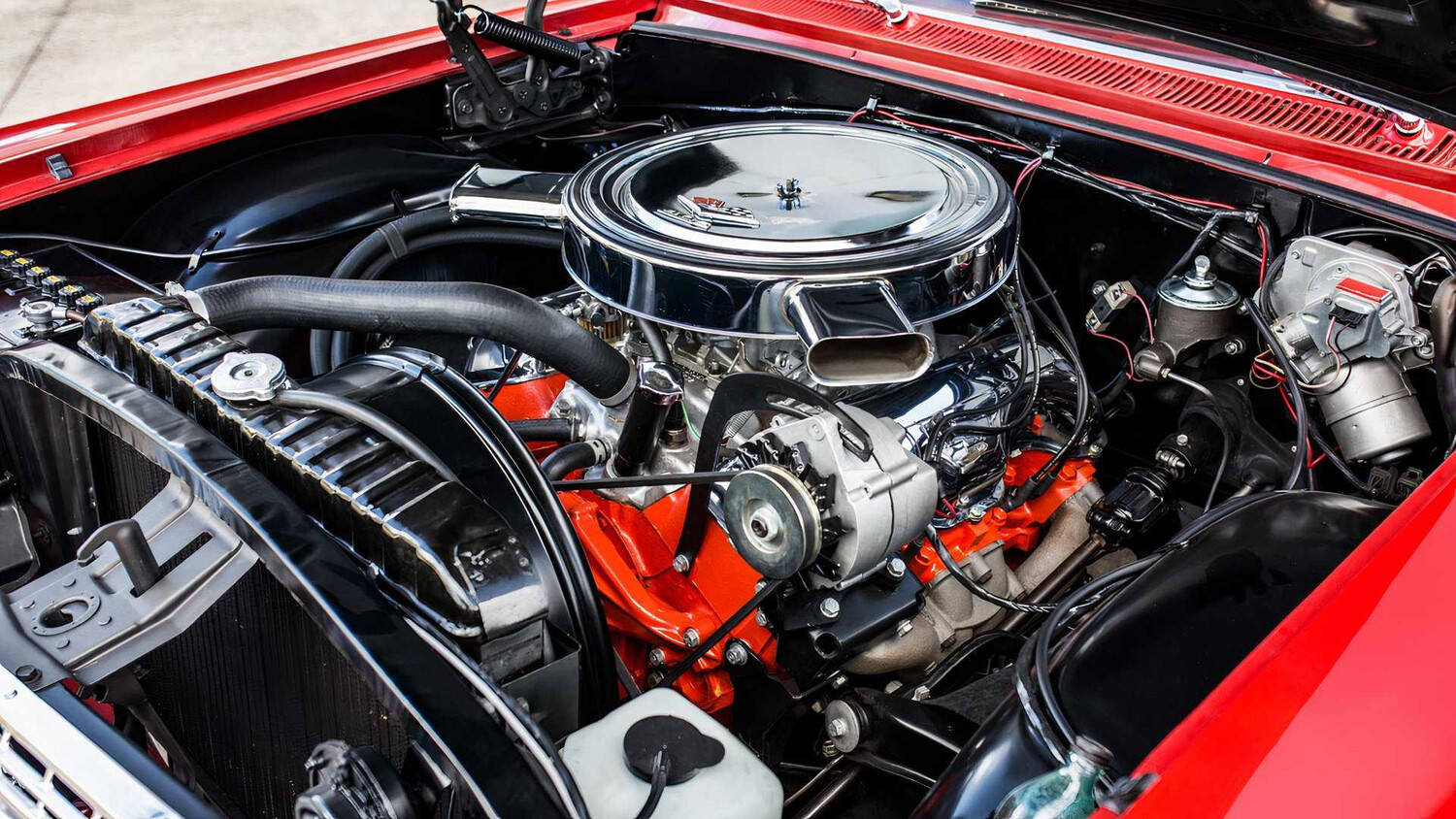
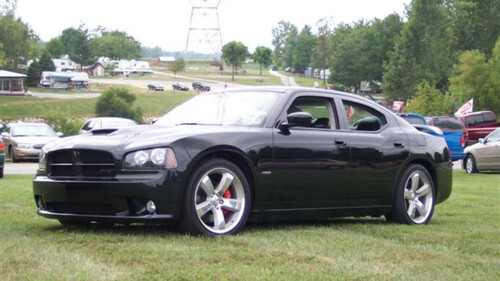
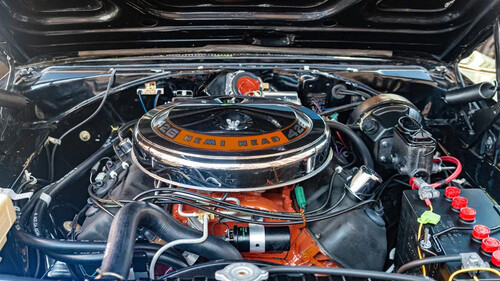
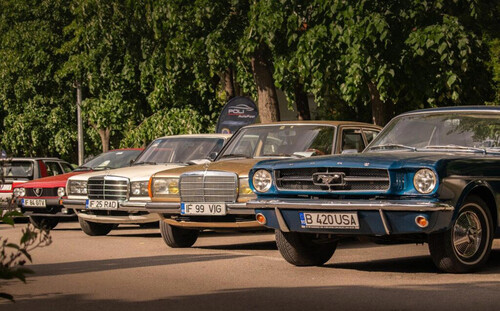
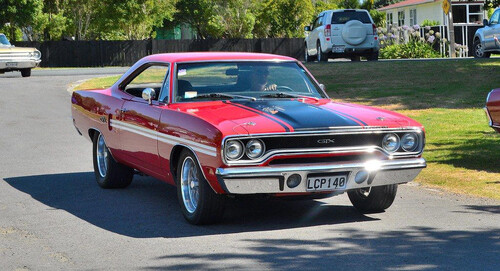
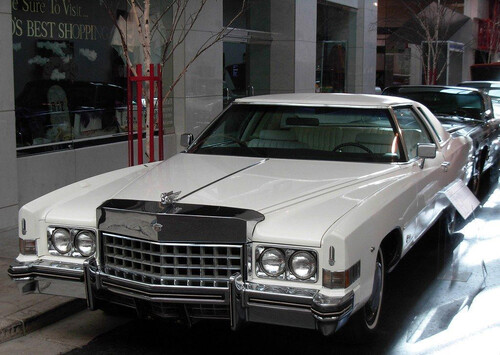
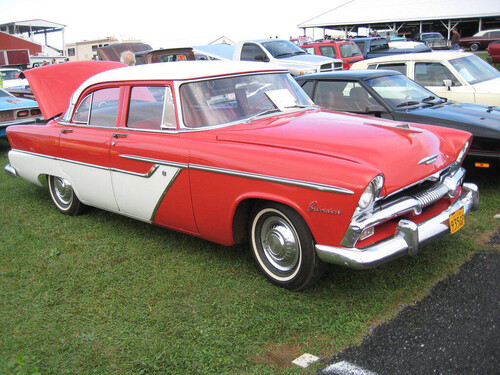
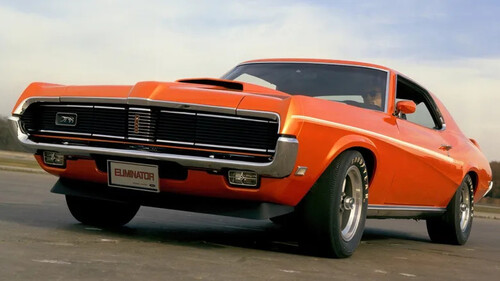
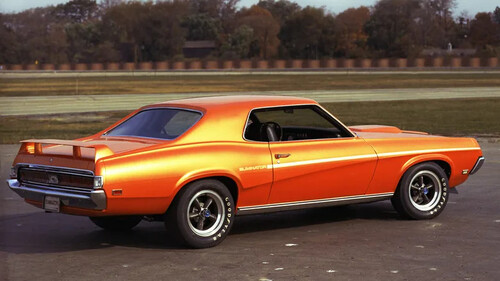
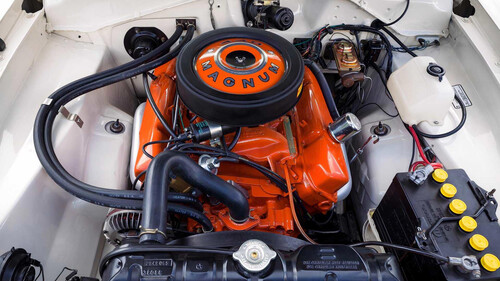
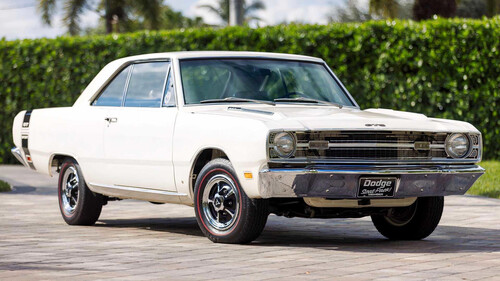
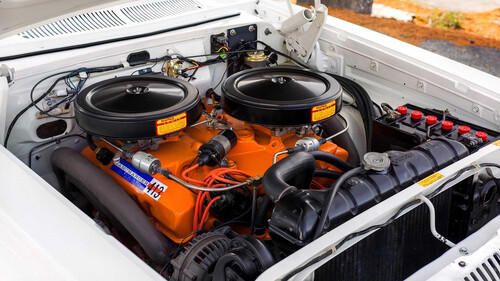
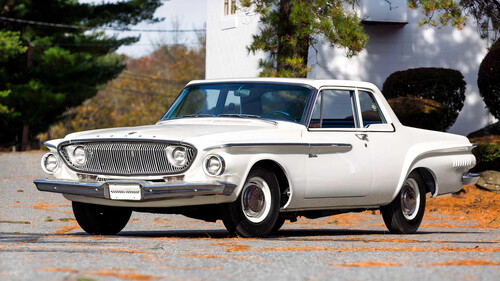
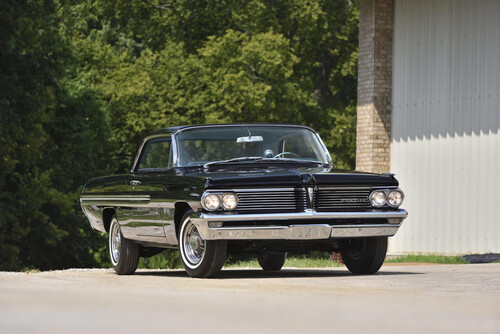
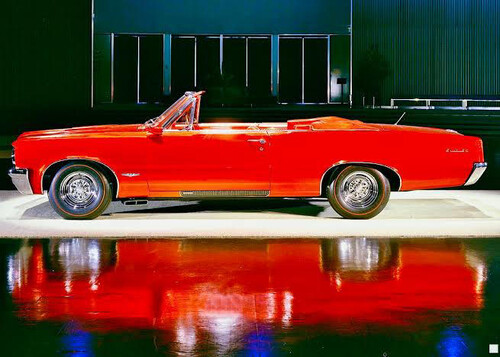
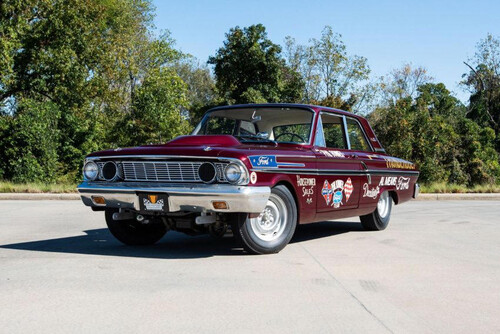
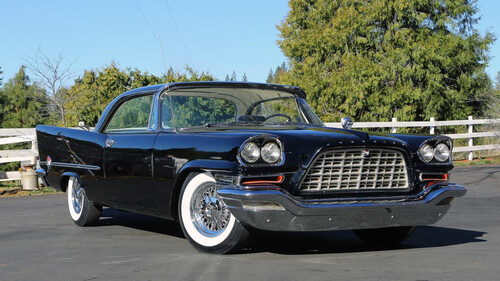
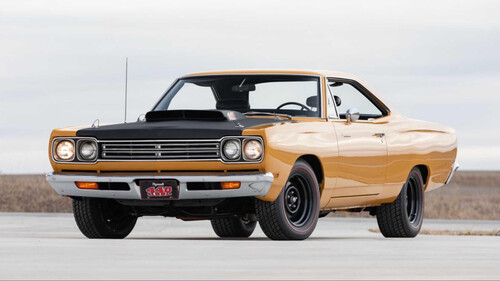
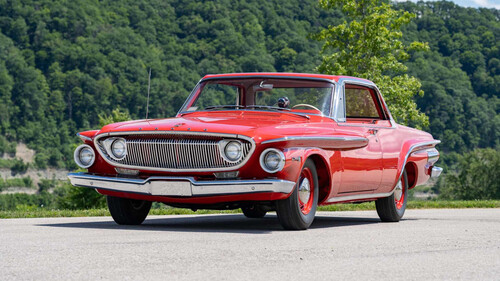
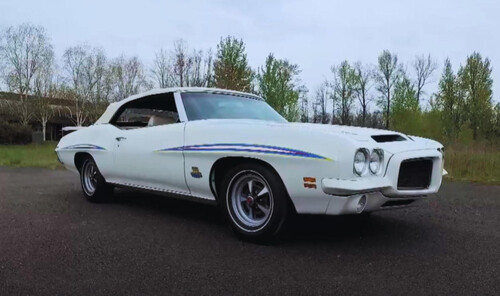
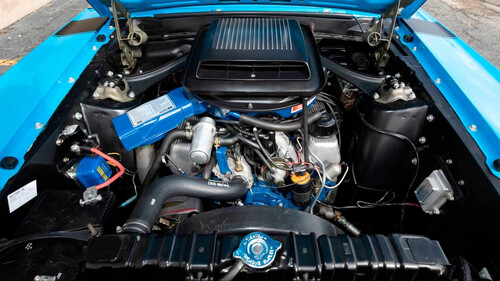
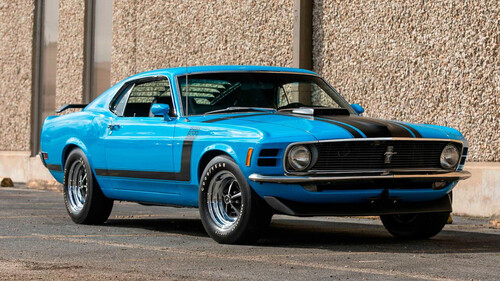
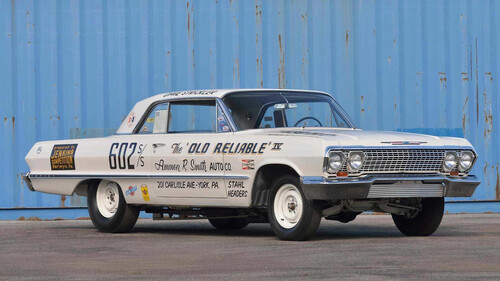
From an automotive perspective, there is nothing as uniquely American as the big-block V-8 engine. Japan and Europe have built V-8s, but they never dared to go as big and bold as the U.S. monster engines. Bigger isn't just better, it's badder, and that's the whole point behind the massive cubic inches that defined the Golden Age of American Muscle. There were definitely some solid small-blocks, but a Dodge Charger or Chevrolet Chevelle were never better than with a gargantuan big-block.Not only did the huge displacement beasts pump out the ponies, but they also got the blood pumping of anyone stomping on the accelerator. Even though modern small-blocks produce more horsepower, they're too sterile and precise, while old-school V-8s gave a teeth-rattling visceral experience that fills you with an obscenity-shouting joy. These are the Made-in-America monster V-8s that launched a million speeding tickets and changed the game for street performance.In order to give you the most up-to-date and accurate information possible, the data used to compile this article was sourced from various manufacturers and other authoritative sources. Engines are ranked by horsepower from lowest to highest. Ford Super Cobra Jet 429 Maximum Power: 375 HP Engine of 1969 Ford Mustang Boss 429When the first entry on a list of the biggest and baddest American V-8s is a 429 Super Cobra Jet, that is a pretty good indication of the awesomeness to come. Ford actually wanted to use the 429 in NASCAR, so to qualify it for competition, they had to sell a certain number to the public. Since they were just homologating the engine, they needed a car to put it in, and some genius came up with the idea of shoehorning it into a Mustang Fastback. Engine Specifications And Applications The result was the 1969 Boss 429, the greatest of the first-gen 'Stangs and by far the most collectible regular production car. NASCAR only required 500 sales, but Ford went ahead and built 1,359 of these glorious rides, 858 in '69 and 499 in '70. The wacky thing is, Ford scrapped the idea of using the engine in NASCAR almost immediately after the Boss 429 was conceived, but went ahead and made them anyway, and for that we thank them. Chrysler FirePower 398 Maximum Power: 375 HP Engine of 1957 Chrysler 300CThe Chrysler FirePower engines had a hemispherical combustion chamber and, while technically the first Hemi V-8s, they were not marketed as such. They have definitely gotten some retroactive love as the modern 6.4-liter Hemi 392 that made the rebooted Challenger and Chargers so insanely fast. The original FirePower 392 was built for Chrysler's full-size car lineup, but there was a special variant reserved for the 1957 300C. Engine Specifications And Applications With a dual-quad set-up, the 300C's 392 FirePower cranked out an amazing 375 horsepower, which was unheard of at the time. There was a fuel-injected 390-horsepower variant for 1958, but it was a whopping piece of crap, and 15 of the 16 produced were recalled and fitted with carburetors. The 300C was expensive, at $5,359 ($61,307 adjusted for inflation), so not many were sold, but it did show there was an appetite for high-performance, if only it could be made affordable. Chrysler Max Wedge 413 Maximum Power: 380 HP 413 engine of 1962 Dodge Dart 330 Max WedgeIn between the 392 FirePower and 426 Street Hemi, Chrysler had the "Wedge" V-8s, so named after their wedge-shaped combustion chambers. It's easily one of the most forgotten of the killer classic big-blocks, despite being immortalized in song. Actually, slandered is a better term as the Beach Boys wrote a far-fetched tune called "Shut Down," in which a wimpier Corvette 327 overcame a wonky start to miraculously beat a clean-launching 1962 Dodge Dart Max Wedge 413. Engine Specifications And Applications For 1962, the Max Wedge 413 got a 2x4 carb version that was rated at 380 horsepower, but more than likely jammed out 425 ponies. It also produced over 500 pound-feet of torque, which meant any car equipped with it was a land rocket from a dead stop. The Max Wedge 413 was a drag engine, and in fact, it saw plenty of use at the strip, but it was available as an option at any dealership in America. This was a factory drag car disguised as a regular production model, and it doesn't get much cooler than that. Chrysler 440 Six Pack/6BBL Maximum Power: 390 HP Engine of 1969 Plymouth Roadrunner A12The original mission statement for the muscle car was to deliver kick-ass speed for a price anyone could afford, but by 1968, many models were near-luxury rides with sky-high MSRPs. Plymouth sought to rectify that problem with the Roadrunner, which was a no-frills speed machine and a budget-friendly price tag. In 1969, Chrysler helped out the cause with the development of the 440ci V-8 with a triple two-barrel carb setup that delivered Hemi-like performance at half the cost. Engine Specifications And Applications Known as the 440 Six Pack at Dodge, and the 440 6BBL in the Plymouth division, this cheap powerplant complemented the affordable nature of the Roadrunner as a street terror. The cost of a '69 Roadrunner Hemi was up to $4,126 while a 6BBL car was just $3,407, which doesn't seem like a big deal now, but was significant back then. Of more significance was the fact that neither GM nor Ford had anything that could hang with a '69 Roadrunner 6BBL, and that was the point of its amazing budget engine. Oldsmobile Rocket 455 Maximum Power: 390 HP Engine of 1968 Oldsmobile Hurst/Olds From 1963-1970, all GM divisions were under a corporate ban on engines over 400 cubic inches in intermediate cars. What this ridiculous edict achieved was to cede most of the Golden Age of American Muscle to Mopar, because sub-400ci V-8s could not compete with the 440 Six Pack or 426 Street Hemi. Oldsmobile got tired of getting their asses kicked and found a clever workaround by partnering with Hurst Performance to build some 455-equipped monsters. Engine Specifications And Applications Because the 455s were allegedly installed by Hurst, not Oldsmobile, it was a technicality that slipped right through a loophole. The 1968 Hurst/Olds, based on the 442 muscle car, featured a 390-horsepower variant of the Toronado's 455 V-8 and made it the first legitimate 13-second car from any GM division. Only 515 were produced in '68, making it a super-rare Olds collectible. Oh, and by the way, the engines were actually installed at the Oldsmobile factory, but GM was none the wiser about the dissension among the ranks. Cadillac 500 Maximum Power: 400 HP Engine of 1970 Cadillac EldoradoThe massive displacement mania hit its peak in 1970 with the introduction of the Cadillac 500ci V-8. As a stroked-out variant of the 472, it was exclusive to the Cadillac Eldorado, giving the luxury liner a bit more oomph. It was originally rated at 400 horsepower, which was more than enough to give the slow-rollin' luxury car some more urgency, but it was all downhill from there. For 1970 and 1971, this was a great engine, but external forces like government emissions regulations and consumer demands for more fuel efficiency robbed it of its glory. Engine Specifications And Applications Every year, the 500's power was reduced, and by 1976, it barely eked out 190 ponies, which was less than half of its original capabilities. While that's certainly a shame, the real travesty is that the 500 was never developed as a performance engine. With some higher compression, a hotter cam, and headers, this could have been a 500+ horsepower beast. If you think a Chevelle SS 454 is badass, and it is, just imagine an SS 500. It could have been the ultimate muscle car that would have stoked both awe and fear wherever it rumbled. Chevrolet 409 Maximum Power: 425 HP Engine of 1963 Chevrolet Impala SS ConvertibleWhile the Beach Boys totally missed the mark on the Max Wedge 413, they nailed it with their song "409" about a super-fast Chevrolet Impala. The title is, of course, a reference to the mighty 409ci V-8, which became Chevy's top performance engine in 1961. Initially rated at 360 horsepower, a dual-quad version, available in 1962, generated one horsepower per cubic inch of displacement. That is the version the Beach Boys were singing about on their 1962 hit single, but had they waited until the next year, they would have had a much faster car to immortalize in song. Engine Specifications And Applications Starting in 1963, the 409 engine came with twin Rochester carburetors and a compression ratio of 11:1 that generated an astounding 425 horsepower. Under the hood of the '63 Impala SS, the 409 created the first regular production muscle car, one year before that was an actual thing. Unfortunately, GM banned all of its divisions from using 400+ cubic inch engines in intermediate cars, so this incredible engine never got a chance to make the Chevelle SS the Mopar killer it should have been. Chrysler 426 Street Hemi Maximum Power: 425 HP Engine of 1968 Dodge Hemi Charger R/TWhen Chrysler resurrected their hemispherical engine in 1964 with the 426 Hemi, they only intended to use it for NASCAR racing, and more specifically, to make Richard Petty the fastest driver on the circuit. It did just that, but Ford went crying to NASCAR and got the engine banned until it could be sold in certain numbers to the public. The homologation requirements were probably around 500-1,000 units, but Chrysler decided to make the 426 Street Hemi an option on all its intermediate cars in 1966, which radically altered the course of the classic muscle car era. Engine Specifications And Applications While everyone else, including Ford, was stuck with 14 or 15-second rides, suddenly Hemi-equipped Dodge and Plymouth cars were 13-second street dominators. In the greatest case of serendipity in automotive history, the second-gen Dodge Charger and the 426 Street Hemi were paired to create the ultimate Golden Age muscle car. The 426 Hemi was the defining engine of the time, and the 1968 Charger R/T was the signature design of the era. Together, they formed classic muscle car perfection of style and performance. Chevrolet 427 L71 Maximum Power: 435 HP Engine of 1967 Chevrolet Corvette Sting Ray L71While Buick, Oldsmobile, Pontiac, and even Chevy were saddled by GM's big engine ban for most of the 1960s, the Corvette got a free pass to awesomeness. As the flagship and halo model of the entire corporation, the Chevy sports car got special treatment, and in 1967, that meant access to the powerful 427ci V-8. There were several variants of this engine, but the top performer was the L71, which produced a neck-snapping 435 horsepower, with its 3x2 "Tri-Power" carb setup. Engine Specifications And Applications The C2 generation of the Corvette is considered by many to be the best in the American sports cars' history, as well as one of the most beautifully designed vehicles of all time. A car as amazing-looking as a 1967 Corvette Sting Ray, equipped with the baddest factory engine of the decade, is nothing short of awe-inspiring. Nobody ever looked cooler and went faster than sitting behind the wheel of a '67 'Vette 427 at that point, and it would be decades before its performance was once again matched. Chevrolet 454 LS6 Maximum Power: 450 HP Engine of 1970 Chevrolet Chevelle SS 454 LS6Chevy celebrated GM lifting its silly big-engine ban in 1970 by equipping its coolest ride with the most powerful big-block of the entire Golden Age of American Muscle. The standard 454ci V-8 was rated at 390 horsepower, which doesn't suck, but also isn't particularly mind-blowing. The LS6 version of the 454, however, ratcheted the output up to 450 ponies, which is a genuine skull-exploder, and made for an equally explosive launch in the 1970 Chevelle SS. This was a one-year party only, as the 454 LS6 was detuned to 425 horsepower in 1971, before its discontinuation. Engine Specifications And Applications The importance of the 454 LS6 cannot be understated, as it finally gave Chevy an engine that could compete with the 426 Street Hemi. For most of the classic era, Chevelle owners had to settle for second place to the Hemi-equipped Mopars, but now they had something that could not only run with them but occasionally beat them. The 1970 Chevelle was easily its burliest and most aggressive design, and the addition of a monster V-8 combined to make the greatest GM muscle car of the Golden Age.