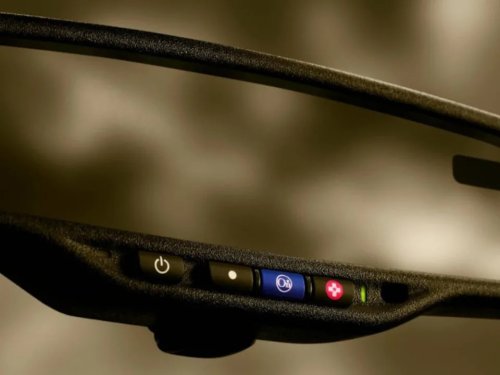
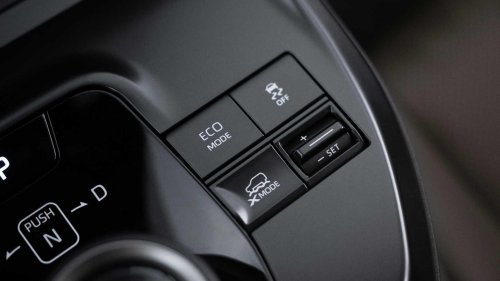
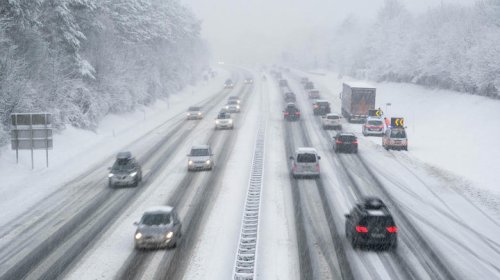
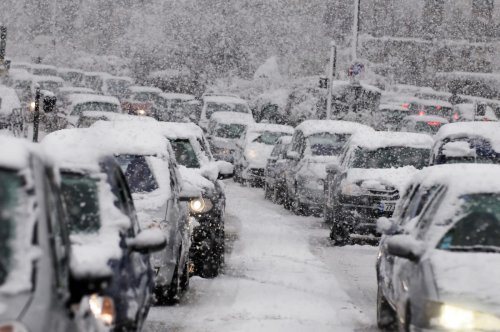
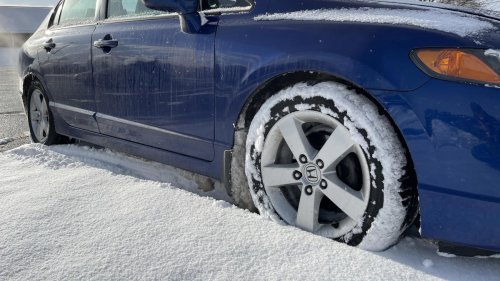
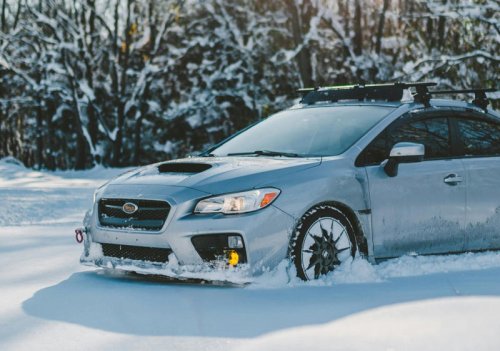
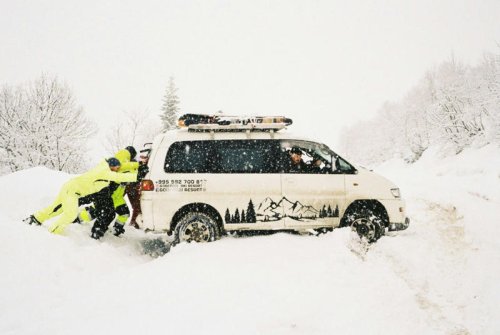
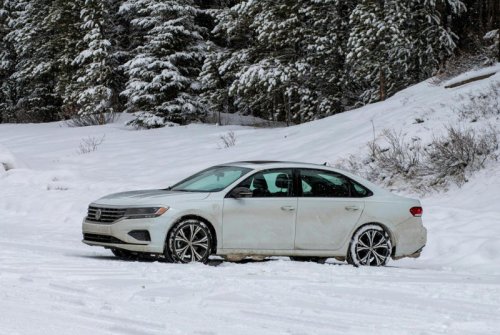
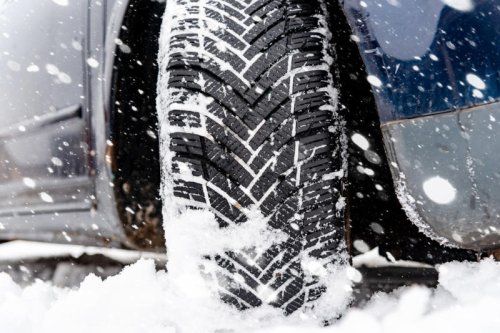
Driving in snow is a challenge. The loss of control, increased braking distances, and then the dreaded black ice. But even parking lot snow can be problematic. Last week, a solid amount of snow hit the Midwest, and we were hit with a foot of it within 24 hours. I had to drive my son to indoor soccer, and I encountered one of the worst winter logjams in recent memory. image-placeholder-title I was able to help get three vehicles unstuck in less than five minutes. It wasn’t magic, nor am I some Herculean figure with immense strength. I relied on a simple set of techniques that uses common sense, eliminates intrusive technology, and leverages physics and friction instead of brute force. If you live anywhere that gets serious winter weather, this is the knowledge that can save your sanity, your back, and your tires. Granted, these were vehicles stuck on pavement, not in a ditch or on an incline. Those situations require a capable vehicle to tow it out of trouble. Assess the Situation 020-cars-in-snow-jpg If you're stuck in a parking space on your own street where you're not in anyone's way, you have plenty of time. In my situation, there was a single line of cars trying to get out of small parking lot. Only part of the parking lot had been plowed. There was only one way out, and the three cars stuck in several inches of snow were blocking everyone. Thankfully, I wasn't stuck, but I was in a long line of cars waiting to get out. Horns were blaring, tempers were flaring, wheels were spinning. On top of that, I had to get my other kids to swim practice. I was driving a Land Rover Defender, so I knew I could get out if no one was in my way. I felt I had to do something fast. Seeing as how I was already familiar with the parking lot because of my son's soccer practice, I knew the layout. The three cars had managed to get out of their parking spots and into the aisle. That's where they got stuck. There was more than enough space ahead of the first car, so there was room to get him out. The first car was a Honda Civic, so I knew it was front wheel drive. First step, assess the driven wheels. Well, any moron could've figured that out because he was mashing the gas and spinning his front wheels to no avail. He was melting snow and just digging himself deeper. They definitely looked like all-season tires, no big surprise. A couple of soccer dads were pushing, but nothing was happening. Sound and fury but no forward motion. riley-crawford-dh2ib6utf-i-unsplash Before you do anything, you need to know which tires are spinning. In a front-wheel-drive (FWD) car, it will be the front two; in a rear-wheel-drive (RWD), the back two. For an all-wheel-drive (AWD) or four-wheel-drive (4WD) car, it might be all of them, but you still focus on the primary drive wheels or the ones that seem to be stuck the deepest. Perform a Quick Safety Checkdina-badamshina-gujdgt9xhuw-unsplash I told the driver to put his car in park. Don't forget this step. Nobody should be in the path of the car, in front or in back. Ensure the car’s tailpipe is not completely blocked by snow. Running a car with a blocked exhaust can quickly fill the cabin with deadly carbon monoxide. Sometimes when everyone is in a hurry, these measures get tossed out the window. Now, it was time to clear out the snow. It seemed nobody had a portable shovel (including me), so I used my boots to kick the snow out both behind and in front of the two front tires. Clear as much snow out of the immediate path of the car as you can without shoveling out the entire area. I asked the driver to straighten his wheels. Turning the wheels while trying to get out of the snow will only result in more tire spinning because they're trying to pull double duty by steering and moving the car. It also reduces the size of the contact patch and changes the suspension's balance. pexels-picswithjer-30169348 Next, I asked the driver if he knew where his traction control button was (he didn't). I asked him to look for a button with a car icon and wavy tire tracks behind it, usually found somewhere to the left of the steering wheel on the dash or somewhere on the center stack or console. He found it and I asked him to deactivate it. The traction control system will sense the slippage and cut engine power, preventing the tires from grabbing. I told the driver to give the car even throttle slowly but consistently. This is the most critical step—it requires restraint. Once the car lurches forward, it's important to maintain momentum without inconsistent acceleration, mashing the accelerator, or letting off the gas. Unfortunately, his tires still wouldn't bite. Next, I asked him to shift into drive and reverse repeatedly in order to rock the car. While this isn't great for the transmission, it can be done briefly in order to create momentum. I asked a couple of dads to help me push once he started moving forward but not to stand behind the car until I said 'now'. Surely enough, it worked. I had the next two drivers follow the same procedure, and with the help of some other folks, the parking lot got moving again. How to Avoid Getting Stuck in the First Placecar-tires-on-winter-road-covered-with-snowvehicle-on-snowy-alleywinter-tiredetail-of-car-tires-in-winter-on-the-road-covered-with-snow Most drivers think all-season tires are enough, but they'd be wrong. Buy a set of snow tires. This is the most significant factor. Dedicated winter tires (often marked with a mountain/snowflake symbol) outperform all-season tires dramatically in snow and ice. They are made of a softer rubber compound that remains flexible in cold temperatures and feature deep, specialized treads (siping) to grip the road.If you know a major snowfall is coming, park your car in an area that is easily accessible. If possible, shovel a clear exit path before the snow compacts and turns to ice. Give yourself plenty of space to get out, meaning don't park too close to the vehicle in front. Final thoughtsGetting stuck in the snow is inevitable in winter, but being stranded isn't. By treating your resources as temporary traction aids and understanding that slow, deliberate motion is always better than frantic spinning, you can apply these techniques to almost any stuck vehicle and be back on the road in minutes. The lesson learned that day was simple: work smarter, not harder. A shovel and brute strength can fight the snow, but some minor changes work with the physics of the situation, providing the necessary combination to create forward motion, safely and quickly.



















 +53 others