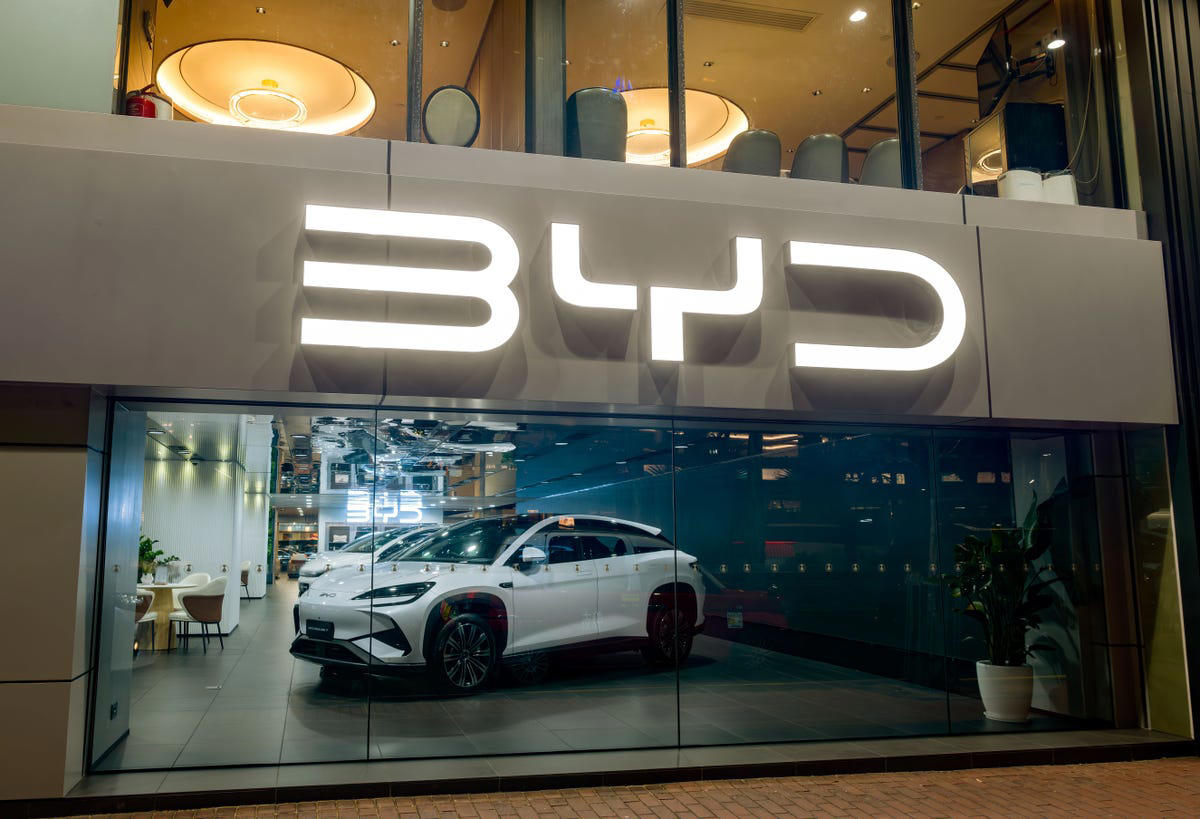



















A group of lawmakers has introduced a bill that looks to permanently block Chinese-connected vehicles from entering the US market, amping up the growing concern in Washington over automotive tech and national security.Representatives John Moolenaar, a Michigan Republican, and Debbie Dingell, a Michigan Democrat, introduced legislation Monday that would expand restrictions first imposed by the Biden administration in early 2025. The proposal would basically prohibit Chinese automakers from selling passenger vehicles in the US if those vehicles contained any Chinese-developed software or advanced connectivity systems. Supporters of the legislation say that modern vehicles collect large amounts of data through their cameras, sensors, and software systems, which could potentially create security risks if controlled by Chinese companies.“Chinese smart vehicles present a clear national security threat,” Moolenaar said in a statement announcing the bill. Dingell added that the legislation is intended to protect both “American drivers and American manufacturing.”Las month a similar Senate bill was introduced by Senators Bernie Moreno and Elissa Slotkin.BYD car showroom, Hong Kong, China.The Biden administration’s original executive order in January 2025 effectively shut Chinese automakers out of the US passenger-car market by restricting the import or sale of vehicles with Chinese software or communications technology. The new legislation would lock those restrictions into law while outlining means of enforcement.The push has broad support from the US auto industry. Trade groups representing the Detroit automakers, Toyota, Volkswagen, Hyundai, and others earlier this year pressured the federal government ban Chinese vehicle imports, warning that China poses “a direct threat to America’s global competitiveness, national security, and automotive industrial base.”Meanwhile, Chinese automakers such as BYD, Nio, and Geely have seen rapid expansion in many parts of the world, includig Europe, South America, and areas of Asia. Many competitors argue the Chinese are gaining an advantage by undercutting other automakers on price.The Chinese embassy in Washington criticized the bill, calling on the US to “stop overstretching the concept of national security.”