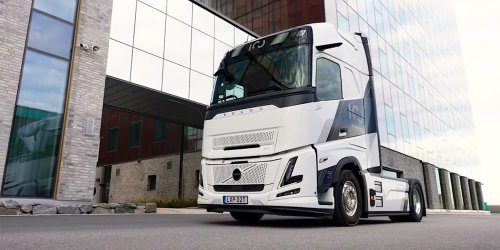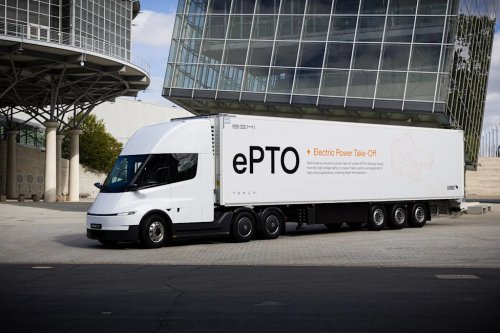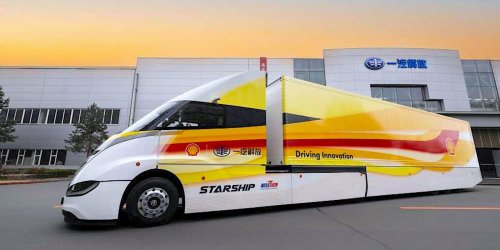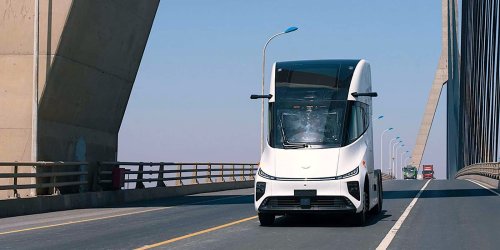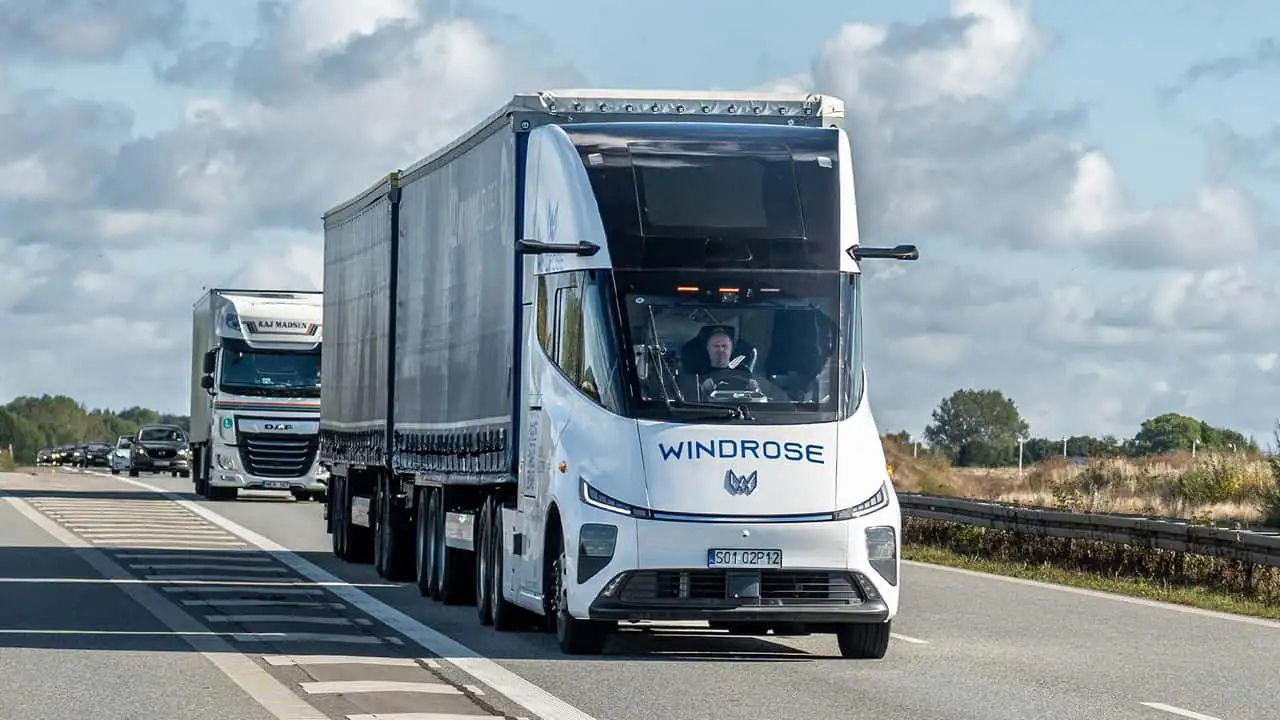



















China’s Windrose makes 1st U.S. delivery of its electric semi truckChina’s Windrose has quietly crossed a line that its better known rivals have not: it has put a battery electric Class 8 truck into a U.S. customer’s hands. The company’s first American delivery of its long haul R700 semi marks a concrete step from glossy renderings to real freight work on U.S. roads. For an industry still arguing about charging standards, duty cycles, and who pays for infrastructure, that single handover carries outsized symbolic weight. The move also crystallizes a new phase of competition. Long haul electric trucking is no longer a contest defined only by Tesla, Volvo, and Daimler. A Chinese startup with manufacturing in Mexico has now inserted itself directly into the North American market, with a vehicle that aims to match or exceed the headline specs of the Tesla Semi and undercut incumbents on cost. What happened Windrose, a Chinese electric truck maker backed by investors that include 37 Interactive Entertainment, has delivered its first heavy duty battery electric truck to a U.S. logistics operator, according to company statements. The vehicle is the Windrose R700, a Class 8 tractor designed for long haul freight, and the initial handover marks the start of a broader commercial push in North America. The R700 is built around a large battery pack and a claimed driving range that targets long distance duty cycles. Reporting on the launch describes the truck as a 4×2 or 6×4 tractor with a rated gross combination weight tailored to the U.S. Class 8 segment, and a battery capacity sized to support long haul routes without intermediate charging in many use cases. According to information shared with industry outlets, the R700 is engineered for highway cruising speeds with a high torque electric powertrain and a cab optimized for aerodynamics and driver comfort. Windrose has positioned this first delivery as the front edge of a larger rollout. The company has already announced that it intends to supply additional units to U.S. fleets and to support them through a network of service partners and charging arrangements. The same R700 platform is being certified for multiple markets, and the company has highlighted that its heavy duty truck has regulatory clearance in the United States, the European Union, and China, as described in coverage of the R700 approvals. The truck itself has drawn attention for its styling as much as for its specifications. Photographs of the R700 show a streamlined, cab over design with a smooth nose, wraparound windshield, and integrated fairings that strongly echo the silhouette of the Tesla Semi. Commentators have pointed to the similar proportions, flush surfaces, and minimalist exterior, with one outlet noting that the Chinese truck “looks so much like” its American counterpart when viewed from the front three quarter angle, as seen in an aerodynamic comparison. Beyond looks, Windrose has framed the R700 as a global product. The company has promoted the truck at trade shows and in technical briefings as a long range electric semi that can operate in logistics corridors in China, Europe, and North America with only minor regional adaptations. Reports on the launch in Mexico describe how the company is using its Mexican operations as a springboard to serve both U.S. and Latin American customers, with the R700 presented as a flagship for heavy duty electrification in the region through a joint Mexico and. The U.S. delivery follows testing and demonstration runs that Windrose has carried out with logistics partners. Coverage in the electric vehicle press notes that the company has been running pilot operations to validate range, charging times, and uptime in real world freight duty. Those tests feed into a broader narrative that the R700 is not a prototype but a production intent vehicle now entering commercial service, a point highlighted in reporting on the first semi handover. Why it matters The arrival of a Chinese built electric semi in the United States matters on several levels. At the most basic, it adds another real truck to a market that has been constrained by limited supply and cautious fleet adoption. Long haul battery electric trucks remain rare on U.S. highways compared with diesel tractors, and most of the vehicles in service are part of pilot programs or small fleet deployments. Every additional OEM that is willing to build and support trucks at scale increases the odds that the technology will move beyond demonstration status. Windrose is also entering a segment where expectations have been shaped by Tesla, even though Tesla’s own Semi remains relatively scarce. The R700 is being presented with headline figures that aim to match or surpass Tesla on range and efficiency, according to technical summaries cited in industry coverage. By delivering a truck that looks similar and promises comparable performance, Windrose is signaling that the design language and aerodynamic targets Tesla popularized are now table stakes rather than differentiators. From a geopolitical and trade perspective, the move is even more significant. Chinese automakers and battery producers have already reshaped the global passenger EV market through aggressive pricing and rapid scaling. Heavy duty trucks have been more insulated, partly because of stricter safety and emissions regulations, and partly because of the complexity of fleet operations. Windrose’s first U.S. delivery shows that at least one Chinese manufacturer is prepared to navigate those barriers and compete directly with American and European truck makers on their home turf, as reflected in analyses of Chinese heavy truck. That competition is not only about vehicle sales. It is also about who controls the value chain for batteries, power electronics, and software. Windrose’s R700 is built around a large battery pack that likely draws on China’s deep supply base for lithium ion cells and related components. If the company can price its trucks aggressively while still meeting U.S. fleet requirements, it could pressure Western OEMs that are already wrestling with high battery costs and uncertain demand. The presence of a Chinese electric semi in U.S. fleets may also intensify policy debates over tariffs, local content rules, and industrial subsidies related to commercial vehicles. The truck’s design and technology choices hint at how Chinese manufacturers plan to compete. Reports describe the R700 as using a high energy battery, advanced thermal management, and software optimized for route planning and energy use. The cab layout appears to prioritize driver visibility and comfort, with a central seating position and digital displays that mirror the approach seen in the Tesla Semi. By combining familiar Western design cues with its own supply chain advantages, Windrose is effectively blending global styling with Chinese cost structures, a pattern already visible in passenger EVs. For U.S. fleets, the key question is not where the truck is built but whether it can lower total cost of ownership. Windrose has promoted the R700 as capable of delivering substantial fuel savings compared with diesel, along with lower maintenance costs due to the simpler electric drivetrain. If those claims hold up in service, the truck could appeal to logistics operators that are under pressure to cut emissions and operating expenses at the same time. The company’s decision to seek approvals in the United States, the European Union, and China, documented in coverage of its multi region certifications, suggests that it is betting on regulatory tightening to drive demand for zero emission freight vehicles. The competitive implications for Tesla are particularly sharp. Commentary in financial and technology outlets has framed Windrose as a direct challenger in the long haul space, since the R700 targets similar routes and customers. Some analysts have argued that by getting a truck into a U.S. customer’s hands ahead of broader Tesla Semi deployments, Windrose has gained a perception advantage that could matter in fleet procurement cycles, a point made in discussions of how a Chinese rival reached before Tesla scaled up. The move also highlights the role of Mexico in the emerging electric truck supply chain. Windrose has used its Mexican operations as a base for both assembly and regional logistics, and Mexican authorities have promoted the R700’s launch as a sign that the country can host advanced manufacturing for zero emission heavy vehicles. That strategy aligns with broader efforts to attract EV investments that can serve both North and Latin America, as outlined in reports on the company’s Mexico based production. For policymakers focused on decarbonizing freight, the arrival of another capable electric semi is both an opportunity and a challenge. On one hand, more competition can accelerate innovation and drive down prices, which helps fleets comply with tightening emissions rules. On the other, the presence of Chinese built trucks may intensify calls for protectionist measures or for incentives tied to domestic manufacturing. Those tensions are already visible in debates over passenger EVs and could now extend to heavy duty vehicles. What to watch next The first R700 delivery answers one question, whether Windrose can physically put a truck into a U.S. fleet, and raises several more. The most immediate is performance in real world operations. Fleets will be watching closely to see whether the R700’s claimed range holds up under full loads, varied weather, and demanding duty cycles. They will also track charging times, reliability, and driver feedback. Early reports from demonstration runs suggest that the truck can complete typical regional haul routes on a single charge, but long haul operations with tight schedules will provide a tougher test, as hinted in technical coverage of pilot deployments. Infrastructure is the second major variable. A long range electric semi is only as useful as the charging network that supports it. Windrose has indicated, through comments summarized in industry reporting, that it plans to work with fleets and energy providers to install depot charging and to explore corridor charging solutions. Observers will look for concrete deals with charging operators, utilities, or truck stop chains that can translate those intentions into plugs in the ground. The company’s ability to coordinate charging solutions may determine how quickly it can move from a handful of trucks to larger fleet orders. Regulatory and political reactions will also shape the trajectory. The presence of a Chinese built heavy truck in U.S. commercial service may draw scrutiny from lawmakers and regulators who are already focused on supply chain resilience and industrial policy. Potential responses could range from targeted tariffs on imported heavy duty EVs to stricter local content rules for vehicles that benefit from public incentives. Analysts following the sector have flagged that any such measures would not only affect Windrose but also other foreign OEMs considering similar moves, a theme that appears in commentary on Chinese EV expansion into overseas markets. Another key question is how quickly Windrose can scale production and sales. Delivering a single truck or a small batch is one thing; delivering hundreds or thousands with consistent quality is another. The company’s messaging around its R700 program suggests that it is preparing for larger volumes, with plans for standardized configurations and modular options for different markets. Investors and competitors will be watching for firm order announcements, production capacity disclosures, and any signs of bottlenecks in the supply of batteries or critical components, as tracked in financial coverage of Windrose’s funding and. More from Fast Lane Only Unboxing the WWII Jeep in a Crate 15 rare Chevys collectors are quietly buying 10 underrated V8s still worth hunting down Police notice this before you even roll window down The post China’s Windrose makes 1st U.S. delivery of its electric semi truck appeared first on FAST LANE ONLY.