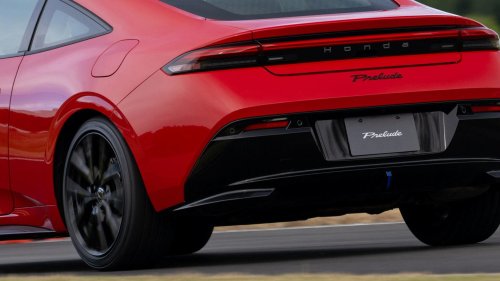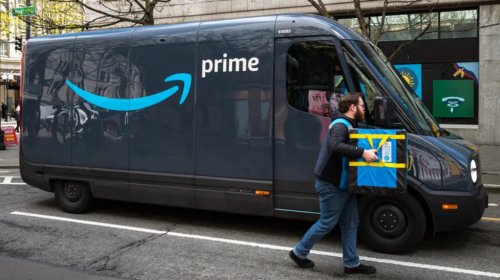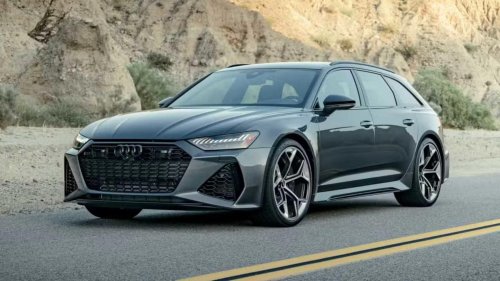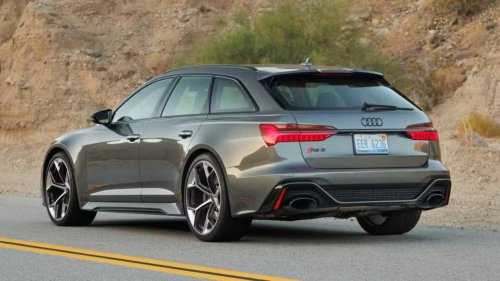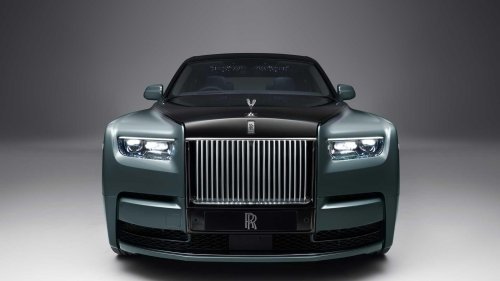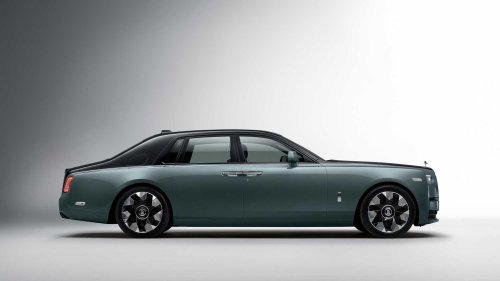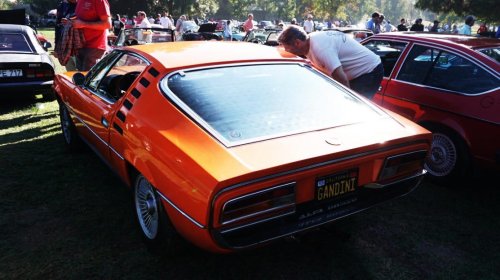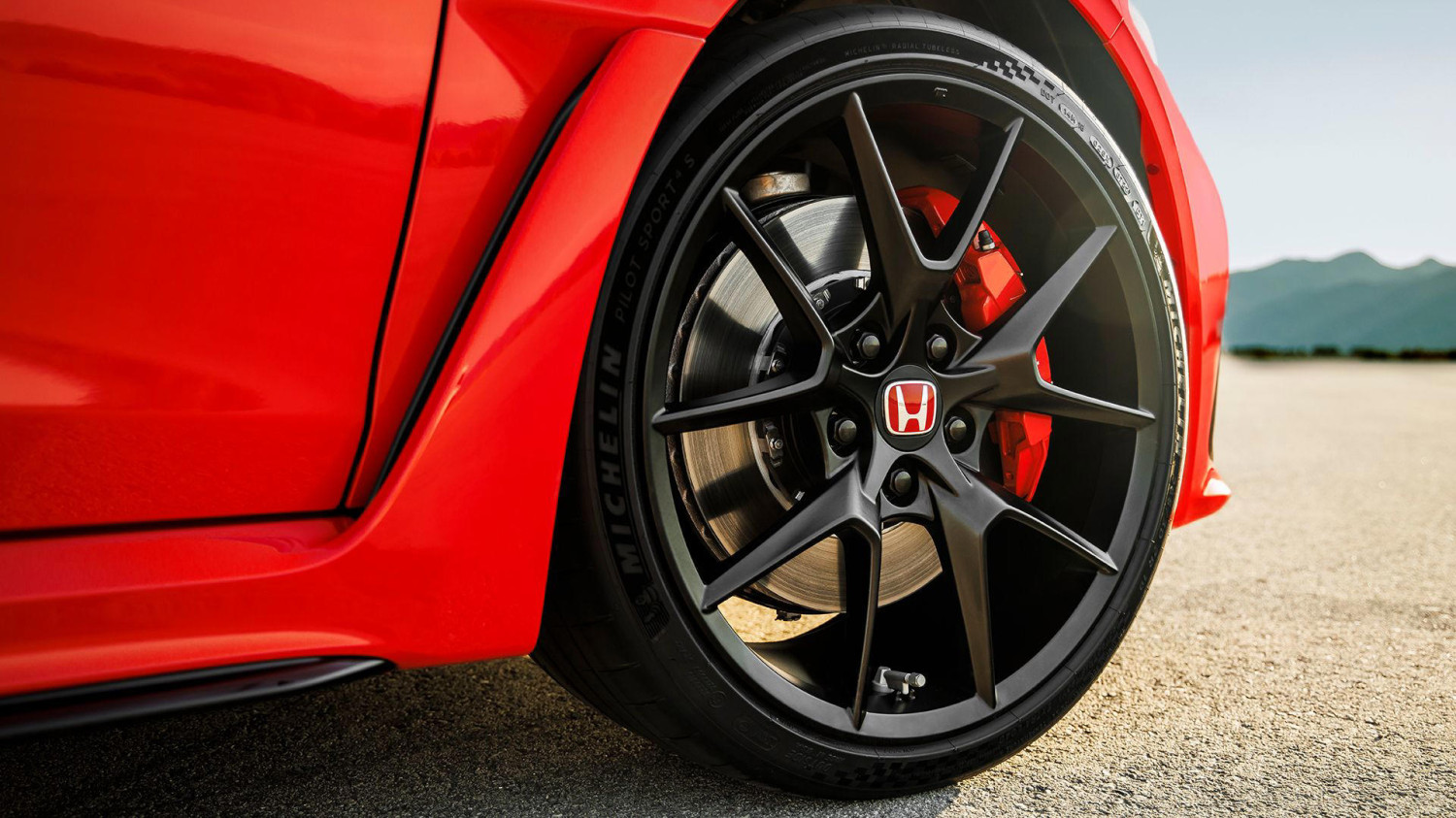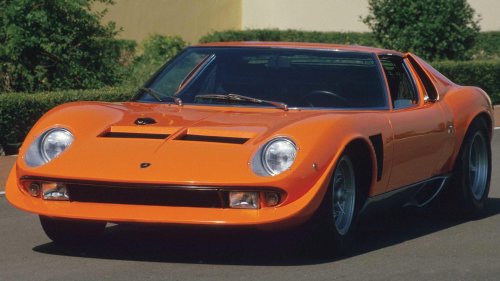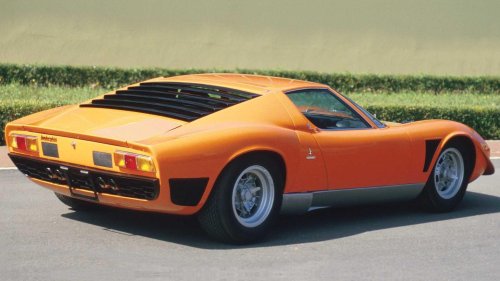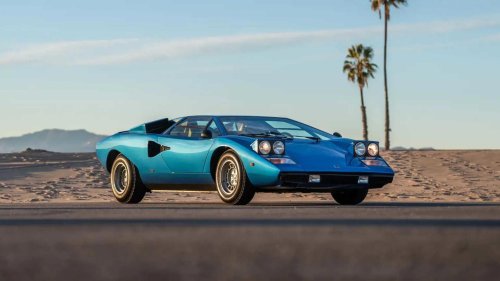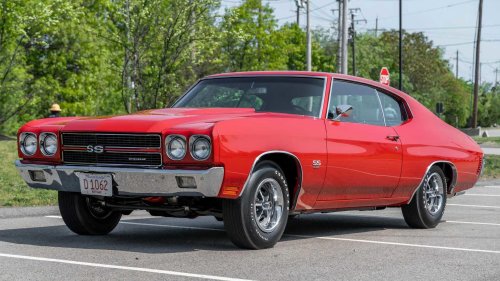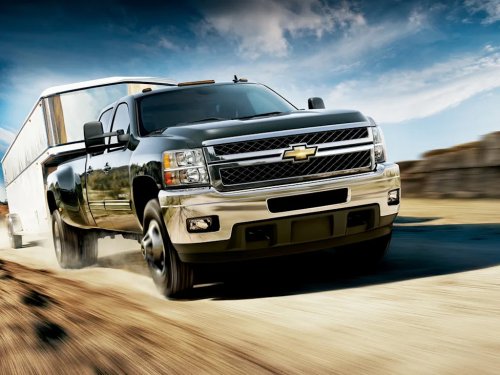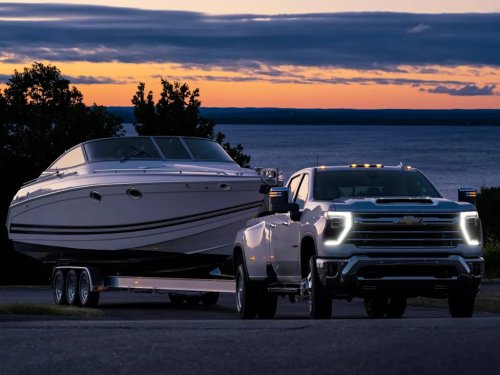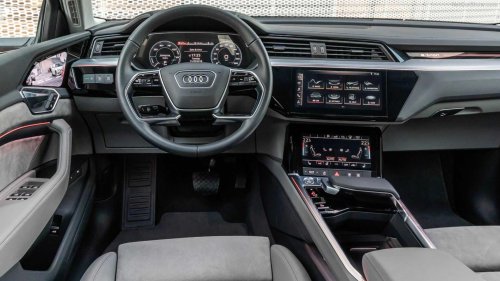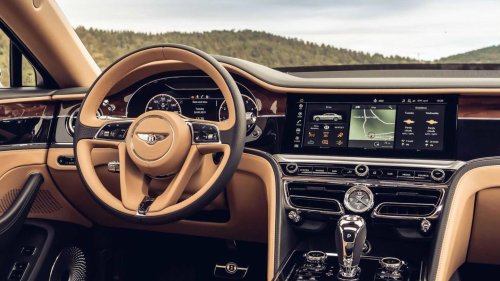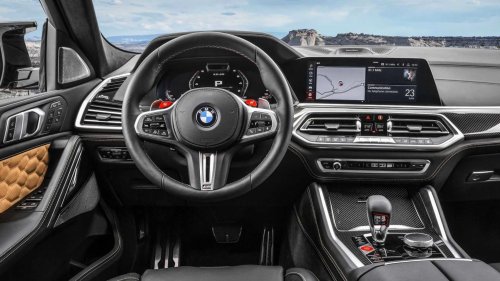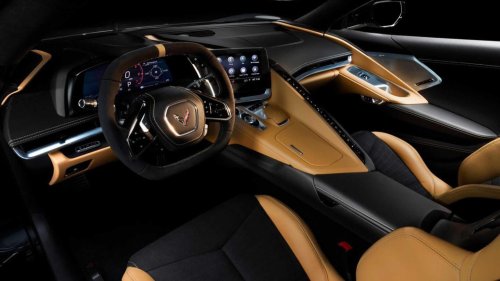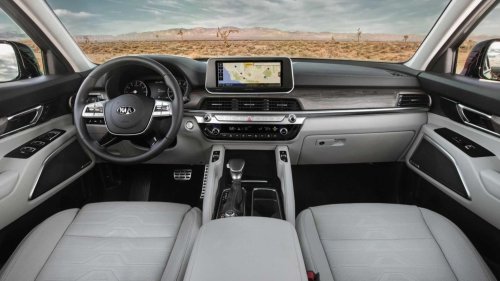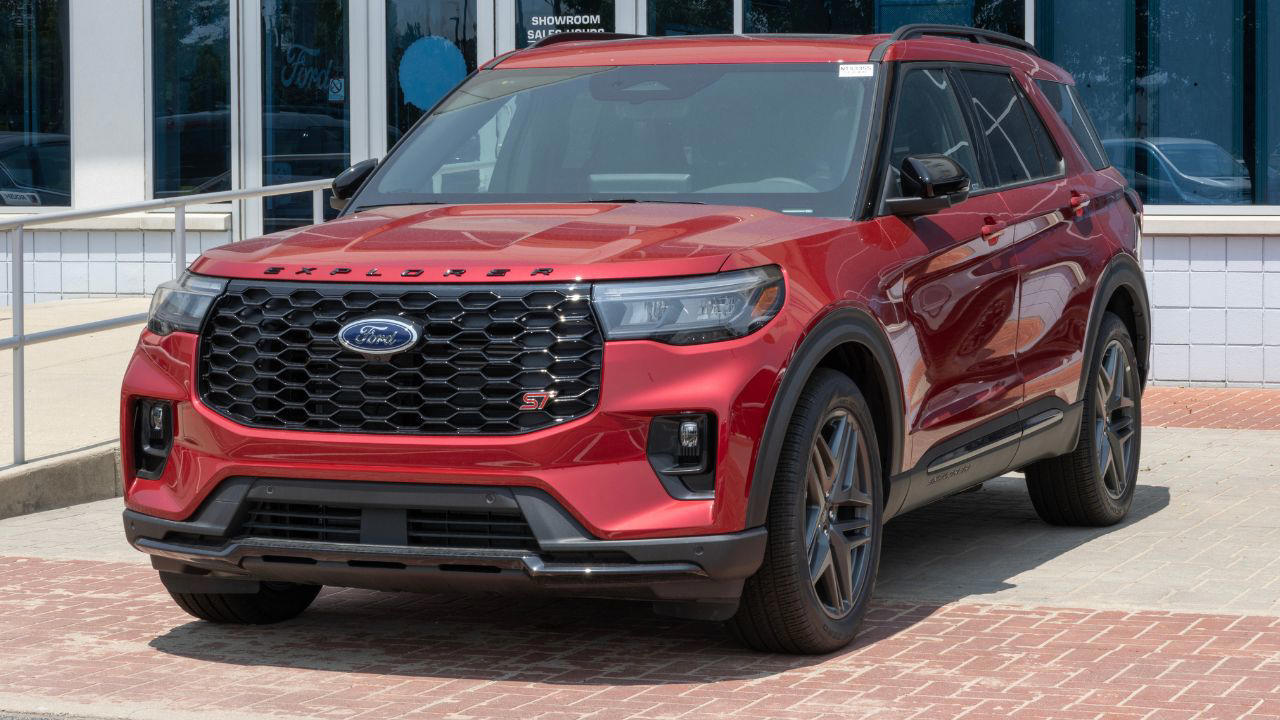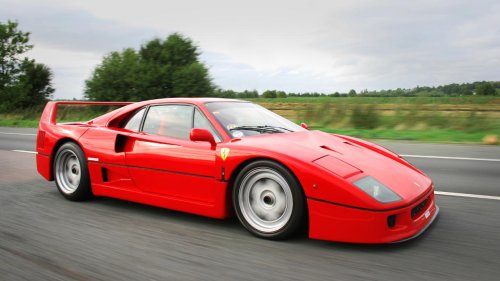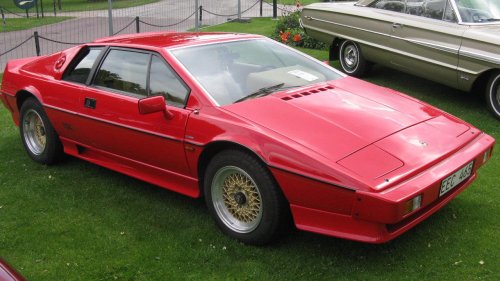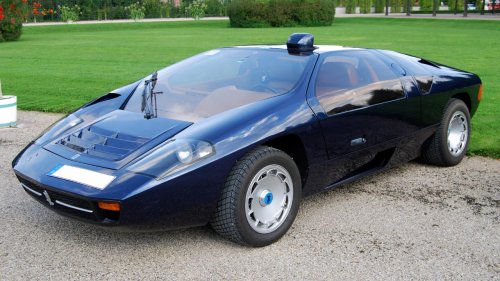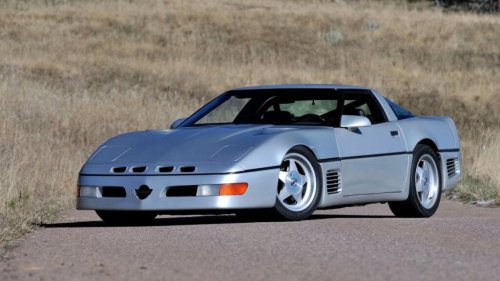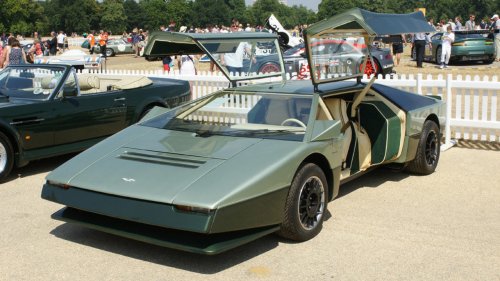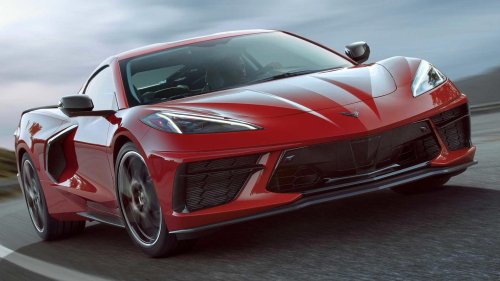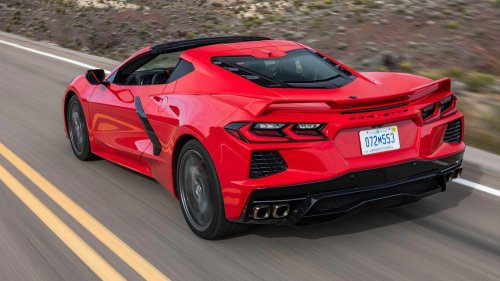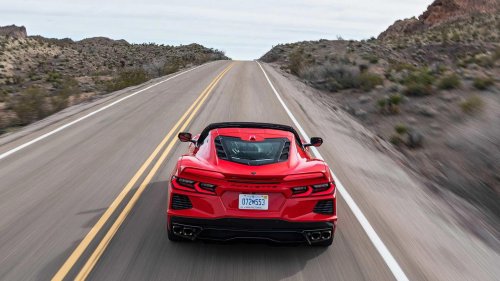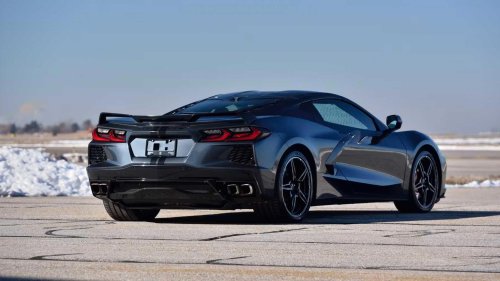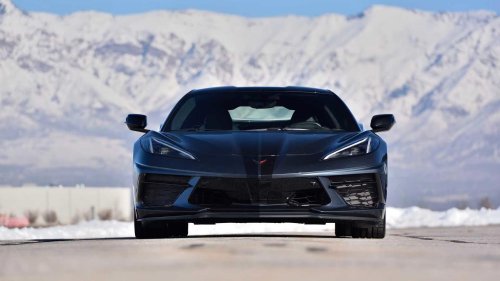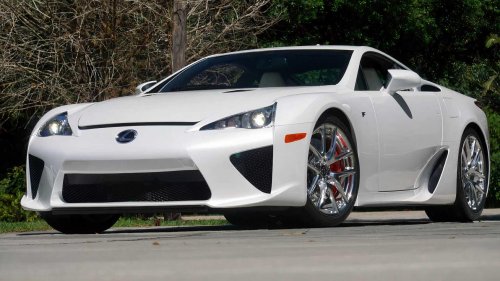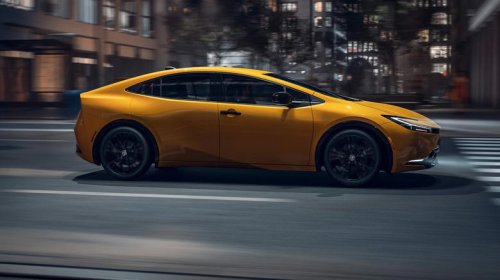
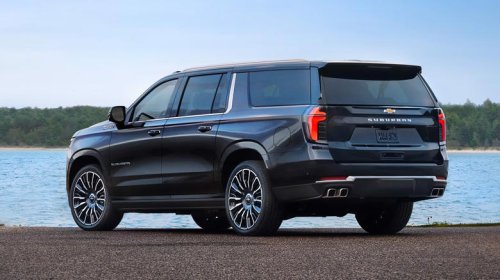
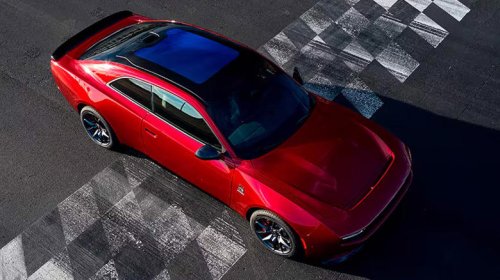
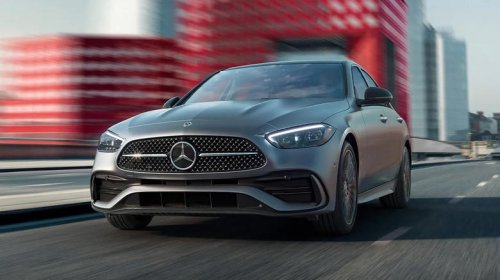




















Good: Toyota PriusWhen I was doing deliveries 20 years ago, the Honda Civic or the Toyota Corolla and Camry were the top tier options. These days, the car we found people recommending more than any other was the Toyota Prius, which makes perfect sense when you think about it. The Toyota Prius gets over 50 MPG in the city regardless of if you get one that's 10 years old or one that was released last year. In terms of fuel economy, the Prius is king of the streets, making it excellent for deliveries. There are other benefits as well. The Prius is as cheap as can be on the open market. It's very common to find a used Prius with well under 100,000 miles for south of $15,000. They're cheap to insure as well, costing less than many comparable vehicles. Repair and maintenance costs aren't quite as low as the Civic and Corolla but it's still pretty good considering there's a whole battery pack in there. When you put it all together, it makes the Prius an exceptional vehicle for delivery driving. You can even get away with driving in EV mode below 25 MPH as long as the battery has juice, which is a common occurrence for delivery drivers. The only downside is that the car takes approximately one eternity to reach highway speeds, but delivery drivers don't usually need to go that fast. Bad: Large SUVsWhen it comes to delivery driving, large SUVs are probably not what you want. By large, we mean vehicles like the Chevy Suburban, Kia Telluride, and Ford Explorer, among others. The reasons are vast, so we'll go through the easy ones first. They're huge and therefore don't fit well in tight parking spaces. Most of them guzzle gas like nobody's business as well. Some, like a late model Ford Explorer, can eke out just a hair over 20 MPG in the city with its most fuel-efficient engine, but the overwhelming majority do less than 20 MPG in the city. Once you get into the weeds, the story doesn't get much better. Large SUVs tend to be more expensive on the used market. For example, the cheapest Kia Telluride within 50 miles of me is $18,000 and has 90,000 miles on it. That's for the base model with front-wheel drive. Not the worst deal, but I was able to find multiple 2020 Honda Civics within 50 miles of me for the same price with as little as 55,000 miles and 50% better fuel economy. Large SUVs are also more expensive to maintain on average. This can vary wildly, but a Chevy Suburban costs $944 per year to maintain according to RepairPal. That's nearly three times what it costs to maintain a Civic or a Corolla. You can absolutely deliver with these vehicles, but you're paying a lot more for it than someone who opts for something else. Bad: Sports cars and muscle carsHave you ever seen someone making Uber Eats deliveries in a Ferrari? There's a reason so few people choose sports cars and muscle cars for delivery driving. Somewhat ironically, it's much for the same reason a lot of folks don't recommend large SUVs — sports cars and muscle cars tend to have abysmal fuel economy. The Porsche 911 Turbo gets around 18 MPG in the city, while the Turbo Coupe gets around 14 MPG. Dodge Chargers can get as low as 12 MPG in the city. Fuel economy is the big issue, but it gets deeper than that. Sports cars and muscle cars are simply more expensive. You can buy approximately eight brand new 2025 Honda Civics for the price of one Porsche 911 Turbo. The annual repair and maintenance cost of a Ford Mustang is roughly double that of a Toyota Corolla. It doesn't matter where you throw the dart, sports cars and muscle cars are simply more expensive to purchase, own, insure, and drive than their economy car counterparts.This matters a lot because delivery driving is a lot about balancing your costs versus your income. If you bring in $300 in a day delivering DoorDash, you'll end up putting more of that into a sports car. It especially hurts when you have to fork out $5,000 for an Audi RS7 headlight assembly.Bad: Luxury carsLuxury cars aren't much better than sports cars for delivery work. They cost more to purchase and insure than economy cars while maintenance costs are similarly high. Per RepairPal, a Mercedes costs around $900 per year to maintain and repair. That's nearly two and a half times as much as a Toyota Corolla. Like we said earlier, delivery driving profits are based heavily on how much you have to spend on your most important tool and luxury cars are right up there in terms of price. However, there are some caveats here. Luxury cars span a fairly wide price range, so it really depends on which ones you choose here. For example, Lexus maintenance costs aren't all that much higher than non-luxury automakers. You can find something like a 2016 Lexus ES Hybrid 300h — which is a hybrid model — for under $20,000 and with under 100,000 miles on occasion. That gives you luxury car chops, 40 MPG combined, and a decent used car price, making it not so bad for delivery work. However, examples like this are few and far between, so shop wisely. If you really want to deliver Taco Bell in the lap of luxury, Lexus and Acura are your best bets. They're less expensive than a Mercedes or Genesis and they cost less to maintain. We still think a hybrid Camry is a better value for delivery driving, though. Bad: Brand new carsYou may have noticed that up to this point, I have been referring to used cars when it comes to delivery driving. There is a reason for that. New cars are nice. That fresh car smell mixed with driving off the lot with less than 10 miles on the odometer is a good feeling. It's great if you intend to keep a car for many years because you can personally make sure that the car gets all of its maintenance, and you know exactly how the car is going to be driven. For delivery driving, getting a used car is the more sensible option. Used cars are far less expensive than new cars. You can find plenty on the market for far less money, reducing your monthly payments. There are other benefits too. Cars lose their value pretty quickly once they're driven off the lot whereas used cars tend to depreciate in a more linear fashion. You can also finance a used car easier even if you don't have stellar credit, getting you on the road and making money sooner.The biggest thing is insurance. Used cars cost less to insure than the same car that's brand new. That's a boon for delivery drivers since insurance companies don't tend to insure delivery vehicles the same way as personal vehicles. You can definitely use a new car for deliveries, but you'll save a ton of money buying used.