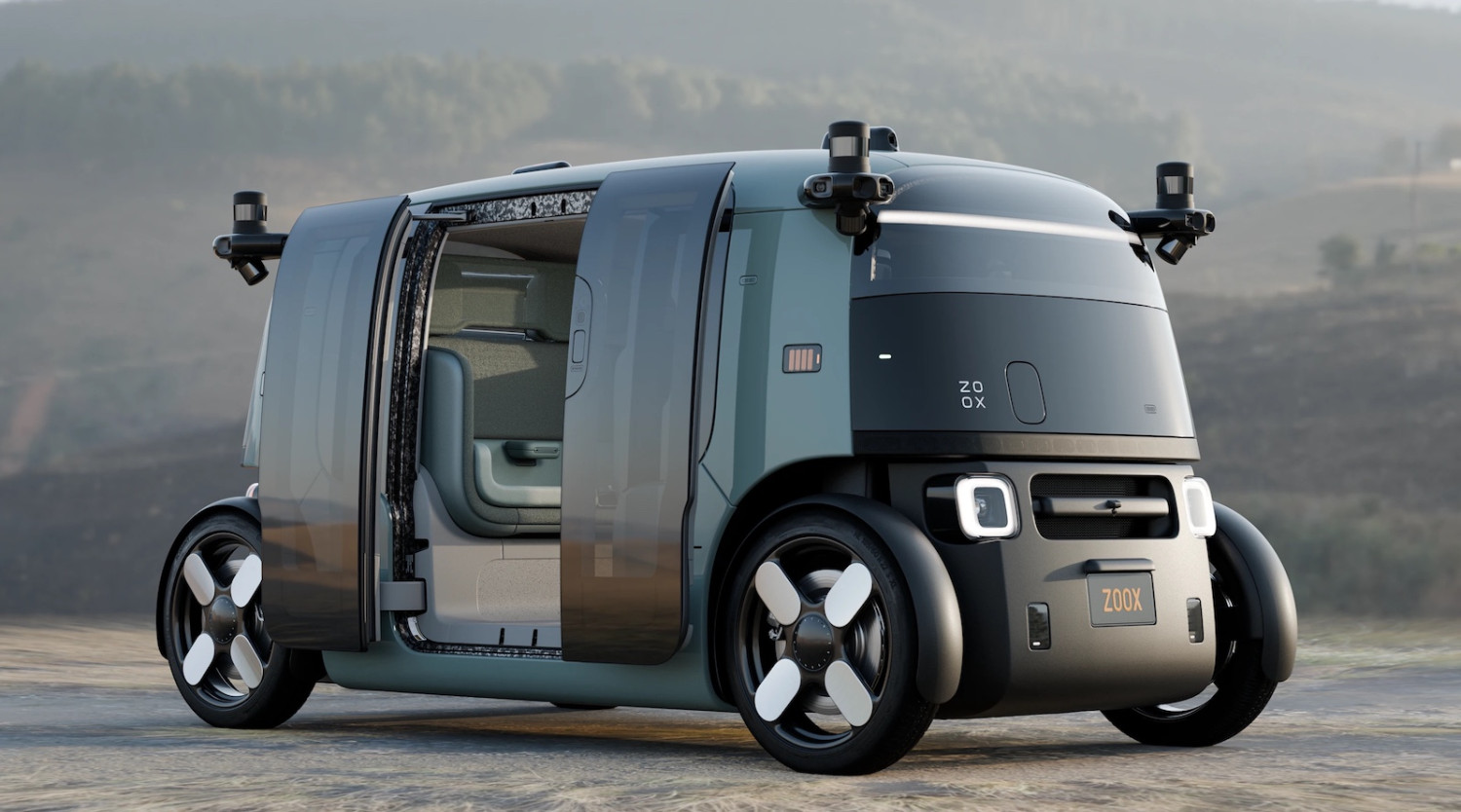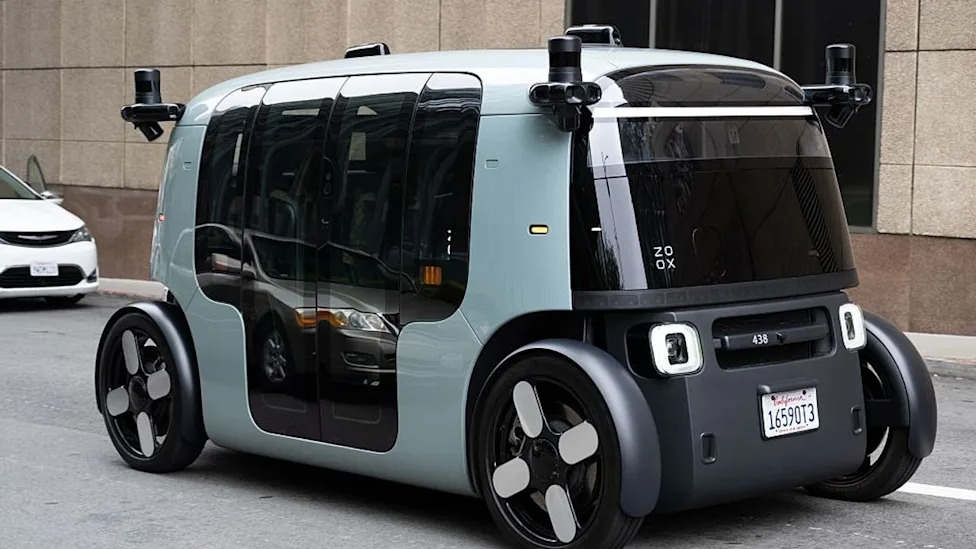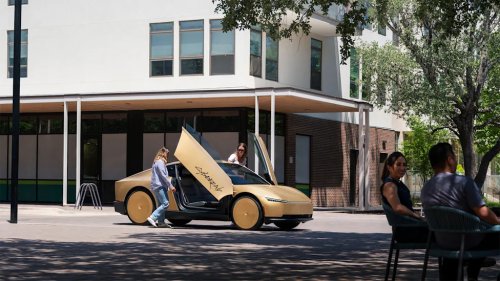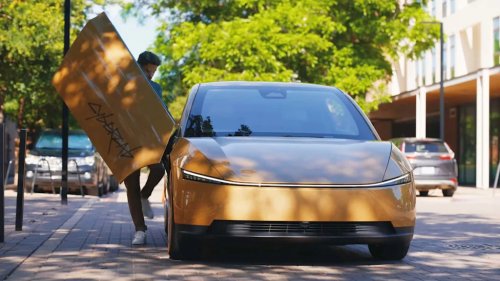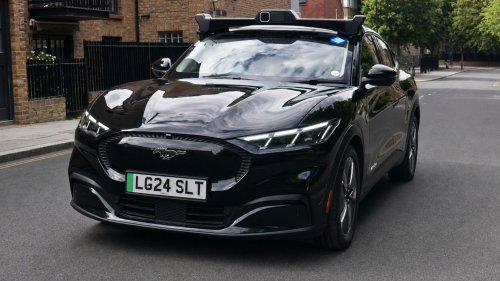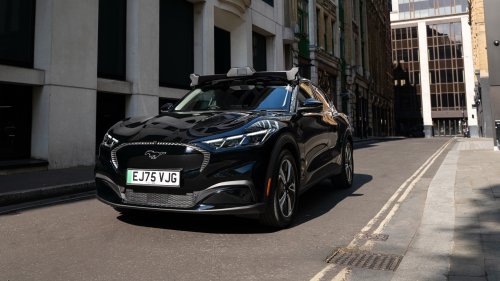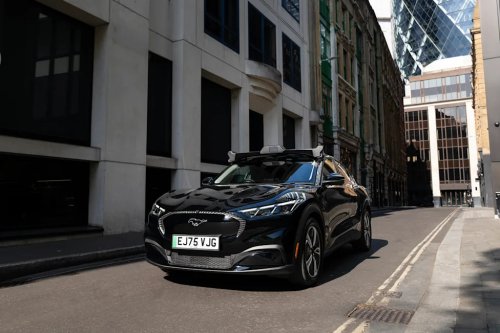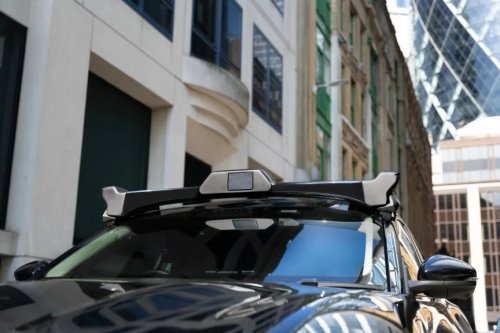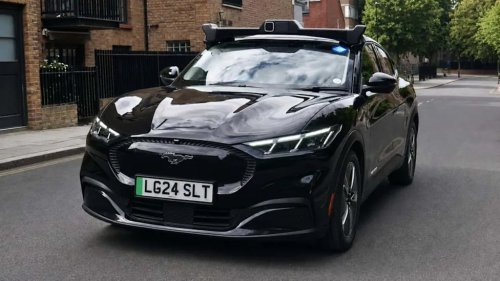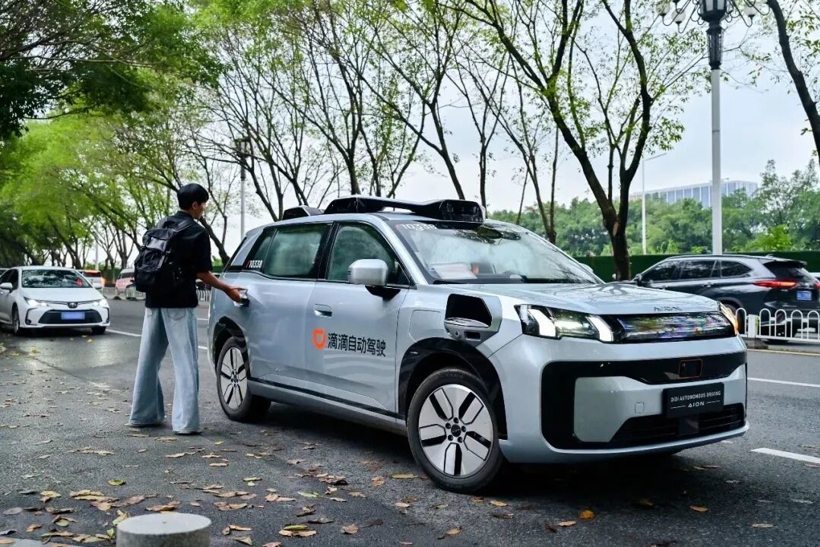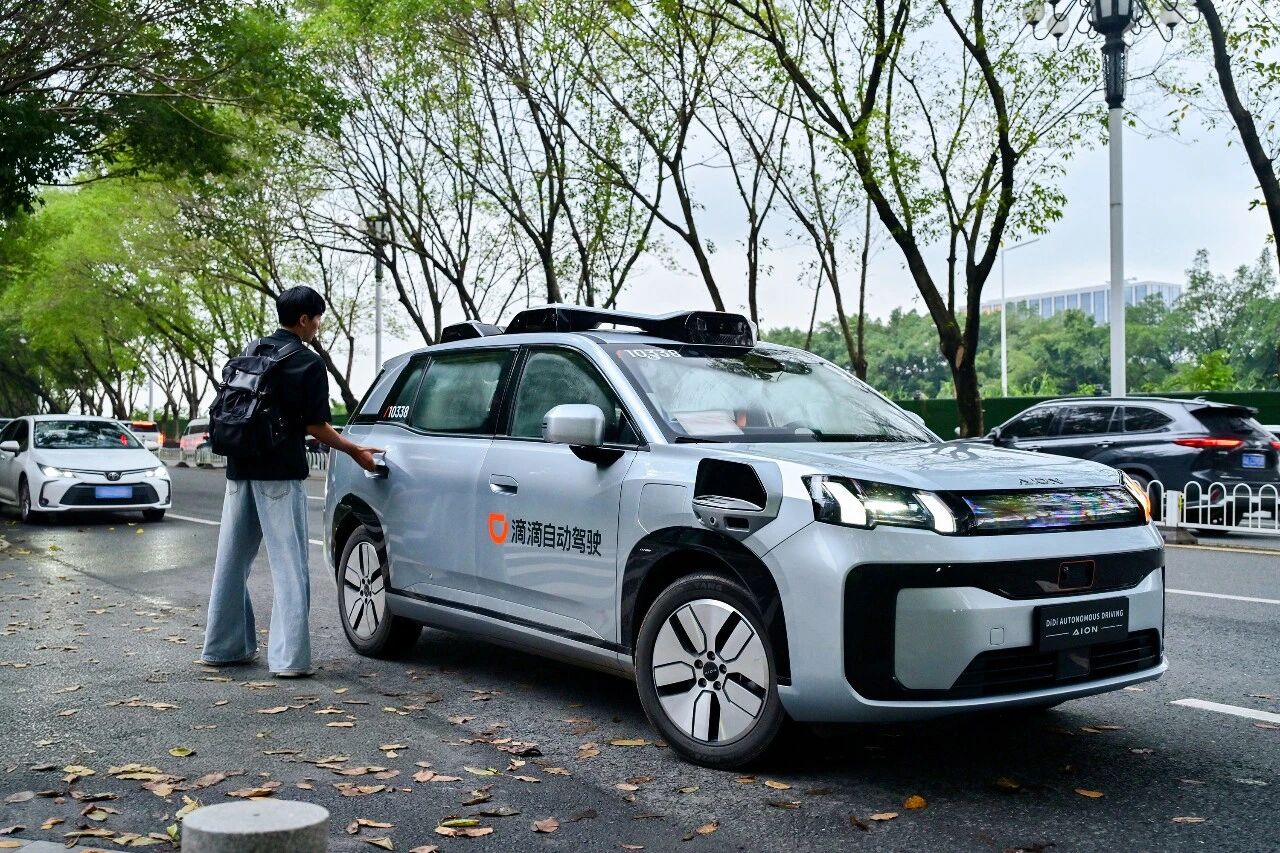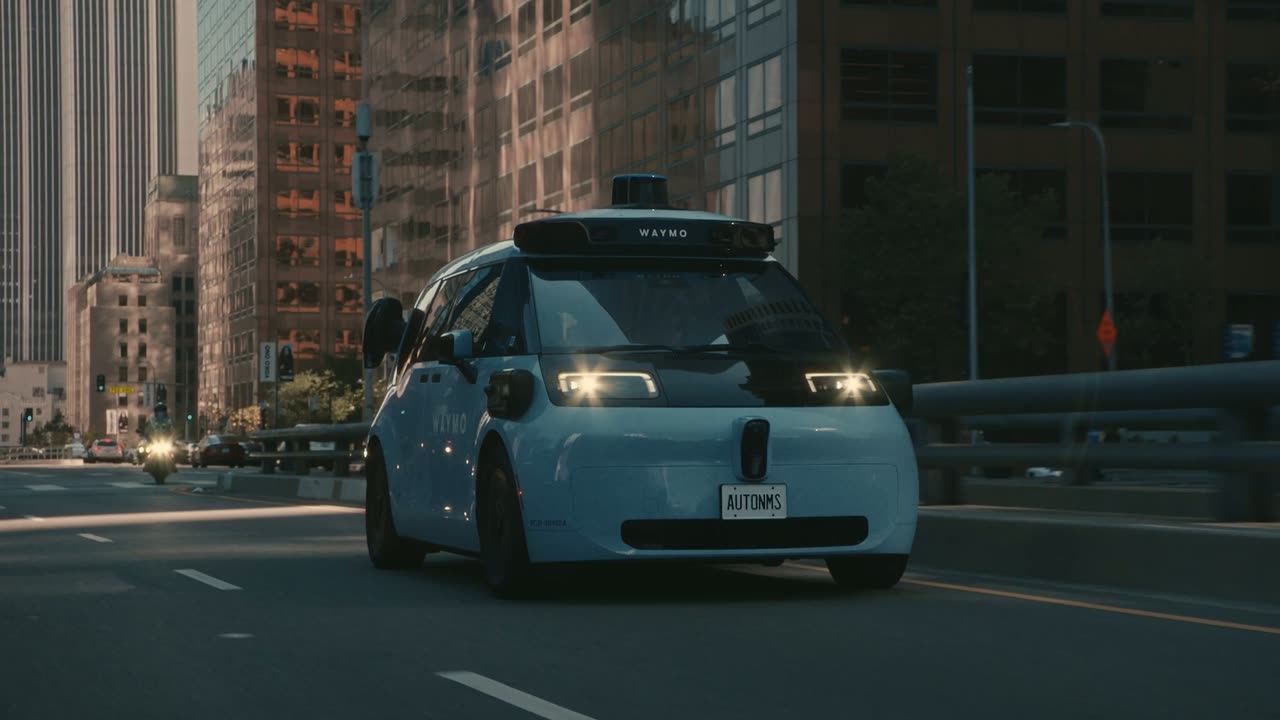
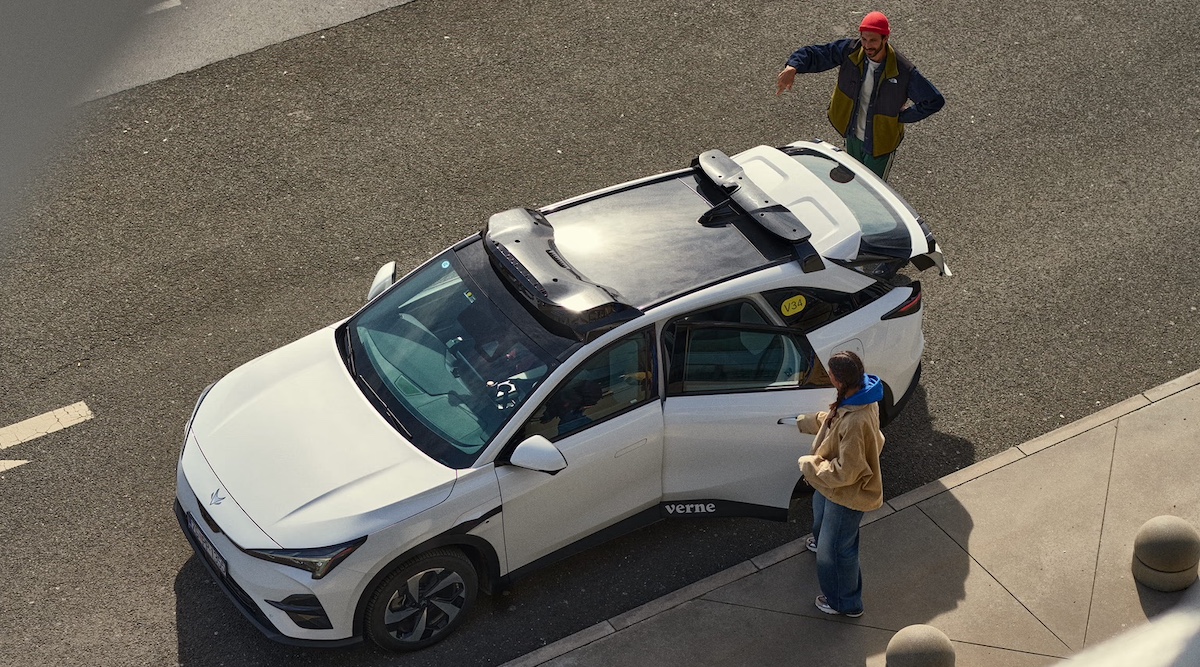























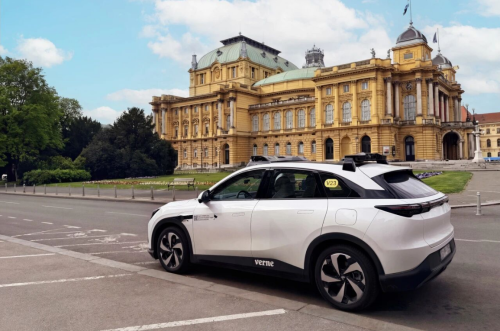

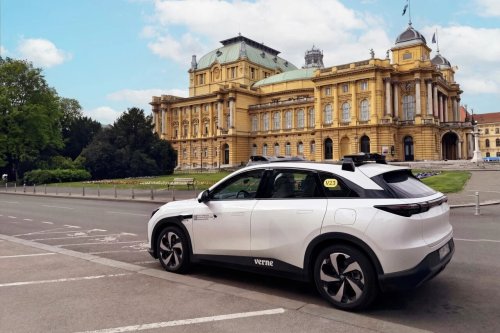
Europe finally has a robotaxi service, years after the first robotaxis launched in the US and China (in 2020 in both places). The new robotaxi service didn’t launch in one of Europe’s larger, more famous countries, but in the small country of Croatia on the Adriatic Sea (which, by the way, is probably the #1 country I’d pick to live in in Europe). The robotaxi service is powered by China’s Pony.ai, supported by the USA’s Uber, and operated by Croatia’s Verne. Since its launch one month ago, the robotaxi service has been operating 10 vehicles, but these vehicles have included human supervisors so far as an extra safety measure — the norm across all networks in all countries. One funny anecdote from AFP’s test ride: the car had to brake suddenly when a vehicle going in the other direction swerved into the robotaxi’s lane, and when that happened, a lady’s voice calmly said, “Sorry, we had to brake.” Funny, fun, clever solution there to a jarring incident. All of that said, there are still interventions occurring from the human safety operators (it’s not clear what any interventions have been for). Also, only about 90% of riders have given the service 4 or 5 stars. That’s apparently a bragging point for the company, but it seems to me like it should be higher for a good robotaxi service. “According to the company, interest in the automated service, which costs 1.99 euros ($2.32) per ride, has been strong, with around 4,000 people currently on the waiting list,” France24 shares. “Ordered through Verne’s app like any rideshare service, the automated vehicles are equipped with multiple cameras, lidar lasers and radars to help navigate the streets.” Fully automated service is expected in Zagreb by the end of 2026. The company aims to also launch in 10 other cities where it’s currently in discussion across the EU, the UK, and the Middle East.