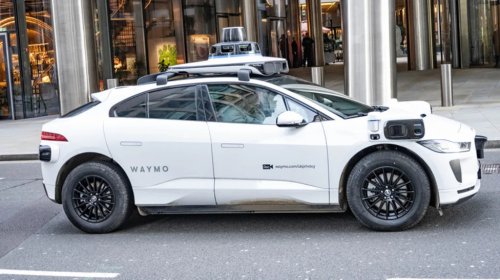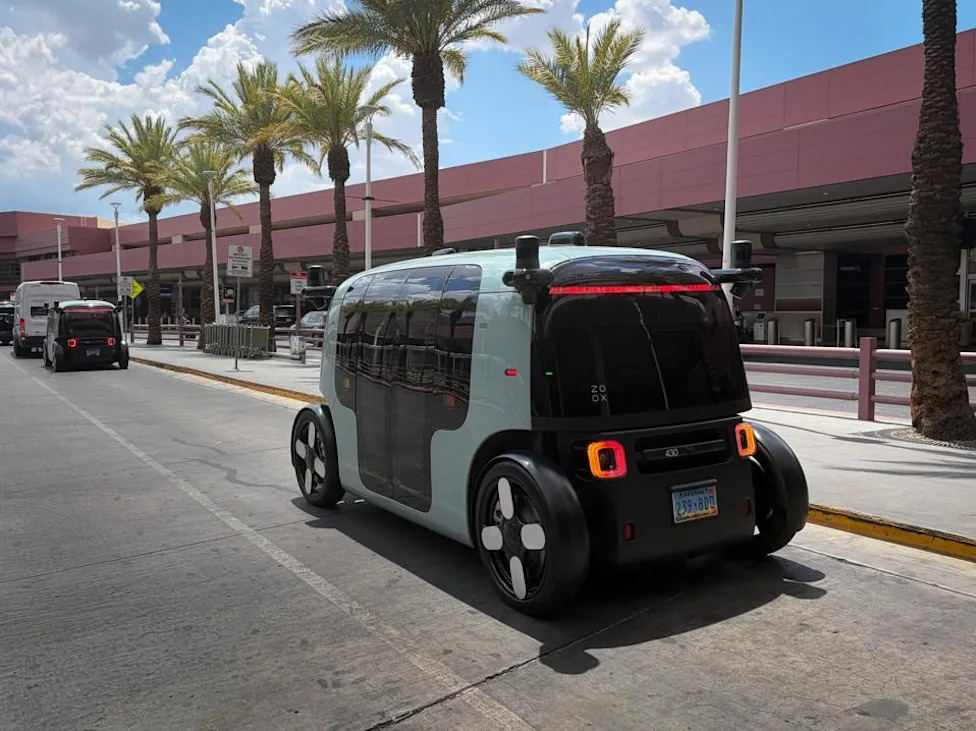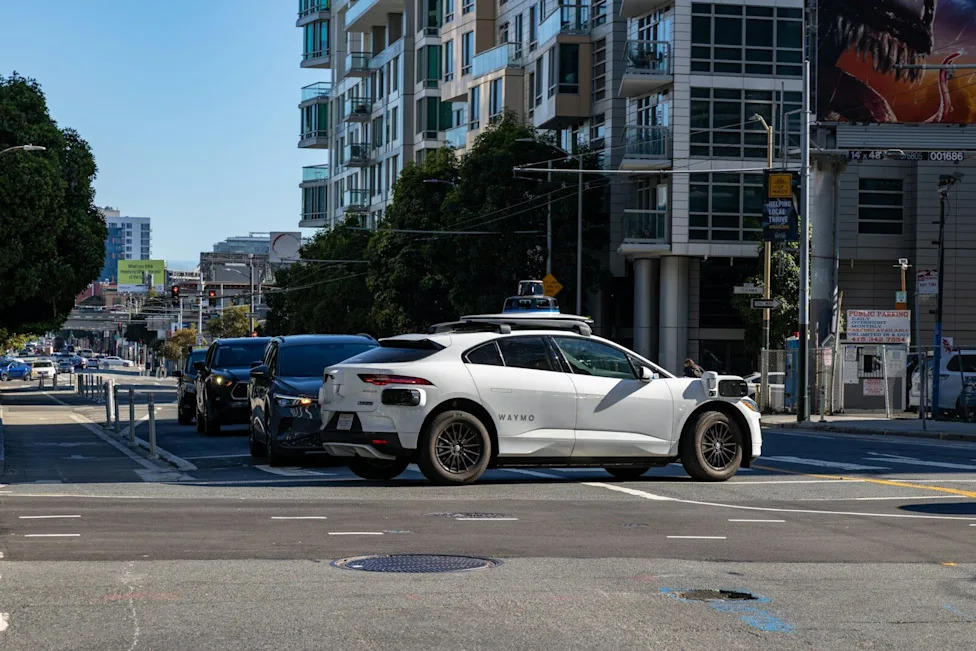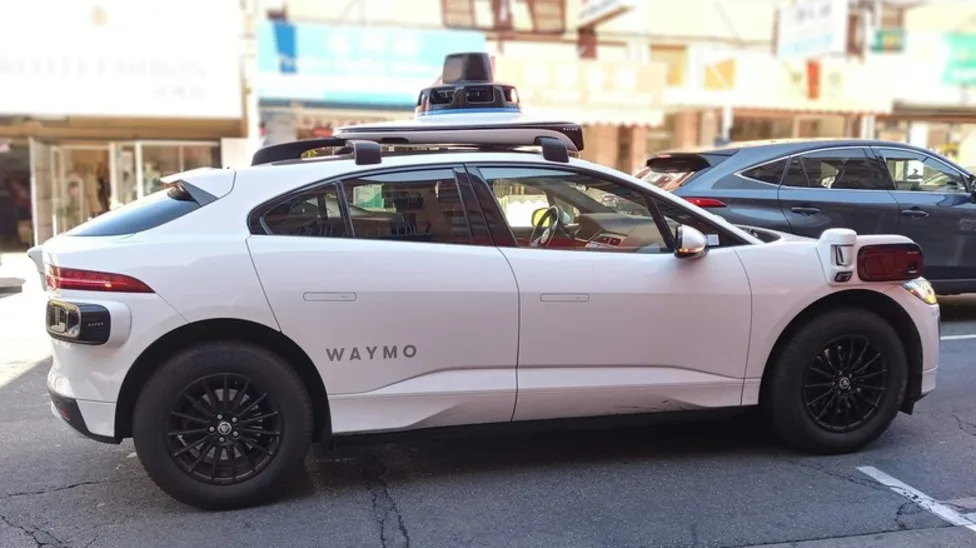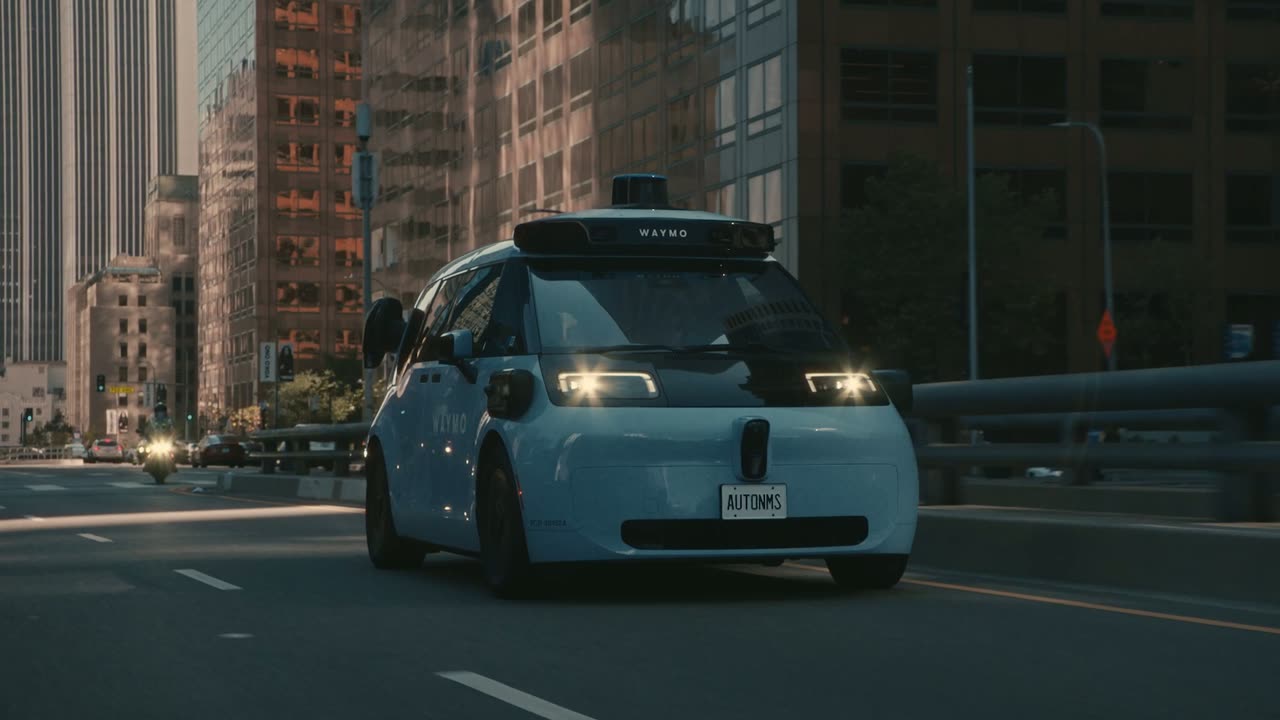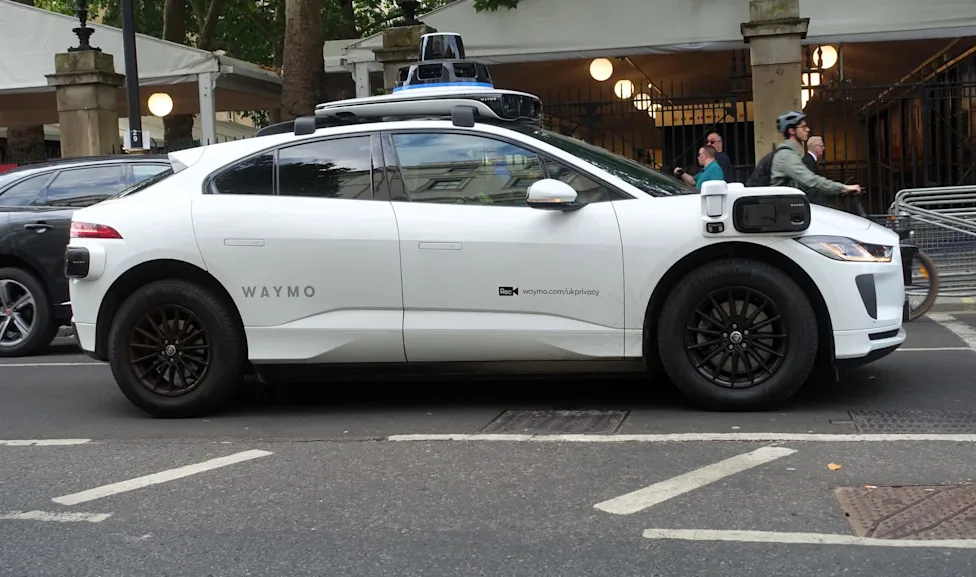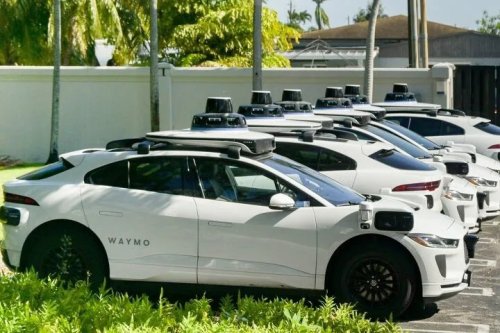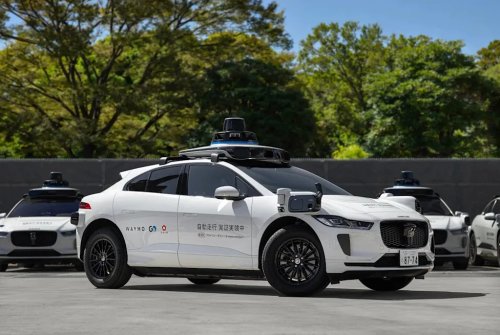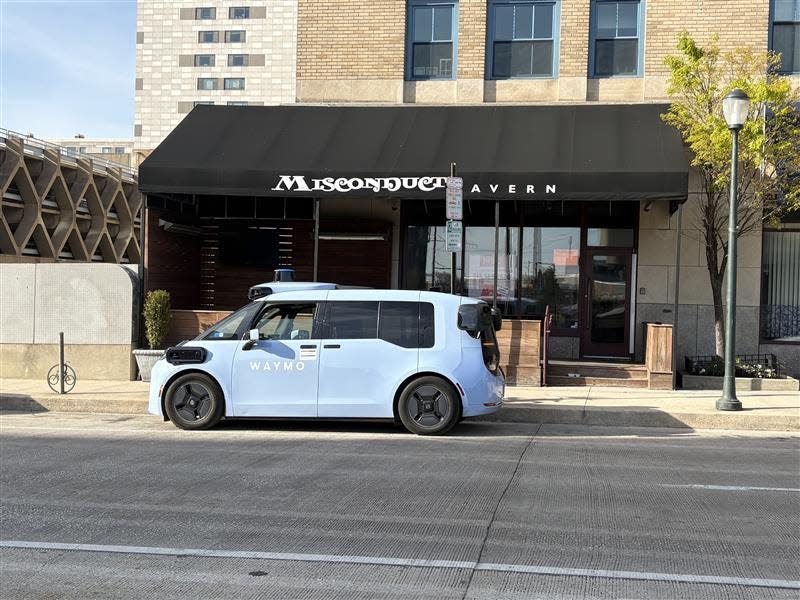



















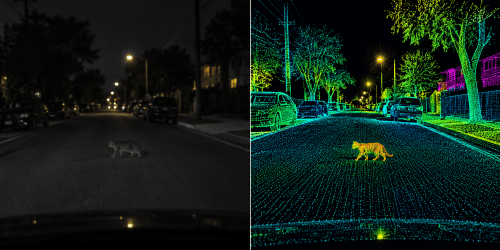
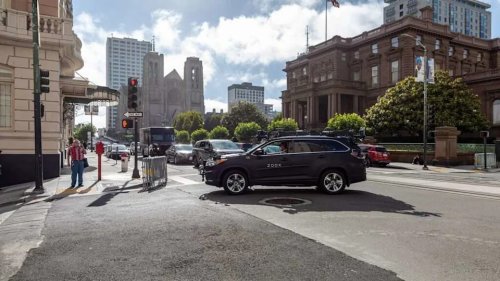



Waymo robotaxi hit flooded Texas road. Are they safe in severe weather?More than 3,700 Waymo robotaxis are being recalled after a software issue raised questions about how autonomous vehicles respond in severe weather.A National Highway Traffic Safety Administration report published May 6 found that on high-speed roads, Waymo vehicles may slow when they detect a potentially untraversable flooded lane but do not fully stop. Waymo said it became aware of the issue on April 20 after an unoccupied vehicle entered a flooded roadway at about 40 mph in San Antonio, Texas. The company said the vehicle detected flooding but continued at a reduced speed.Now, the recall centers attention on how autonomous systems respond to severe or extreme weather, where conditions can obscure lanes and quickly change driving conditions.AdvertisementAdvertisementMore: Thousands of Waymo autonomous driving cars recalled. Here's whyAre Waymo robotaxis safe in storms?Even in human-driven vehicles, severe weather creates operational challenges on the road and remains a leading contributor to crashes, accounting for roughly one in five incidents.Reduced visibility from fog, rain, snow or dust, along with sensor or windshield interference from droplets, ice or dirt, can obstruct perception, while slippery road surfaces can reduce traction and change braking performance.To address these conditions for robotaxis, Waymo’s self-driving system — known as the Waymo Driver — uses a combination of cameras, radar and lidar to perceive its environment, according to a 2022 article from Waymo's Weather Team. When visibility drops — in heavy rain, fog, smoke or snow — the system is designed to rely more heavily on radar and lidar, which are less affected by visual obstruction, the article states. Waymo also says its system can detect when conditions deteriorate beyond safe operating thresholds. In those cases, vehicles are designed to pull over and come to a safe stop until conditions improve, according to the company.AdvertisementAdvertisementWaymo also uses its fleet as a data source for real-time weather understanding, describing each vehicle as a “mobile weather station” that uses sensor data to estimate visibility and identify localized conditions such as fog, drizzle or dust intensity. By combining fleet data with external weather information, the company has developed higher-resolution maps of conditions such as coastal fog, particularly in places like San Francisco and Phoenix, where weather can shift sharply over short distances.Commercial service is currently concentrated in a handful of U.S. cities with sunny weather, including San Francisco, Los Angeles, Phoenix, Dallas, Houston, San Antonio and Orlando. However, Waymo has tested its vehicles in more than 25 cities, including locations that experience snow, heavy rain and fog, according to TechCrunch. That includes winter testing in places such as Michigan and Washington state, as well as wetter coastal and urban environments like Miami and San Francisco.Will Waymo stop in large hail or tornadoes?Waymo does not describe separate driving modes for specific weather events such as hail or tornadoes.In severe weather, the system responds to what it detects in the driving environment rather than any named event. That includes changes such as reduced visibility, debris in the roadway or loss of reliable lane definition.AdvertisementAdvertisementAt this point, Waymo does not operate a tornado-specific prevention or control system, such as a dedicated alert mechanism that directly triggers vehicle behavior based on weather alerts or named events. However, the company is working with Google DeepMind on advanced simulation tools that test how the Waymo Driver performs in rare and extreme scenarios, according to The Verge. That includes stress-testing the system in tornado-like conditions and heavy storms, along with other unusual edge cases, to improve how it handles extreme situations before encountering them on public roads.Can you stop a Waymo in bad weather or force it to keep driving?Riders cannot directly control or override a Waymo vehicle’s driving behavior in real time.If a passenger wants to stop a trip, they will have to end the ride early by tapping "pull over" in the app or under cabin preferences on the in-car screen control bar, according to Waymo. However, the vehicle still determines where and when it can safely stop. In severe weather, it may slow down, reroute or pull over on its own if conditions exceed its operating limits.If a vehicle has already stopped due to unsafe conditions, passengers also cannot force it to continue driving.AdvertisementAdvertisementIn an emergency, options are limited to requesting a destination change through the app or support channel, waiting for conditions to improve if the system determines travel is unsafe or exiting the vehicle only once it has come to a safe and legal stop location.What's next for the recalled Waymo robotaxisFollowing the incident, Waymo said it added operational restrictions in areas where flooded roadways may be present. The company also conducted a review and issued a recall shortly afterward.The recall affects vehicles equipped with the fifth- and sixth-generation Automated Driving System (ADS). Waymo said software changes were deployed on April 20 for the affected fleet.The company identified impacted vehicles using internal records tied to each vehicle’s driverless capability and software version. Affected production dates range from March 17, 2022, to April 20, 2026.Stay informed. Get weather alerts via textBrandi D. Addison covers weather across the United States as the Weather Connect Reporter for the USA TODAY Network. She can be reached at baddison@gannett.com. Find her on Facebook here.AdvertisementAdvertisementThis article originally appeared on USA TODAY: Waymo recall after one hit flooded road. Can robotaxis drive in storms?