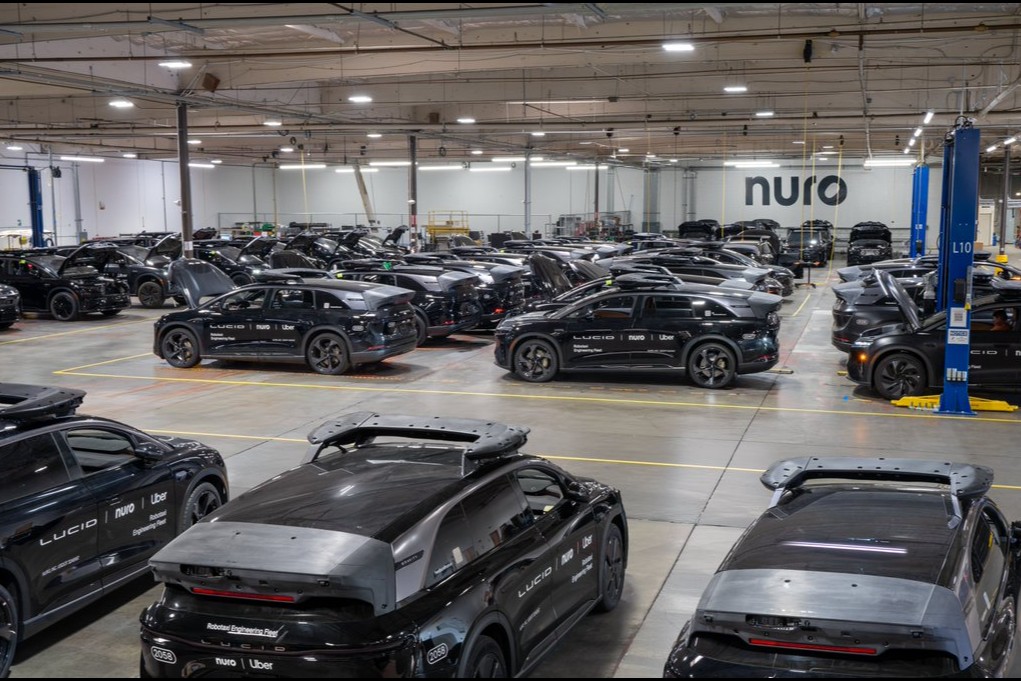
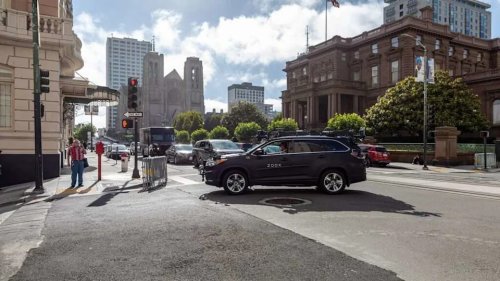
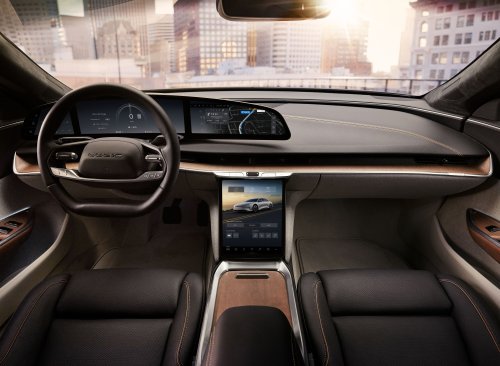
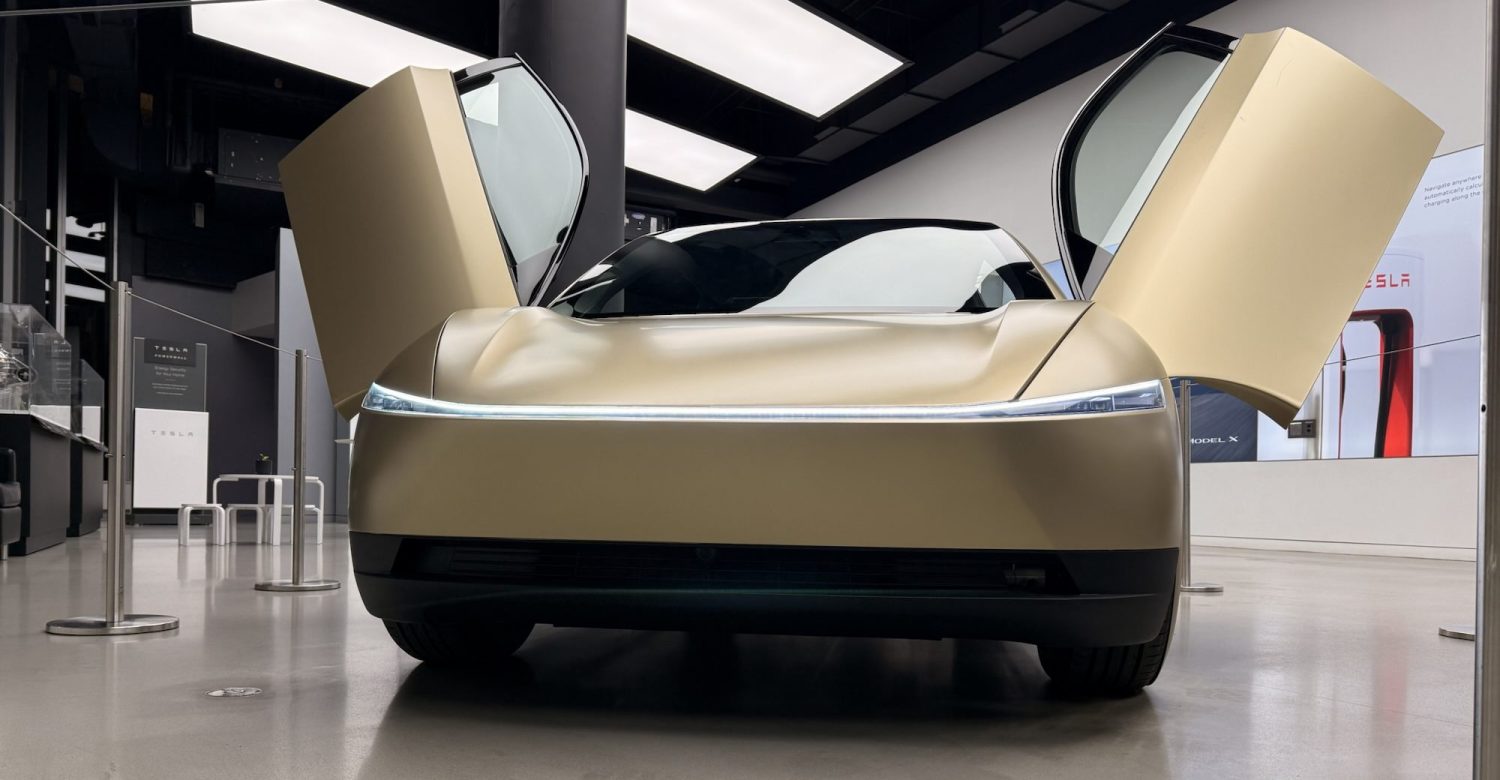
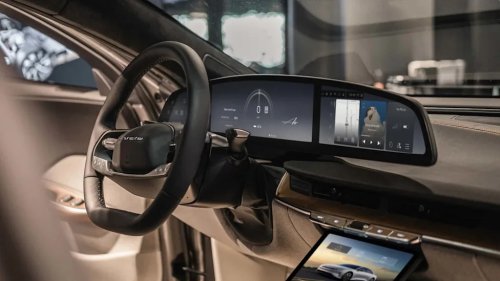
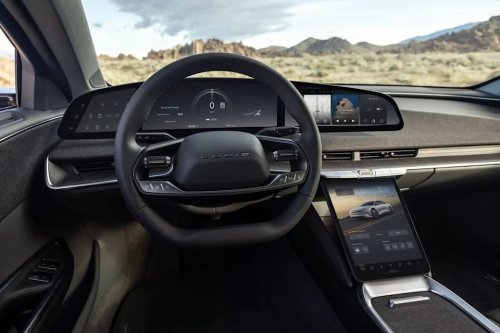
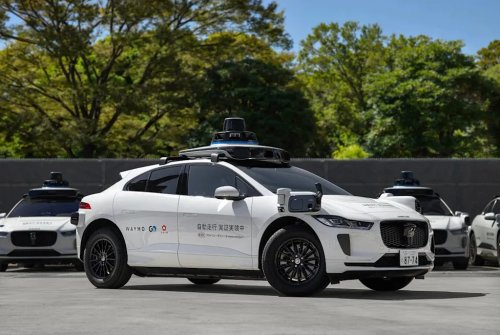
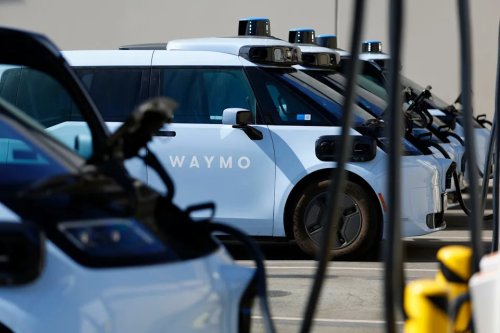
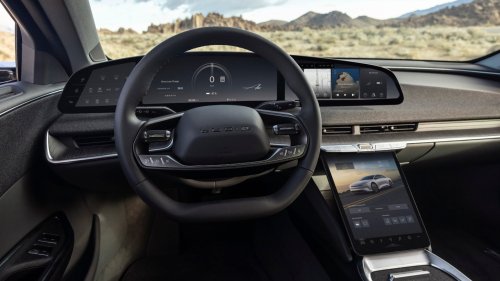
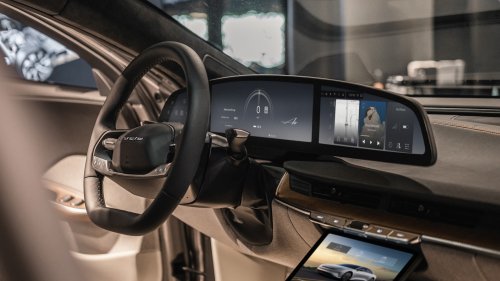
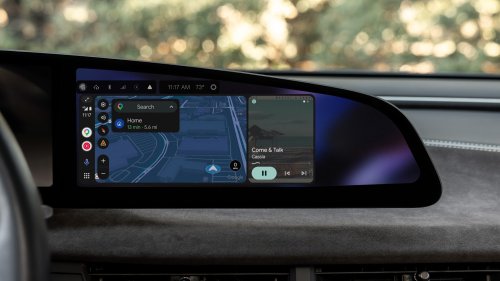
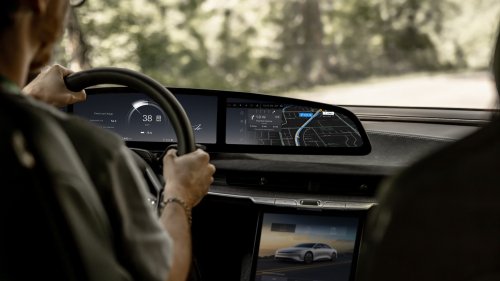
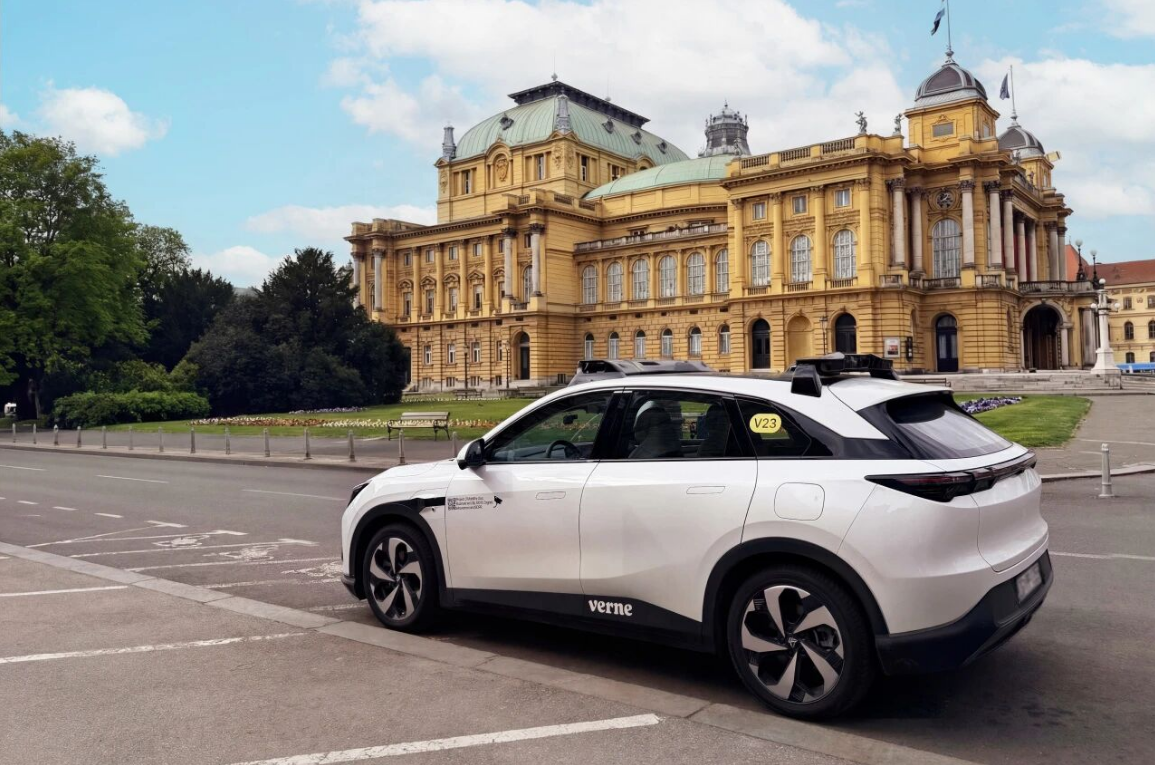
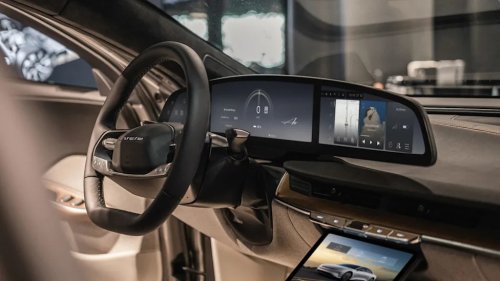
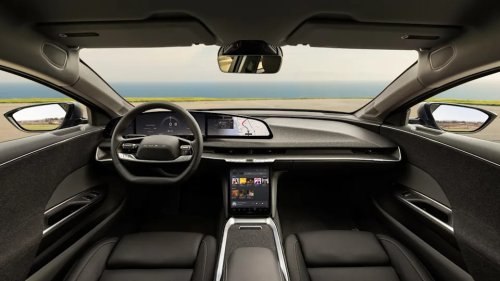
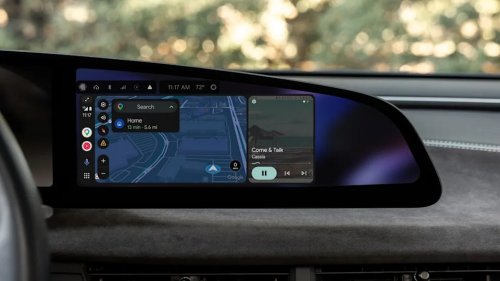
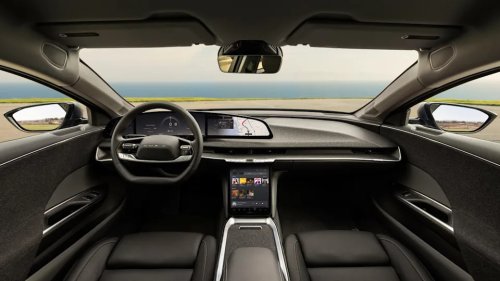
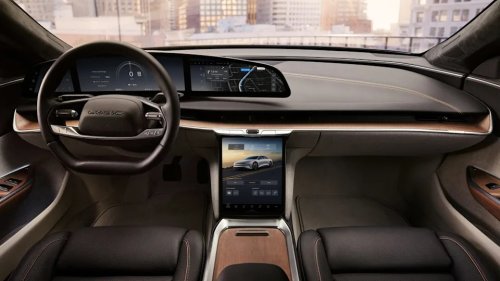
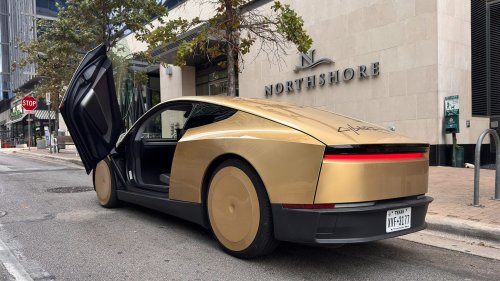
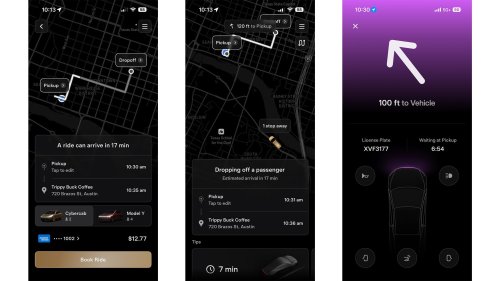
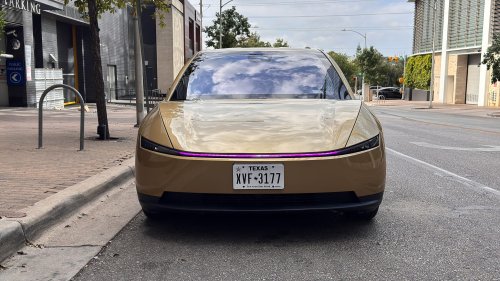
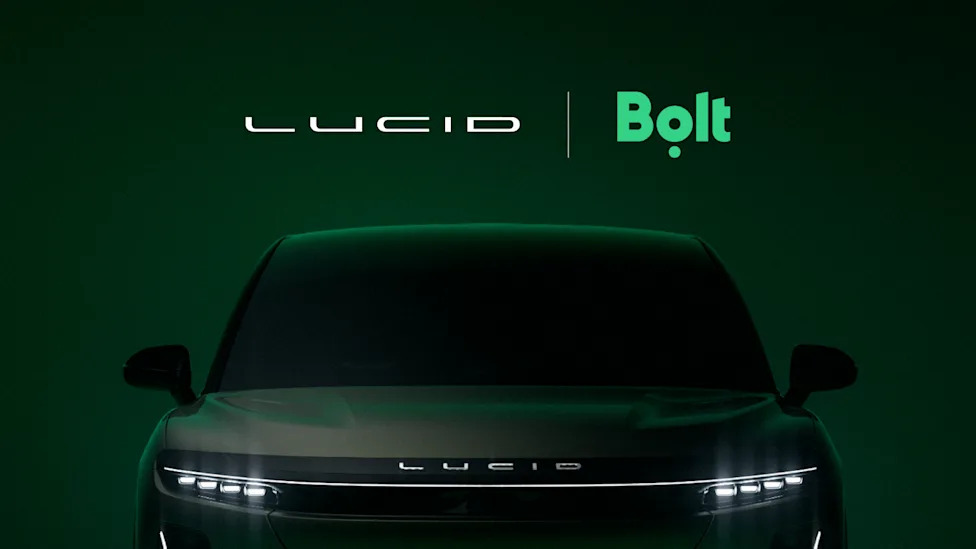
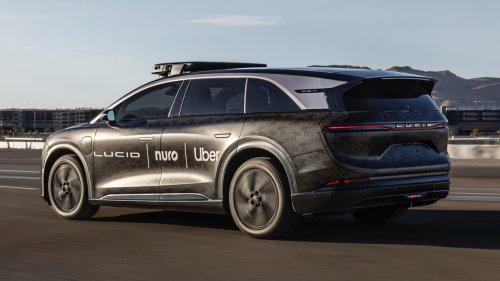
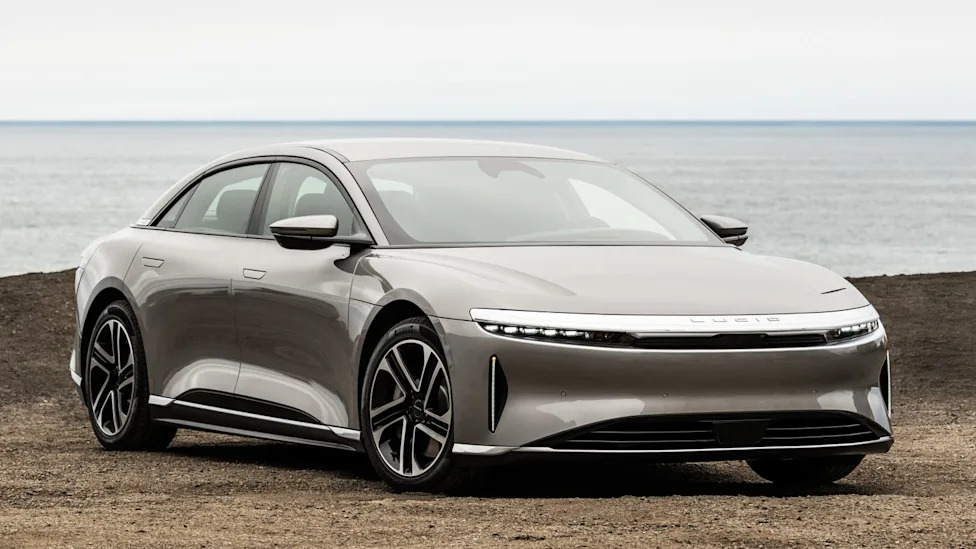
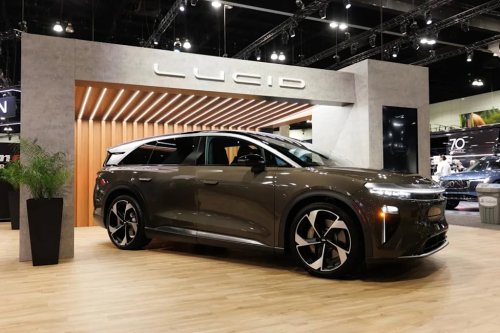
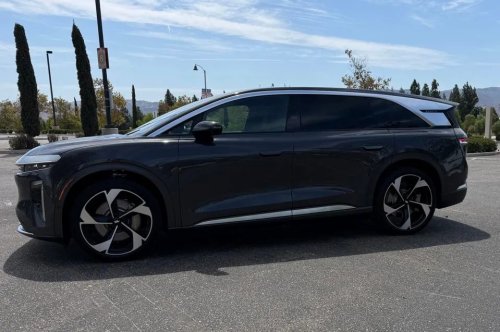
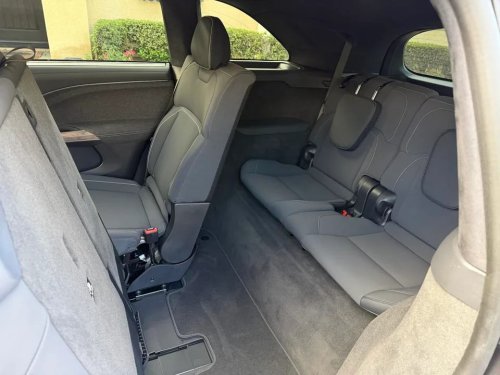
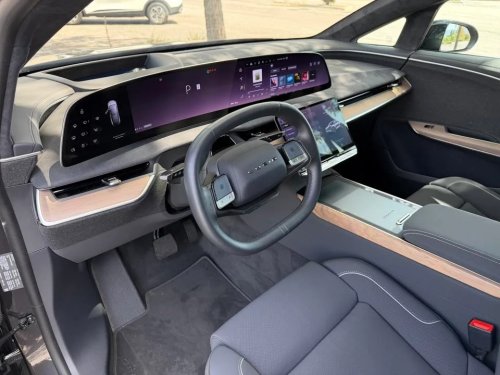
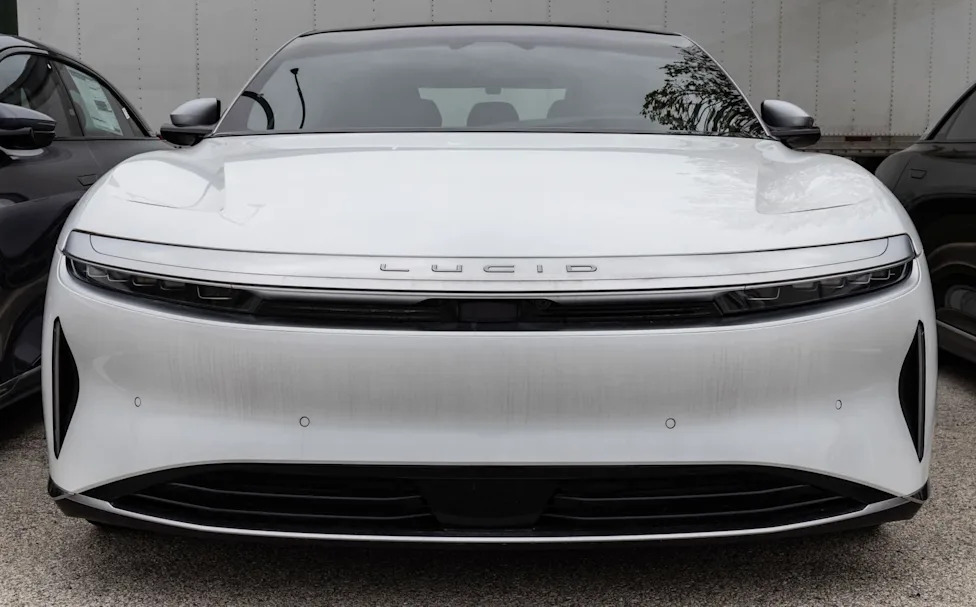
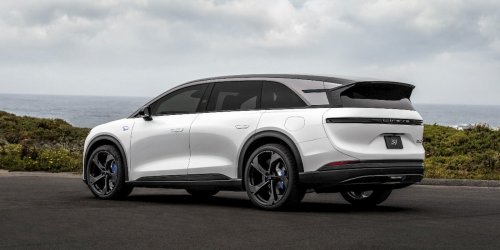
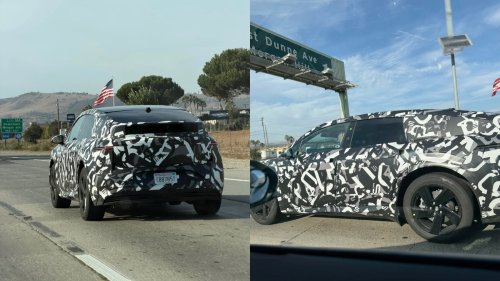
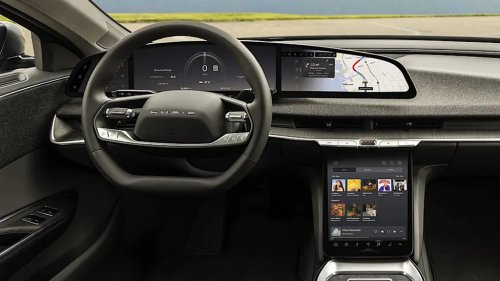
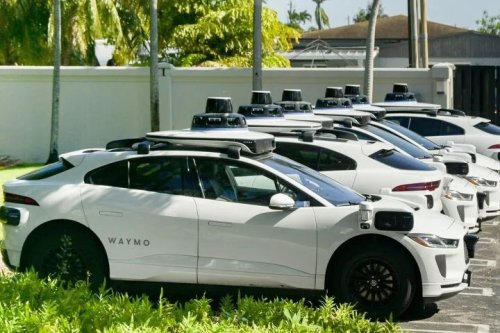
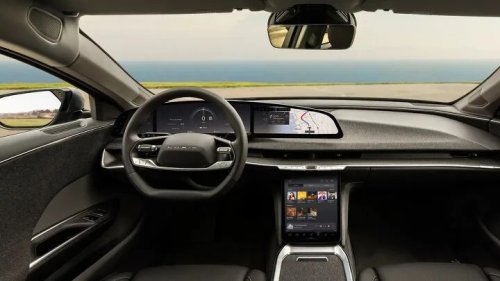
Image: NuroUber announced in July 2025 that it plans to integrate thousands of robotaxis from EV manufacturer Lucid into its platform over the coming years. The vehicles will use autonomous driving technology from California-based company Nuro, an indirect spin-off of the Google Self-Driving Car Project that later became Waymo. Nuro founders Jiajun Zhu and Dave Ferguson left Google/Waymo in 2016 to launch the company after identifying a gap in the market: while Waymo focused on passenger transport through robotaxis, Nuro initially targeted local goods transport and last-mile delivery services.This focus has since shifted, and Nuro now aims to enter the robotaxi market in collaboration with Uber and Lucid. Key milestones since the partnership was announced include a $203 million funding round with participation from Uber and Nvidia in August, the commencement of road tests in December (with a safety driver but no passengers on board) in San Francisco, and the unveiling of the first joint robotaxi based on the Lucid Gravity at CES in Las Vegas in January 2026.Building on the initial tests with a safety driver but no passengers, Nuro has now secured two further critical approvals in California: one for test drives without any occupants—meaning no safety driver and no passengers—and another for test drives with a safety driver and, for the first time, passengers on board.This also means that Nuro is still not permitted to deploy fully autonomous robotaxis in California with passengers in the rear. A true robotaxi service is therefore not yet possible. Additionally, trips with passengers and a safety driver on board may not yet be commercialised; in other words, Nuro is not allowed to charge passengers for these rides.“These approvals mark another meaningful step forward as we continue preparing for launch in California,” said James Owens, Nuro’s Chief Legal and Policy Officer. “They expand what we can validate on public roads and reflect the steady progress our team is making across technology, operations, rider experience, and regulatory readiness.”The test fleet already comprises 100 units of the Lucid Gravity, which have been fitted with Nuro’s specialised sensors, hardware, and software for autonomous driving. Alongside Nuro employees acting as safety drivers, Uber employees have also been able to use the vehicles since April—but only as passengers. For these internal partner tests, the vehicles can already be booked via the Uber app.nuro.ai