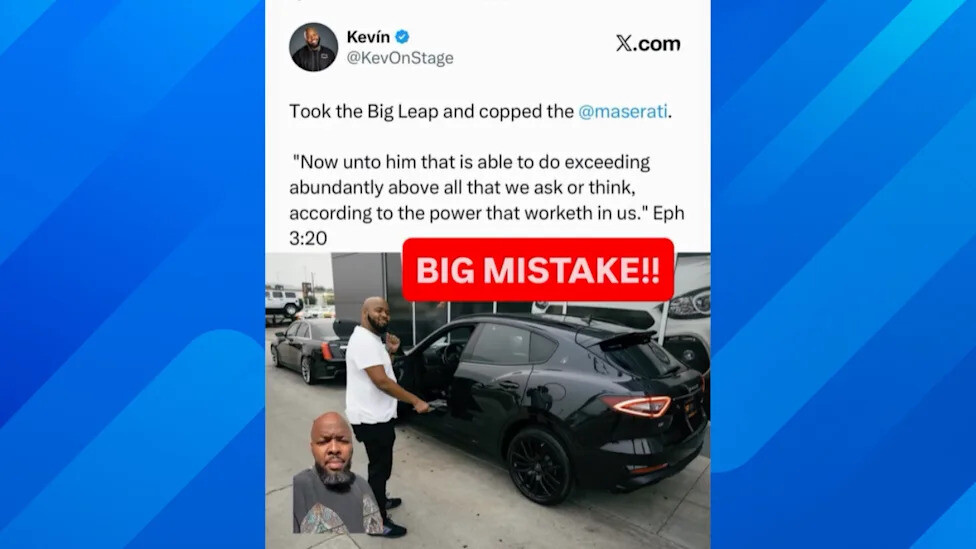
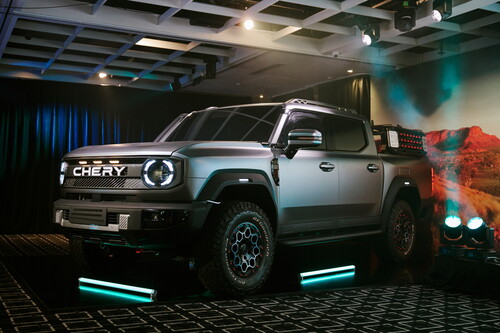
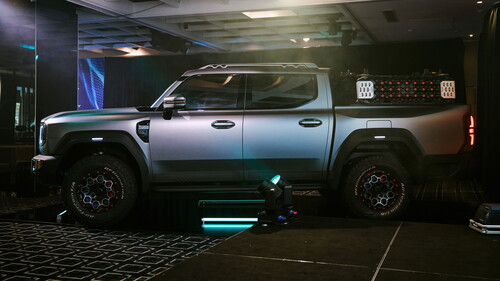
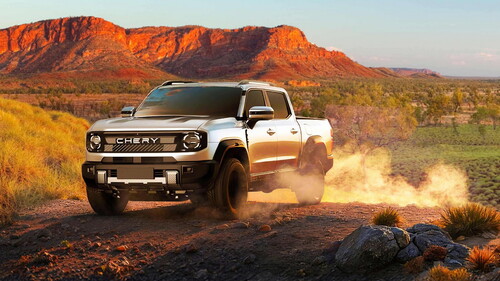
Amélie Anderson · 5 months ago@amelieanderson272Canada’s Electrified Vehicle Sales Surge 75% Before Chinese Cars Even Arrived Liked by+56 othersHondaToyotaPost commentRelated PostsBuy This, Not That: These Are the 9 Best Off-Road SUVs for Families (And 9 to Skip)Olivia Rogers · 14 days agoThe GAC Aion V Looks Odd But Is Incredible Value | ReviewAudrey Nelson · 12 days agoKia Telluride Vs. Toyota Grand Highlander Vs. Honda Pilot Sales: There's A New Leader In 2026Lauren Tremblay · 15 days agoAmerica’s Only True Crossover Convertible Was an Absolute FlopVictoria Bouchard · 12 days agoFord Vs. Dodge At 250,000 Miles: It’s Not Even CloseLily Johnson · 15 days agoToyota Almost Renamed the Corolla, Then One Engineer Rebuilt ItEvan Anderson · 12 days agoAutomotive Brand Loyalty Strengthens Amid Affordability ChallengesCharlotte Hall · 16 days agoToyota Recalls New RAV4 PHEVs Over a Problem Jeep Owners Know Too WellKaitlyn Smith · 12 days agoToyota Vs. Tesla At 250,000 Miles: It’s Not Even CloseEmily Mitchell · 16 days agoMan Says Maserati Was the Worst Purchase He Ever MadeOlivia Gagnon · 12 days agoToyota Camry Vs. Honda Accord 2026 Sales: It's Not Even CloseVictoria Bouchard · 16 days agoChery’s Plug-In Diesel Stockman Pickup Has 469 HPAva Lewis · 12 days agoSnoozers Sell: Here Are 5 Boring Cars That Crush CompetitorsCaleb Rogers · 16 days ago6-Inch Ford F-150 Lift Kit Blamed in Wrongful Death LawsuitVictoria Poirier · 13 days agoHonda, Toyota Sedans Outpace SUVs in 2026 Sales GrowthJenna Green · 17 days agoOnly 3 AWD Minivans Are Left, and One Stands Above the RestGabriel Moreau · 13 days ago5 Hybrids Most Likely To Make It To 250,000 Miles, Per iSeeCars StudyBenjamin Girard · 17 days agoToyota Tundra vs Ford F-150 Depreciation: It's Not Even CloseChloé Lewis · 13 days agoThe Best AWD SUVs for Snow, Trails and Everyday DrivingAbigail Lee · 17 days agoYour Skis and Snowboards Deserve Better—We Found the Racks That Treat Them RightHannah Moreau · 13 days ago




 +56 others